
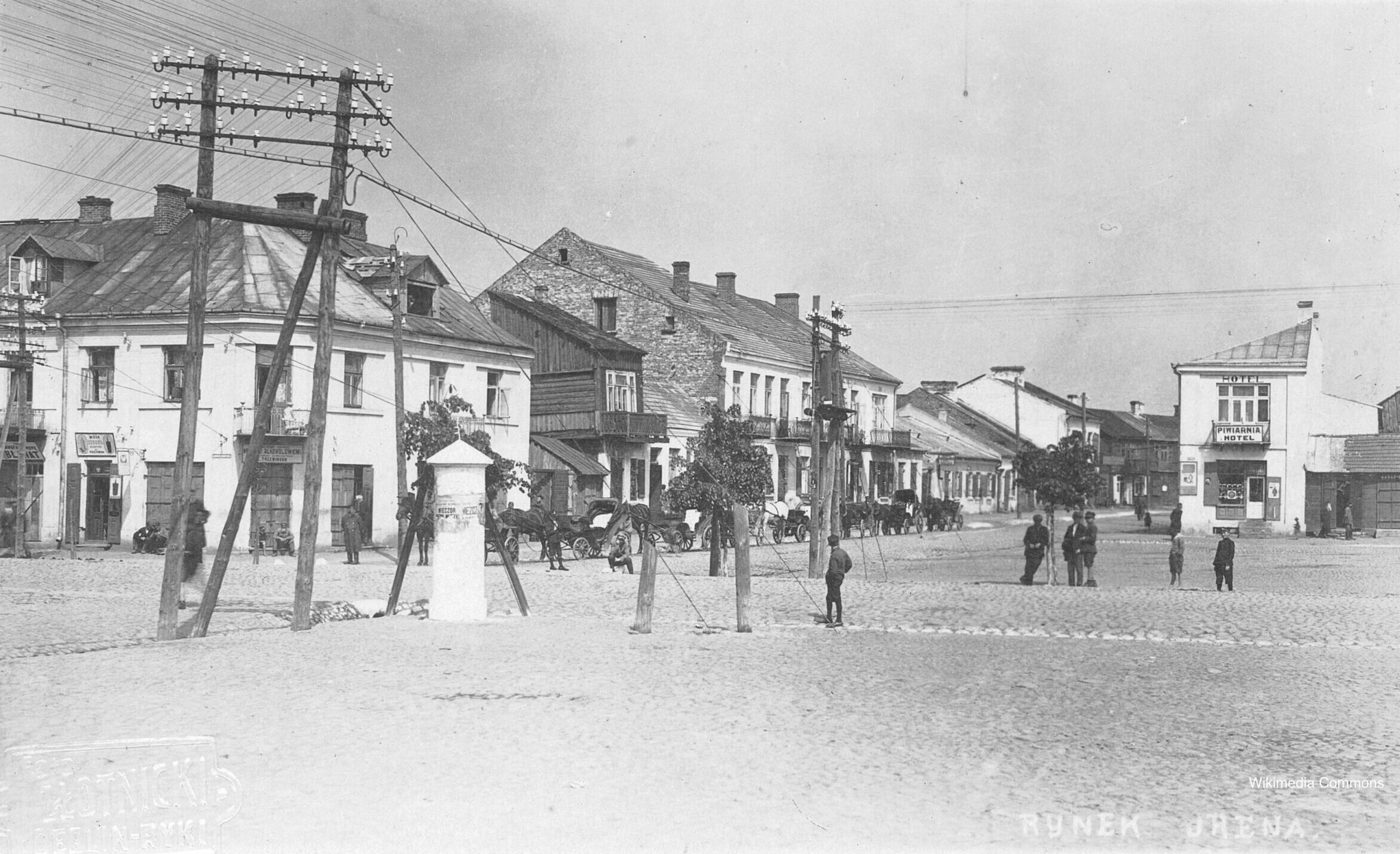
Members of the Boys were imprisoned in the Dęblin-Irena Ghetto.
The Dęblin-Irena Ghetto was one of a network of ghettos set up by Nazi Germany in which Jews were forced to live in occupied Poland. As with other ghettos in Czechoslovakia, Latvia, Lithuania and Poland, the Dęblin-Irenaa Ghetto was established to contain the region’s Jews and isolate them from the rest of the population until the Nazi leadership could decide on an answer to the so-called “Jewish Question.”
The Boys and their families spent years living in dire conditions. The ghettos were not designed for the vast numbers of people forced to find space to live within them. As a result, multiple families shared cramped and insanitary accommodation.
The Boys were teenage and child-Holocaust survivors, who were brought to the UK after the war for rest and rehabilitation.
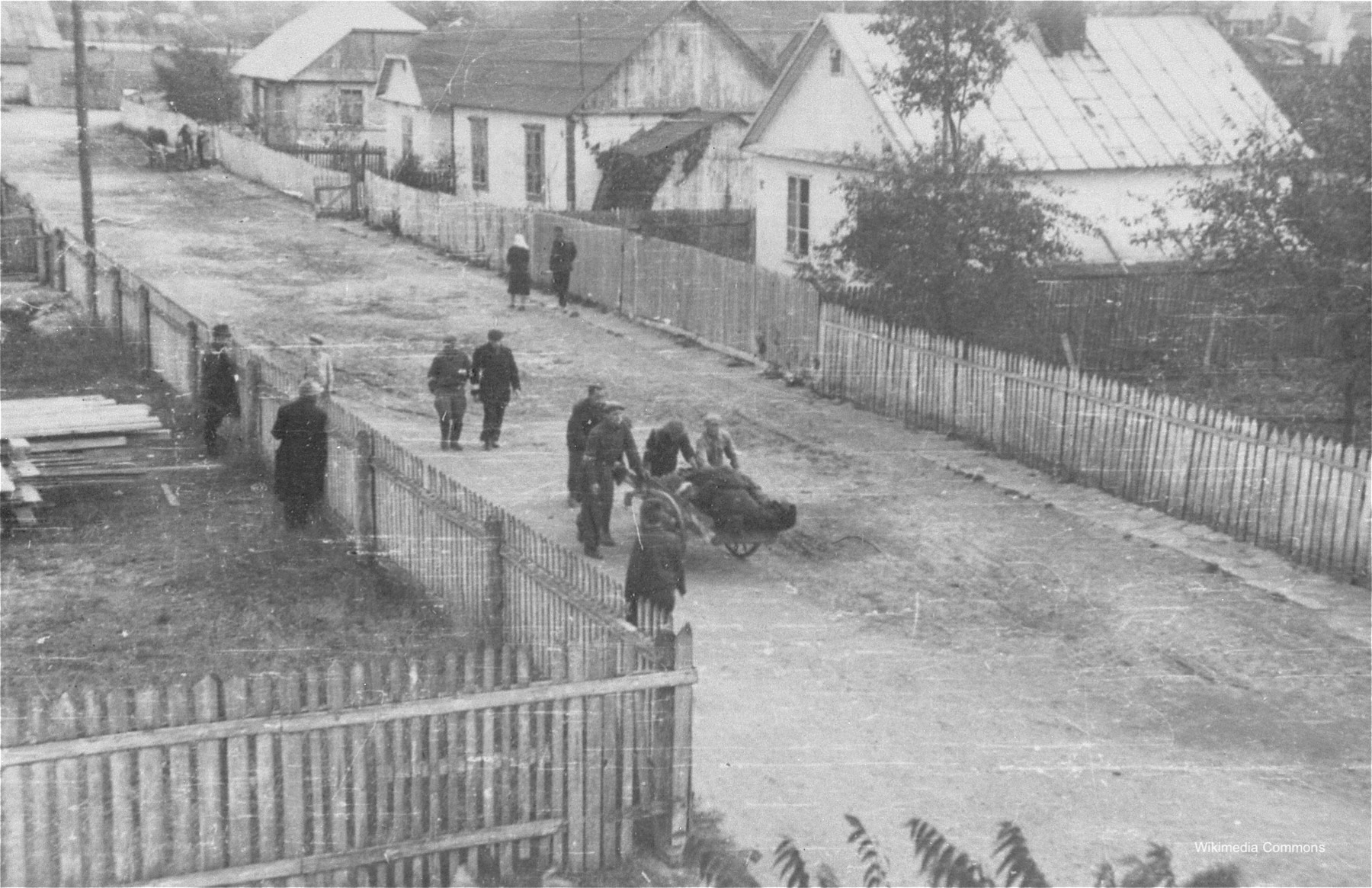
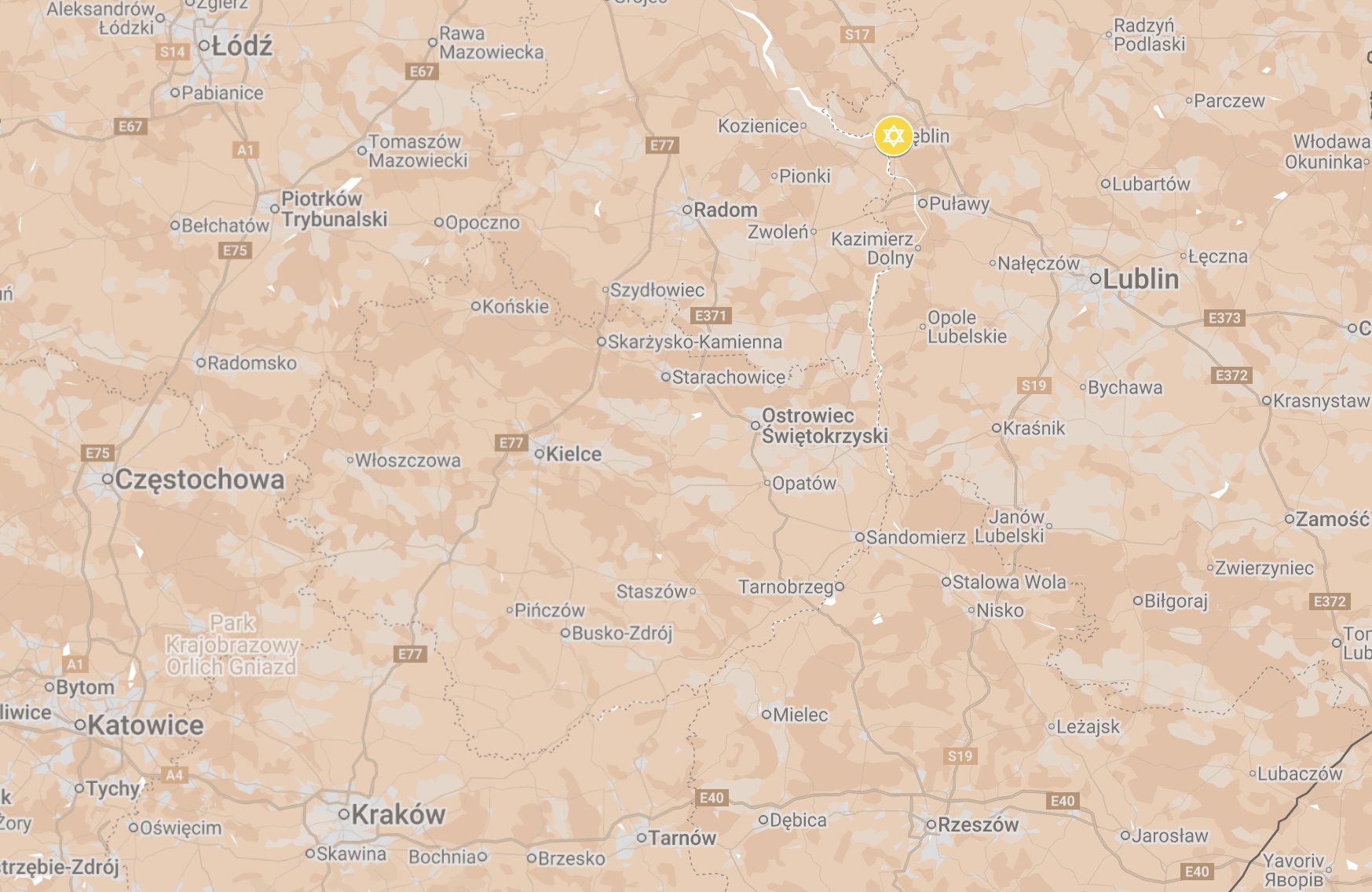
The towns of Dęblin and Irena are 70km north of Lublin. Irena was of strategic importance as it was the site of the Polish Air Force Academy from 1927, whose airfield was one of the largest in Poland. The towns were also an important railway junction. A ghetto was established in Irena in November 1940.
Layout
The ghetto initially consisted of six streets. It was an open ghetto, which the Jews were not allowed to leave without permission. Its boundaries were initially Okólna Street, the Irenka River, Bankowa, and Staromiejska Streets.
Daily Life
Many Jews in the ghetto worked on labour projects for the German Army based in the Dęblin Fortress, in railway maintenance as well as for the Luftwaffe. From May 1941, Jews were sent to labour camps in and around Dęblin from the Opole and Warsaw ghettos.
Conditions in the ghetto worsened in late 1941 as restrictions on ghetto inhabitants increased – the use of stoves was banned and winter clothes confiscated – and epidemics of typhus and dysentery broke out. Overcrowding was severe; there were 7–15 people per room.
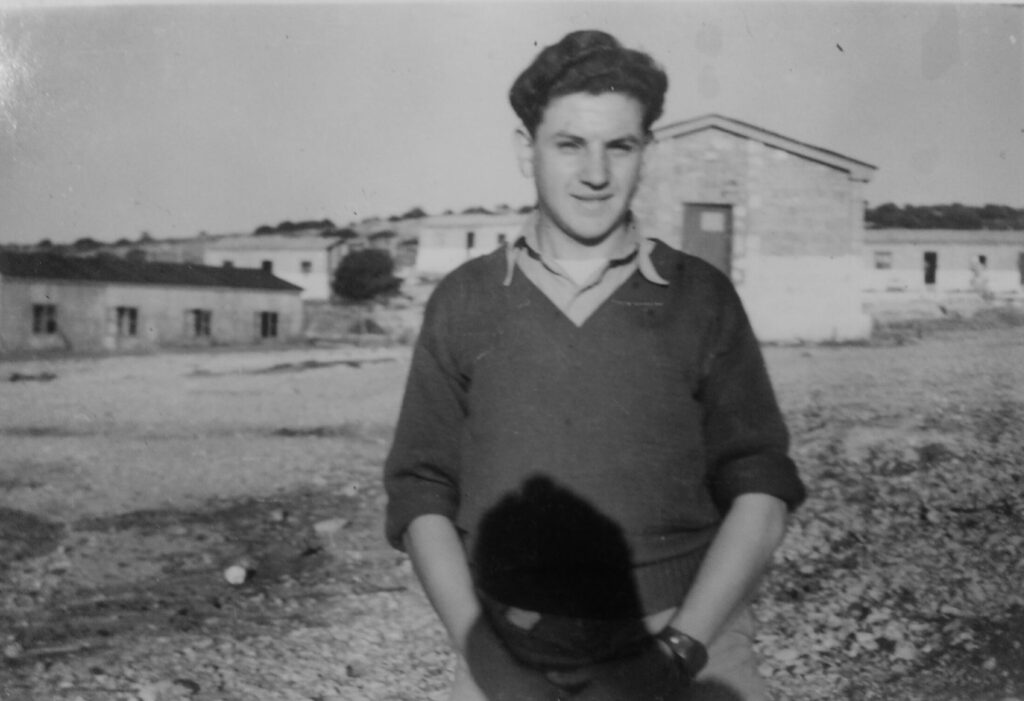
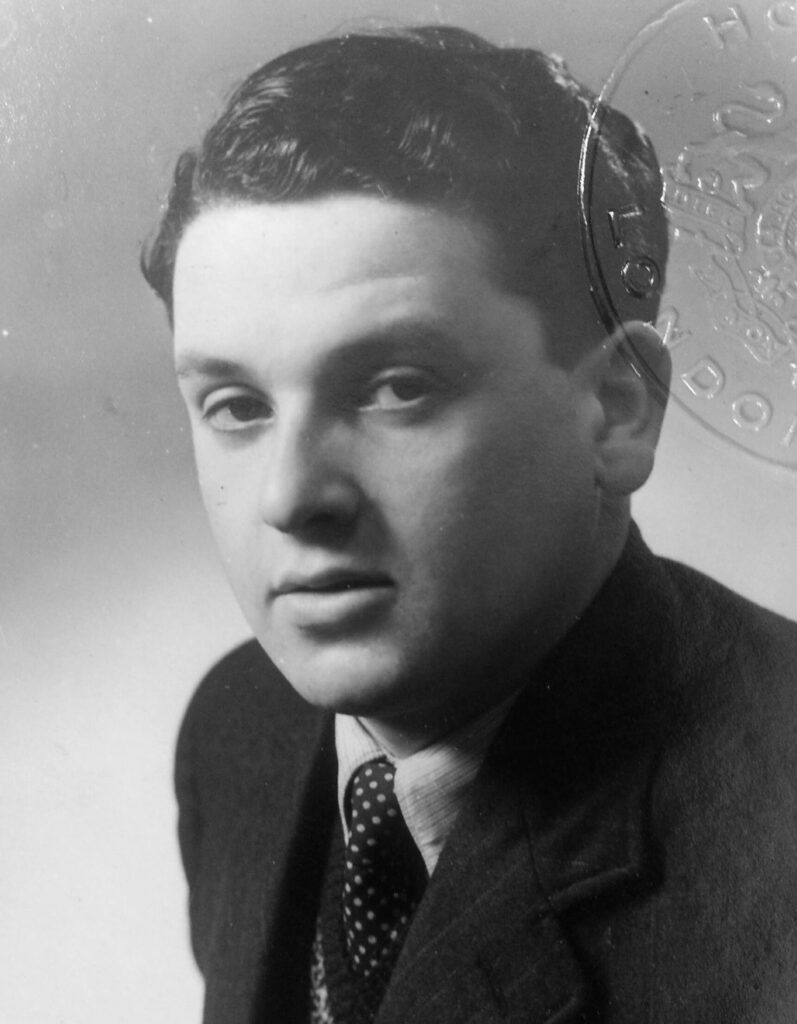
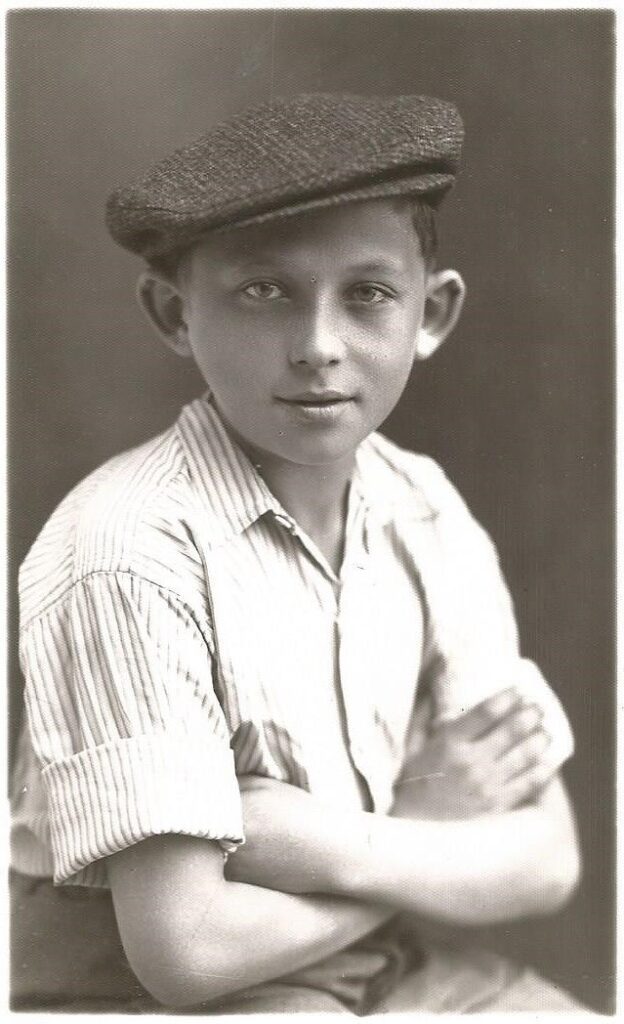
Three of the Boys held in the Dęblin-Irena Ghetto
Deportations
The first deportation was on 6 May 1942 and took around 2,500 Jews to Sobibór extermination camp. The deportation took place to make way for 2,000 Slovakian Jews who arrived a week later.
Liquidation
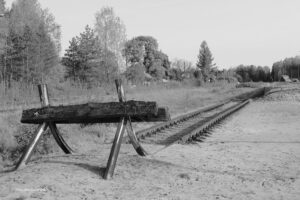
Sobibór extermination camp
The ghetto was liquidated on 15 October 1942. About 2,500 Jews were deported to Treblinka extermination camp while some 1,400 Jews were retained as inmates of forced-labour camps in the town. During the next two days, more than 4,000 Jews from north Puławy County were also marched to Dęblin and deported to Sobibór.
Many of the Slovak Jews, not knowing what to expect, had lingered in the ghetto while packing their bags. About 215 to 500 Jews were shot and killed by the Ukrainians and Germans while the houses were being cleared.
Aftermath
About 100 Jews were retained to clean up the ghetto. On 28 October, the remaining Jews were sent to the Schultz labor camp, and the ghetto was officially liquidated. An estimated 2,000 Jews were still alive in the labour camps around Irena.
The labour camp, which was operated by the Luftwaffe until 22 July 1944, less than a week before the area was captured by the Red Army. It was one of the last Jewish labour camps in the Lublin District and enabled hundreds of Jews to survive the Holocaust. The surviving Jews were then deported to the Częstochowa-HASAG labour camp.
Memorialisation
A memorial plaque was unveiled in 2015. For information on visiting Dęblin-Irena click here.
 About
About History
 Education
 Quilts
 FIlms
FIlms Photos
 News Media & Events
 Publications
 Donate