
Members of the Boys were imprisoned in the Dukla Ghetto.
The Dukla Ghetto was one of a network of ghettos set up by Nazi Germany in which Jews were forced to live in occupied Poland. As with other ghettos in Czechoslovakia, Latvia, Lithuania and Poland, the Dukla Ghetto was established to contain the region’s Jews and isolate them from the rest of the population until the Nazi leadership could decide on an answer to the so-called “Jewish Question.”
The Boys and their families, were forced to move from their homes and were held in ghettos in Nazi controlled Czechoslovakia, Latvia, Lithuania and Poland, where they spent years living in dire conditions. The ghettos were not designed for the significant quantities of people forced to find space to live within them. As a result, multiple families shared cramped and insanitary accommodation.
The Boys were teenage and child-Holocaust survivors, who were brought to the UK after the war for rest and rehabilitation.
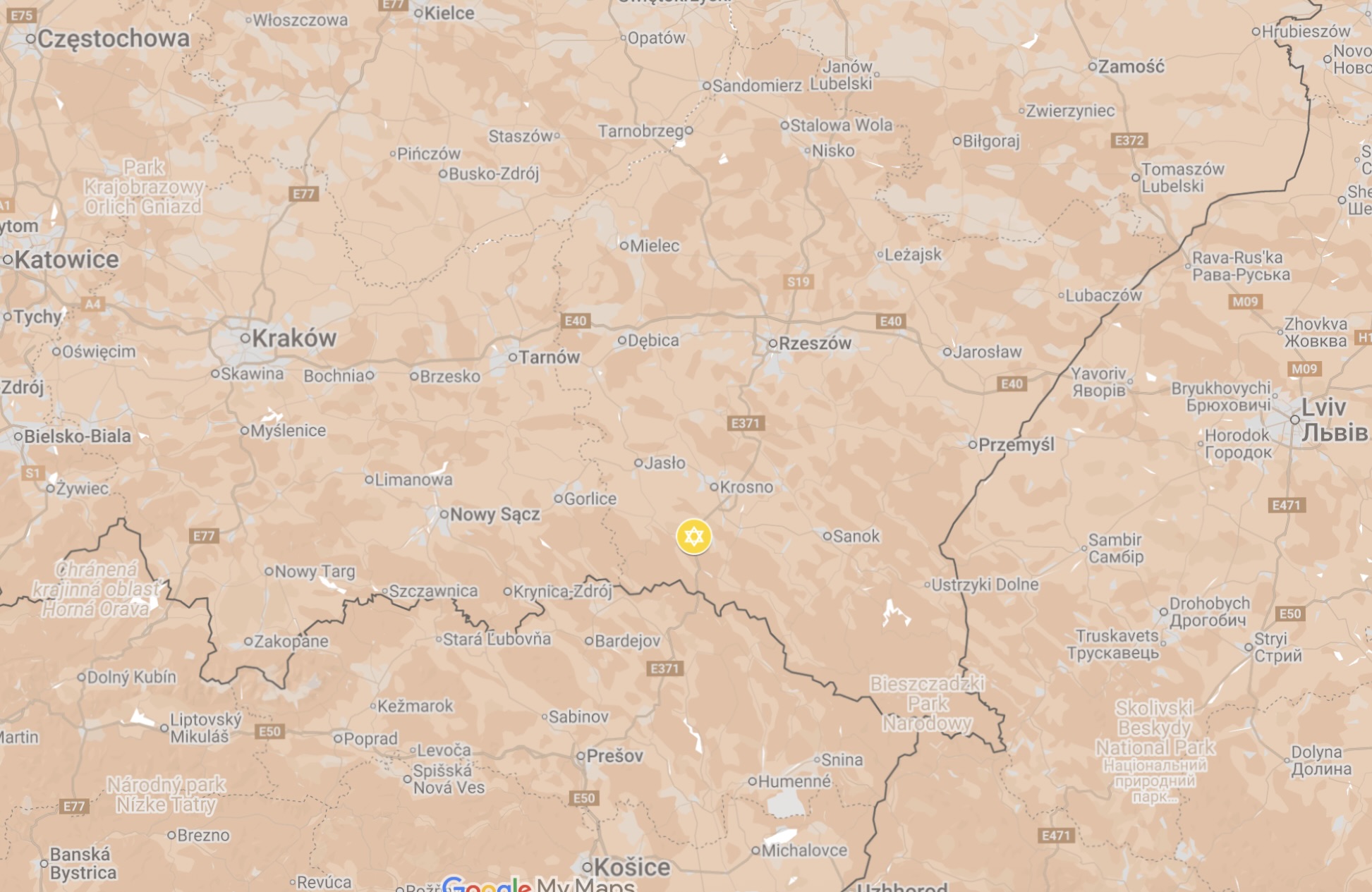
Dukla is a town in southeastern Poland, in the Subcarpathian Voivodeship. To find out more about the area and the Boys who grew up there click here.
Overview
The Dukla Ghetto was established in 1942. It held an estimated 1,200 Jews, including residents from Dukla and surrounding villages.
Layout
The ghetto was concentrated in the northern part of Dukla, primarily in the area near the market square and adjacent streets. It was enclosed with wooden barriers and guarded by Nazi and Polish auxiliary police. Movement in and out of the ghetto was tightly controlled, and curfews were strictly enforced.
Daily Life
Conditions in the Dukla Ghetto were difficult. Jews were crowded into small houses, with several households sharing each building. Poor sanitation led to frequent outbreaks of disease. Malnutrition was widespread, and deaths from starvation became common.
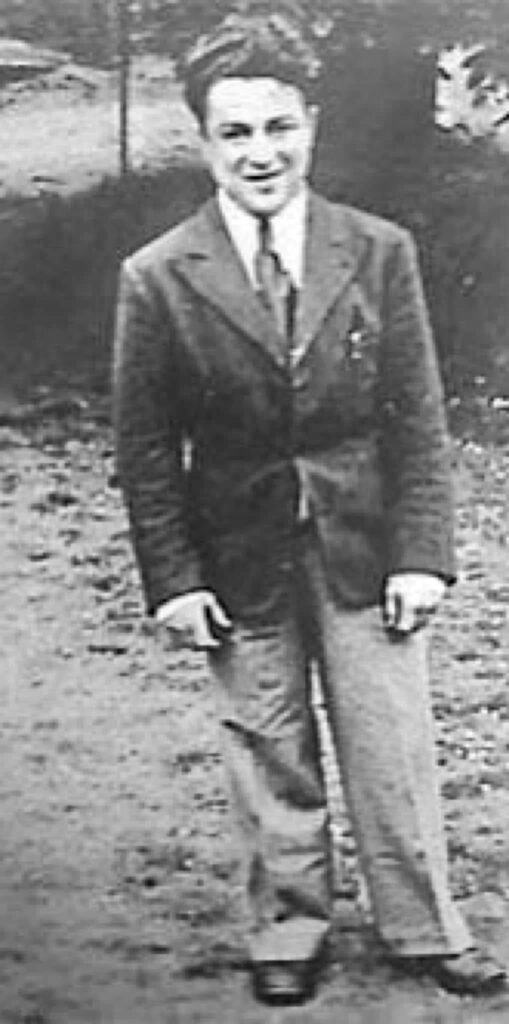
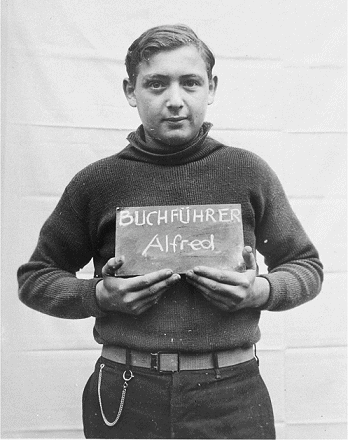
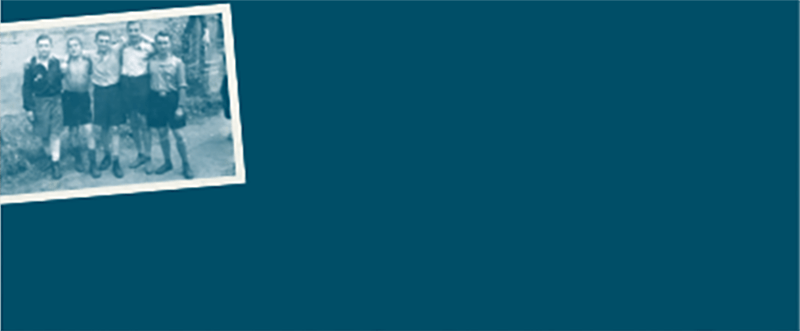
Two of the Boys held in the ghetto, both pictured after the liberation.
Deportations & Liquidation
The first deportation from the Dukla Ghetto took place in June 1942, when approximately 400 Jews were sent to forced labour camps. Many did not survive the harsh conditions.
The final liquidation occurred in August 1942. German forces, assisted by local auxiliary police, entered the ghetto at dawn. Those attempting to hide were executed in the streets or taken to nearby mass graves for immediate execution. The majority of those remaining in the ghetto were taken to Bełżec extermination camp, where they were killed upon arrival. A small number of Jews, primarily skilled labourers, were sent to forced labour camps instead.
A small number of individuals managed to escape into the forests, seeking refuge with partisans or sympathetic families. However, many were later captured and executed by German patrols or local collaborators.
Memorialisation
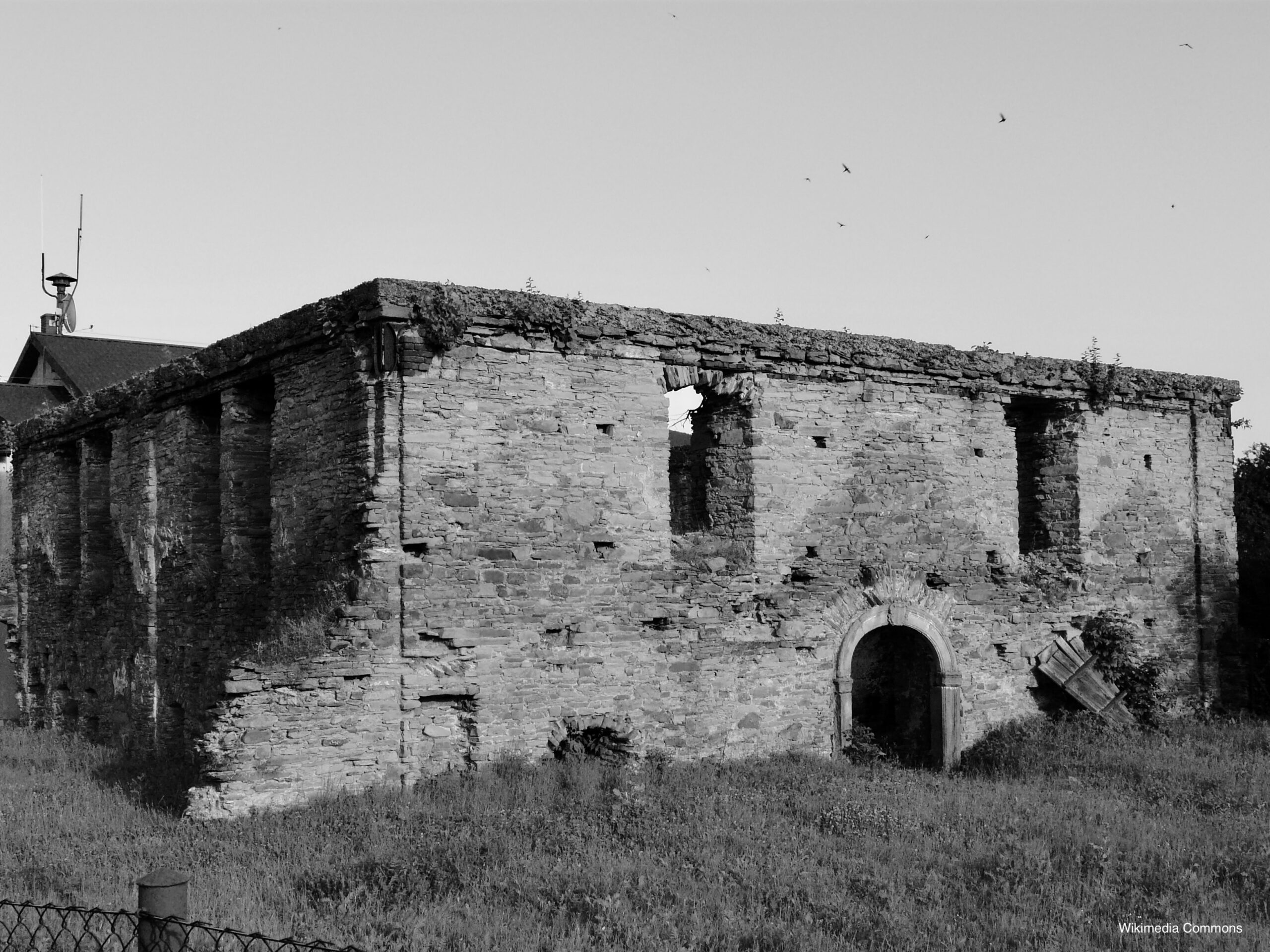
Today, the history of the Dukla Ghetto is commemorated by a memorial at the site of the town’s Jewish cemetery.
 About
About History
 Education
 Quilts
 FIlms
FIlms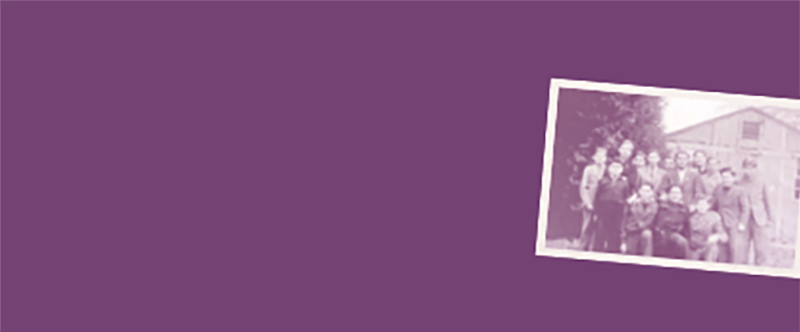 Photos
 News Media & Events
 Publications
 Donate