Members of the Boys were imprisoned in a network of ghettos by the Nazis across eastern Europe between 1939-45.
The Boys were teenage and child-Holocaust survivors, who were brought to the UK after the war for rest and rehabilitation.
The Boys and their families were forced to move from their homes and were held in ghettos in Nazi controlled Czechoslovakia, Latvia, Lithuania and Poland, where they spent years living in dire conditions. The ghettos were not designed for the vast numbers of people forced to find space to live within them. As a result, multiple families shared cramped and insanitary accommodation.
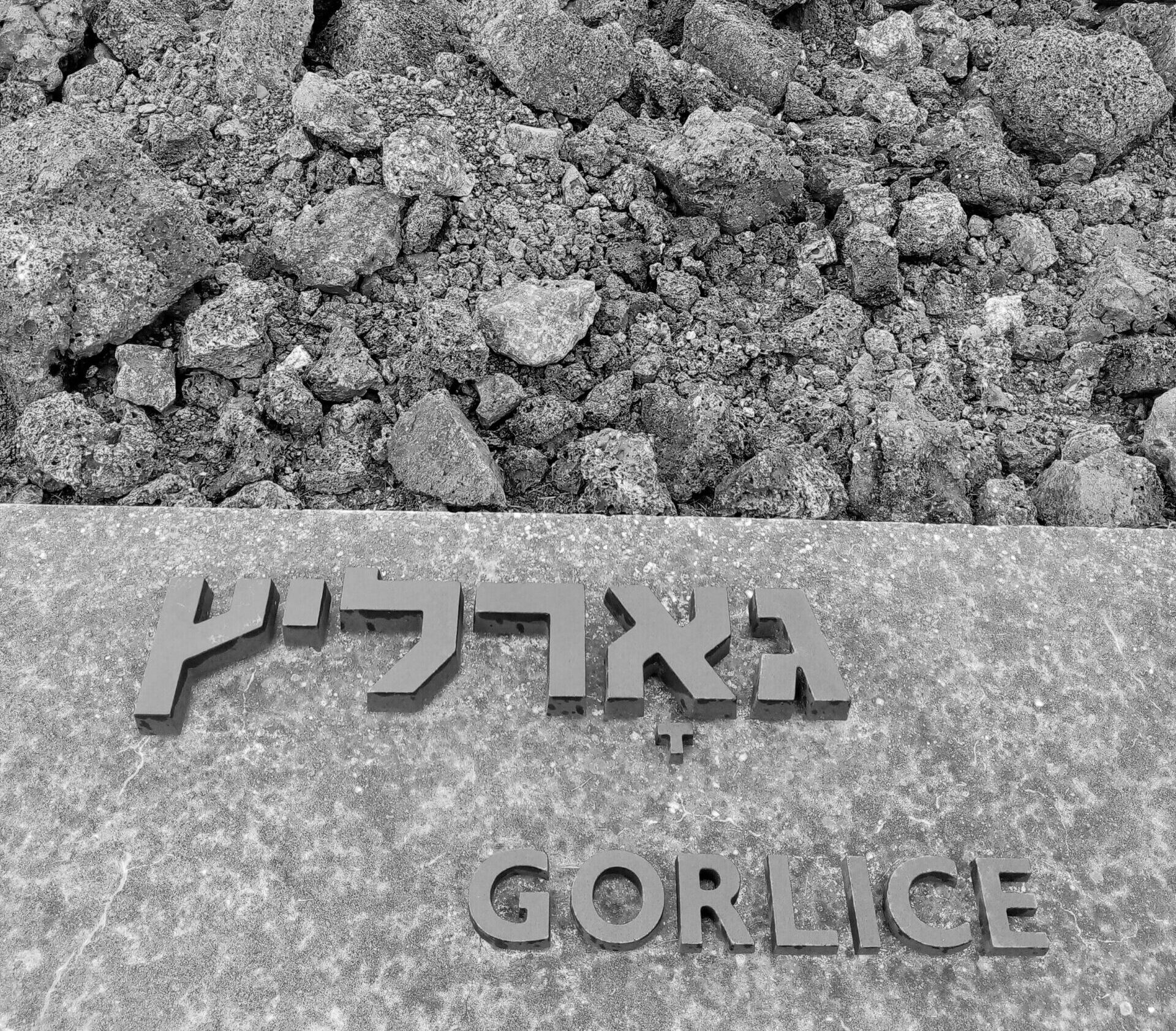
Gorlice memorial at Bełżec Memorial and Museum.
Overview
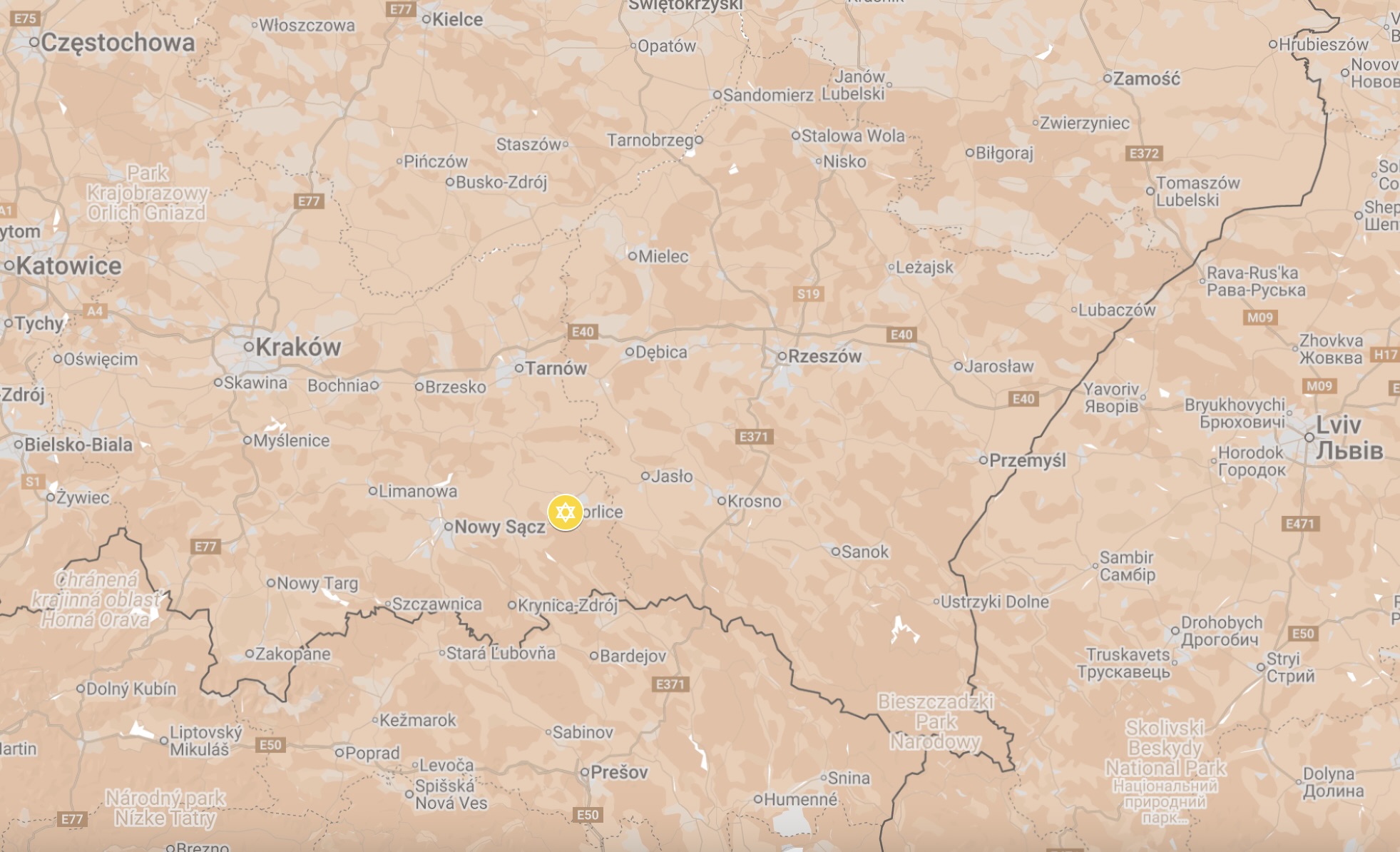
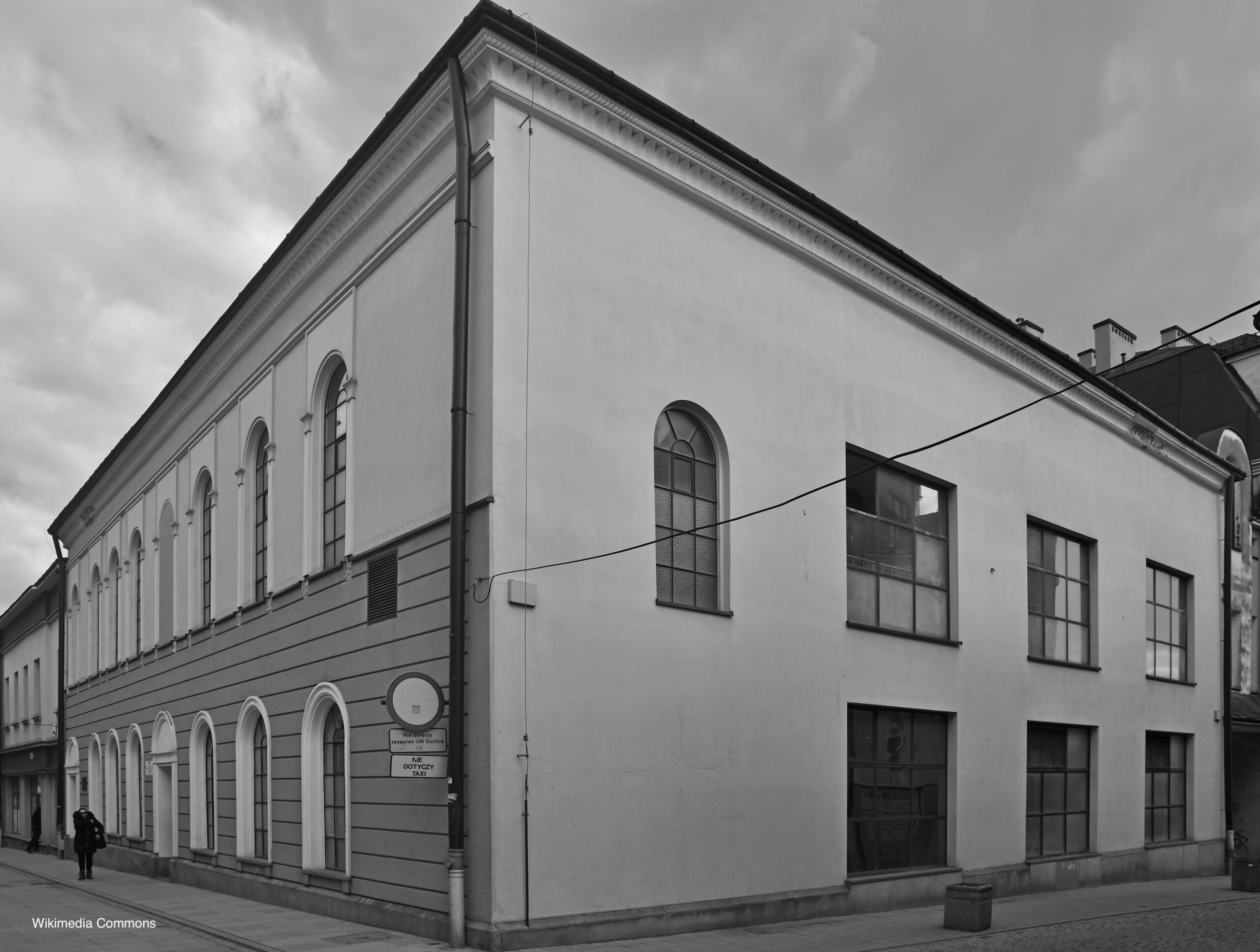
The Germans occupied the city of Gorlice in south-eastern Poland on September 7, 1939. The ghetto was established in 1941.
The ghettos were the only places, besides labour camps, where Jews were allowed to live by the Nazi occupation authorities.
Layout
The ghetto consisted of two separate parts – Dworzysko and Garbarnia – located south of the town square. The former was located within the modern streets: Mickiewicza, Nadbrzeżna, Stroma and Strażacka. It was separated from the part called Garbarnia, located between Nadbrzeżna, Legionów, Rzeźnicza and Ogrodowa streets by Mickiewicza Street, which remained open to non-Jewish passers-by. At that time, the Jewish community in the Gorlice Ghetto numbered around 3,500 people, a number that grew due to the incoming refugees.
The ghetto was guarded by Ukrainian and later Polish police, supervised by the Gestapo and the gendarmerie. Some of the blue policemen were also members of the Home Army and helped smuggle food into the ghetto.
The ghetto was very overcrowded and there was a shortage of food and clothing.
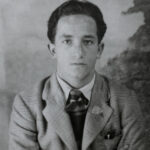
Harry Balsam in 1946.
“One day I was walking with my older brother in the town. I am convinced that a Polish pupil from his class recognised him as a Jew and told the Gestapo that there was a Jew walking in the town. The Gestapo came over to us and put a hand on my brother’s shoulder took out his gun and shot him in front of me and he told me to disappear.
Well you can imagine that must have been the worst hour of my life. I didn’t know where to turn. I knew I couldn’t go home and tell my mother what had happened to her son, so I ran to our cousins house nearby and told them what had taken place. It was an agonising moment for all of us … it still remains in my mind that this was the first time that I saw a German Gestapo pull out a gun and shoot somebody … The worse was still to come as we had heard that the Gestapo, after shooting someone in the day, didn’t want to leave any trace of anyone from that particular family, so they used to come at night and take the whole family out and shoot them as well so that there would not be anybody left to bear witness. Actually we were fortunate, because a friend of my older brother was working for the Gestapo as a liason between them and the Jews, and he managed to persuade the Gestapo to leave us alone. We were very lucky as we would have almost certainly been massacred. The year was 1940.”
Liquidation
On 22 July 1942, the German authorities ordered all Jewish men to gather in the market square, where a selection was carried out. As a result, about 300 people were sent to forced labor camps in Kraków-Płaszów, as well as to Pustków and Frysztak. At the same time, a demand for payment of a contribution was made. When the Jews did not pay the required amount, the Nazis broke into their homes, confiscating their property, money and valuables.
Deportations to the Bełżec extermination camp began in August.
The ghetto was officially dissolved on 14 September 1942, when 2,500 were taken to the Bełżec extermination camp.
Memorialisation
A memorial was inaugurated in 2015. For more information on Gorlice click here.
 About
About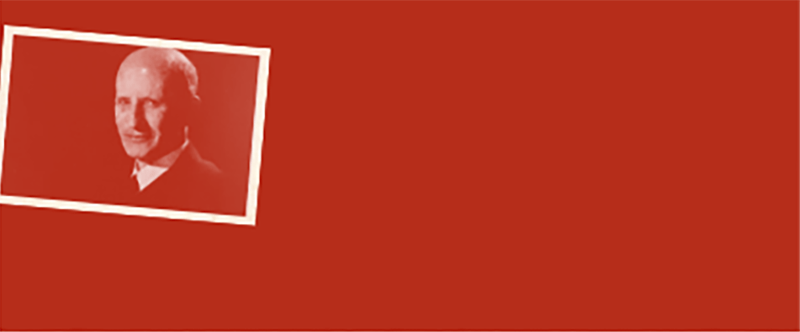 History
 Education
 Quilts
 FIlms
FIlms Photos
 News Media & Events
 Publications
 Donate