Members of the Boys were imprisoned in the Hrubieszów Ghetto.
The Hrubieszów Ghetto was one of a network of ghettos set up by Nazi Germany in which Jews were forced to live in occupied Poland. As with other ghettos in Czechoslovakia, Latvia, Lithuania and Poland, the Hrubieszów Ghetto was established to contain the region’s Jews and isolate them from the rest of the population until the Nazi leadership could decide on an answer to the so-called “Jewish Question.”
The Boys and their families spent years living in dire conditions. The ghettos were not designed for the vast numbers of people forced to find space to live within them. As a result, multiple families shared cramped and insanitary accommodation.
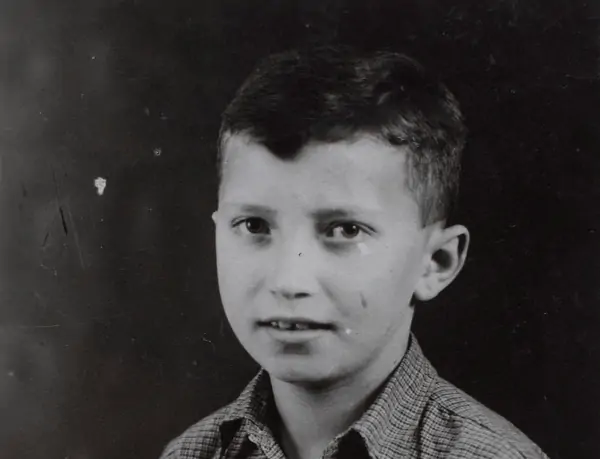
The Boys were teenage and child-Holocaust survivors, who were brought to the UK after the war for rest and rehabilitation.
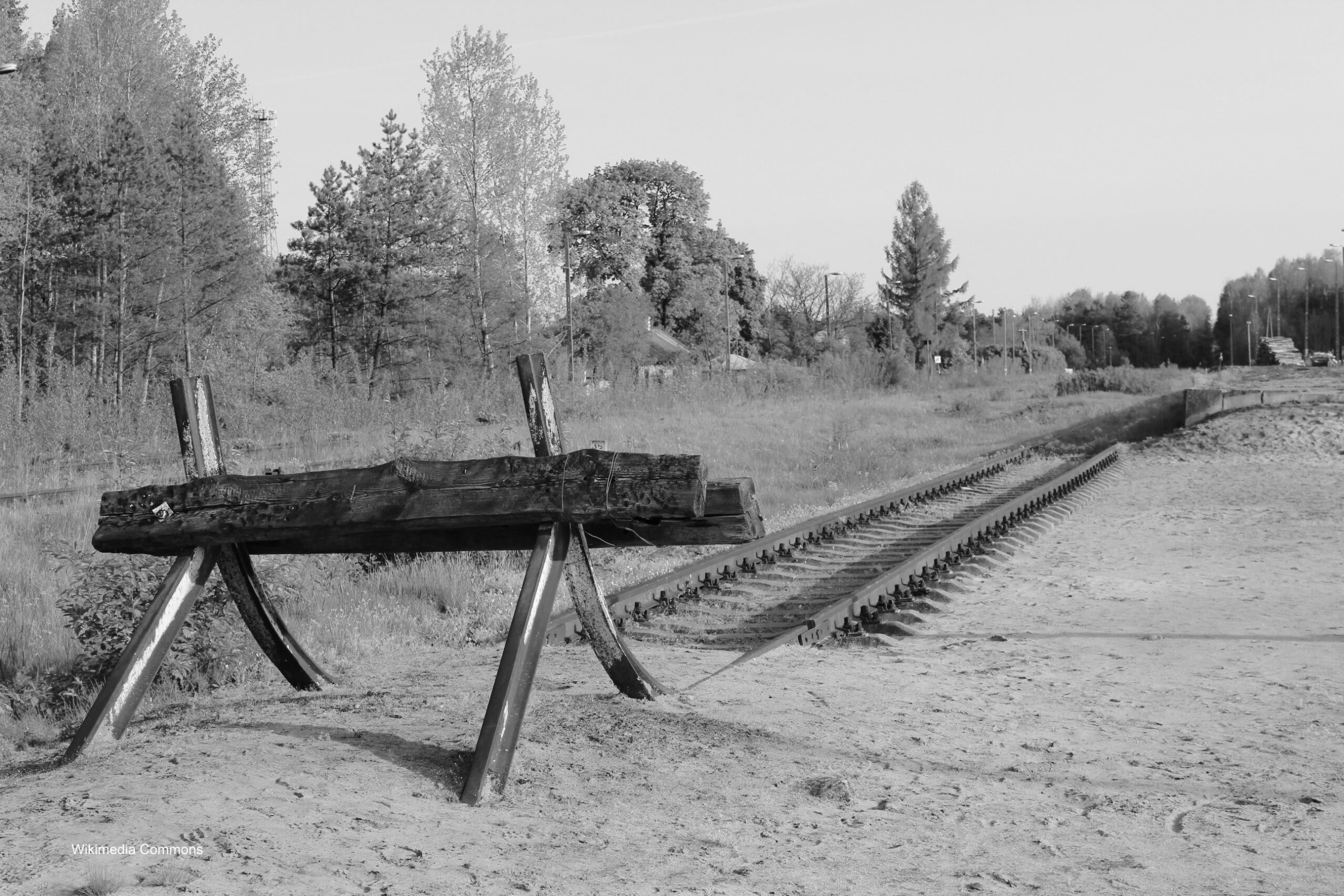
Sobibór extermination camp
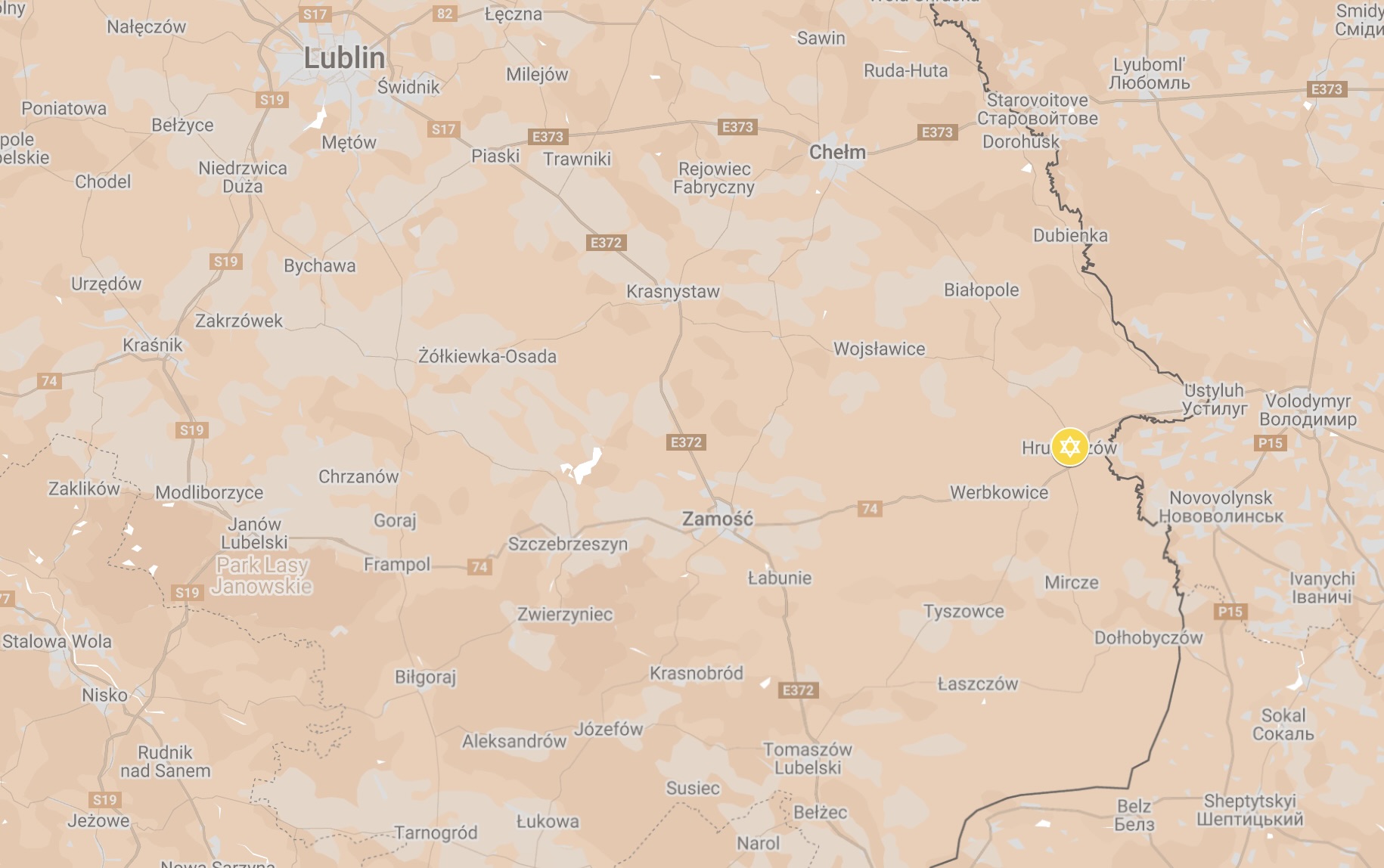
Hrubieszów Ghetto was established on 15 June 1940. Jews from the surrounding areas were resettled in the ghetto in 1942, as well as Jews from Kraków, Warsaw, Grudziądz, Kalisz and Łódź . The population then reached 10,000. To find out more about Hrubieszów and the surrounding region as qwell as the stories of the Boys who grew up there click here.
Structure
The ghetto included Ludna, Jatkowa and Rynek streets. Initially, the ghetto was open, but leaving the ghetto carried a penalty of death.
Jewish Resistance
Members of Zionist organisations such as Dror or Betar were in contact with cells in the Warsaw Ghetto.
Dissolution
The liquidation of the ghetto began on 1-10 June 1942. On June 1, the Judenrat (Jewish council) was ordered to gather the ghetto residents who were not registered as skilled workers. When it became clear that not all of them had shown up at the assembly point, the German authorities used the Polish gendarmerie, Jewish police and a group of men from the Trawniki SS training camp to gather a larger group of Jews, who were then led to the awaiting trains.
By June 10, over 5,000 Jews had been deported to the Sobibór extermination camp, where they were murdered in gas chambers.
After 10 June 1942 in a raid on capture those in hiding, hundreds more Jews were killed in a mass shooting in the Jewish cemetery.
On 15 June 1942, the area of the ghetto was reduced to Metalowa Street, Nowy Rynek and the alleys leading to the Jewish cemetery.
In October 1942, Jews from Grabowiec and Uchanie were deported to the ghetto and on 22 October 1942, the second stage of liquidation began, during which about 3,000 people were deported to Sobibór. In November, about 500 ghetto inhabitants who had managed to hide before the deportations were shot.
Aftermath
About 200 surviving Jews were employed to clean up the ghetto, sorting abandoned property and burying the dead. In May 1943, the remaining workers were deported to the labour camp in Budzyń.
 About
About History
 Education
 Quilts
 FIlms
FIlms Photos
 News Media & Events
 Publications
 Donate