Members Boys and their families were imprisoned in the Kisvárda Ghetto.
Kisvárda Ghetto was one of a network of ghettos set up by Nazi Germany after it invaded in Hungary in March 1944.
The Boys were teenage and child-Holocaust survivors, who were brought to the UK after the war for rest and rehabilitation.
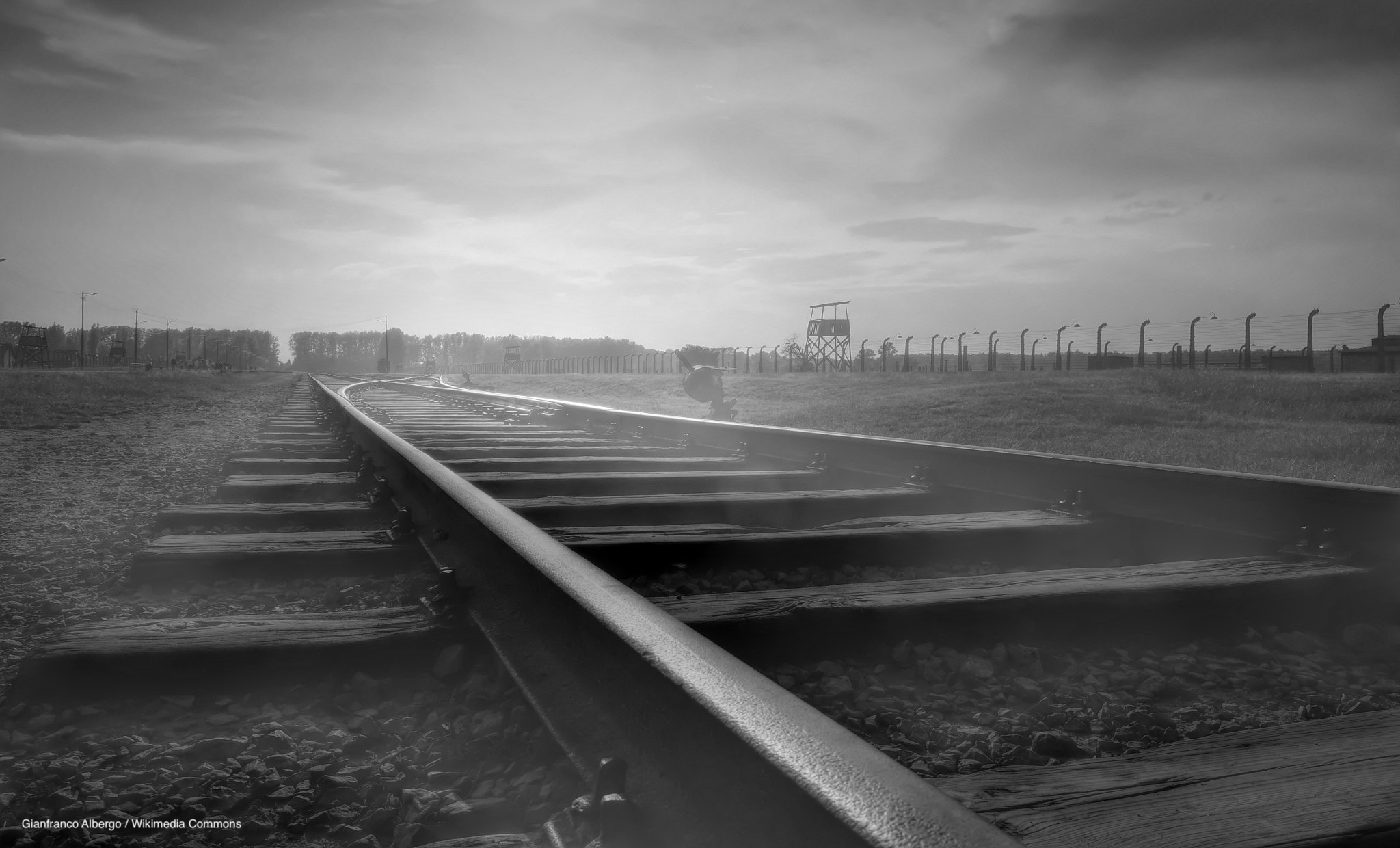
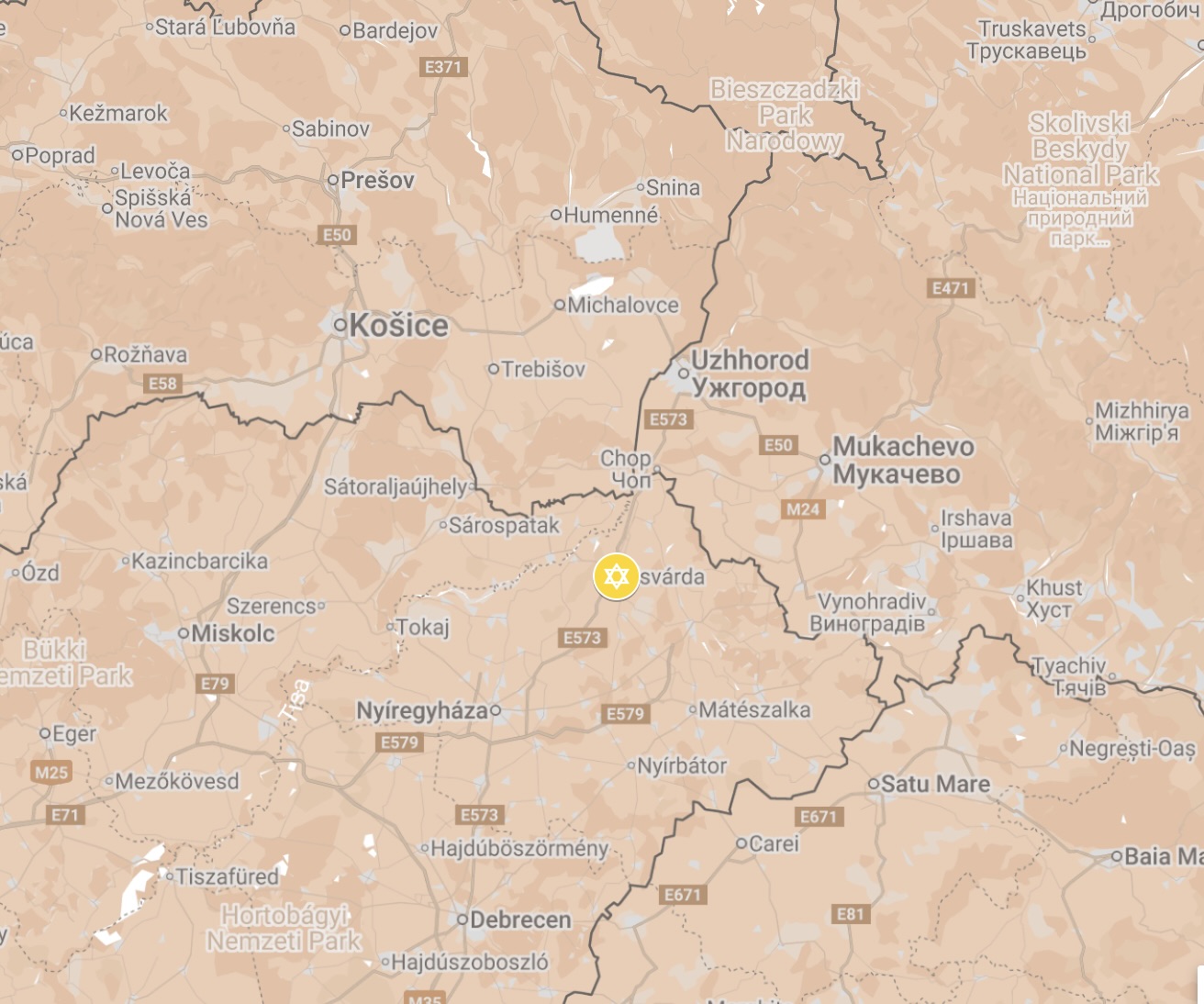
Kisvárda is a market town in north-eastern Hungary. To find out more about the history of the area and the Boys who came from there click here.
Overview
Kisvárda was home to a well-established Jewish community before World War II, with Jewish families making up a significant portion of the town’s population.
The ghettoisation of the Jews in Kisvárda began on 8 April 1944 with the transportation of the first group from the countryside into the town. The Jews of Kisvárda proper who lived outside the ghetto were moved into it between 15 April and 30 April. A total of 7,000 Jews were squeezed into the small ghetto.
Life in the ghetto
Hungarian authorities appointed a local Judenrat (Jewish Council), which was responsible for managing limited rations, and attempting to maintain order. Religious and cultural life continued, with secret gatherings for prayer and education.
Deportation
On 25 and 27 May, the Jews were deported to the Auschwitz II-Birkenau concentration and extermination camp. Approximately 7,000 individuals — including those from nearby towns and villages — were transported in three transports. On arrival, most were murdered in the gas chambers.
Aftermath
A few hundred survivors returned to Kisvárda after the war, but many of them left during the 1956 Hungarian Uprising.
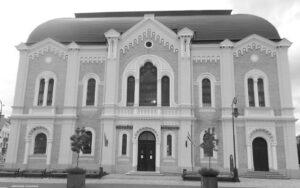
Former Orthodox synagogue
Memorialisation
Today, the former Jewish community of Kisvárda is commemorated by a memorial plaque and a restored synagogue, which now serves as a cultural centre.
To find out more about visiting Kisvárda and the surrounding region click here.
 About
About History
 Education
 Quilts
 FIlms
FIlms Photos
 News Media & Events
 Publications
 Donate