Members Boys and their families were imprisoned in the Košice Ghetto.
Košice Ghetto was one of a network of ghettos set up by Nazi Germany after it invaded in Hungary in March 1944.
The Boys were teenage and child-Holocaust survivors, who were brought to the UK after the war for rest and rehabilitation.
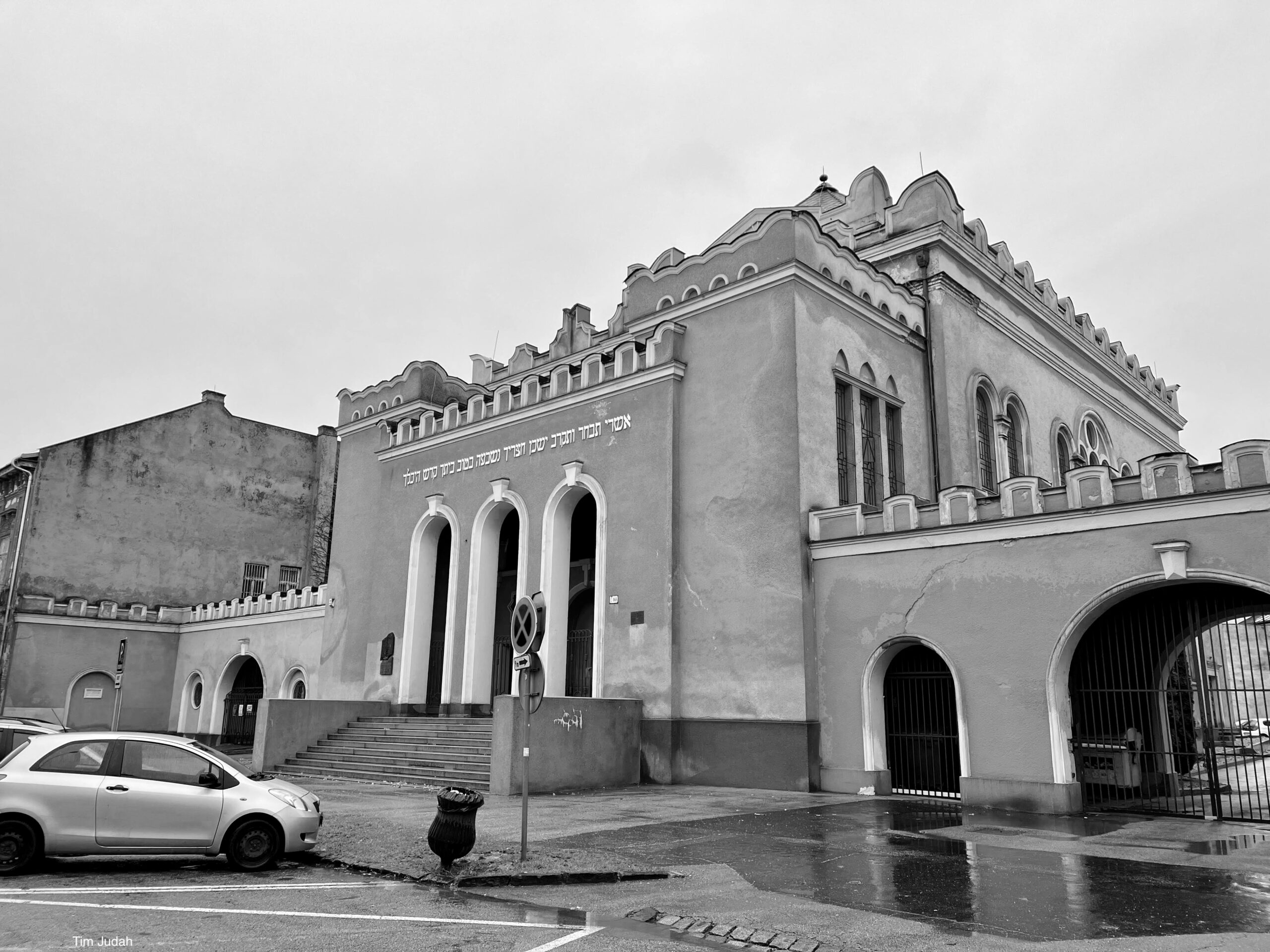
Jewish Community Museum, Košice, Slovakia.
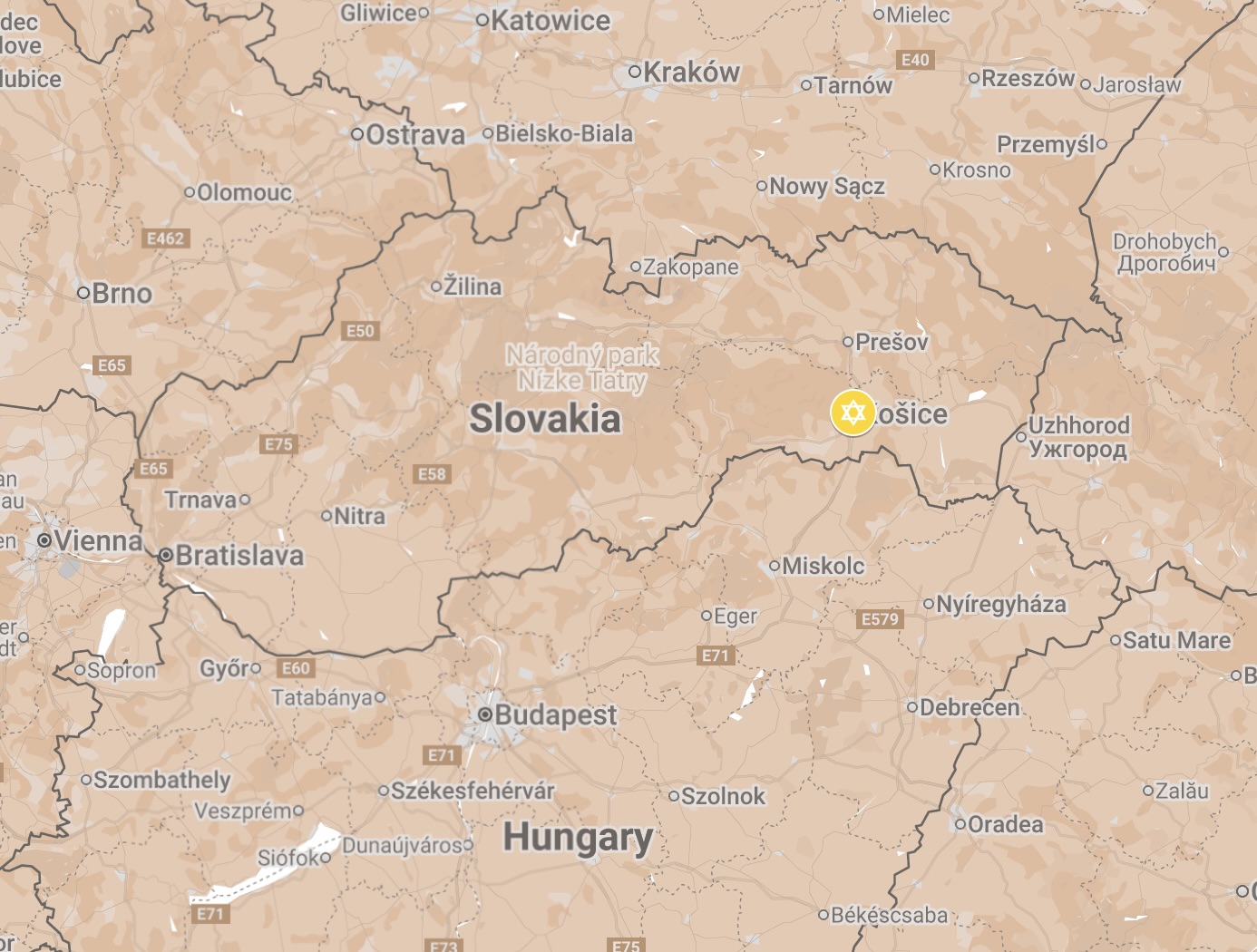
Košice, the largest city in eastern Slovakia, had a thriving Jewish community of over 11,000 individuals before World War II. In the interwar period it was part of the state of Czechoslovakia. To find out more about Košice click here.
Czechoslovakia was ceded to Hungary in the First Vienna Award from 1938 until early 1945.
Overview
In March 1944, the German army invaded Hungary, and within a month, Jews in Košice, including those in the local brickworks, were forced into the town’s ghetto located in the brickworks on the outskirts of Košice. The ghetto encompassed the area around Pushkinova Street, near the city’s railway station
While waiting to be deported, roughly 12,000 Jews were interred in an old brickyard.
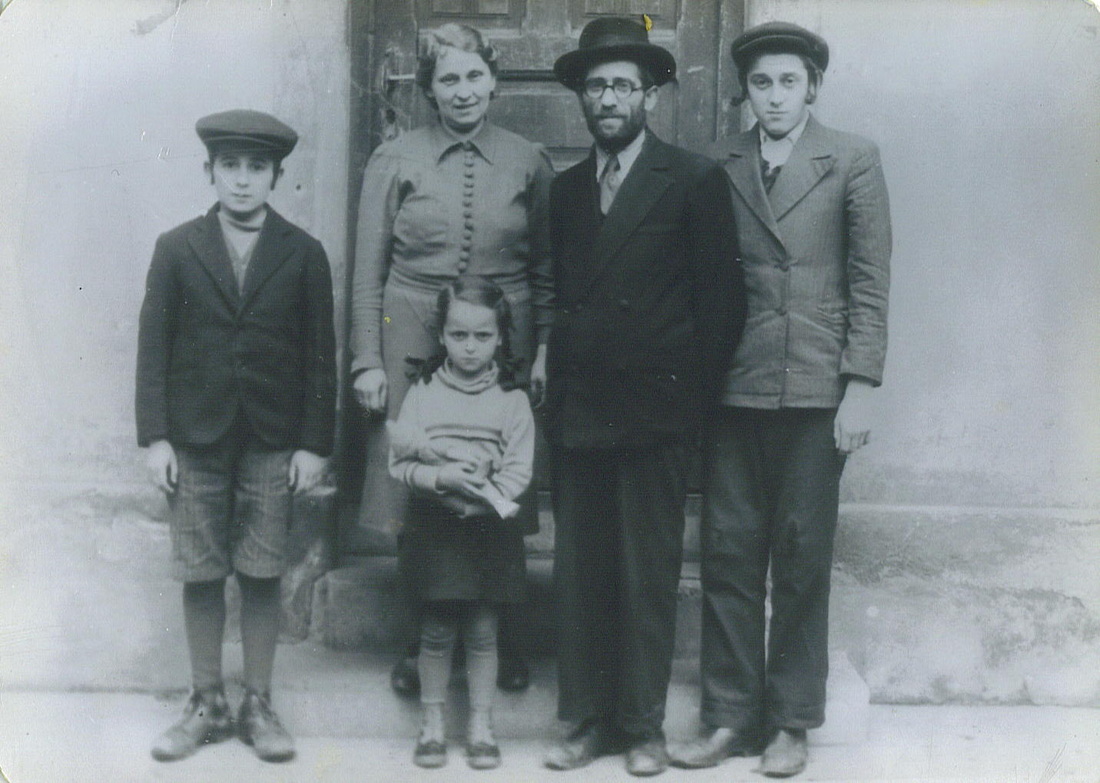
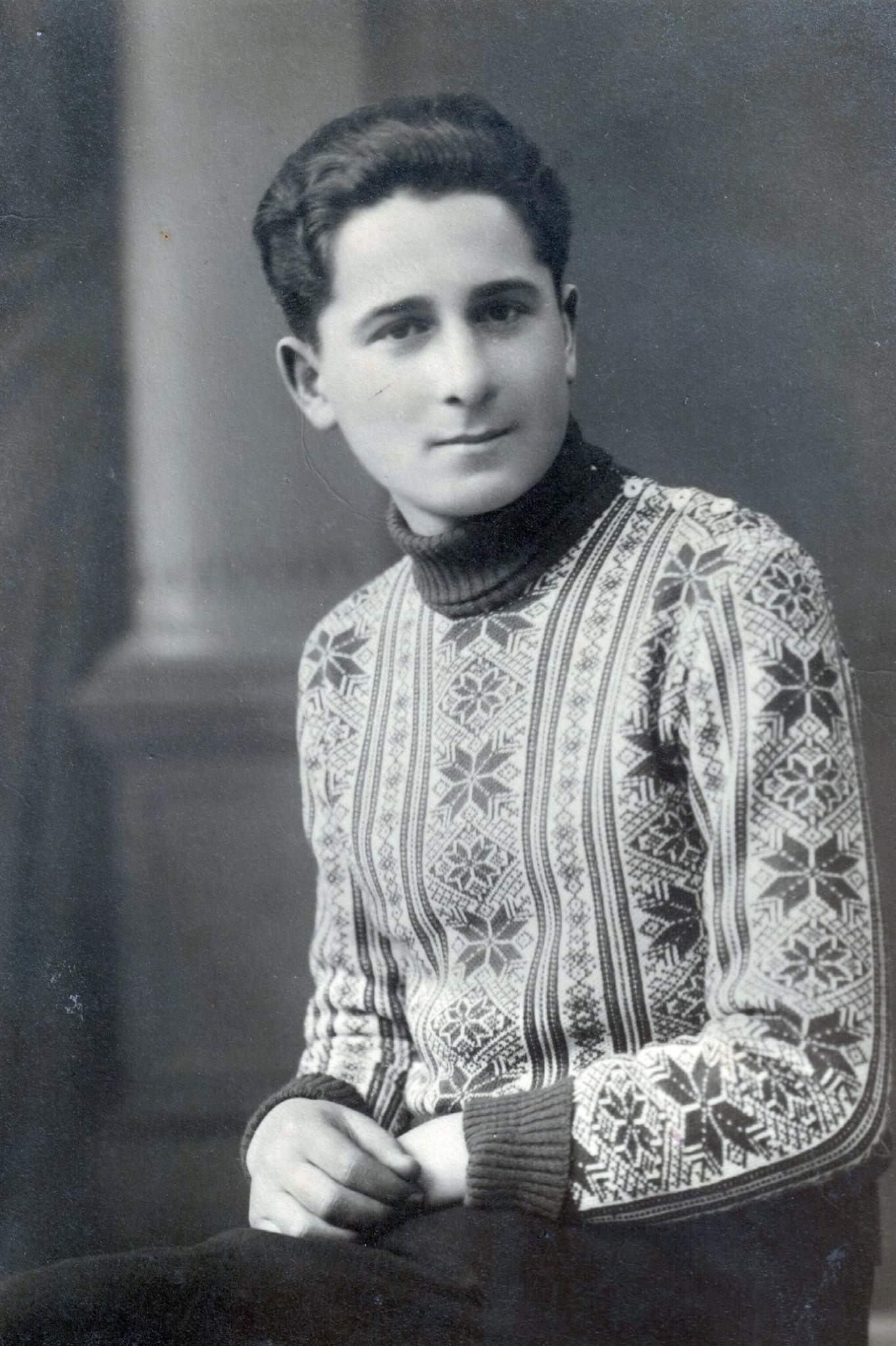
The Friedman family were imprisoned in the Košice Ghetto.
Deportation
The deportation of Jews from Košice and surrounding areas began in May 1944, with the majority being sent to Auschwitz II-Birkenau concentration and extermination camp. Between 16 May and 3 June 1944, approximately 12,000 Jews were deported from Košice in four transports to Auschwitz. Among the victims were members of the distinguished Löw family, including Rabbi Moshe Löw, a respected spiritual leader in the region.
Memorialisation
Today Košice is home to a Jewish Community Museum, located in the restored synagogue on Zvonárska Street. Several memorial plaques commemorate the victims, including a major Holocaust monument near the site of the former ghetto. For more information on visiting Košice click here.
 About
About History
 Education
 Quilts
 FIlms
FIlms Photos
 News Media & Events
 Publications
 Donate