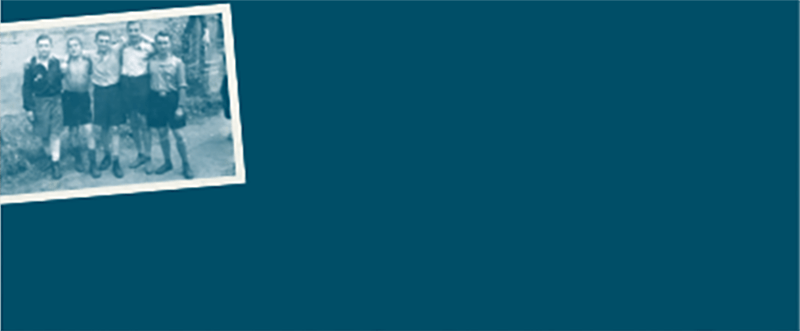
Members of the Boys were imprisoned in the Kovno Ghetto.
As with other ghettos in Czechoslovakia, Latvia, Lithuania and Poland, the Kovno Ghetto was established to contain the region’s Jews and isolate them from the rest of the population until the Nazi leadership could decide on an answer to the so-called “Jewish Question.
The Boys and their families spent years living in dire conditions. The ghettos were not designed for the vast numbers of people forced to find space to live within them. As a result, multiple families shared cramped and insanitary accommodation.
The Boys were teenage and child-Holocaust survivors, who were brought to the UK after the war for rest and rehabilitation.
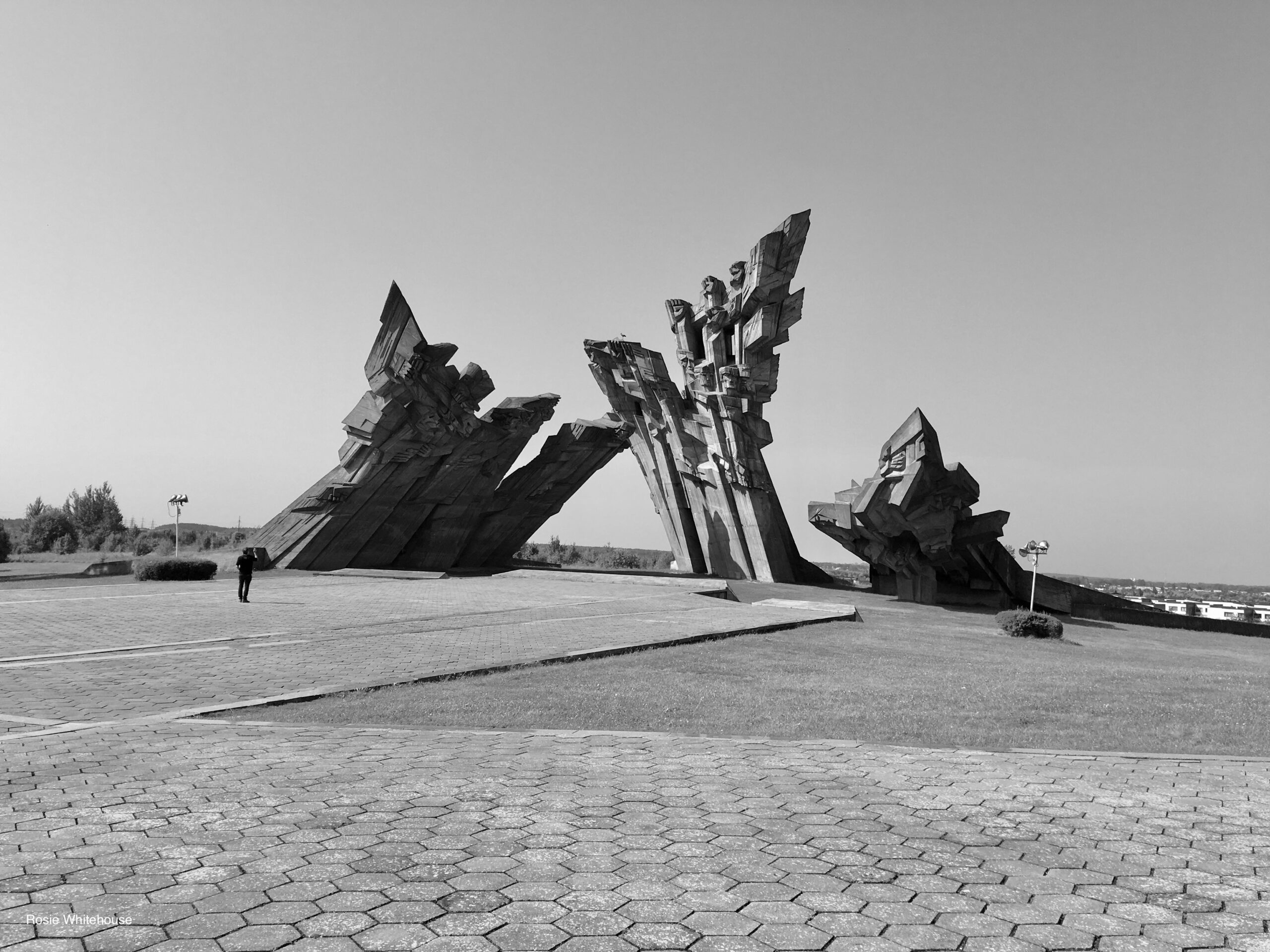
Ninth Fort, Kaunas, Lithuania.
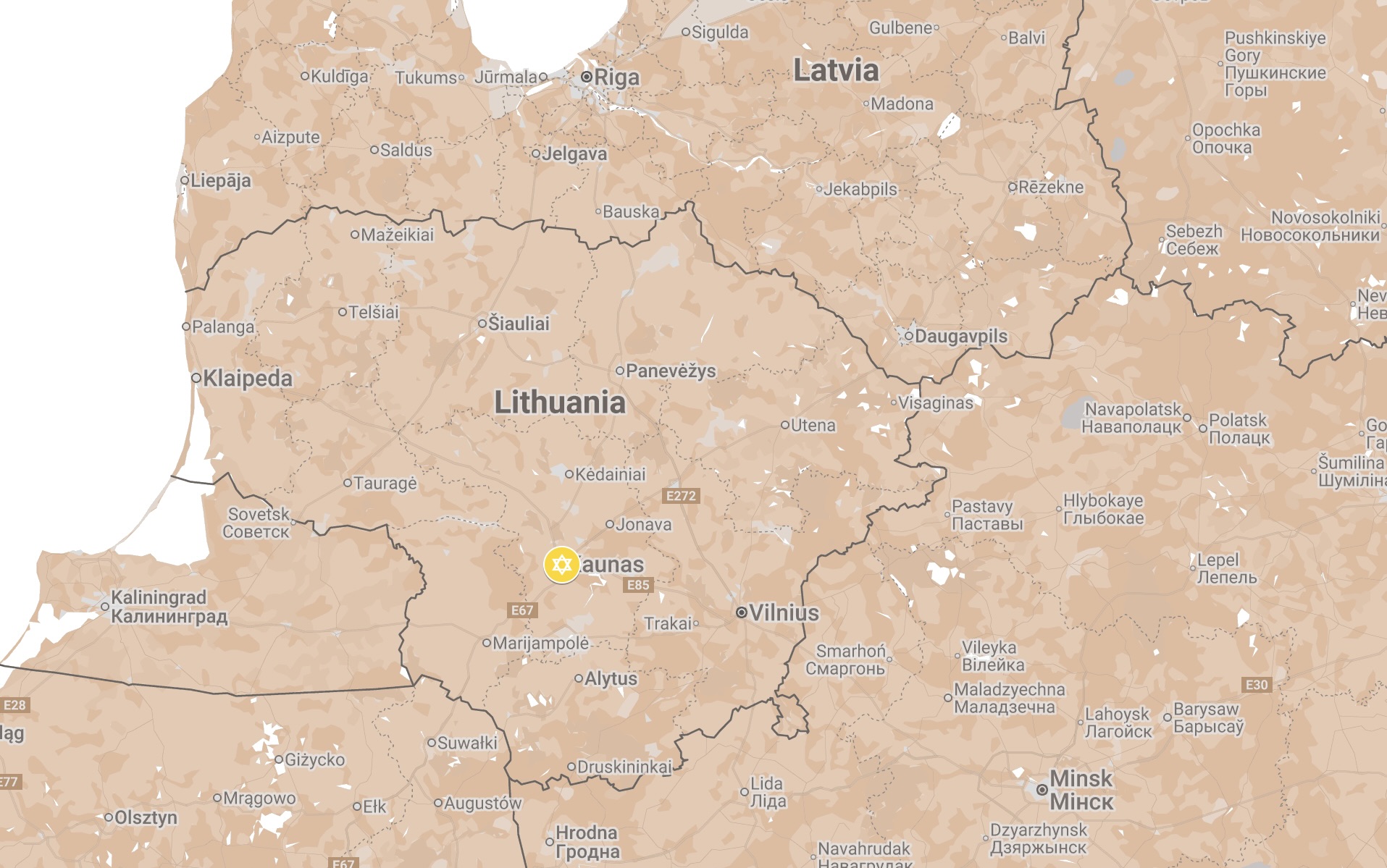
Kaunas, Lithuania’s second city is 103km northwest of Vilnius.
Known in Yiddish as Kovne, or Kovno in Polish, it was an important centre of Jewish culture. In the interwar period the city was the capital of independent Lithuania. Its 32,000 Jews made up a quarter of the population.
Overview
The Germans entered Kaunas on 24 June 1941. A few days later, on 27 June, violence broke out at the Lietūkis Garage (Miško 11), where several dozen Jews were beaten to death by Lithuanians with crowbars.
Over 30,000 people were detained in the Kovno Ghetto in July and August 1941.
Layout
The ghetto was established in Vilijampolė (Slabodka). It was an area of small primitive houses and no running water. Initially, the ghetto had two parts, called the ‘small’ and ‘large’ ghetto, separated by Paneriai Street and connected by a small wooden bridge over the street. Each ghetto was enclosed by barbed wire and closely guarded. Both were overcrowded, with each person allocated less than ten square feet of living space.
Daily Life
From 1942 births were not permitted in the ghetto and pregnant women faced death. Despite this, a number of babies were smuggled out of the ghetto in potato sacks and hidden in non-Jewish homes.
The ghetto in Kovno provided forced labour for the German military. Jews were employed primarily as forced labourers at various sites outside the ghetto, especially in the construction of a military airbase.
In the autumn of 1943, the SS assumed control of the ghetto and converted it into a concentration camp.
Mass Shootings
The Germans and Lithuanians destroyed the small ghetto on 4 October 1941, and killed almost all of its inhabitants at the Ninth Fort.
Later that same month, on 29 October 1941, the Germans staged what became known as the ‘Great Action’. They selected around 10,000 Jews, including 5,000 children, assessed as ‘unfit’ to work also at the Ninth Fort. In all 50,000 Jews would be shot in the fort.
Jewish Resistance
As an act of defiance an underground school was conducted in the Kovno Ghetto when such education was banned in 1942. The Kovno Ghetto also had several Jewish resistance groups who made contact with the partisans in the forests.
The Jewish community in Kovno documented its story in secret archives, diaries, drawings and photographs. Many of these artefacts were buried when the ghetto was destroyed and discovered after the war.
Liquidation
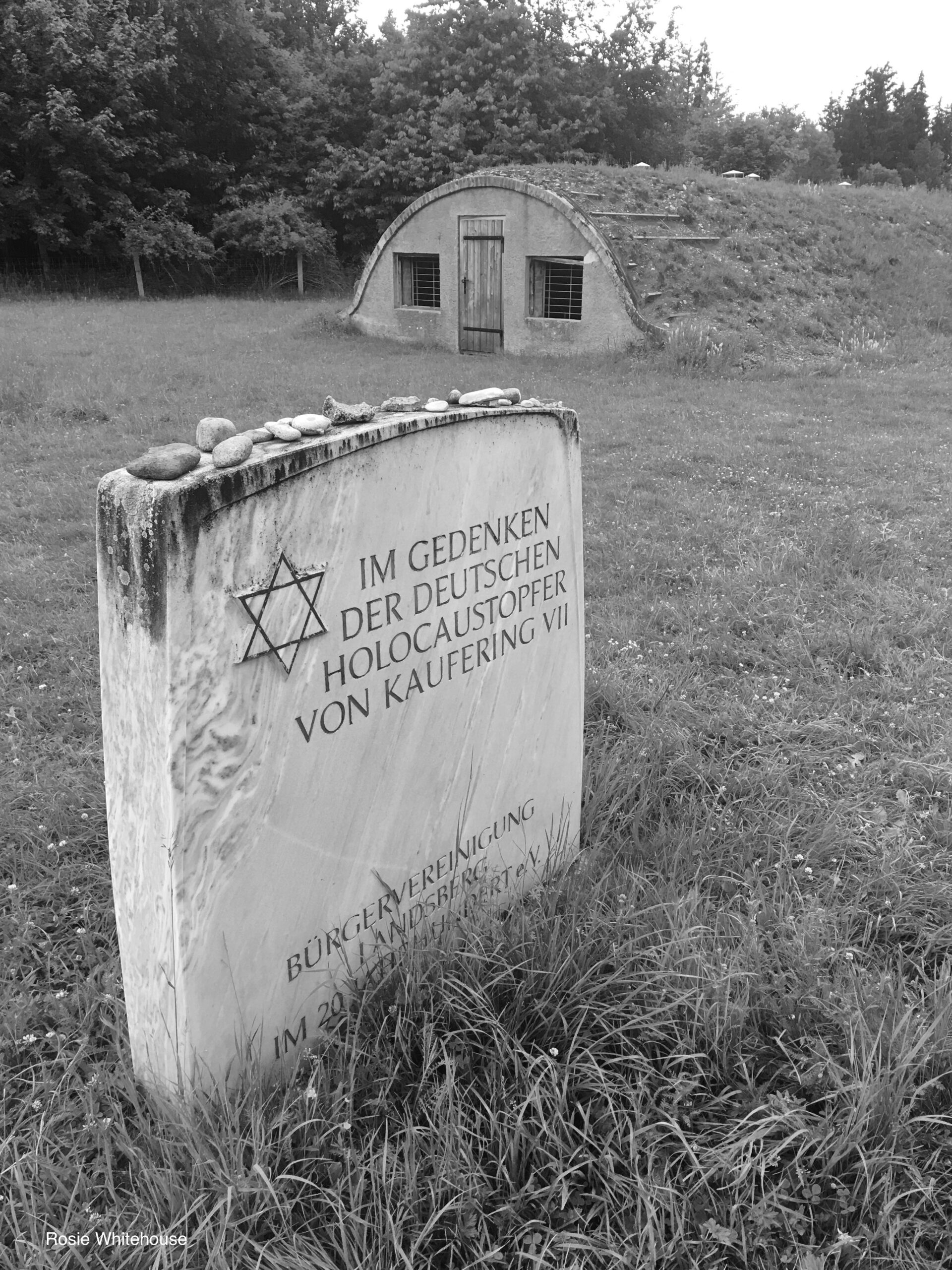
When the ghetto was liquidated in July 1944, survivors were taken to Stutthof concentration camp, where women and children were ordered off the train. The men were then transferred to the Kaufering subcamp of Dachau near Landsberg-am-Lech, where they would later play an important role in the Zionist revival in the displaced persons camps. To find out more about the concentration camps click here.
Memorialisation
The Ninth Fort is now a museum.
 About
About History
 Education
 Quilts
 FIlms
FIlms Photos
 News Media & Events
 Publications
 Donate