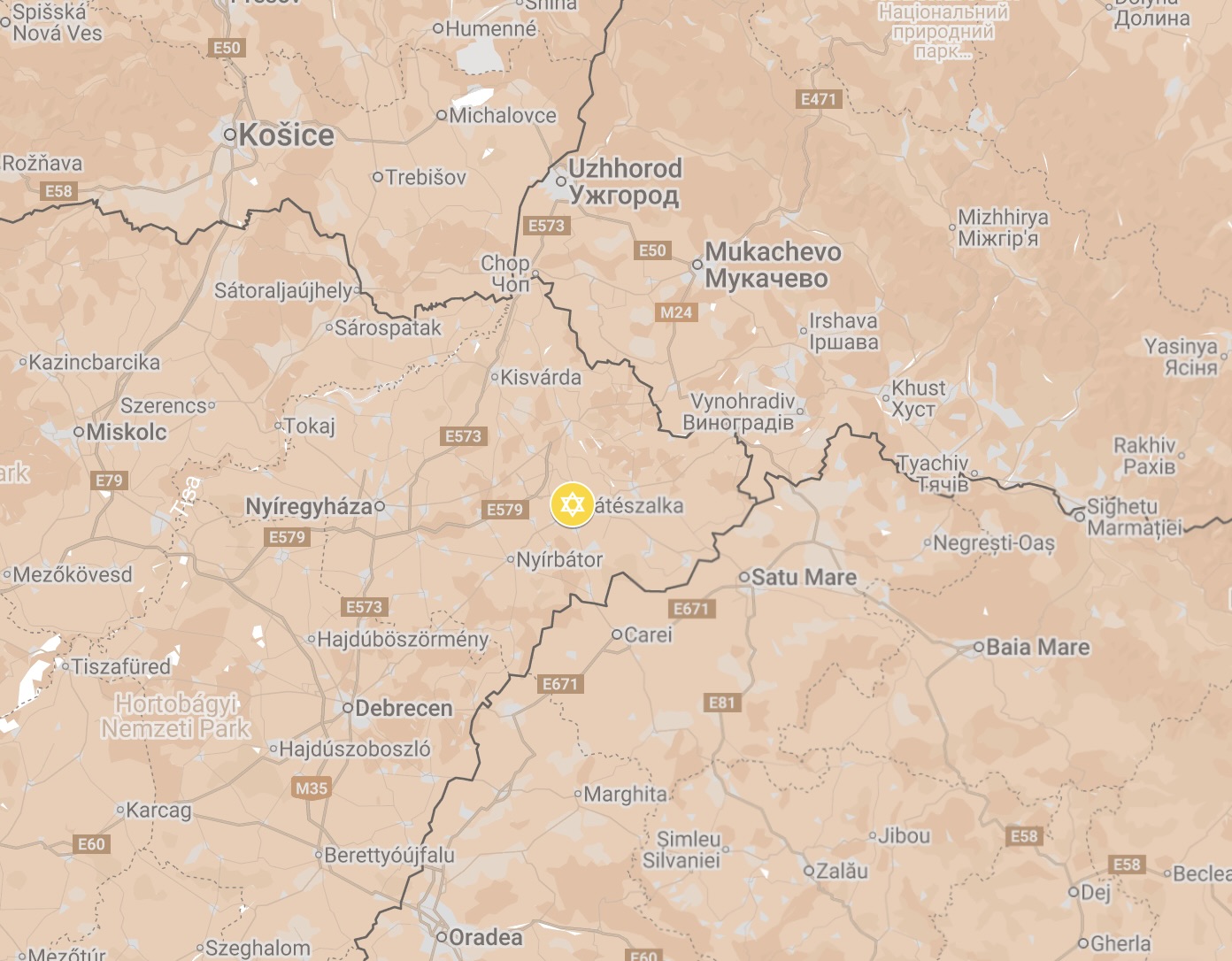
Members of the Boys were imprisoned in the Mátészalka Ghetto.
The Mátészalka Ghetto was one of a network of ghettos set up by Nazi Germany in Hungary after it was invaded by German forces in March 1944.
The Boys were teenage and child-Holocaust survivors, who were brought to the UK after the war for rest and rehabilitation.
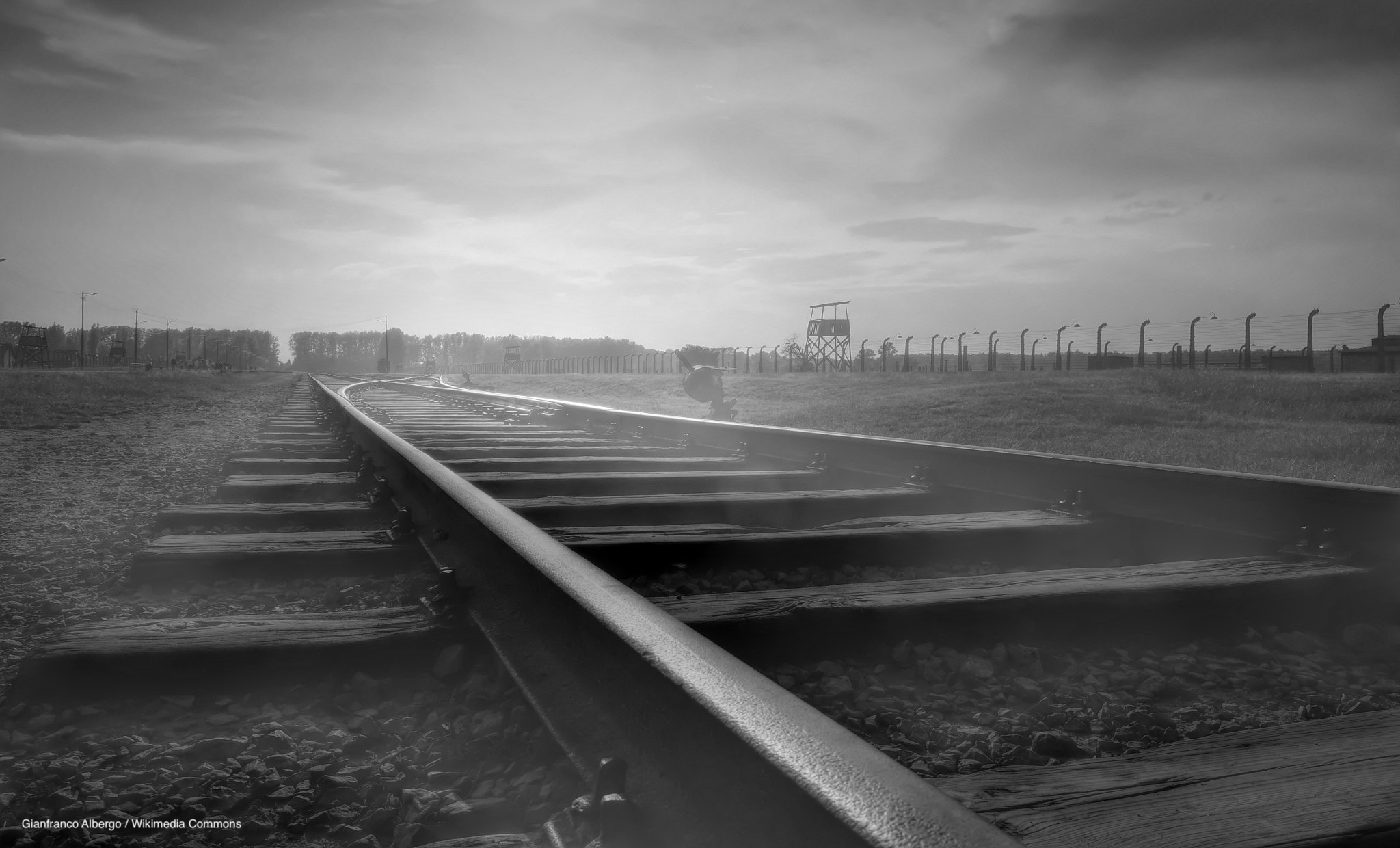
Memorial and Museum Auschwitz Birkenau, Poland.
Mátészalka is a town in Szabolcs-Szatmár-Bereg county, in the Northern Great Plain region of eastern Hungary.
Overview
The Mátészalka Ghetto was established in April 1944, following the German occupation of 19 March 1944. It served as a central ghetto for Jews from Szabolcs County, including those from Fehérgyarmat, Nyírbátor, Nagykálló, and surrounding villages as well as Jews from the Carpathian mountains. The ghetto reached a peak population of approximately 18,000 Jews.
Layout
The Mátészalka Ghetto was concentrated in the Jewish quarter of the town, where many Jewish families had lived before the war. Zsinagóga Street and Rákóczi Street were enclosed with fences and barbed wire, and guarded by Hungarian gendarmerie. Movement in and out of the ghetto was strictly prohibited, and curfews were heavily enforced.
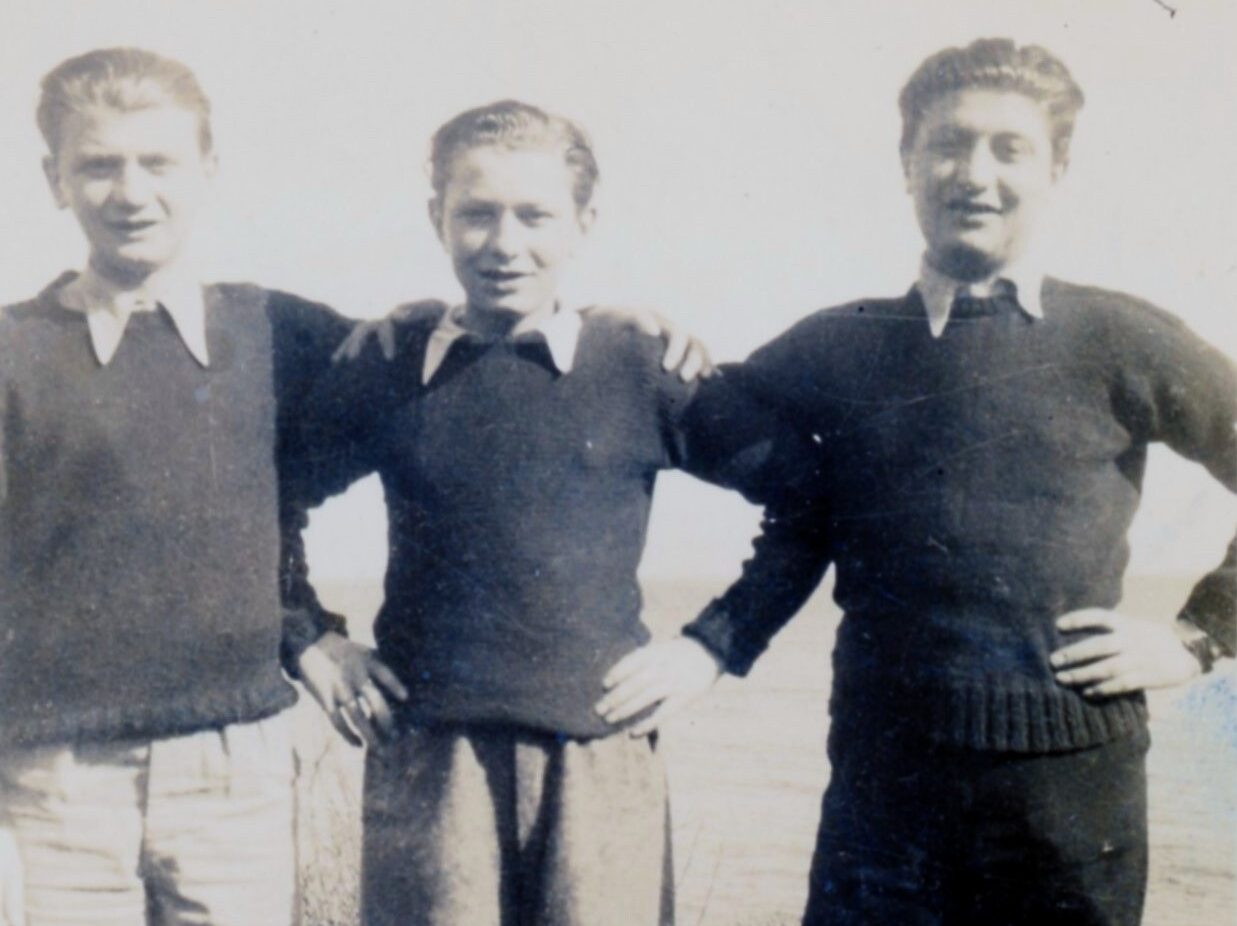
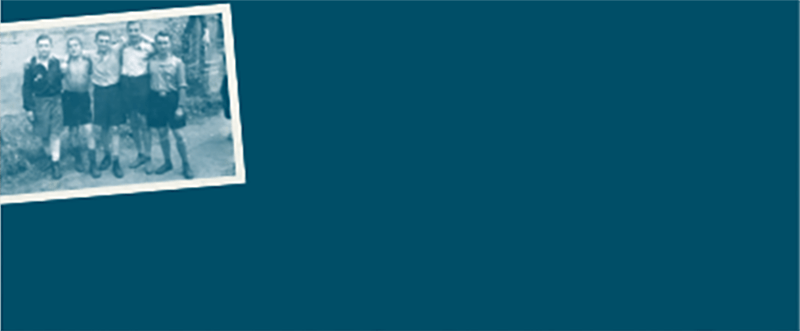
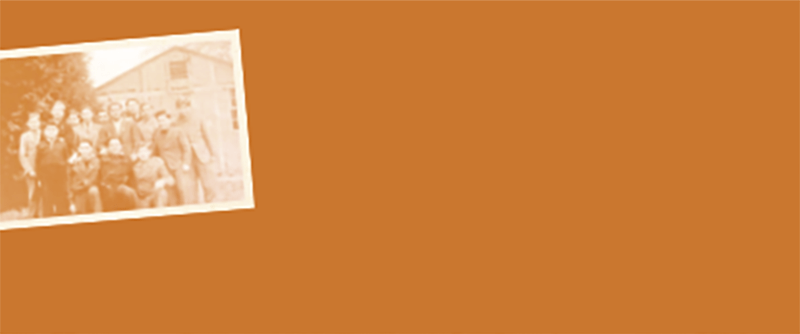
The Luger Brothers were held in the Mátészalka Ghetto. They are pictured in the Millisle hostel, c.1946.
Daily Life
Families were forced to share cramped spaces, often with multiple families per room. Sanitation was poor, leading to the rapid spread of typhus and dysentery.
Food rations were extremely limited, and many relied on bartering their last possessions for survival. Religious services continued in secret.
Deportations & Liquidation
The first deportation from Mátészalka took place in late May 1944. Over several transports between May and June, nearly the entire Jewish population of the ghetto was forced onto freight wagons bound for Auschwitz II-Birkenau concentration and extermination camp. The deportations were organised by the Hungarian gendarmerie and German SS.
Memorial and Museum Auschwitz Birkenau, Poland.
On arrival in Auschwitz, the majority of Mátészalka’s Jews were murdered in the gas chambers, while a small number were selected for slave labour. To find out more about Auschwitz click here.
Jewish Resistance
There was no known organised resistance in the Mátészalka Ghetto.
Memorialisation
Today, the history of the Mátészalka Ghetto is commemorated by memorial plaques at the former Jewish cemetery.
 About
About History
 Education
 Quilts
 FIlms
FIlms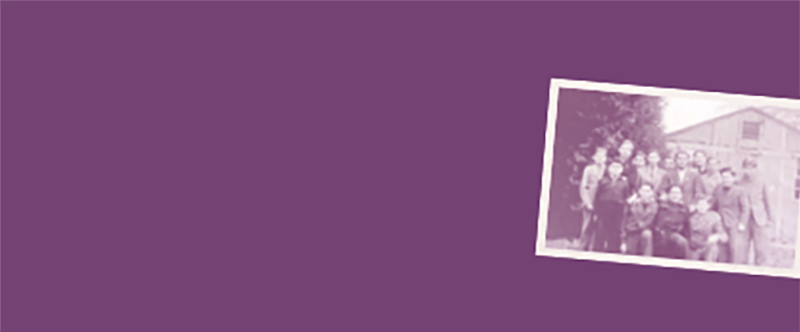 Photos
 News Media & Events
 Publications
 Donate