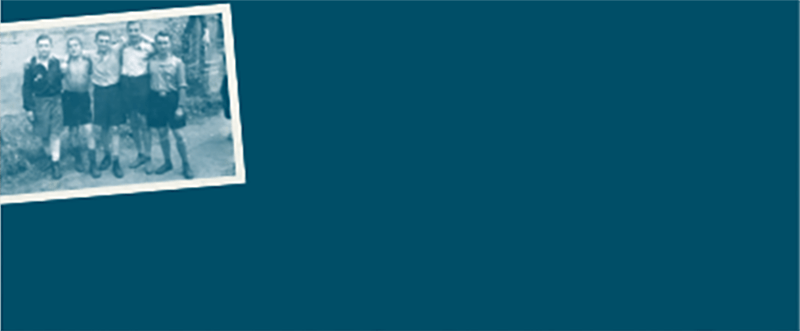
Members of the Boys were imprisoned in the Minsk Ghetto.
The Minsk Ghetto was one of a network of ghettos set up by Nazi Germany in which Jews were forced to live in occupied Poland. As with other ghettos in Czechoslovakia, Latvia, Lithuania and Poland, the Minsk Ghetto was established to contain the region’s Jews and isolate them from the rest of the population until the Nazi leadership could decide on an answer to the so-called “Jewish Question.”
The Boys and their families spent years living in dire conditions. The ghettos were not designed for the vast numbers of people forced to find space to live within them. As a result, multiple families shared cramped and insanitary accommodation.
The Boys were teenage and child-Holocaust survivors, who were brought to the UK after the war for rest and rehabilitation.
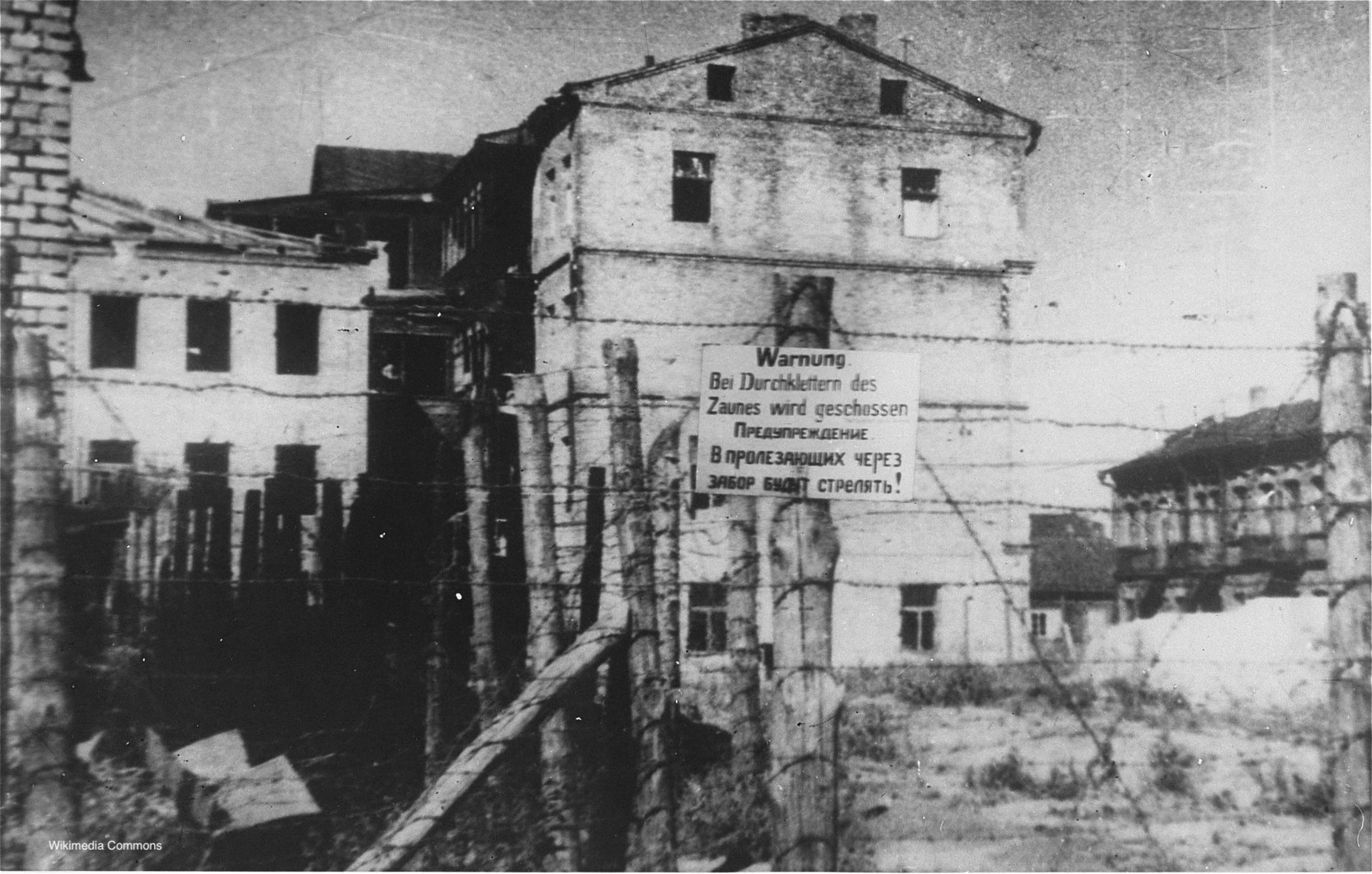
Minsk Ghetto 1941.
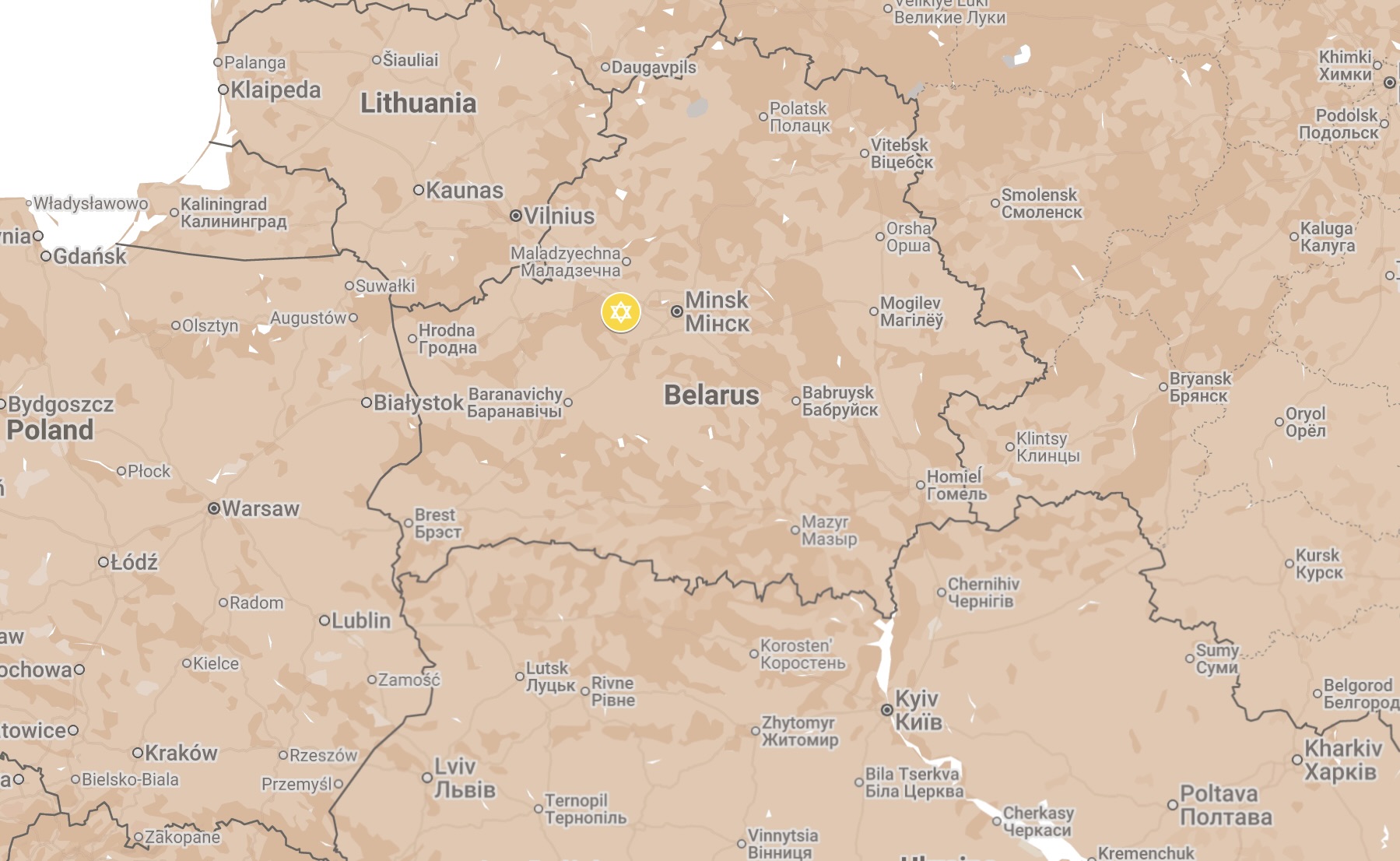
Minsk is today the capital and largest city of Belarus. To find out more about the history Minsk and the Boys who came from there click here.
Overview
The Minsk Ghetto was created on 28 June 1941, soon after the German invasion of the Soviet Union. It was the largest ghetto in the occupied Soviet Union. On the fifth day after the occupation, 2,000 Jewish intelligentsia were massacred by the Germans; from then on, murders of Jews became a common occurrence. About 20,000 Jews were murdered within the first few months of the German occupation, mostly by the Einsatzgruppen squads.
Layout
In November 1941 a second ghetto was established in Minsk for Jews deported from the Third Reich, known as the Hamburg Ghetto, which adjoined the main Minsk ghetto.
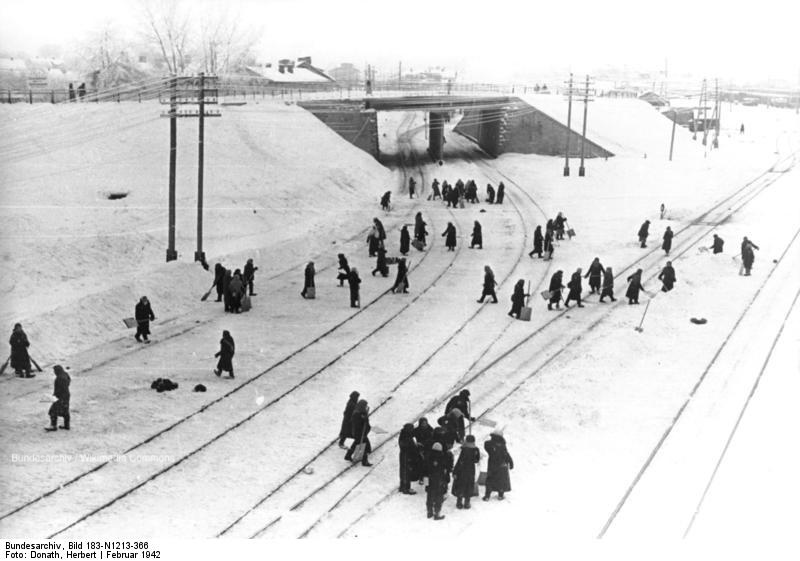
As in many other ghettos, Jews were forced to work in factories or other German-run operations. Ghetto inhabitants lived in extremely poor conditions, with insufficient stocks of food and medical supplies.
Jewish Resistance
The Minsk Ghetto is notable for its large scale resistance organisation, which cooperated closely with Soviet partisans. About 10,000 Jews were able to escape the ghetto and join partisan groups in the nearby forests.
Liquidation
The ghetto was liquidated on 21 October 1943. Many Minsk Jews were deported to the Sobibór extermination camp. Approximately fifty German and Austrian Jews survived the war, mostly young men, who were deported from the ghetto to Poland.
Memorialisation
In March 1942, approximately 5,000 Jews were killed nearby where The Pit memorial to the Minsk Ghetto now stands. To find out more about visiting Minsk click here.
 About
About History
 Education
 Quilts
 FIlms
FIlms Photos
 News Media & Events
 Publications
 Donate