Members of the Boys were imprisoned in the Munkács Ghetto.
The Munkács Ghetto was one of a network of ghettos set up by Nazi Germany in Hungary after it was invaded by German forces in March 1944.
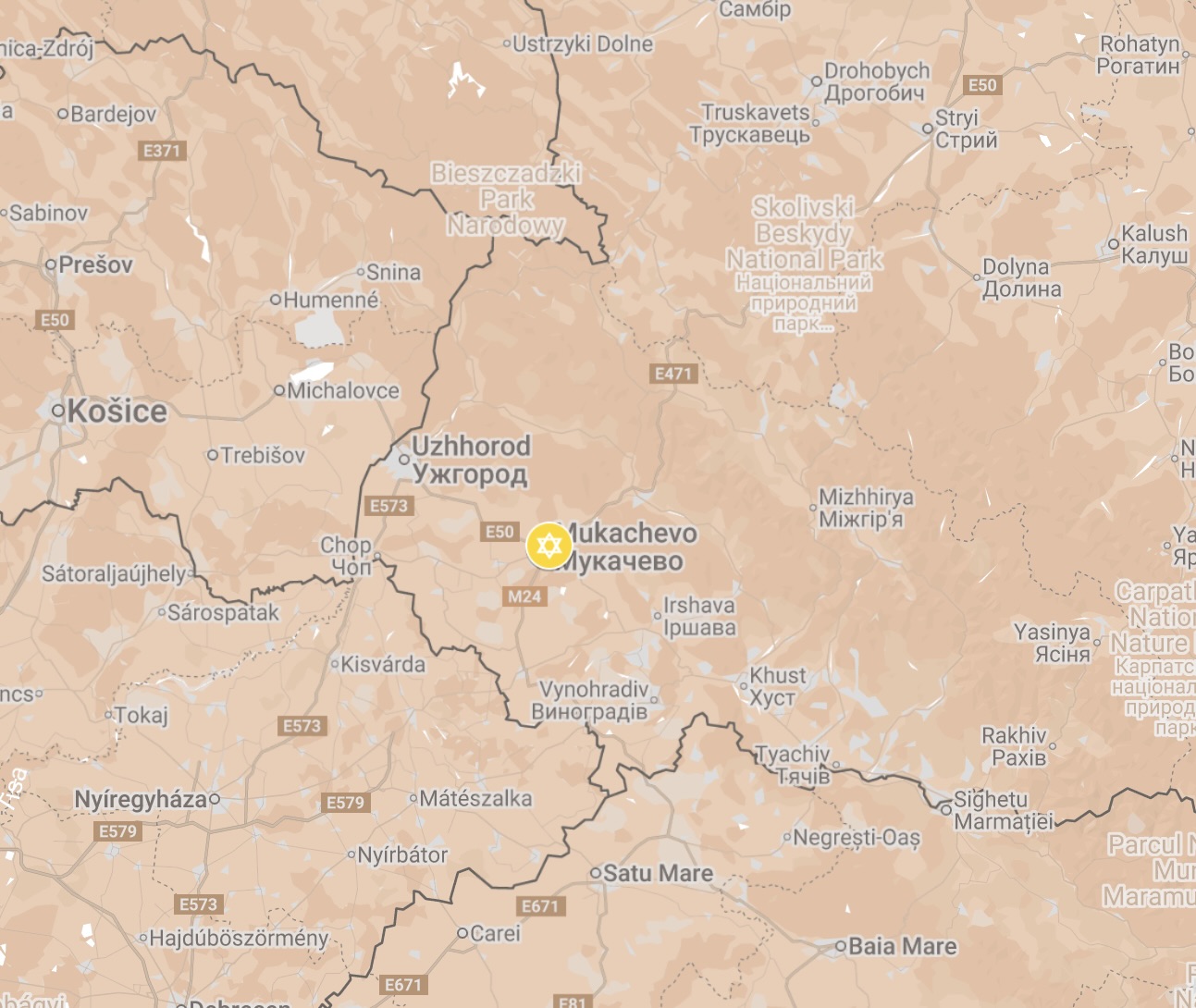
Mukačevo was in the Carpathian Mountains, which had been annexed by Hungary from Czechoslovakia under the First Vienna Award in 1938. Mukačevo was then known by its Hungarian name of Munkács.
The Boys were teenage and child-Holocaust survivors, who were brought to the UK after the war for rest and rehabilitation.
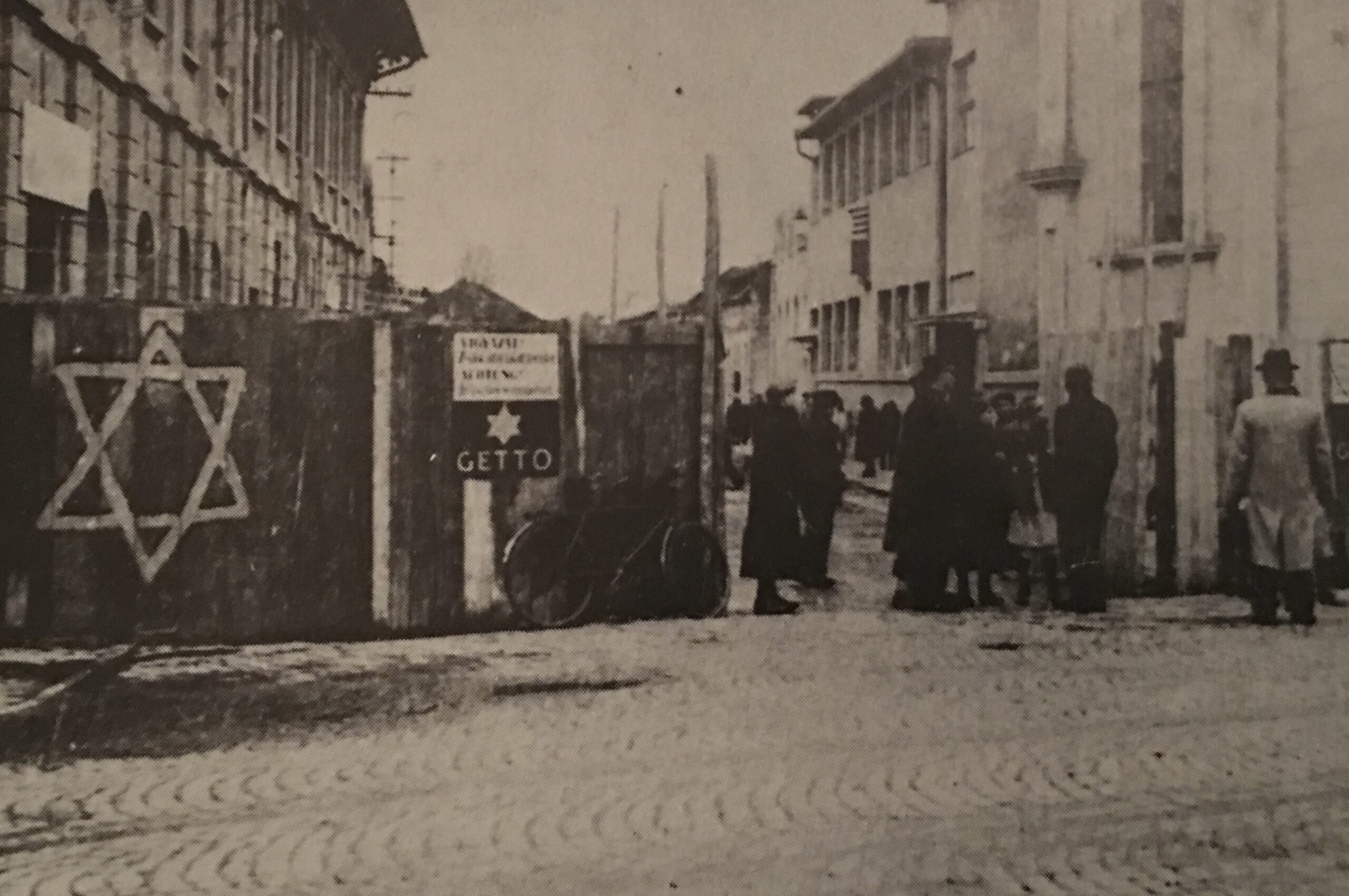
Mukács Ghetto 1944.
Overview
Before World War II, Mukačevo in Czechoslovakia had a Jewish population of 13,000-14,000, which was almost half of the town’s total population. In March 1939, Hungary occupied the Carpathian Mountains region where Mukačevo, present-day Mukachevo in Ukraine, is located. The city was then known by its Hungarian name of Munkács. To find out more about the history of Mukachevo click here.
Germany invaded Hungary in March 1944 and the decision was taken to concentrate Hungarian Jews in ghettos prior to deportation.
On 15 April 1944, the was made in Munkács in the presence of Dieter Wislieceny, one of Adolf Eichmann’s assistants, to confine the Jews in the city in a ghetto. Immediately after Passover 1944, on 18 April, the Germans forced the Jewish population into a ghetto. They were allowed to take only a few items into the ghetto: two sets of clothing, folding beds, food, and a further load of up to 50kg. Eichmann himself came to inspect the Munkács ghetto at the end of April.
Daily Life
Conditions were dire, with thousands of people packed into small, unsanitary spaces. The overcrowding in the ghetto led to severe food shortages, lack of sanitation, and disease. The ghetto was severely overcrowded, with 10,000-15,000 people crammed into homes and apartments that had previously housed 3,000.
David Herman, one of the Boys, recalled, “It was now impossible to sneak in and out of the ghetto…All contact with the outside world was completely severed.”
Deportations
In May 1944, the SS guards and Hungarian police liquidated the ghetto. Just half an hour’s notice was given. There was chaos as people desperately gathered their belongings. The SS demanded that they hand over their jewellery and other valuables. They were told that their possessions would be returned later and were even given receipts.
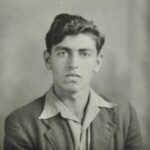
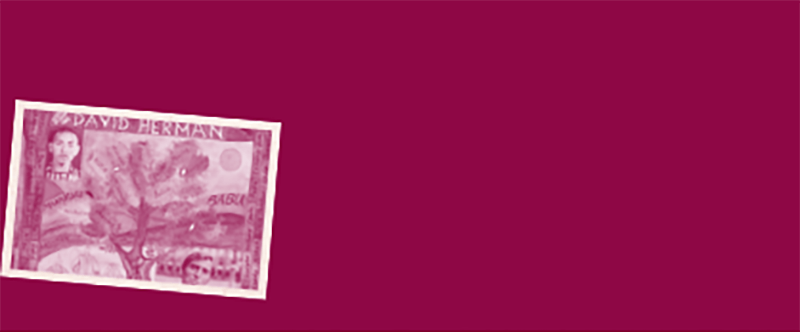
David Herman in 1946
“Hundreds of local residents of Munkács lined the pavements, jeering and spitting at us…Many of these people, Schwabs and Hungarians, had come from nearby villages to watch what was going on. They had been told that the ghetto was going to be evacuated…the SS and Nyilasi let these people into our homes. Frenzied looting followed.”
The Jews were then forced to the Sajovitz brick factory on the outskirts of town. Many of the elderly collapsed in the street from exhaustion and were brutally beaten by the guards.
When they reached the factory, the prisoners were forced into vast kilns and made to sit on the bare brick floor. The only water they received was sprayed at them through hoses.
The Jews were kept in kilns for about a week. Then, in the early hours of the morning, they were forced into enclosed and overcrowded freight wagons.
The entire Jewish population of the Munkács Ghetto was sent to Auschwitz II-Birkenau concentration and extermination camp in a series of transports. Herman said his family were told they were “travelling further east to work on the land”.
On arrival in Auschwitz, most of the prisoners were immediately murdered in the gas chambers. The members of the Boys were selected for slave labour
Memorialisation
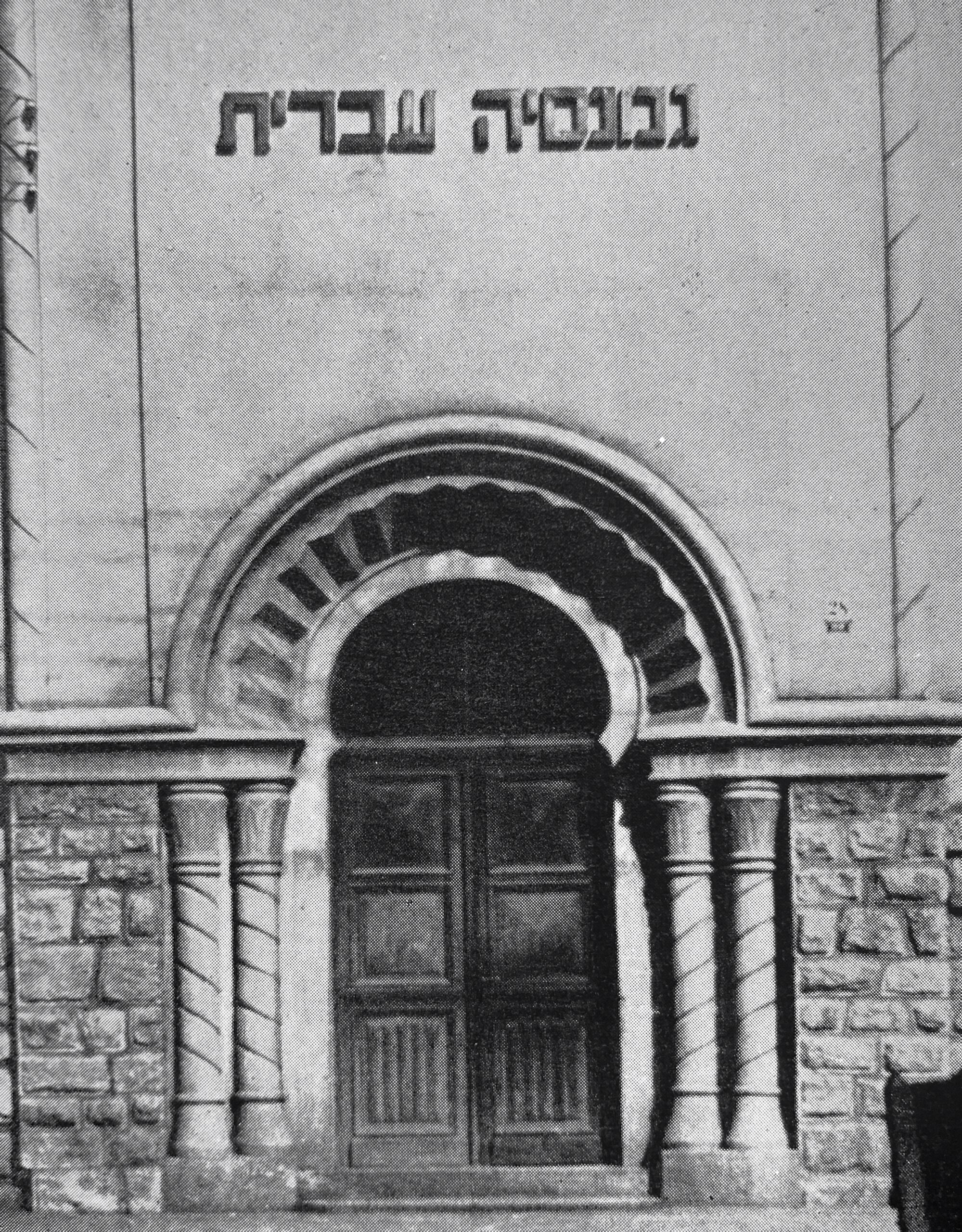
The town’s synagogue and Jewish cemetery remain, and annual remembrance events take place in various locations. For more information on visiting Mukachevo click here.
 About
About History
 Education
 Quilts
 FIlms
FIlms Photos
 News Media & Events
 Publications
 Donate