Members Boys and their families were imprisoned in the Nagyszőlős Ghetto.
Nagyszőlős Ghetto was one of a network of ghettos set up by Nazi Germany after it invaded in Hungary in March 1944.
The Boys were teenage and child-Holocaust survivors, who were brought to the UK after the war for rest and rehabilitation.
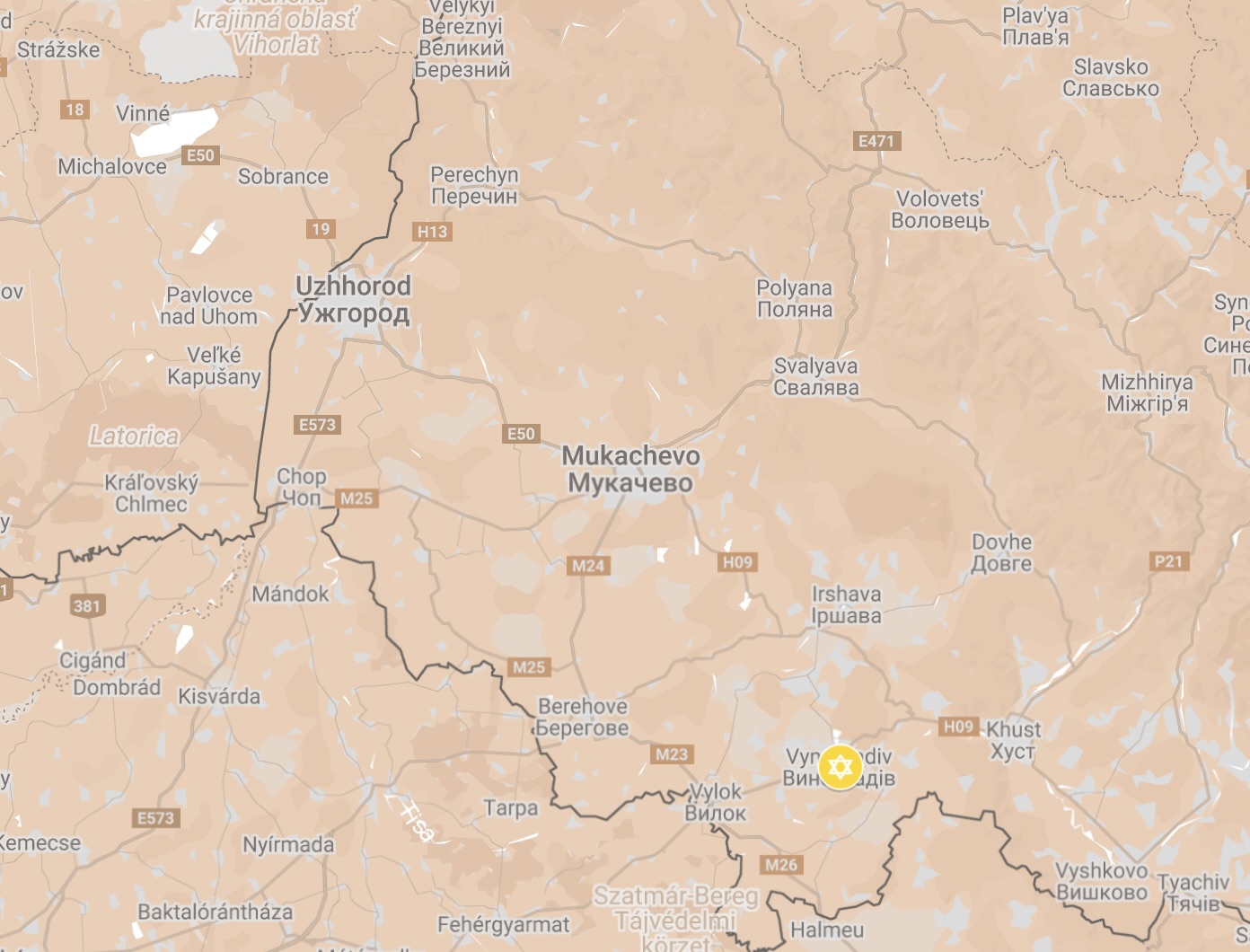
In the interwar years Veľká Sevljuš was part of Czechoslovakia. Now known as Vynohradiv in Ukriane, the town is in the Carpathian Mountains. The region was annexed by Hungary under the First Vienna Award in 1938. To find out more about the town and the Boys who grew up there click here.
Overview
Following Hungary’s occupation of the region in 1939, a series of anti-Jewish laws were enacted in Veľká Sevljuš, which was now known as Nagyszőlős.
In March 1944, Germany invaded Hungary. In April 1944, on the last day of Passover, approximately 12,000 Jews from Nagyszőlős and the surrounding districts of Ugocsa and Halmi were forcibly relocated into a ghetto established in Nagyszőlős.
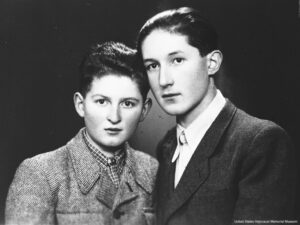
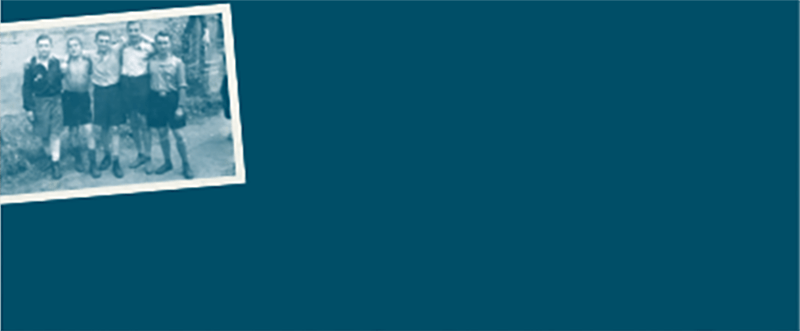
Erwin Buncel (right) was held in the Nagyszőlős Ghetto. His brother Julius had left Nagyszőlős for Budapest prior to the German invasion.
Layout
The ghetto was situated in a dilapidated area of the town, enclosed with makeshift barriers. It included five streets around the local synagogue, an area known as the Magyar Sor. Severe overcrowding ensued as thousands of Jews from neighbouring villages were also forced into this confined district. Living conditions were extremely challenging, with inadequate sanitation, food shortages, and the rapid spread of diseases.
Deportation & Liquidation
The liquidation of the Nagyszőlős Ghetto occurred between 20 May and 3 June 1944.
Over this period, approximately 12,000 Jews were deported to Auschwitz II-Birkenau concentration and extermination camp in three transports. On arrival, many faced immediate death, while others were selected for forced labour.
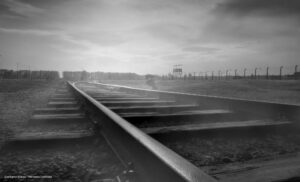
Memorial and Museum Auschwitz Birkenau, Poland.
Hungarian gendarmerie and German SS units oversaw the deportations. To find out more about Auschwitz click here.
Jewish Resistance
After the deportations, a local Jewish underground group was uncovered by the Germans. Its members were arrested and executed by firing squad on 17 June 1944.
Aftermath
Following the Holocaust, the Jewish community of Nagyszőlős was not re-established. Survivors who returned found their homes and businesses confiscated, prompting many to leave.
Memorialisation
Today, memorial plaques and cemeteries in Vynohradiv serve as reminders of the once-thriving Jewish community. Annual Holocaust remembrance events are held to honour the victims of the Nagyszőlős Ghetto and the wider region.
 About
About History
 Education
 Quilts
 FIlms
FIlms Photos
 News Media & Events
 Publications
 Donate