Members of the Boys were imprisoned in the Ostrowiec Ghetto.
The Ostrowiec Ghetto was one of a network of ghettos set up by Nazi Germany in which Jews were forced to live in occupied Poland. As with other ghettos in Czechoslovakia, Latvia, Lithuania and Poland, the Ostrowiec ghetto was established to contain the region’s Jews and isolate them from the rest of the population until the Nazi leadership could decide on an answer to the so-called “Jewish Question.”
The Boys and their families spent years living in dire conditions. The ghettos were not designed for the vast numbers of people forced to find space to live within them. As a result, multiple families shared cramped and insanitary accommodation.
The Boys were teenage and child-Holocaust survivors, who were brought to the UK after the war for rest and rehabilitation.
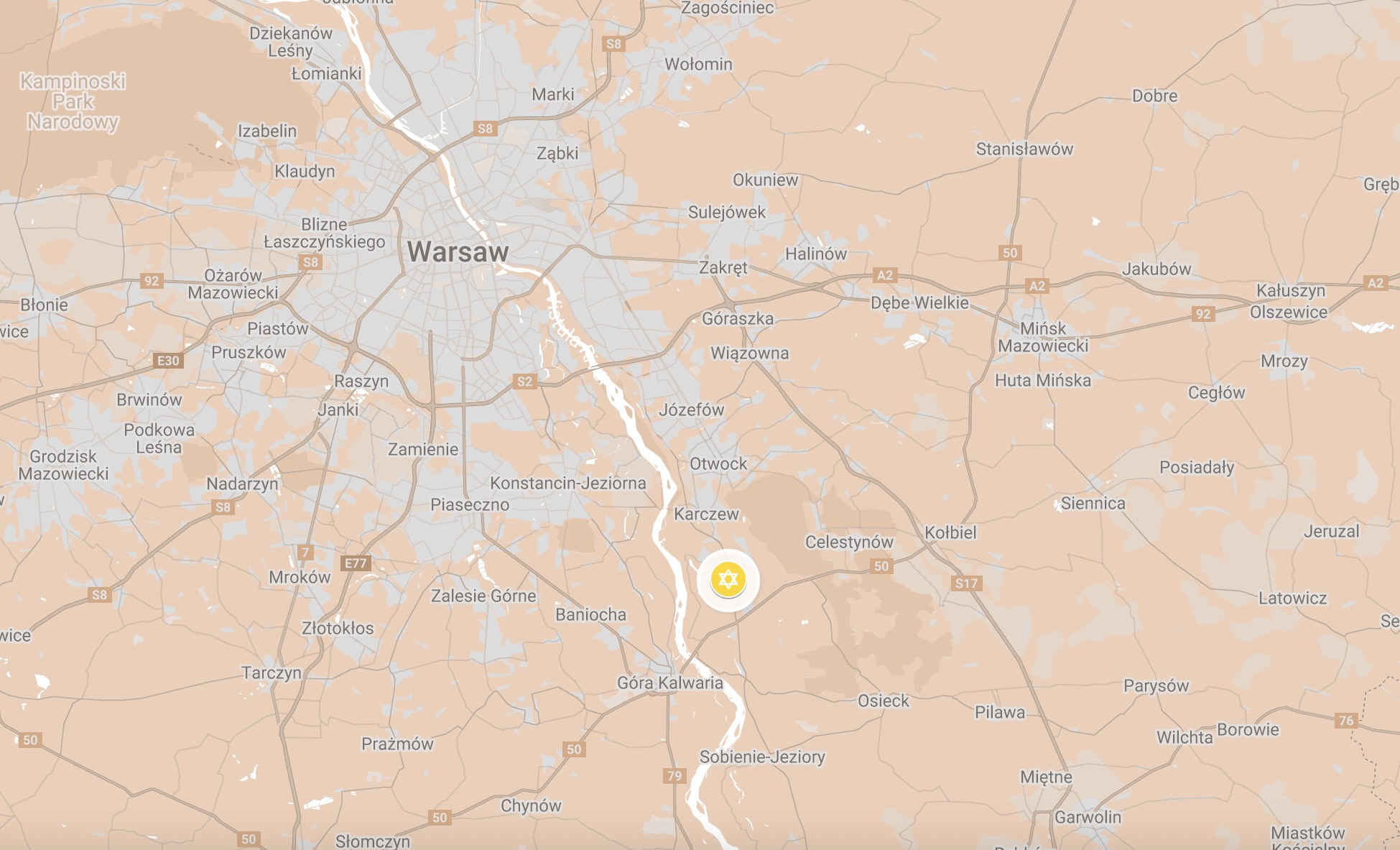
Ostrowiec is a city in southeastern Poland, in the historical region of Lesser Poland.To find out more about the region and the Boys who grew up there click here.
The German army entered Ostrowiec on 7 September 1939.
Overview
Between December 1939 and January 1941, about 1,000 people were deported to Ostrowiec Świętokrzyski from Konin, Golin and Sokołów. Also resettled here were about 1,000 to 1,200 Jews from Vienna, many Jews from Łódź and about 1,000 people from the Poznań area. Refugees from Warsaw also arrived here. As a result, the Jewish population of Ostrowiec Świętokrzyski numbered between 15,000 and 16,000 people.
In April 1941, an open ghetto was established. Poles who had previously lived there were forcibly displaced.
Layout
The area of the ghetto was approximately 4sqkm. On the left, the border ran along Młyńska and Pierackiego Streets, and on the right it reached Denkowska Street. Over 16,000 Jews from Ostrowiec lived in the ghetto. The ghetto was not surrounded by a wall, but was patrolled by German and Polish police. From 1942, the penalty for leaving the ghetto was death.
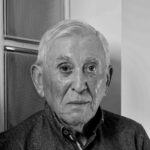
Ike Alterman
“In April 1941, the Germans started to establish a ghetto. Some Jewish people used to live in better, more mixed areas with non-Jewish people, down the Aleja 3go Maya, the main thoroughfare, and along the riversides. The Germans brought these Jewish people up to the ghetto at the top of the hill near the church, so they knew they were in a smaller area now and they had control.
Then they started making more demands, higher demands. Our house was in the ghetto itself. Then they closed off the ghettos. We couldn’t do any trading, no Jews could do any business. We had nothing to trade of course, and everything was taken off us.”
Daily Life
Those with work permits were escorted by the police to work in factories, workshops, and as cleaning staff for the Germans. They were employed in German construction companies such as Haumer, Loscher, A. Oemler, Hruse, R. Mende, and Travers.
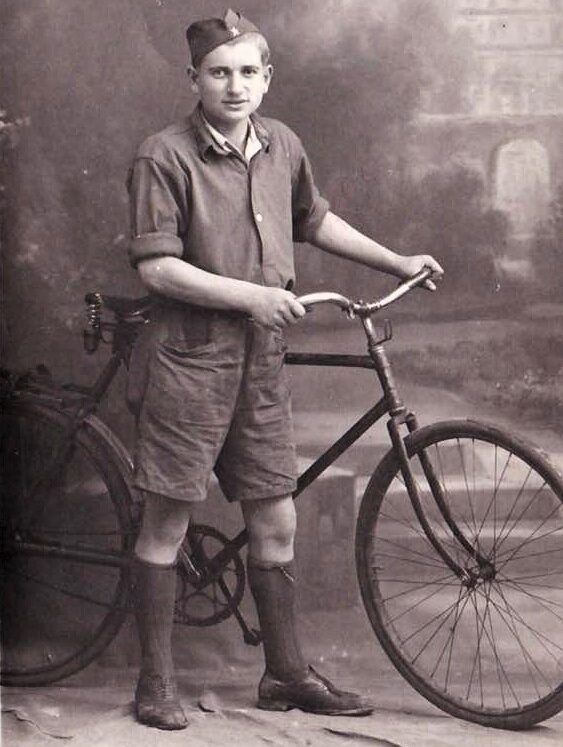
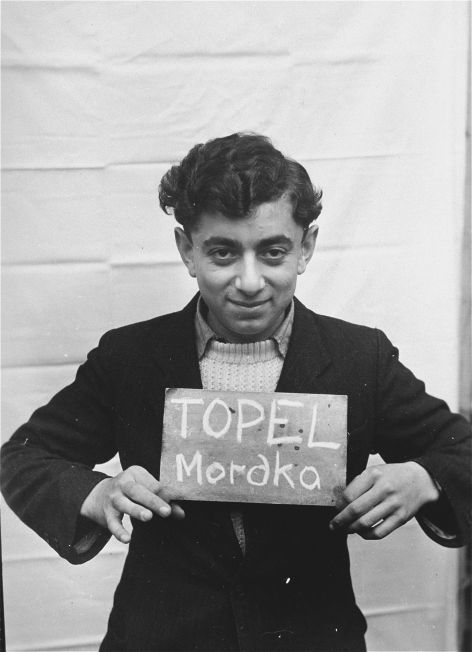
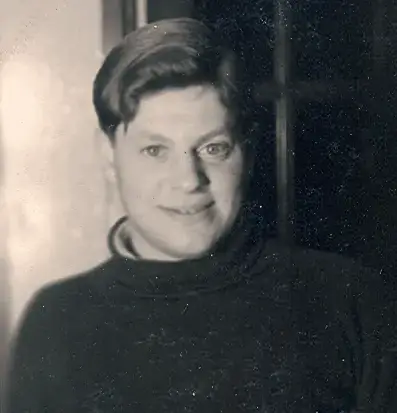
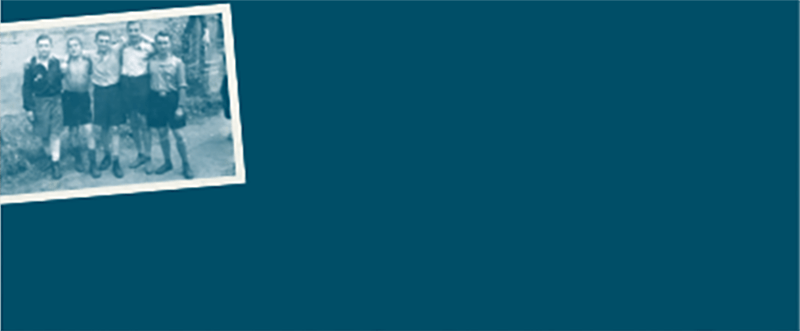
Some of the Boys held in the Ostrowiec Ghetto. These photographs were taken after the liberation.
Conditions in the ghetto were dire. It is estimated that about 10% of the ghetto population died of hunger and disease. Many of the young boys in the ghetto took enormous risks by sneaking out to find food for their families.
Deportations
Young Jewish men were rounded up and sent to forced labor camps in Bodzechów, Starachowice and Skarżysko-Kamienna.
In May 1942, SS officers from Radom carried out an action in which about 3,000 Jews from Ostrowiec were deported to the Auschwitz II-Birkenau concentration and extermination camp.
Jewish Resistance
Some of the Jews in the ghetto began building hideouts outside the ghetto or tried to obtain “Aryan papers. Jewish underground couriers from Warsaw sent money and underground press to the ghetto for this purpose. Plans were made for a mass escape to the forests but only a few, young people, managed to escape to Warsaw, where they joined the Jewish Combat Organisation and fought in the Warsaw Ghetto Uprising.
Liquidation
The liquidation of the ghetto began on 10 October 1942. The ghetto was surrounded by the German and Polish police Police, SS and both Ukrainian and Lithuanian guards. During the round up many elderly people and children were murdered. All Jews without work permits were ordered to gather in the market square, and those with work cards in Florian Square, near the Employment Office. The Jews without work permits stood in the market square all day. They were then taken to the Polish primary school on Sienkiewicza Street, where they waited for transport without food or drinking water.
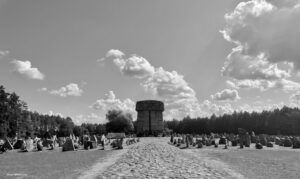
Treblinka Memorial, Poland.
The deportations took place in three large groups and lasted several days. At the station, the Jews were loaded into freight cars, each carrying 100 people. The Jewish police spread a rumour that these Jews were being transported to work in Ukraine. In reality, 10,000-12,000 Jews were sent in transports were sent to the Treblinka extermination camp.
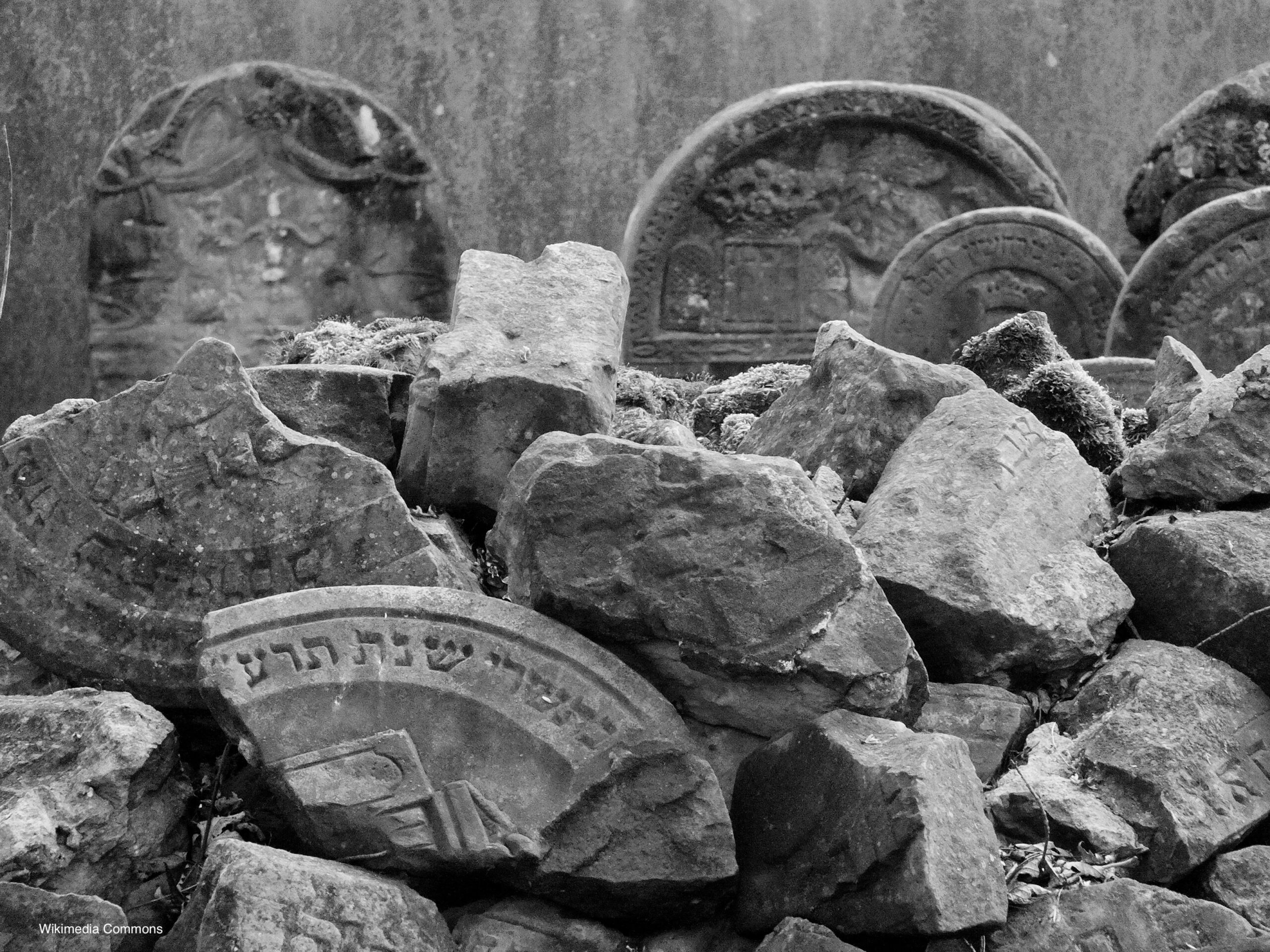
Between 2,000-3,000 people who were able to prove their employment were sent back to work and housed in a residual ghetto. About 1,000 of those in hiding were murdered in the Jewish cemetery in Ostrowiec.
In spring 1943, there were further deportations to Treblinka in which over 2,000 Jewish people were taken to their deaths. Many young Jews tried to escape and join the Polish partisans operating in the nearby forests. There was also another organised Jewish unit operating around the forests in Bukowicze.
In April 1943, 110 Jewish men were transferred to the forced labour camp for Jews in Bliżyn. From there they were sent to Auschwitz II-Birkenau extermination and concentration camp on 10 July 1944.
Memorialisation
There is a memorial near the former synagogue. Commemoration events are held. For more information on visiting the area click here.
 About
About History
 Education
 Quilts
 FIlms
FIlms Photos
 News Media & Events
 Publications
 Donate