
Members of the Boys were imprisoned in a network of ghettos by the Nazis across eastern Europe between 1939-45.
The Boys were teenage and child-Holocaust survivors, who were brought to the UK after the war for rest and rehabilitation.
The Boys and their families spent years living in dire conditions. The ghettos were not designed for the vast numbers of people forced to find space to live within them. As a result, multiple families shared cramped and insanitary accommodation.
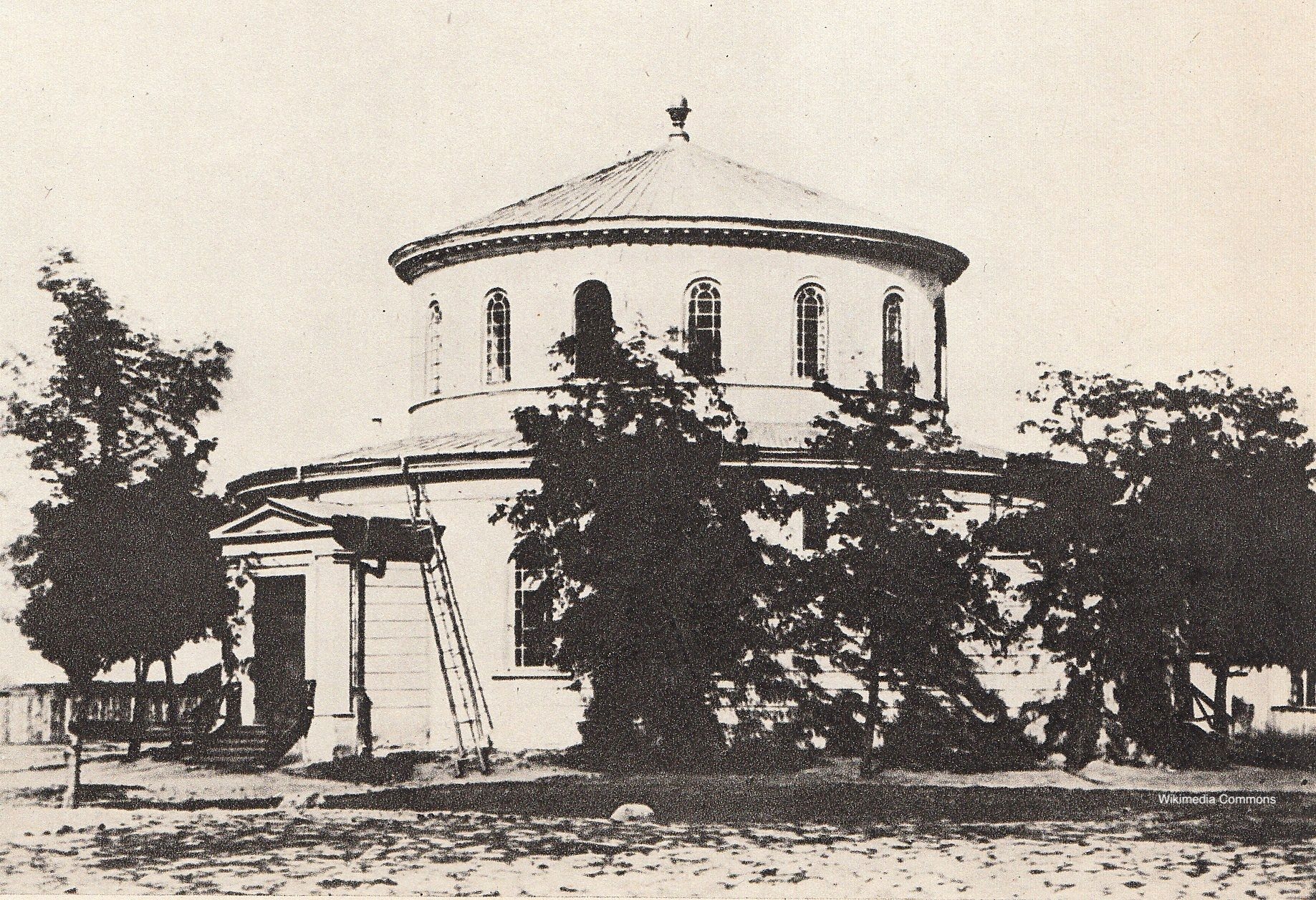
Praszka synagogue before World War II.
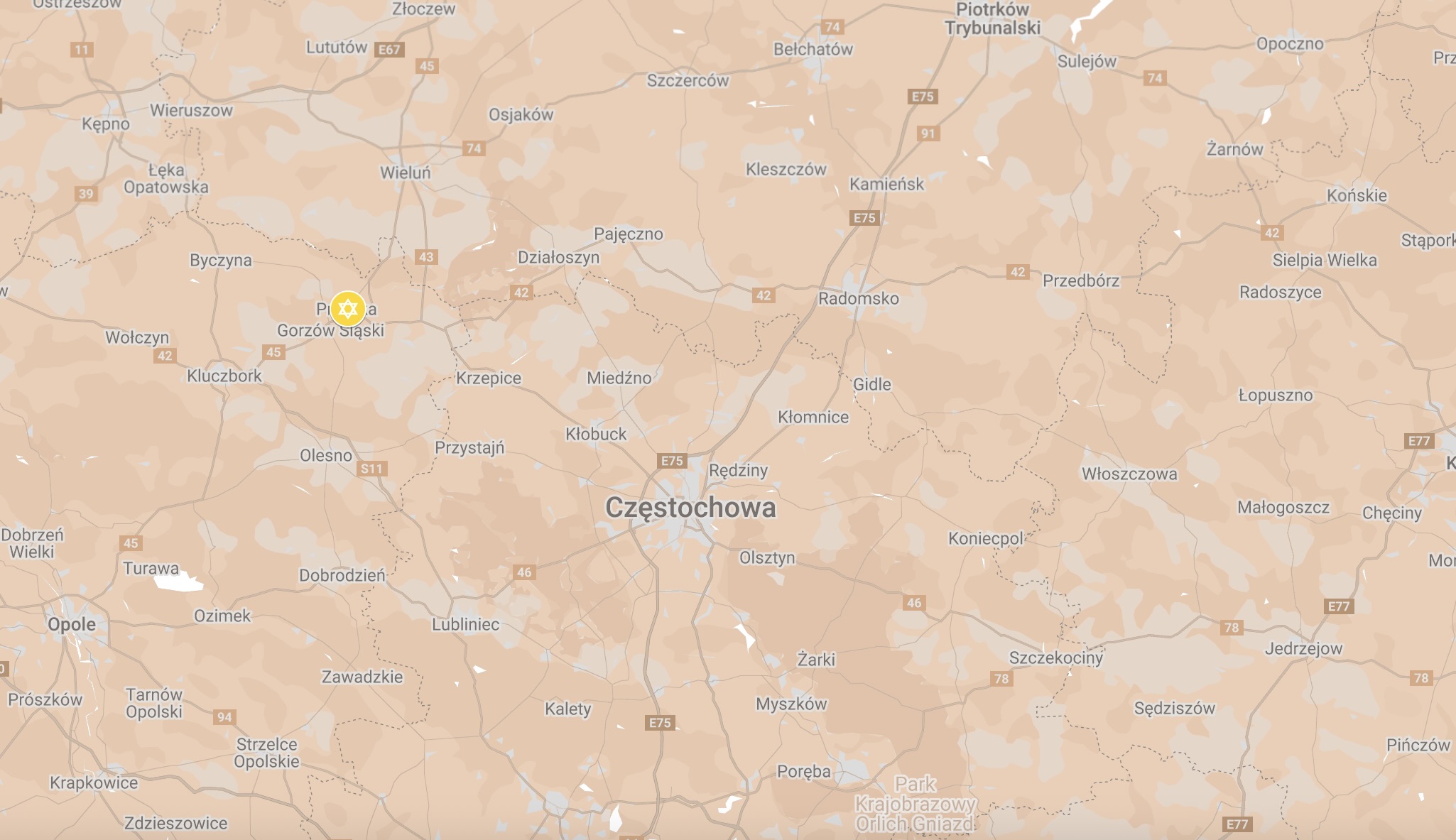
Praszka is located about 56km west-northwest of Częstochowa. To find out more about the history of the Boys in Praska click here.
The ghetto was established in Praszka after the Jewish holiday of Sukkot of 1940. At the beginning of 1941, about 500 Jews were taken from the Praszka Ghetto to labour camps in the vicinity.
Layout
The ghetto covered an area of 20,000 square meters (approximately 5 acres), comprising two streets. It was enclosed by a barbed-wire fence. It encompassed several small streets adjacent to the Jewish cemetery. At first, the ghetto was not completely isolated, and Jews were able to obtain some additional food from their Polish neighbours.
The ghetto population rose a refugees from the country, specifically from the neighbouring villages, were resettled.
In December 1941, the Jews in the ghetto were assembled in the town square, counted, and registered. 500 able-bodied were then taken to work in labour gangs.
Liquidation
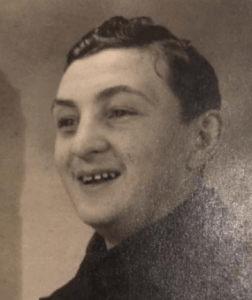
Josef Neumark was held in the Praszka Ghetto
On 12 August 1942, the German authorities liquidated the Praszka Ghetto. At that time, it still held several hundred inmates.
The ghetto was liquidated by the Gestapo, assisted by local Gendarmes and employees of the German civilian administration in Praszka. Those Jews who were deemed to be too weak, too sick, or too old to be deported were taken to the Jewish cemetery, where they were shot.
While a small number of workers (mostly craftsmen) was sent to the Łódź Ghetto, the majority was sent to the Chełmno extermination camp (probably via Wieluń) and gassed on arrival.
Memorialisation
There is no major Holocaust memorial in Praszka, but a plaque and small monument at the local Jewish cemetery acknowledge the destruction of the community. To find out more about visiting Praszka click here.
 About
About History
 Education
 Quilts
 FIlms
FIlms Photos
 News Media & Events
 Publications
 Donate