
Members of the Boys were imprisoned in a network of ghettos by the Nazis across eastern Europe between 1939-45.
The Boys were teenage and child-Holocaust survivors, who were brought to the UK after the war for rest and rehabilitation.
The Boys and their families were forced to move from their homes and were held in ghettos in Nazi controlled Czechoslovakia, Latvia, Lithuania and Poland, where they spent years living in dire conditions. The ghettos were not designed for the vast numbers of people forced to find space to live within them. As a result, multiple families shared cramped and insanitary accommodation.
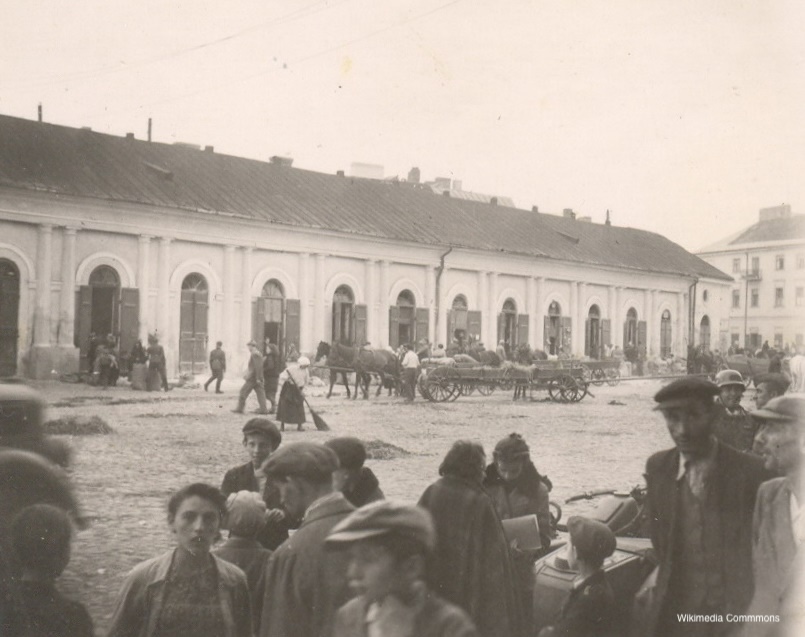
Walowa, the Jewish quarter.
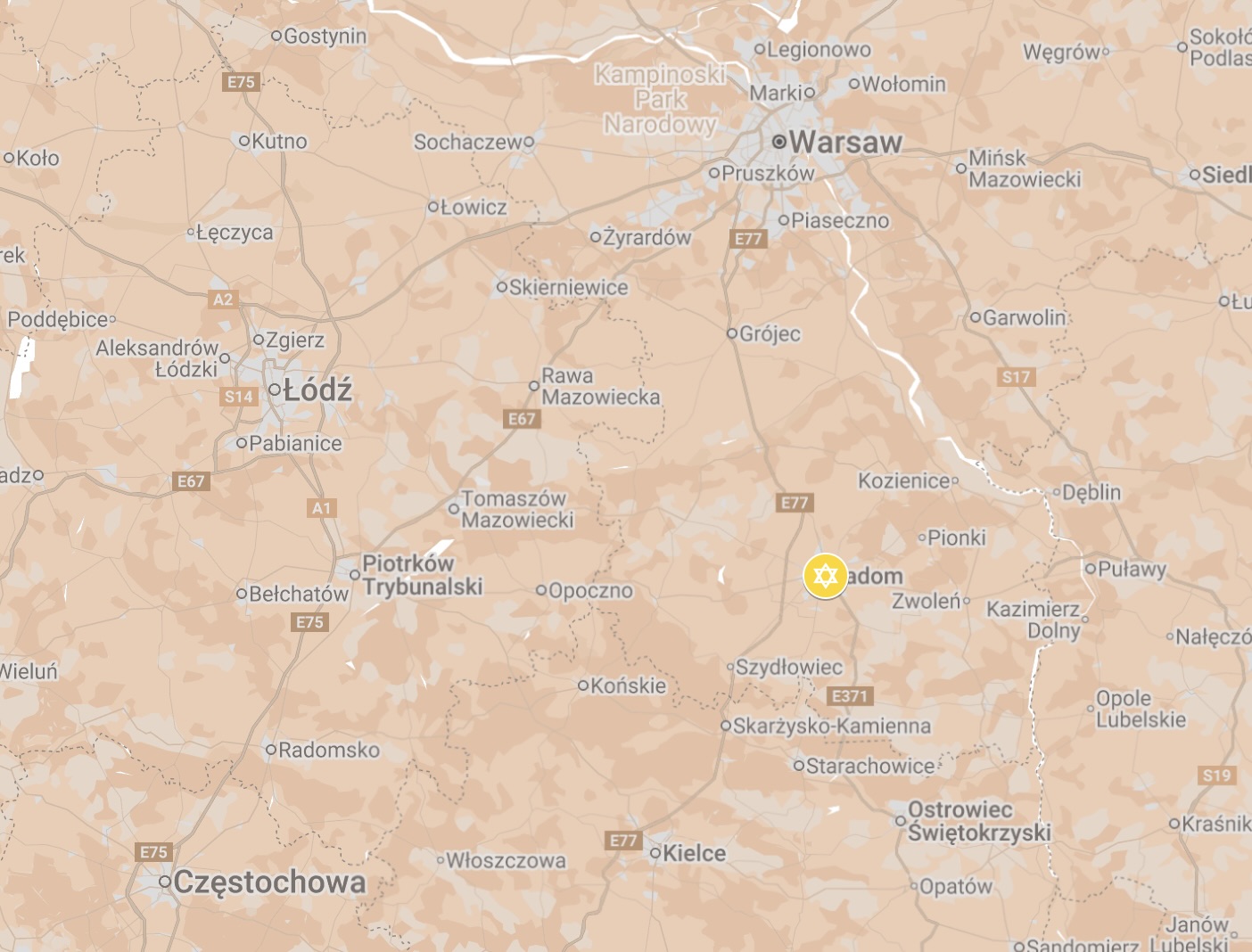
Radom is a city in central Poland, located south of Warsaw. Radom was occupied by German forces on 8 September 1939. About 25,000 Jews lived in the city, which had a total population of 81,000.
Overview
The Radom Ghetto was set up in March 1941. It was sealed in April 1941. The liquidation of the ghetto began in August 1942, and ended in July 1944. Approximately 30,000–32,000 Jews were murdered in the liquidation.
Radom was an important centre for arms production. Thousands of Jews were deported to Radom from other locations.
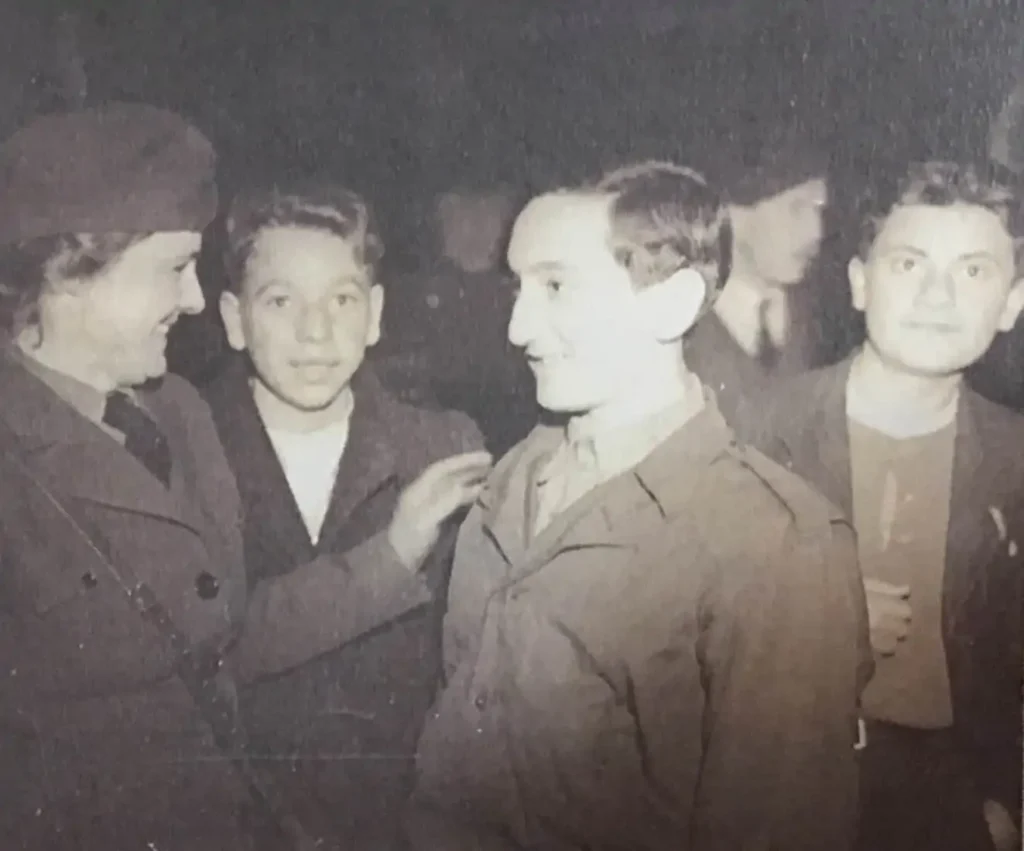
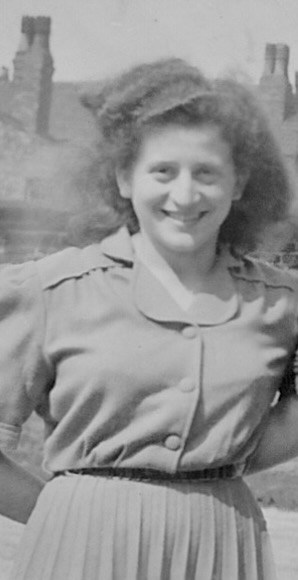
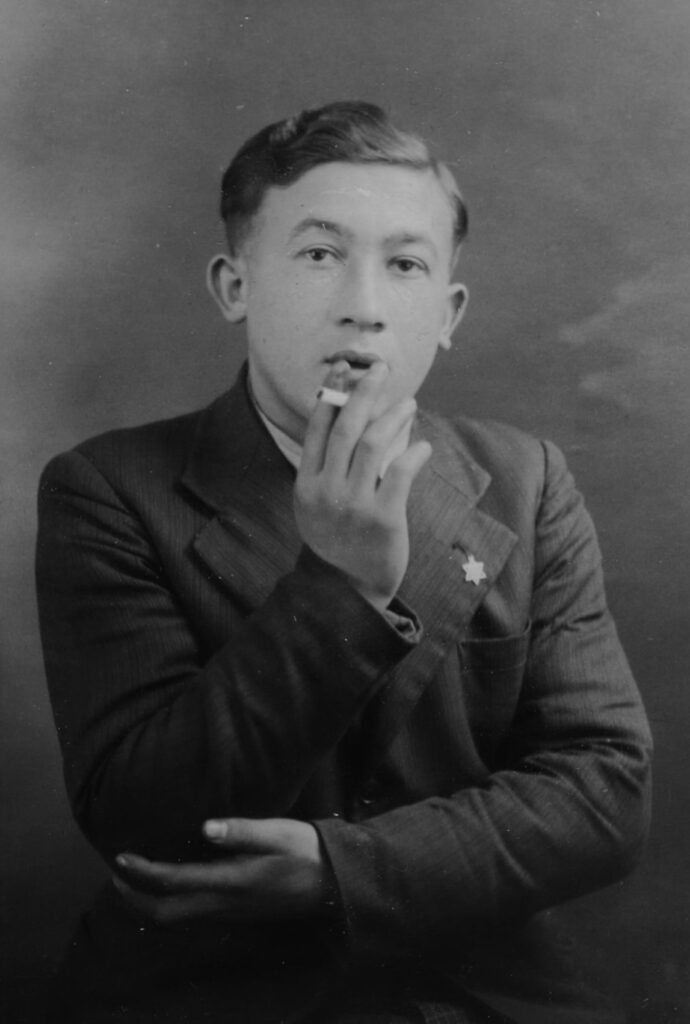
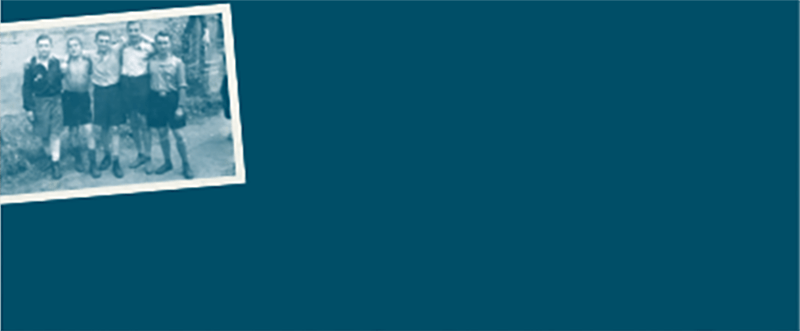
Some of the Boys held in the Radom Ghetto. These photographs were all take after liberation.
Layout
The large ghetto was in the city centre around the old Jewish quarter on Wałowa and neighbouring streets. The small ghetto in the suburb of Glinice, which was in one of the poorest neighbourhoods in Radom.
Daily Life
Conditions in the ghettos were dire. Severe overcrowding and malnutrition meant disease was rife. The Jewish community was constantly terrorised by the threat of arrest, deportation to concentration camps and being shot.
Part of the card index for the inhabitants of the ghetto has survived.
Liquidation
The liquidation began in early 1942 and by late August 1942 only 2,000 Jews remained in the ghetto.
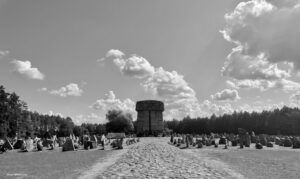
Treblinka Memorial, Poland.
On the night of 4-5 August, the small ghetto in Radom was liquidated. After selection, about 8,000 Jews were loaded onto wagons and then transported to the Treblinka extermination camp. On 16-18 August the large ghetto was also destroyed. A forced labor camp was set up on the site of the former ghetto.
Jewish Resistance
Several underground resistance groups were active in Radom. During the deportations, hundreds of Jews from these groups escaped to the forest; some participated in the Warsaw Polish Uprising in late summer 1944.
Memorialisation
There is a Holocaust memorial in the city centre. For information of visiting Radom click here.
 About
About History
 Education
 Quilts
 FIlms
FIlms Photos
 News Media & Events
 Publications
 Donate