Members of the Boys were imprisoned in a network of ghettos by the Nazis across eastern Europe between 1939-45.
The Boys were teenage and child-Holocaust survivors, who were brought to the UK after the war for rest and rehabilitation.
The Boys and their families were forced to move from their homes and were held in ghettos in Nazi controlled Czechoslovakia, Latvia, Lithuania and Poland, where they spent years living in dire conditions. The ghettos were not designed for the vast numbers of people forced to find space to live within them. As a result, multiple families shared cramped and insanitary accommodation.
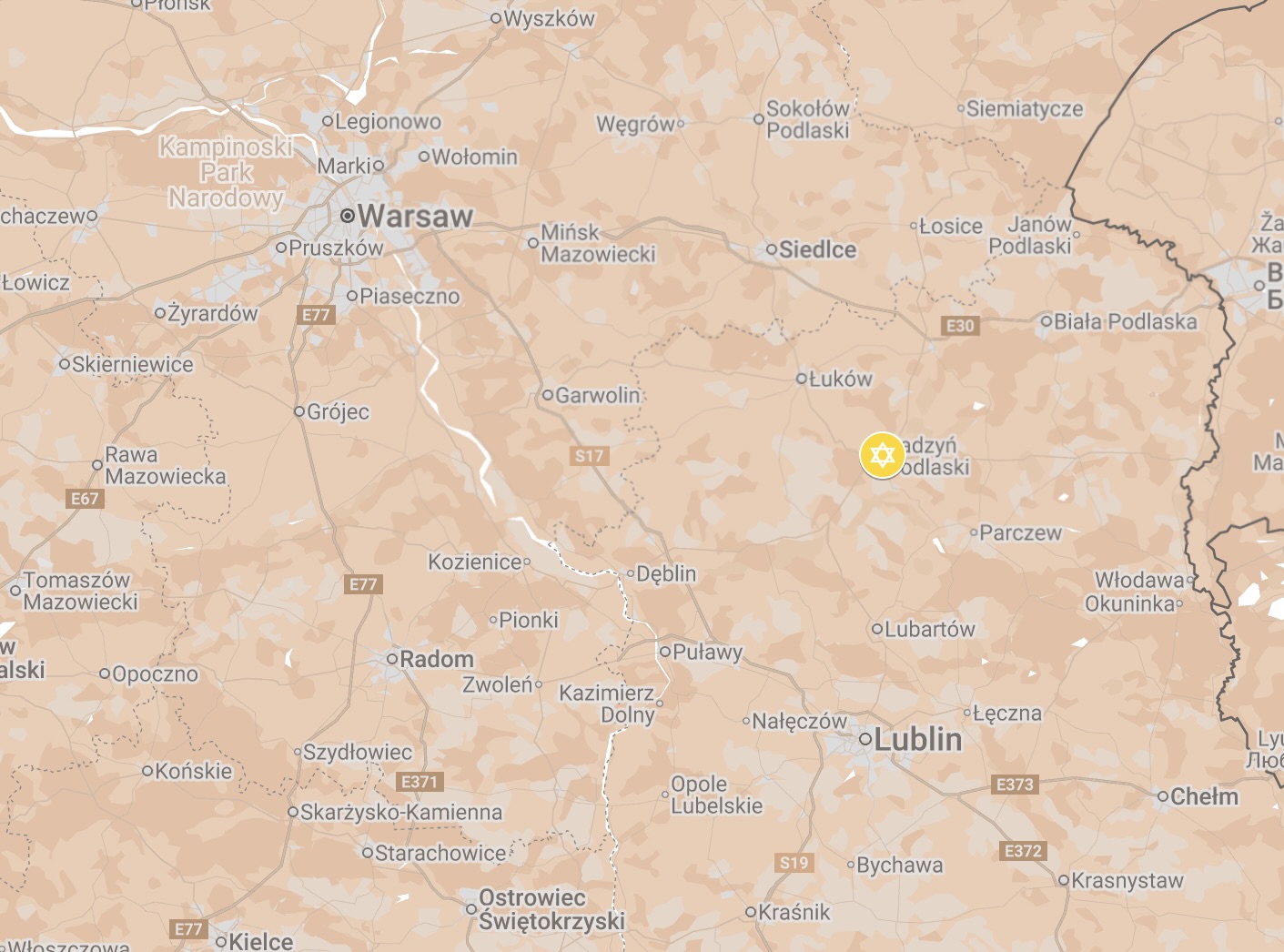
Radzyń Podlaski is a town in eastern Poland, about 60km north of Lublin.
Overview
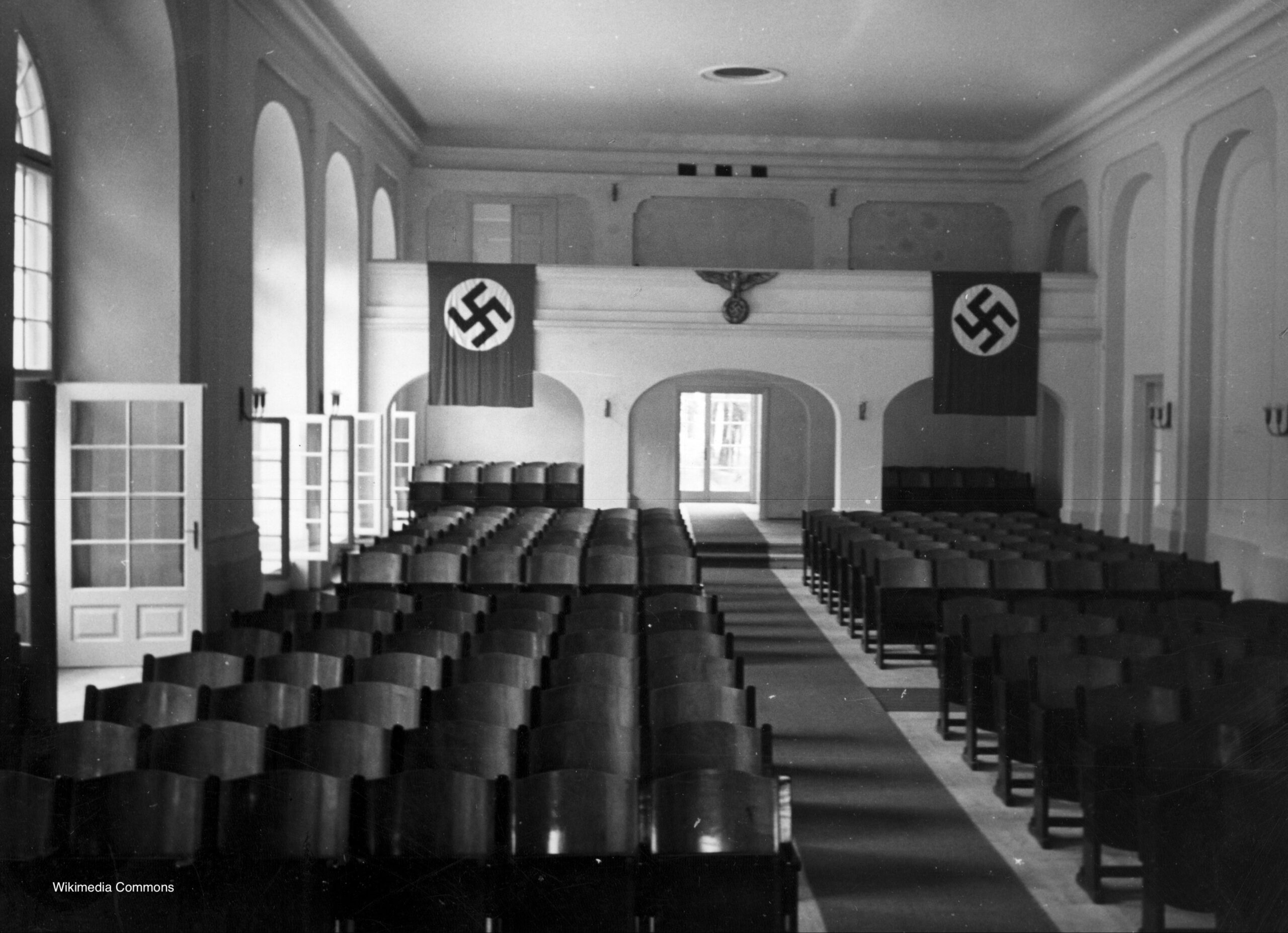
At the start of World War II, it was unclear whether the area would be under Soviet occupation, but by mid-October 1939 the Germans had taken control of Radzyń. Persecution of the Jews began immediately. Many of the younger Jews fled eastward.
The ghetto was set up in late 1940 in one of the most run-down areas, where before World War II the poorest element of the Jewish population had lived. It was an open ghetto.
Daily Life
Able-bodied Jews had to work for the Germans. The workers met early in the morning in front of the Judenrat (Jewish council) building on Kozia Street and were escorted from there to their places of work.
Liquidation
The liquidation began on 22 September 1942 when the Germans shot about 200 Jews. On 1 October about 2,000 ghetto inhabitants were sent to the Treblinka extermination camp.
The final liquidation took place on 14-16 October 1942. The action was carried out by the SS and Polish police. Some 2,000-3,000 people were sent to Międzyrzec Podlaski, from where they were deported to the Treblinka extermination camp on 27 October 1942.
In 1943 there was a small group of Jews in the city employed by the Gestapo.
Jewish Resistance
There was a significant organised resistance group in the ghetto whose members were connected with Hashomer Hatzair and other Zionist organisations. They were mainly involved in organising escapes from the ghetto. Some of the escapees joined the partisans in the surrounding forests. One of those aiding these escapes was Rabbi Shmuel Leiner. After he had been betrayed in June 1942, the Gestapo arrested him and he was executed in front of the synagogue.
Aftermath
About 50 Jews from Radzyń survived the war. There is a monument at the Jewish cemetery.
 About
About History
 Education
 Quilts
 FIlms
FIlms Photos
 News Media & Events
 Publications
 Donate