
The Starachowice-Wierzbnik Ghetto was one of a network of ghettos set up by Nazi Germany in which Jews were forced to live in occupied Poland. As with other ghettos in Czechoslovakia, Latvia, Lithuania and Poland, the Starachowice-Wierzbnik Ghetto was established to contain the region’s Jews and isolate them from the rest of the population until the Nazi leadership could decide on an answer to the so-called “Jewish Question.”
The Boys and their families spent years living in dire conditions. The ghettos were not designed for the vast numbers of people forced to find space to live within them. As a result, multiple families shared cramped and insanitary accommodation.
The Boys were teenage and child-Holocaust survivors, who were brought to the UK after the war for rest and rehabilitation.
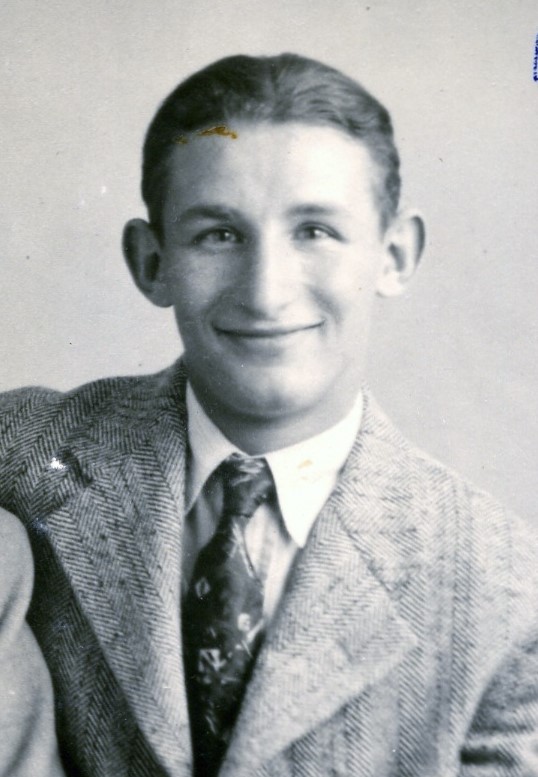
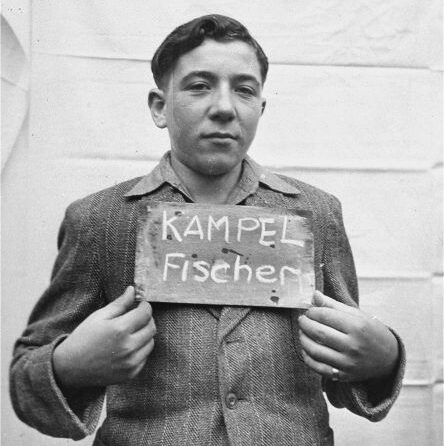
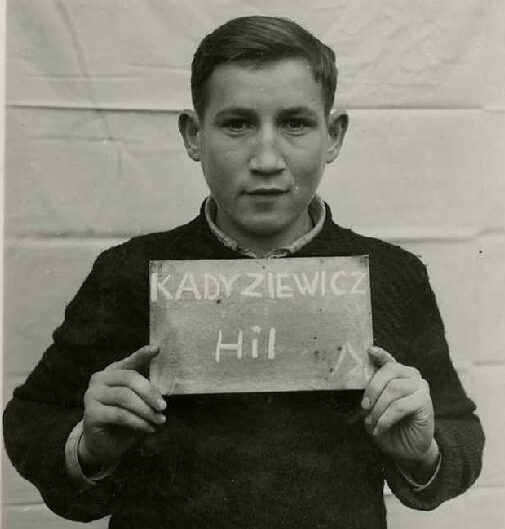
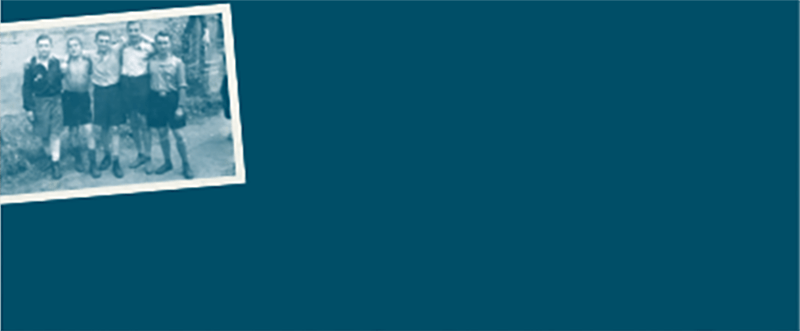
Three of the Boys who were held in the Starachowice-Wierzbnik Ghetto
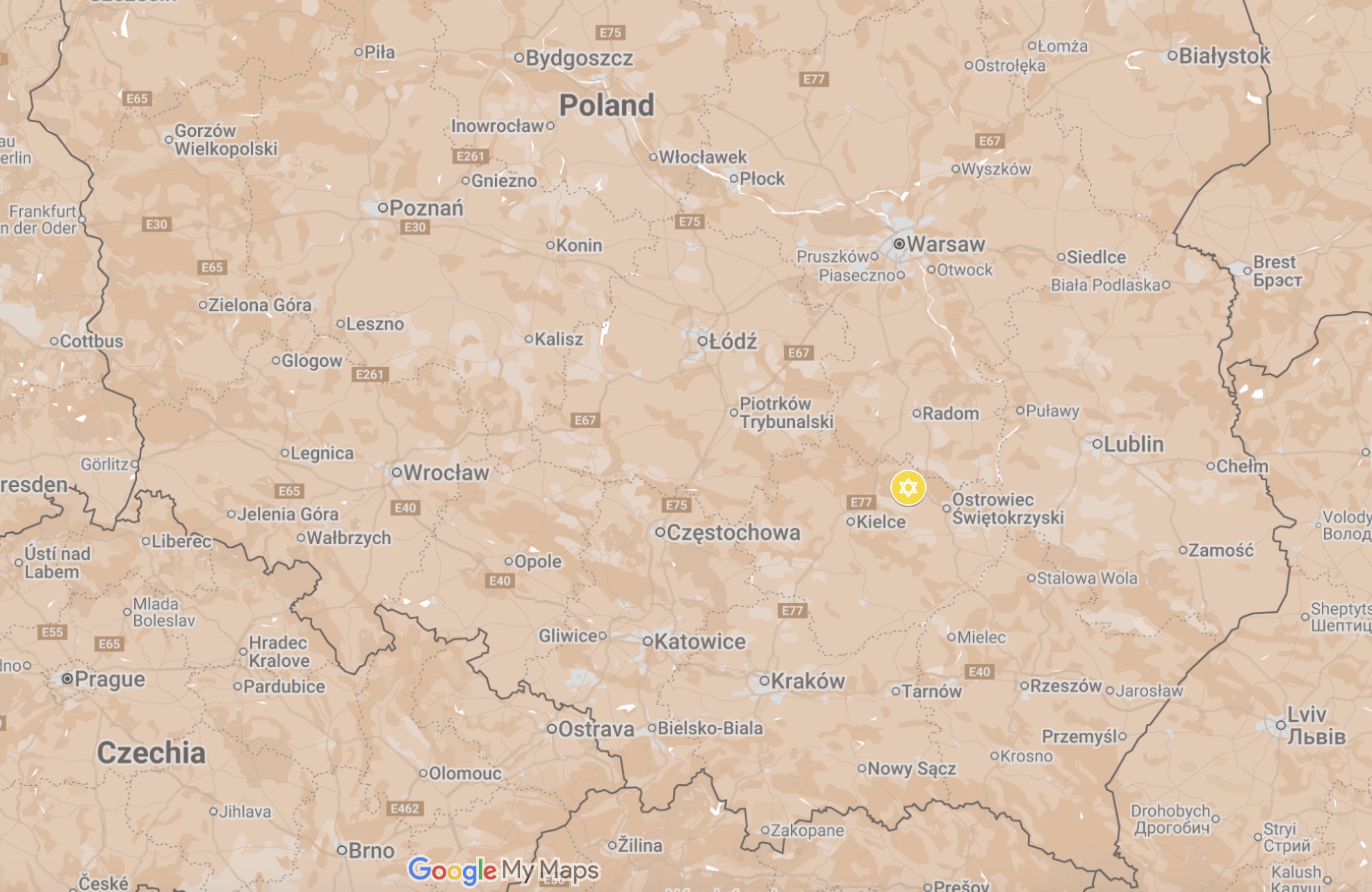
Wierzbnik is 43km south-southwest of Radom in central Poland. By 1939, there were 3,880 Jews living in Wierzbnik and only 40 in adjacent Starachowice. In April 1939, both towns were joined under the name of Starachowice-Wierzbnik. To find out more about the story of the Boys from Starachowice-Wierzbnik click here.
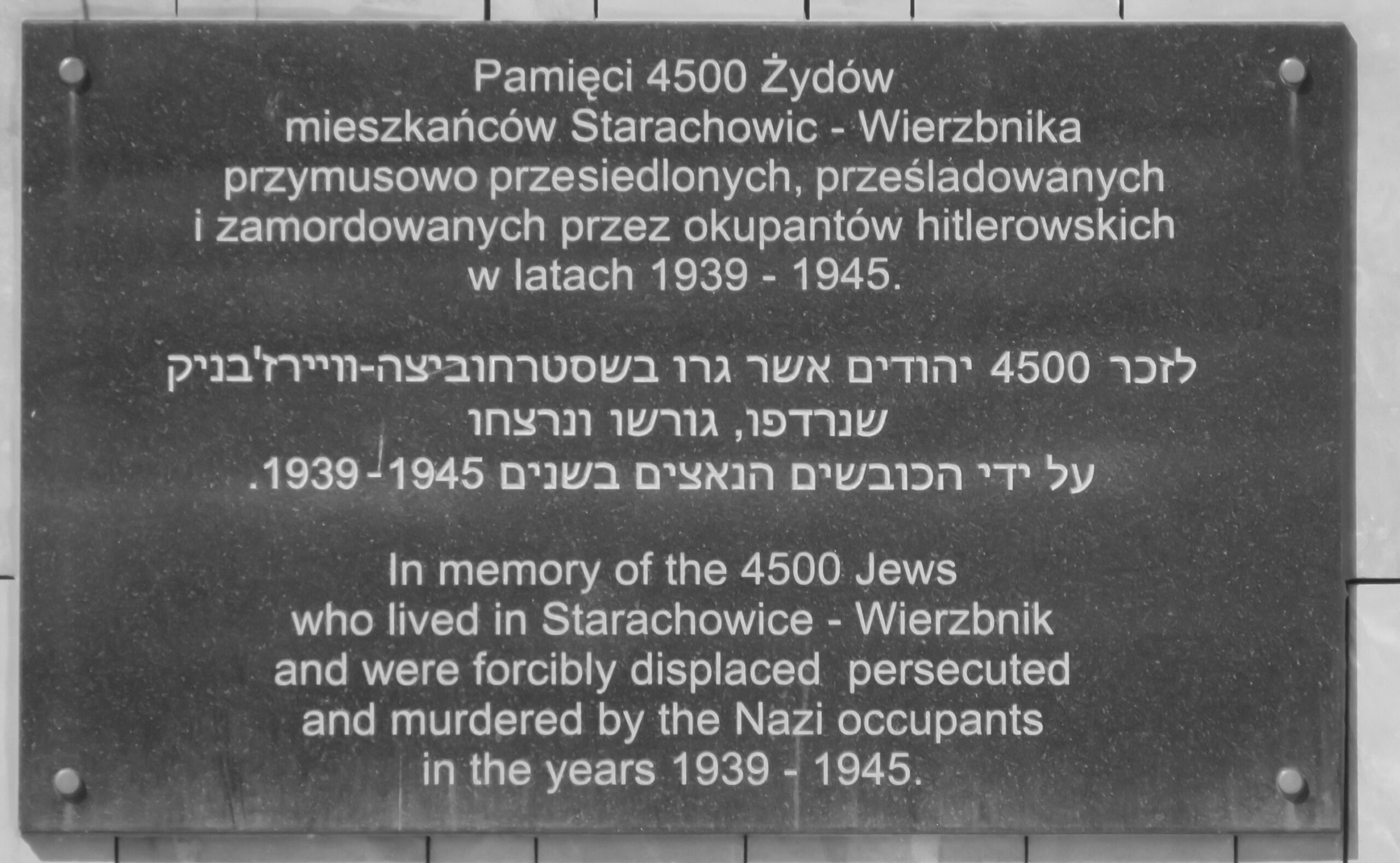
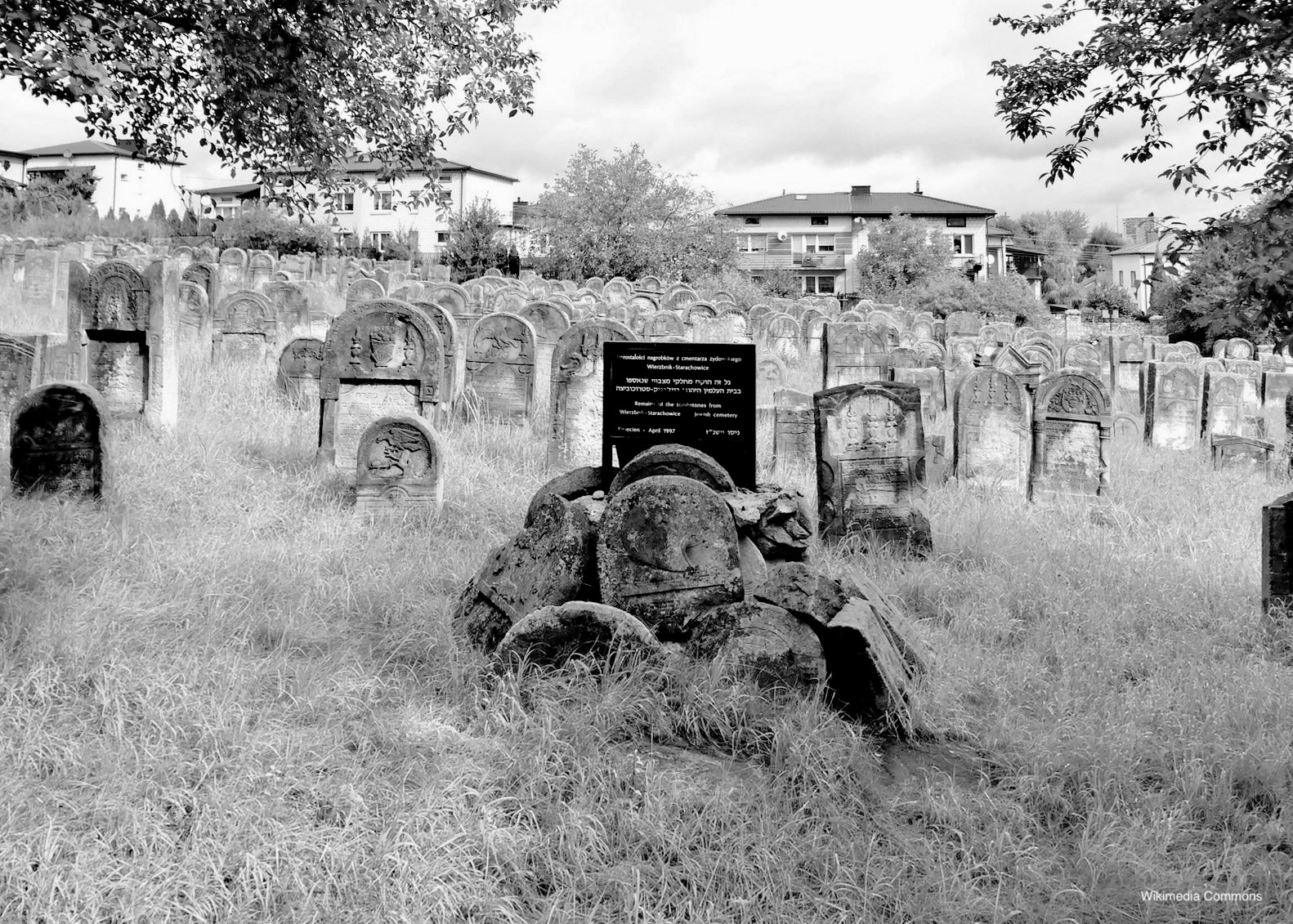
Starachowice Holocaust Memorial
Overview
The ghetto was set up by the Germans in February 1941 in Wierzbnik, which is now part of the town of Starachowice. Jews from Łódź and Płock were also imprisoned in the ghetto.
Daily Life
As in all the ghettos life in the Wierzbnik Ghetto was extremely harsh. The ghetto was overcrowded, and families were forced to share apartments. There was a shortage of food and poor sanitation. Hunger and disease claimed many lives. Jews were only allowed out of the ghetto if they had permission and risked being shot if caught outside its perimeters.
Liquidation
The liquidation of the Starachowice-Wierzbnik Ghetto took place on 27 October 1942.
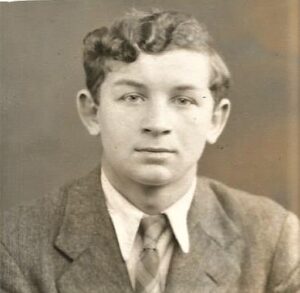
Howard Chandler
Chaim Wajchandler, later Howard Chandler, recalled in his testament to the US Shoah Foundation that two other families lived in his house, which was inside the ghetto.
He would sneak out of the ghetto to get food from the village where his grandparents had lived. Wajchandler was 13 years old in 1942 and went to the market square with his family. He recalled, “People who were slow to follow the orders were being beaten and shot – children and adults were crying – the feeble and invalids being shot in their houses – it was an experience that I still have nightmares about.”
Wajchandler lied about his age and was allowed to join his father who had a work permit but many of his friends did not manage to convince the Germans they were older than they were. His mother, sister and younger brother were among the 4,000 people taken to the Treblinka extermination camp.
Wajchandler and his father were among 1,600 men and women selected for slave labour in the Starachowice ammunition factory.
 About
About History
 Education
 Quilts
 FIlms
FIlms Photos
 News Media & Events
 Publications
 Donate