Members of the Boys were imprisoned in the Strzałków Ghetto.
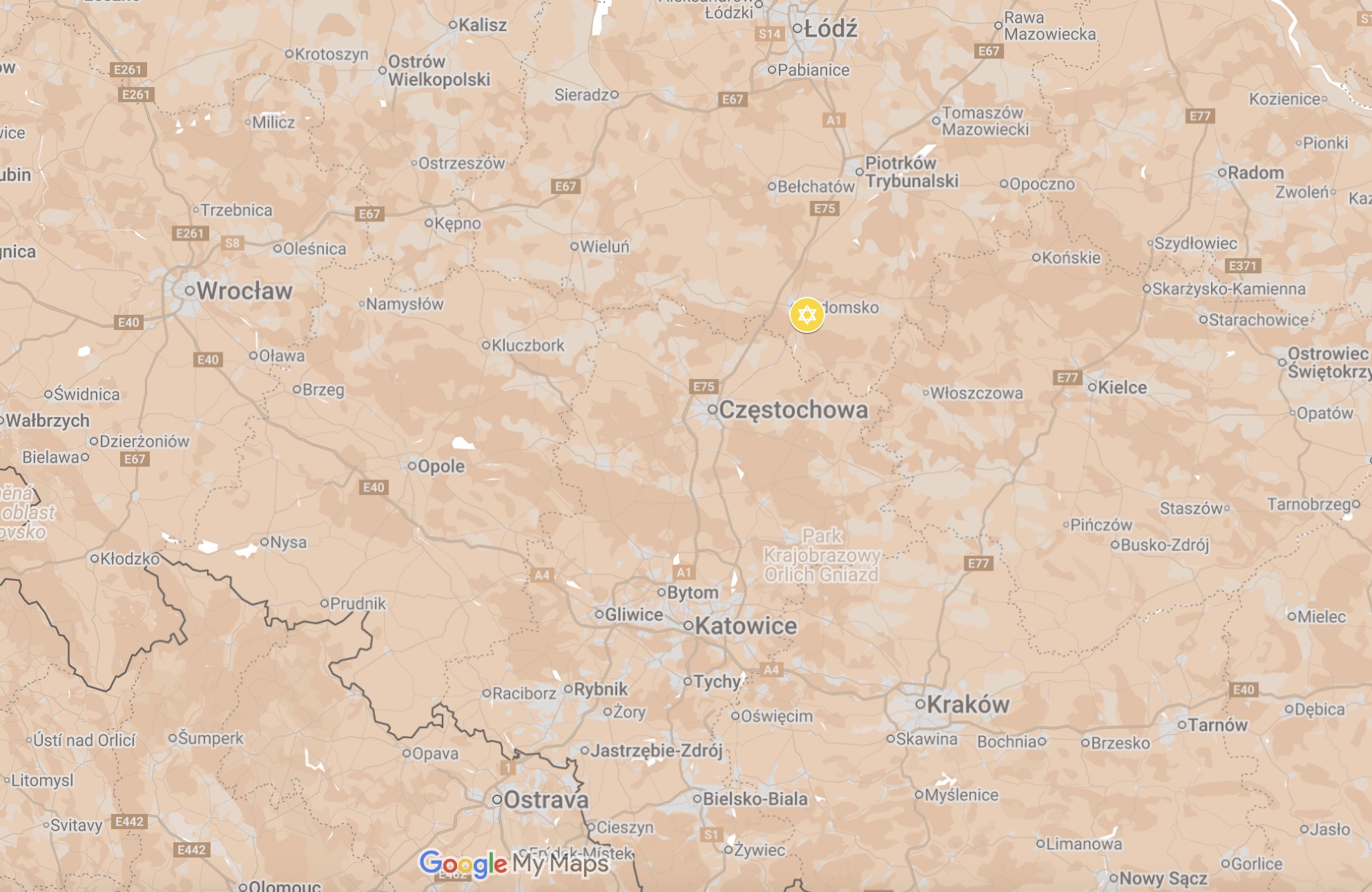
The Strzałków Ghetto was one of a network of ghettos set up by Nazi Germany in which Jews were forced to live in occupied Poland. As with other ghettos in Czechoslovakia, Latvia, Lithuania and Poland, the Strzałków Ghetto was established to contain the region’s Jews and isolate them from the rest of the population until Nazi leadership could decide on an answer to the so-called “Jewish Question.”
The Boys and their families were forced to move from their homes and were held in ghettos in Nazi controlled Czechoslovakia, Latvia, Lithuania and Poland, where they spent years living in dire conditions. The ghettos were not designed for the vast numbers of people forced to find space to live within them. As a result, multiple families shared cramped and insanitary accommodation.
The Boys were teenage and child-Holocaust survivors, who were brought to the UK after the war for rest and rehabilitation.
Overview
The Strzałków Ghetto was established in the late autumn of 1941 following the Nazi occupation of the region. Located in the town of Strzałków, the ghetto was enclosed by barbed wire and wooden fencing, serving as a forced residential area for Jews from Strzałków and surrounding villages. The population grew quickly, with estimates suggesting that between 3,500 and 4,200 people were confined in the ghetto at its peak. As with many other ghettos, conditions deteriorated rapidly, exacerbated by overcrowding, food shortages, and disease.
Layout
The ghetto was located in the older, more impoverished section of Strzałków, around Szeroka and Miodowa Streets. Before the war, this area had housed a significant portion of the town’s Jewish population, many of whom were tradesmen and merchants.
The ghetto was enclosed with makeshift barriers and patrolled by members of the Jewish Police (Jüdischer Ordnungsdienst), under the oversight of German authorities and their Polish police counterparts. There was one heavily guarded official entrance and exit gate, and small openings in the fencing were used secretly for smuggling food and other essentials.
Daily Life
Housing within the ghetto often lacked running water or proper sanitation. Entire families, and sometimes multiple families, were forced to share single rooms. There was no formal medical infrastructure apart from a makeshift clinic run by Jewish doctors with little access to medical supplies.
Rations consisted of black bread, thin soup, and occasional scraps of potatoes or groats. Starvation was widespread and many resorted to smuggling from outside the ghetto despite the severe penalties imposed on those caught.
Jewish residents were required to perform forced labour, either within the ghetto itself or in nearby factories and workshops. The Germans set up several small industrial sites within the ghetto, including a tailoring workshop that produced uniforms for the Wehrmacht and a cobbler’s shop repairing boots for German soldiers, where residents were foced to work.
Education was officially prohibited, but clandestine Jewish schools operated, and religious life also continued in secret, with prayer groups meeting in private homes.
Deportations
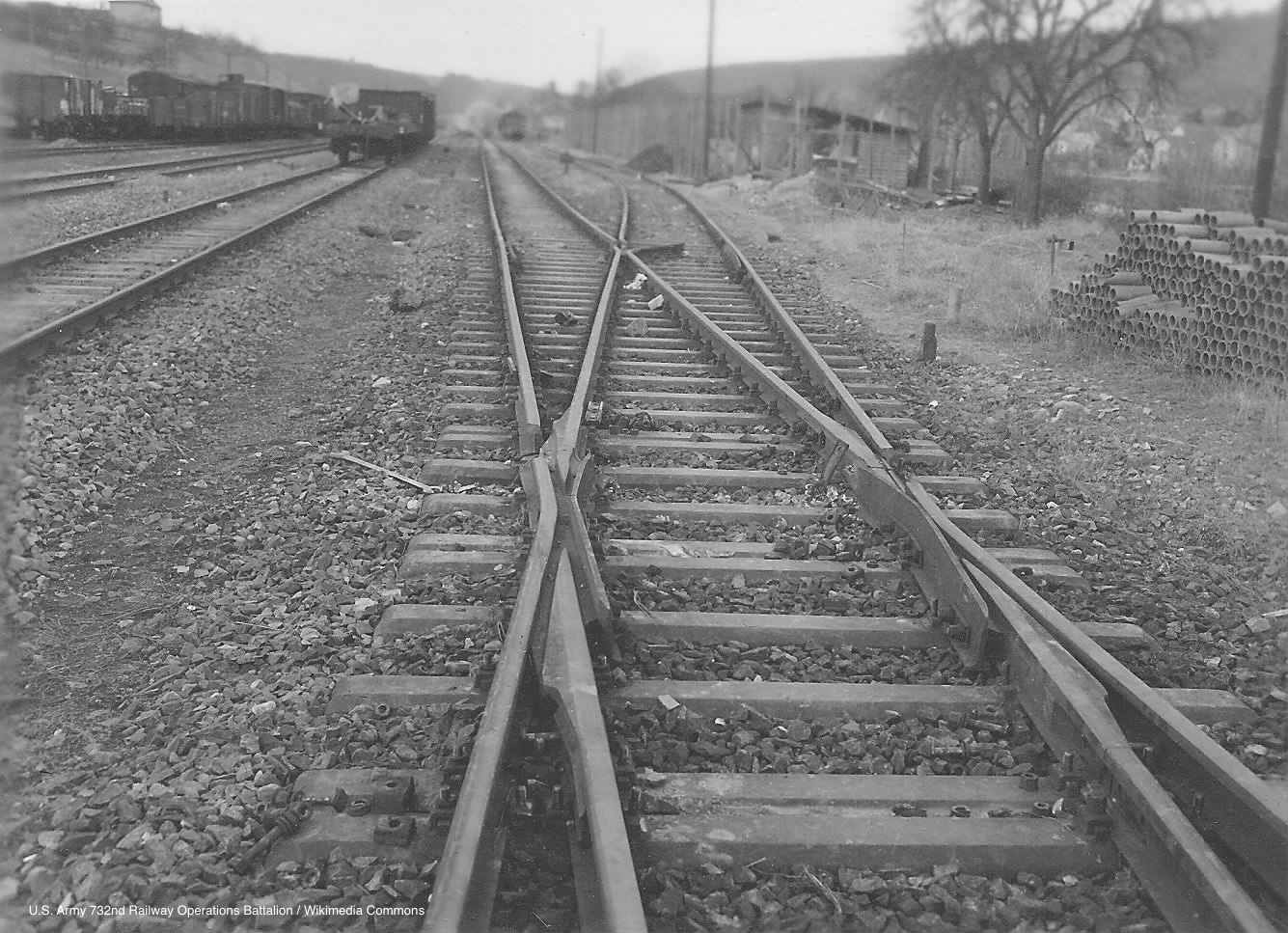
The first major deportation from the Strzałków Ghetto took place in June 1942, as part of Aktion Reinhard. Nazi and local police units, assisted by members of the Ukrainian Auxiliary Police, surrounded the ghetto before dawn. Residents were ordered to assemble in the central square, where selections were carried out. An estimated 2,000 people, mainly the elderly, children, and those unable to work, were loaded onto cattle cars and sent to the Bełżec extermination camp, where they were murdered upon arrival.
Further deportations followed in August and October 1942, reducing the ghetto’s population to approximately 800-1,000 individuals who were deemed fit for labour. Many of these remaining residents were transferred to the Poniatowa labour camp, where they were forced to work in textile and arms productions.
Liquidation
The final liquidation of the Strzałków Ghetto took place on 23 March 1943. The remaining Jews were rounded up in an operation led by SS officers and Ukrainian auxiliaries. Some were executed on the spot, while the majority were transported to Majdanek concentration camp. A small group of artisans and skilled labourers were spared, only to be murdered in a mass execution on the outskirts of the town weeks later.
Jewish Resistance
While armed resistance within the ghetto was limited, some individuals managed to escape and join partisan groups operating in the forests of south-eastern Poland. Some joined the People’s Guard (Gwardia Ludowa), engaging in sabotage operations against Nazi supply lines. Others attempted to flee to nearby towns where they were hidden by Polish families, though few survived.
Memorialisation
Today, there is a small memorial plaque was erected in the 1990s at the site where deportations took place, with an inscription in Polish, Hebrew, and English. A few Jewish tombstones can be found in the town’s old Jewish cemetery, now largely overgrown. Each year, a small commemoration is held by descendants of survivors and local historians to honour the memory of the victims. To find out more about Łódź Province and the Boys who grew up there click here.
 About
About History
 Education
 Quilts
 FIlms
FIlms Photos
 News Media & Events
 Publications
 Donate