Members of the Boys were imprisoned in a network of ghettos by the Nazis across eastern Europe between 1939-45.
The Boys were teenage and child-Holocaust survivors, who were brought to the UK after the war for rest and rehabilitation.
The Boys and their families were forced to move from their homes and were held in ghettos in Nazi controlled Czechoslovakia, Latvia, Lithuania and Poland, where they spent years living in dire conditions. The ghettos were not designed for the vast numbers of people forced to find space to live within them. As a result, multiple families shared cramped and insanitary accommodation.
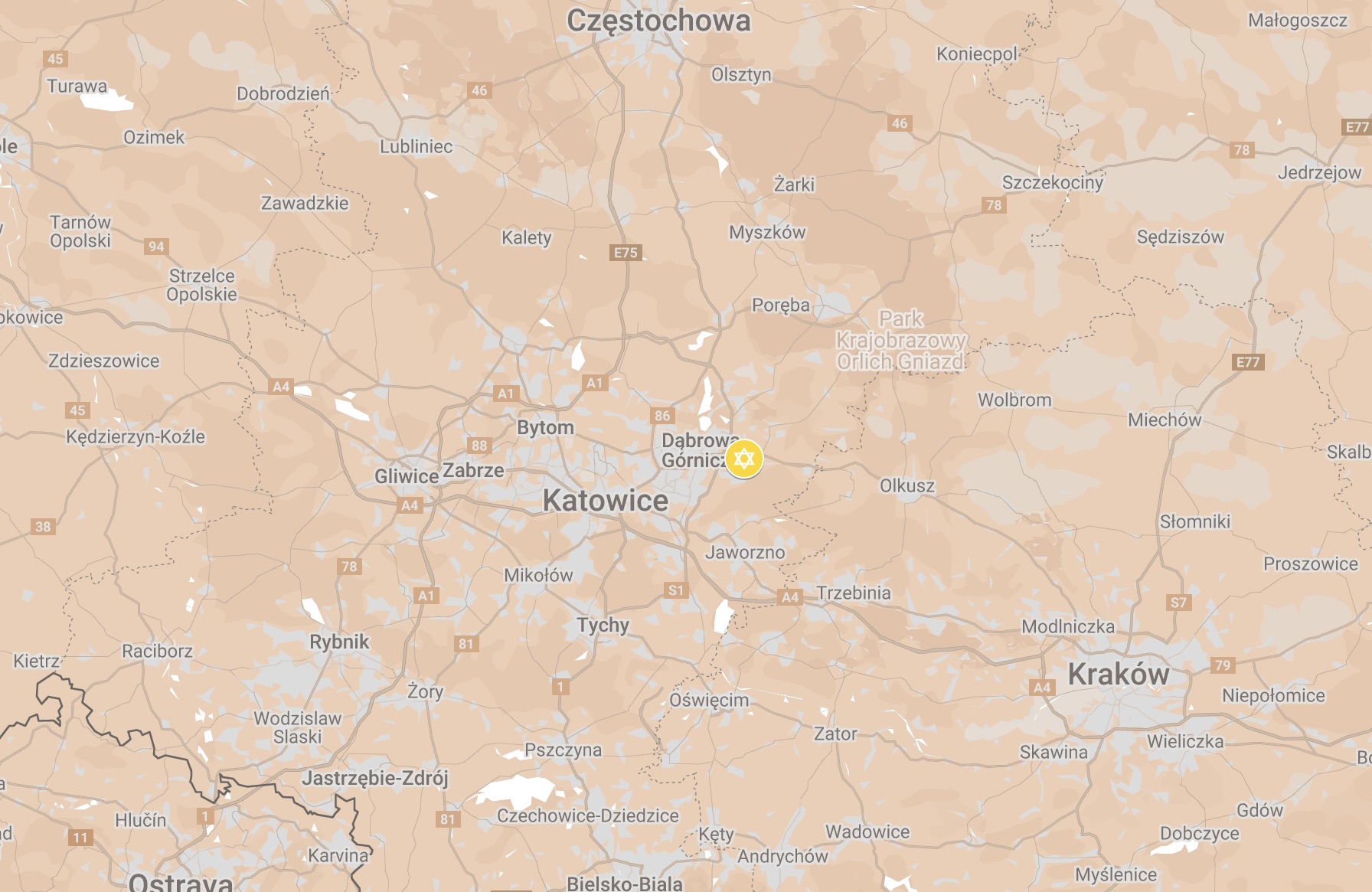
Strzemieszyce is located about 18km northeast of Katowice. Strzemieszyce Wielkie is currently a district of Dąbrowa Górnicza. German forces entered Strzemieszyce on September 5, 1939. The area was incorporated into the Third Reich.
Before the war, there were around 2,000 Jews living in Strzemieszyce. Persecution of the Jews began immediately.
Overview
In April 1942, the Germans established a ghetto in Strzemieszyce, located in the area of Długa Street (today’s Gruszczyńskiego Street), an area where Jews had not previously lived. Jews from Strzemieszyce Wielkie, Strzemieszyce Małe, Sławków and the surrounding towns were imprisoned there.
Daily Life
Jews were forced to work sorting scrap metal and as tailors. In 1942, about 500 prisoners were resettled to Będzin.
Deportations & Liquidation
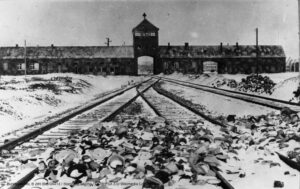
Auschwitz-Birkenau concentration camp.
In May 1942, about 400 people were deported to the Auschwitz II-Birkenau concentration and extermination camp.
The ghetto was liquidated in June 1943. A further 728 Jews were murdered in Auschwitz II-Birkenau.
Only around 70 Jews from Strzemieszyce are estimated to have survived the German occupation.
Memorialisation
In 1996, a commemorative plaque was placed on the building at the corner of Gruszczyńskiego and Towarowa streets.
 About
About History
 Education
 Quilts
 FIlms
FIlms Photos
 News Media & Events
 Publications
 Donate