Members of the Boys were imprisoned in the Theresienstadt Ghetto.
The Theresienstadt Ghetto was one of a network of ghettos set up by Nazi Germany in which Jews were forced to live in occupied Poland. As with other ghettos in Czechoslovakia, Latvia, Lithuania and Poland, the ghetto was established to contain the region’s Jews and isolate them from the rest of the population until the Nazi leadership could decide on an answer to the so-called “Jewish Question.”
The Boys and their families spent years living in dire conditions. The ghettos were not designed for the vast numbers of people forced to find space to live within them. As a result, multiple families shared cramped and insanitary accommodation.
The Boys were teenage and child-Holocaust survivors, who were brought to the UK after the war for rest and rehabilitation.
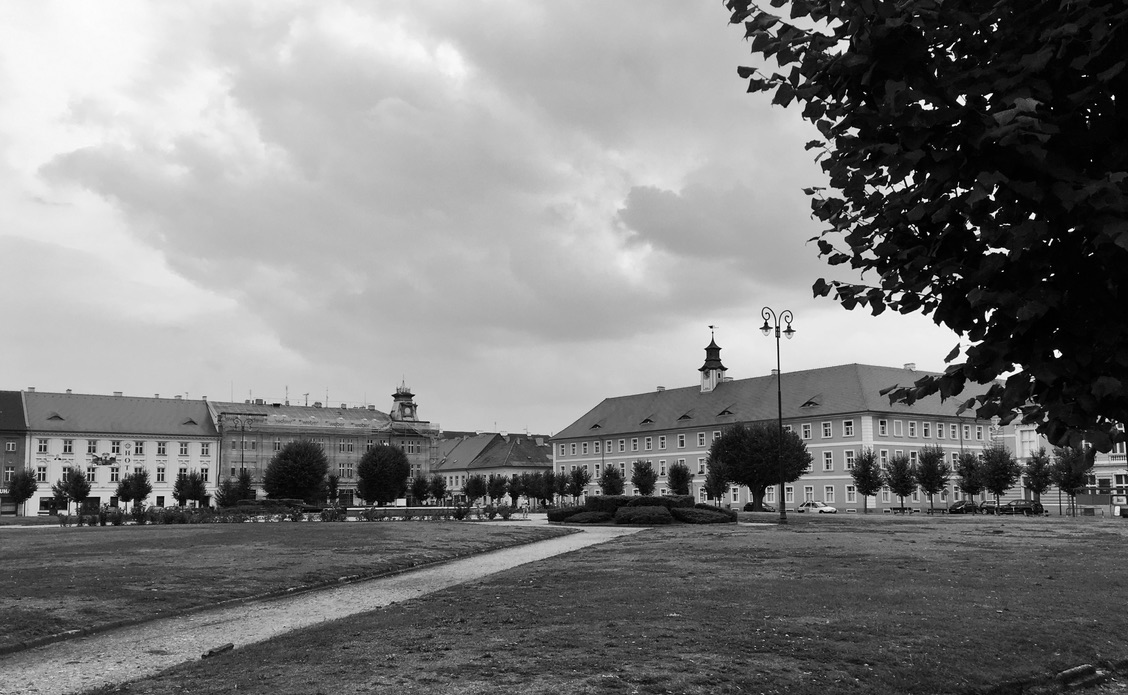
Theresienstadt
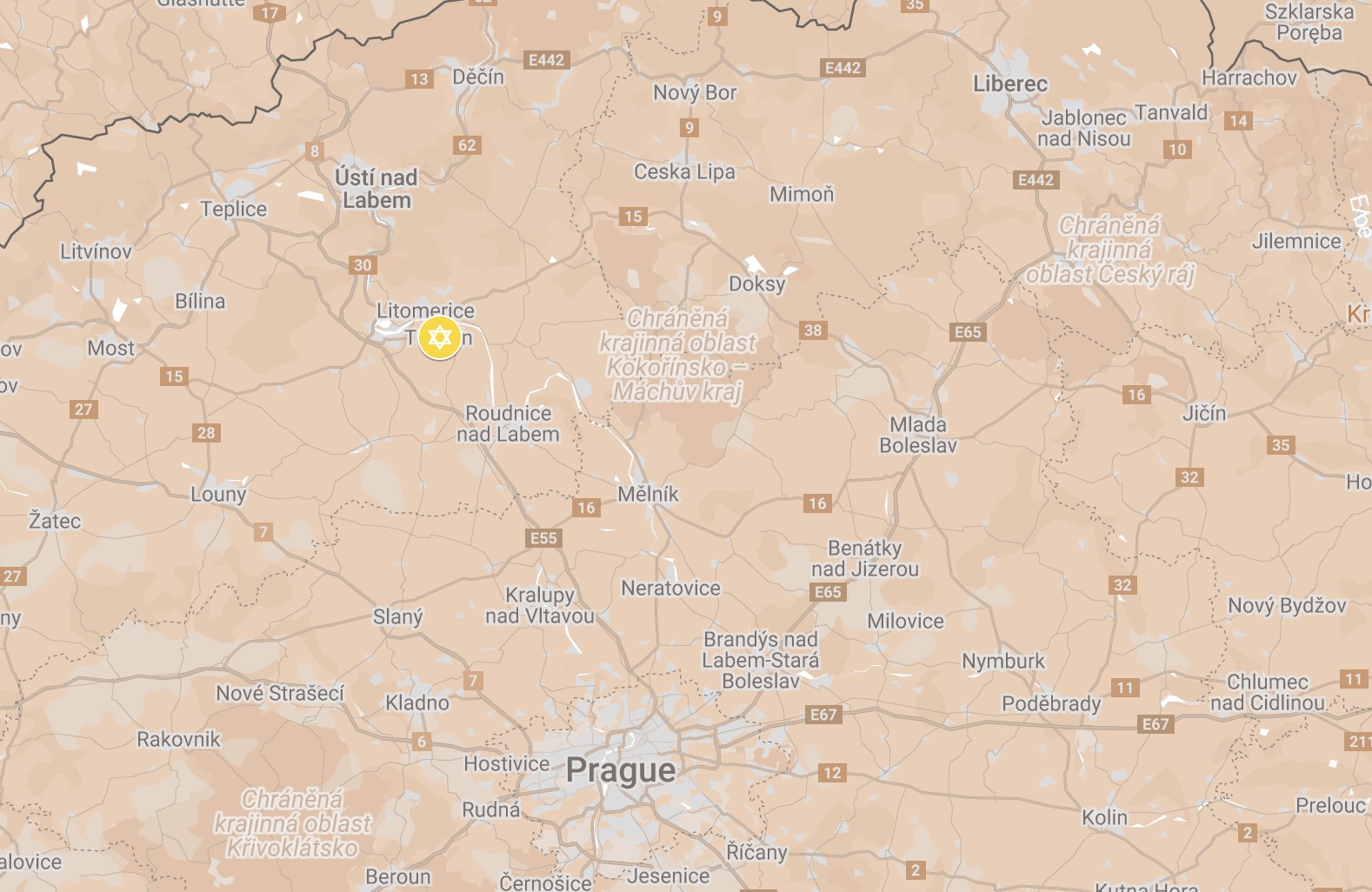
Theresienstadt (Terezín in Czech) is the German name for the former garrison town and fortress some 70km north west of Prague that was used as a ghetto and as a propaganda tool by the Nazis. It holds a unique place in the history of the Holocaust and played a vital part in the story of the Boys.
Overview
The fortress at Theresienstadt was built in 1780 by Emperor Joseph II to resist a Prussian attack on the Austro-Hungarian Empire. It served the Nazis perfectly as a ghetto and transit camp for Czech, German and Austrian Jews.
The ghetto was established by the transportation of Czech Jews in November 1941.
Approximately 150,000 Jews, mostly from the Protectorate, Germany, and Austria, passed through Theresienstadt and nearly 90,000 were deported to almost certain death further east. Roughly 33,000 died in Theresienstadt itself. Around 15,000 children passed through the ghetto and were cared for in a series of children’s homes. Many members of the Boys spent time in the Theresienstadt Ghetto and hundreds arrived in the ghetto on death marches and death trains in the final weeks of the war.
Structure
Theresienstadt is made up of main fortress and the Small Fortress on opposite sides of the Eger River. The ghetto was in the main fortress while the Small Fortress served as a prison. Until 1942 non-Jewish Czechs remained in the ghetto. They were expelled in the summer of 1942 and the ghetto was sealed.
Unlike other concentration camps, was not administered by the SS Main Economic and Administrative Office. Instead, the SS commandant reported to Hans Günther, the director of the Central Office for Jewish Emigration in Prague, whose superior was Adolf Eichmann.
The ghetto was guarded by 150–170 Czech gendarmes at one time. There was also a Jewish police force.
 “I spent two years in Theresienstadt. During that time, I lived in the moment and just got on with it. You can’t be anxious or in a panic for two years. Later, you can reflect on what it was like but, at the time, you just go on living, surviving. You do what you have to do.
The paradox is that my cultural education began in Theresienstadt. We were not a cultural household but thanks to the Jewish artists and musicians incarcerated in Theresienstadt, there were operas and concerts. For the first time I heard a sung performance of Verdi’s ‘Requiem’, ‘La Boihème‘, ‘The Bartered Bride‘ and piano recitals including the ‘Kreutzer Sonata’. I sang in a choir. The Germans allowed things to go on as a propaganda tool. I attended one performance of ‘The Magic Flute‘, an opera written by Mozart, with my mother. It was the first and last such occassion. Shortly after that, we were taken to Auschwitz.”
Lydia Flokart, now Lydia Tischler, Freud, Hitler and Me (My Voice, 2025)
Daily Life
Most prisoners had to live in overcrowded collective dormitories with sixty to eighty people per room; men, women, and children lived separately. The overcrowding was extreme.
Conditions in the ghetto were deliberately engineered to hasten the death of its prisoners. Because of the unhygienic conditions in the ghetto and shortages of clean water, medicine, and food, many prisoners fell ill with scarlet fever, typhoid, diphtheria, polio, or encephalitis. The freezing winter of 1942-43 exacerbated the problems. Makeshift hospitals run by the prisoners were set up.
The ghetto was run by a Jewish council and conditions in the ghetto depended on a prisoner’s status as there was considerable corruption among the leadership.
Unlike in other ghettos, slave labour was not a major factor in the ghetto economy. Over 90% of labour was used for maintenance.
The Theresienstadt Ghetto was exceptional as it had a rich cultural life that far exceeded that in other Nazi ghettos. Many leading artists, musicians, writers and academics were transported to the ghetto, which was known for its concerts and lectures.
Although all prisoners were Jewish according to the Nuremberg Laws, deportees came from a wide variety of strains of Judaism and Christianity; others were atheists. Some Jews brought their Torah scrolls, shofar, tefillin, and other religious items with them to the ghetto, where there was a prayer room.
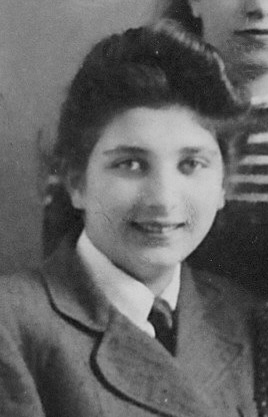
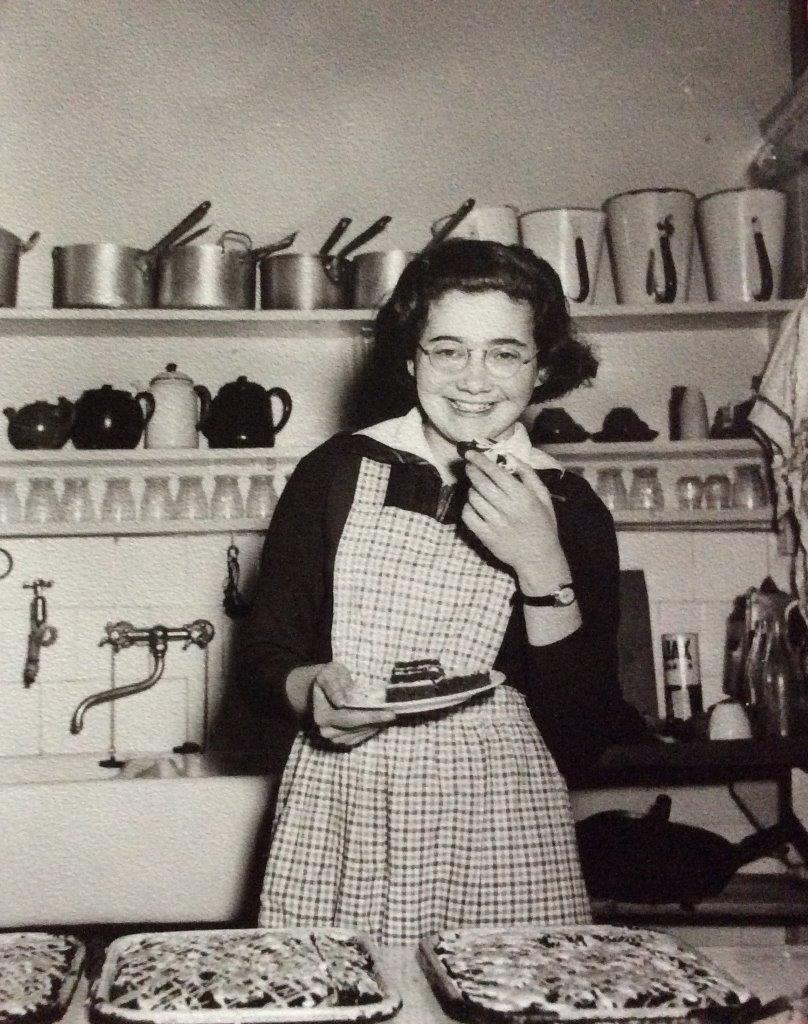
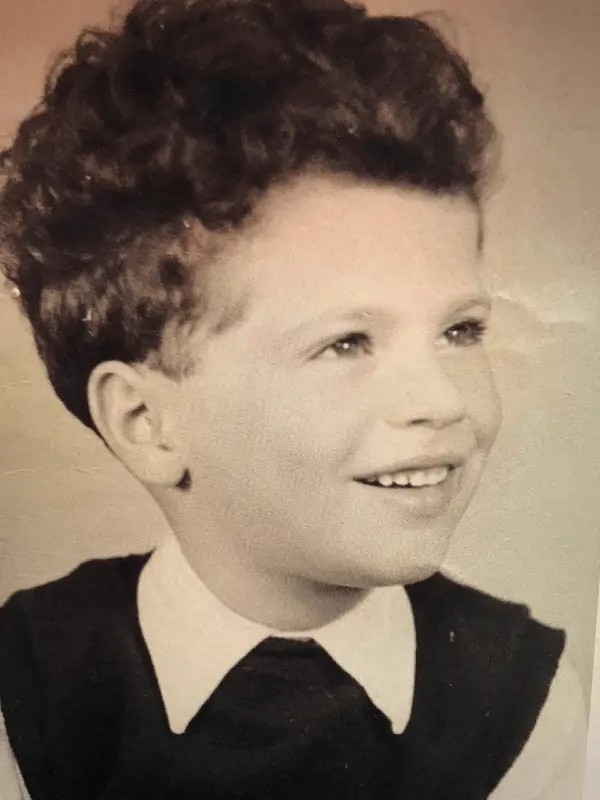
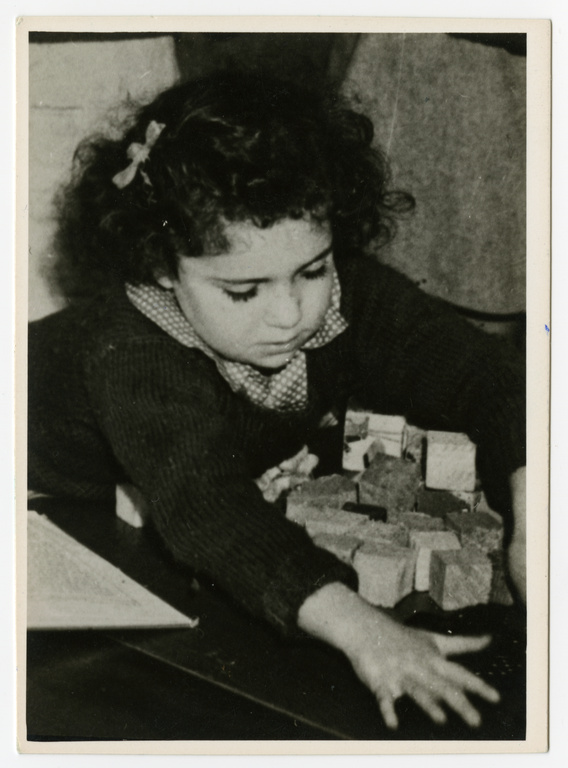
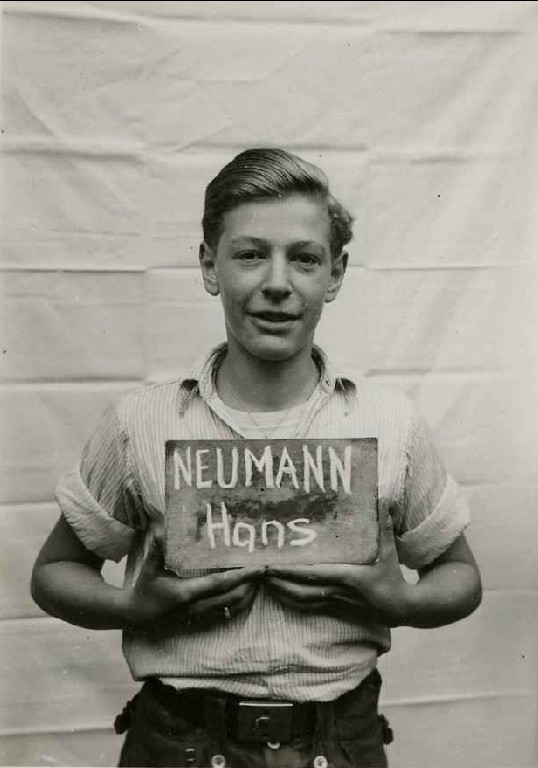
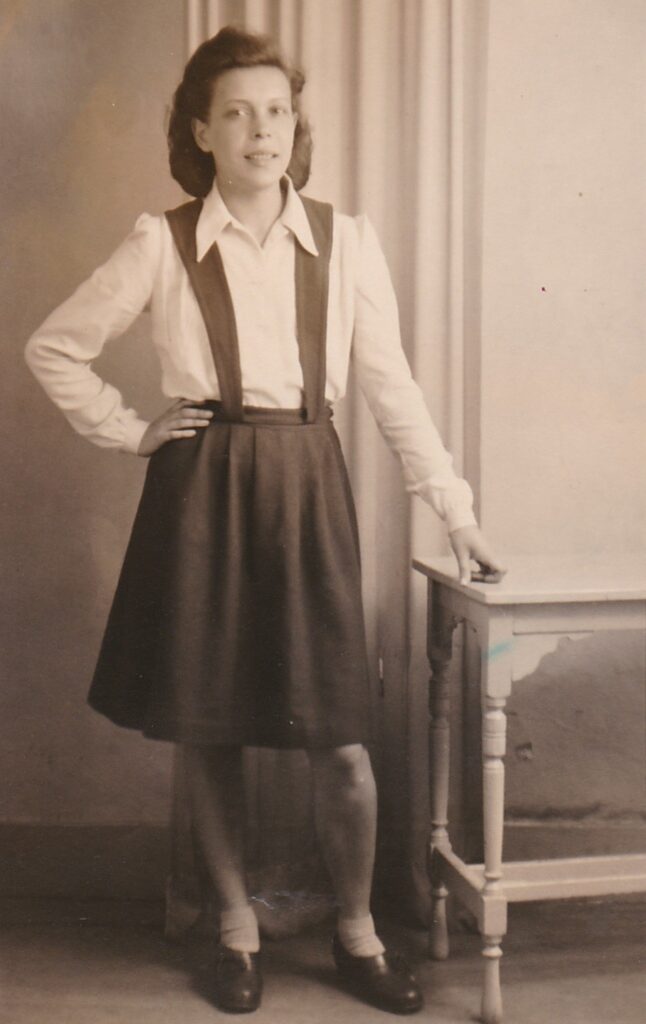
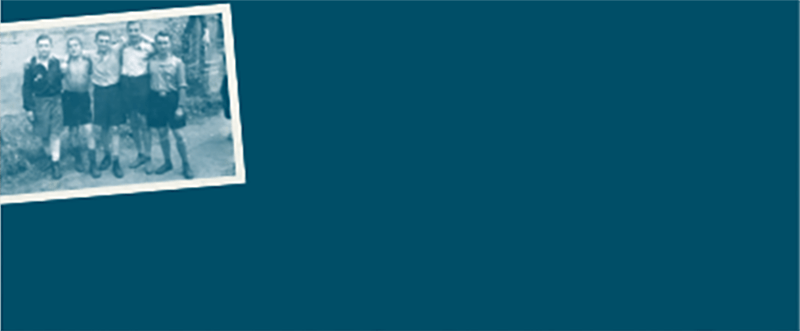
Some of the Boys held in the ghetto, all pictured after the liberation.
The Boys in the Ghetto
About 15,000 children lived in the Theresienstadt Ghetto, of whom about 90% perished after deportation.
The Youth Welfare Office was responsible for their housing, care, and education. Before June 1942, when the Czech civilians were evicted from the town, children lived with their parents in the barracks and were left unsupervised during the day. After the eviction, some of the houses were taken over by the Youth Welfare Office for use as children’s homes. Zionists regarded the youth homes as hakhshara (preparation) for future life on a kibbutz in Palestine.
The intention was to keep the children somewhat insulated from the harsh conditions in the ghetto. Within each house, children were assigned to rooms by gender and age. Their housing was superior to that of other inmates and they were also better fed.
Although education was forbidden, the teachers continued to clandestinely teach general education subjects including Czech, German, history, geography, and mathematics. Study of the Hebrew language was mandatory despite the increased danger to educators if they were caught.
Children also participated in cultural activities in the evenings after their lessons. Hundreds of children made drawings under the guidance of the Viennese art therapist Friedl Dicker-Brandeis.
Deportations
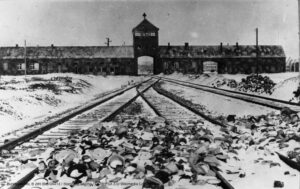
Auschwitz-Birkenau concentration camp.
The SS began to move Jews out on a series of transports ‘to the East’. Over 88,000 people were deported from Theresienstadt between 9 January 1942 and 28 October 1944.
The first transport from Theresienstadt left on 9 January 1942 for the Riga Ghetto. It was the only transport whose destination was known to the deportees. Most of the people deported from Theresienstadt in 1942 were killed immediately, either in the death camps or at mass execution sites in the Baltic States and Belarus.
In January 1943, 7,000 Jews were deported to Auschwitz II-Birkenau concentration and extermination camp. There were further deportations from September 1944 when the majority of the remaining ghetto population of 18,401 people were taken to Auschwitz II-Birkenau in eleven transports, the last of which left the ghetto on 28 October.
Nazi Propoganda
The arrest of 481 Danish Jews, before they could escape to Sweden in October 1943, caused an outcry in Scandinavia. This prompted the Nazis to invite the International Committee of the Red Cross to visit Theresienstadt in an attempt to dispel rumours of the concentration camps and extermination camps that had been set up by the Nazis in the eastern occupied territories. In April 1944, Theresienstadt was thus transformed into a model ghetto with playgrounds, libraries and schools. As part of the preparations for the planned deception of the visitors, thousands of prisoners were deported to Auschwitz from Theresienstadt in order to reduce overcrowding before the Red Cross arrived.
While the preparations for the Red Cross visit were underway, the SS had meanwhile ordered a prisoner, probably Jindřich Weil, to write a script for a propaganda film. Filming took place during eleven days between 16 August and 11 September 1944. The film, officially named Theresienstadt. Ein Dokumentarfilm aus dem jüdischen Siedlungsgebiet (“Theresienstadt: A Documentary Film from the Jewish Settlement Area”), was dubbed Der Führer schenkt den Juden eine Stadt (“The Führer Gives a City to the Jews”) by Jewish prisoners. It was intended to discredit reports of mass murder reaching the Western Allies and neutral countries, but it was only screened four times.
There was a second beautification process at Theresienstadt in March 1945 when leading Nazis tried to negotiate a separate peace deal with the Americans. They hoped to use the surviving prisoners as bargaining chips and, as Allied forces advanced in a pincer movement from east and west, prisoners were moved to the Theresienstadt Ghetto.
Before 20 April, 33,521 people died at Theresienstadt, and an additional 1,567 people died between 20 April and 30 June.
Liberation and Aftermath
The Red Cross took over administration of the ghetto and removed the SS flag on 2 May 1945. The SS fled on 5–6 May.
On 8 May, the Red Army liberated it at 9pm. The ghetto was then transformed into a huge displaced person’s camp. A quarantine was enforced for two weeks after which survivors were repatriated or moved on elsewhere.
A group of 300 young survivors were selected to be taken the Great Britain for rest and rehabilitation. They would become the first group of the Boys.
Czechoslovak authorities prosecuted several SS members who had served at Theresienstadt, including all three commandants.
Memorialisation
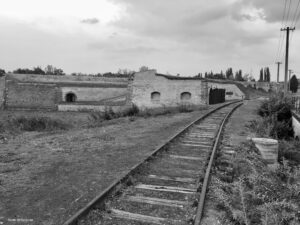
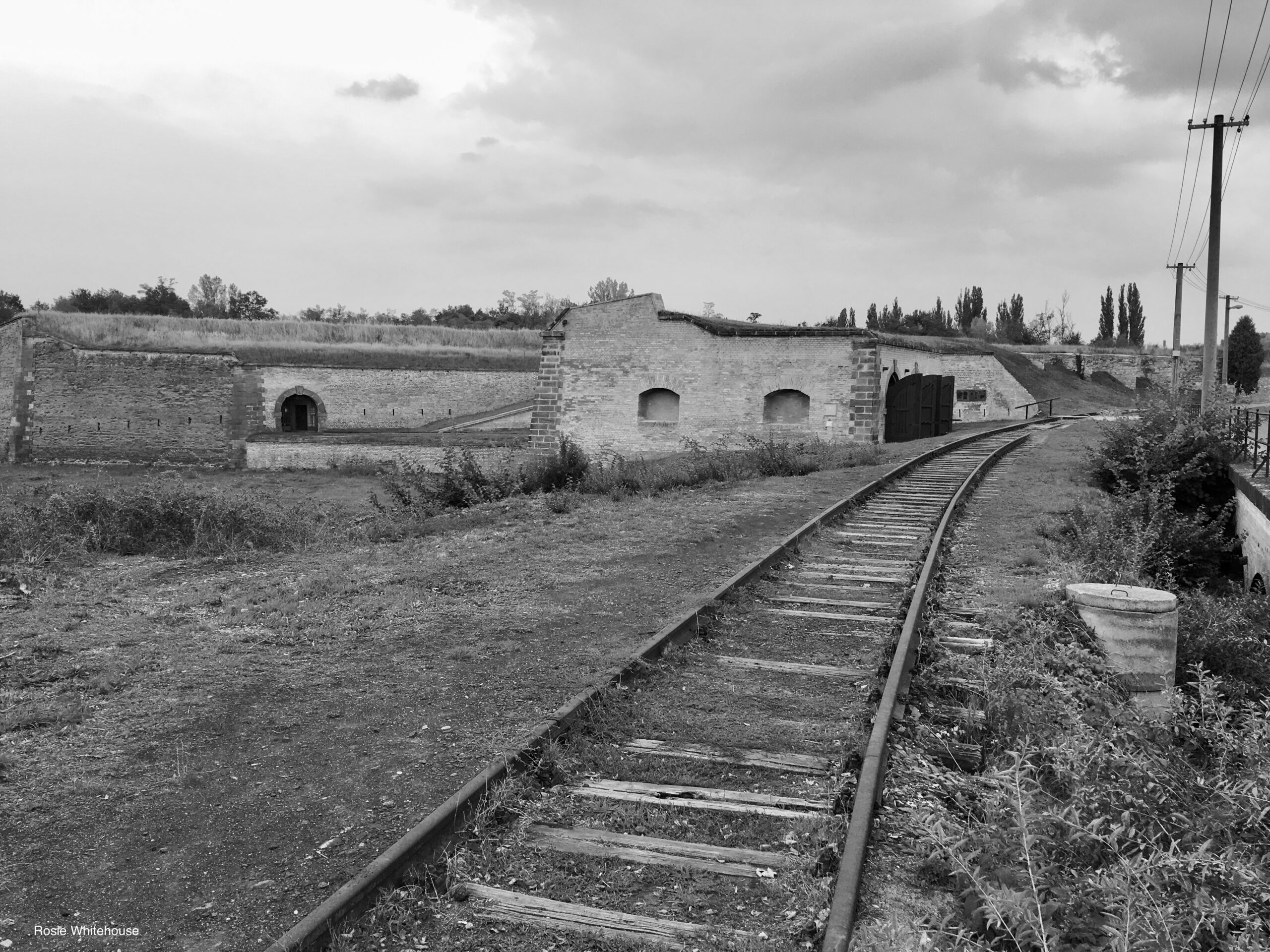
Railway lines in the former Theresienstadt Ghetto.
In 1947, it was decided to convert the Small Fortress into a memorial to the victims of Nazi persecution but the role that the town had played in the Holocaust was not recognised under communism. Memorial plaques in the former ghetto did not mention that it was Jews who were persecuted.
The Terezín Ghetto Museum was opened in October 1991, after the Velvet Revolution ended Communist rule in Czechoslovakia.
 About
About History
 Education
 Quilts
 FIlms
FIlms Photos
 News Media & Events
 Publications
 Donate