
The Boys were teenage and child-Holocaust survivors, who were brought to the UK after the war for rest and rehabilitation.
After arrival in the UK, members of the Boys spent time in the reception centres before being moved to children’s homes known as hostels. Others were sent direct to boarding school or yeshivas, and those who were sick spent time in sanatoriums.
Some of the members of the Boys were lucky enough to find relatives or were taken in by foster families but the majority were moved to hostels.
Alton was one of these hostels.
Overview
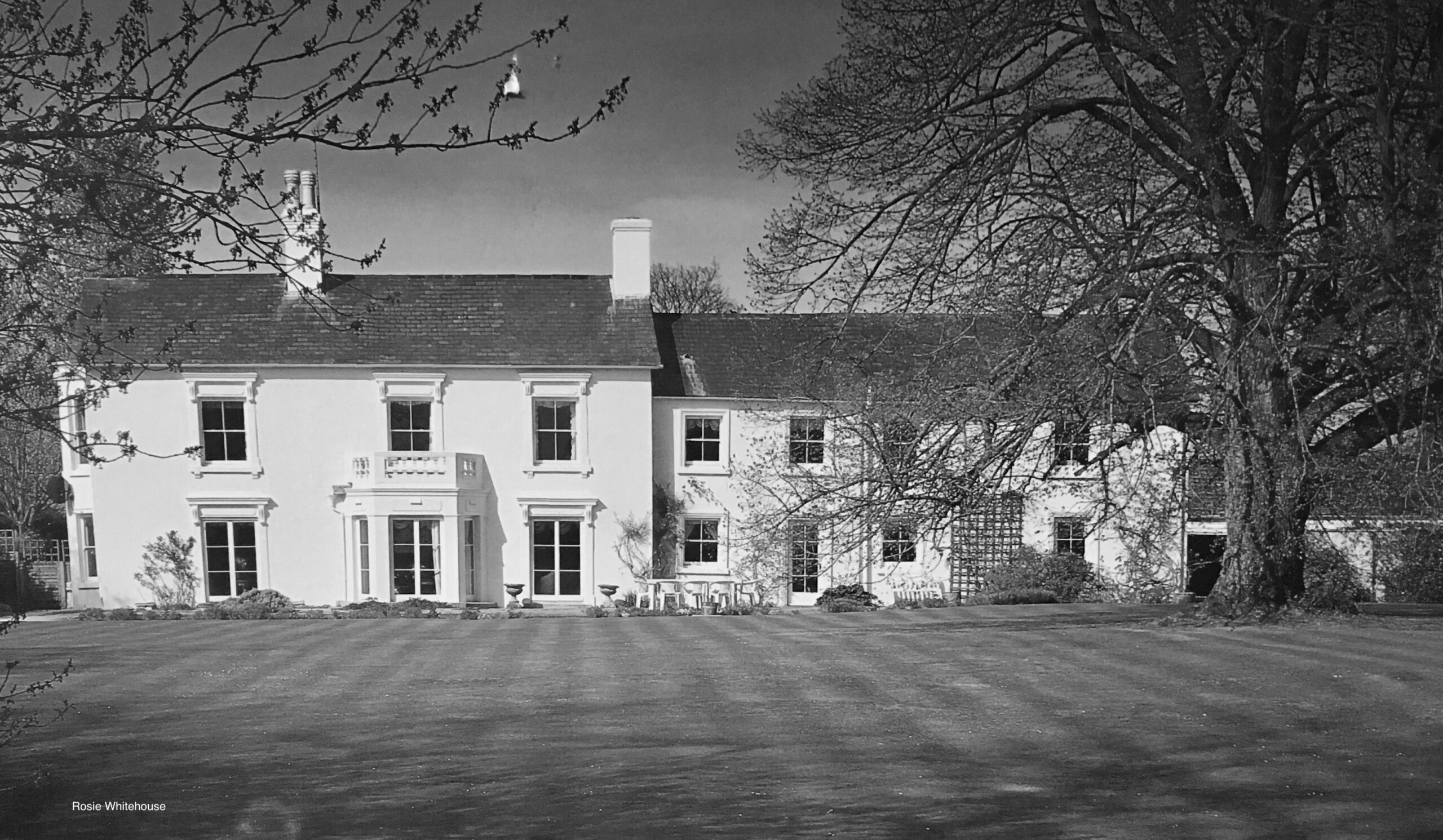
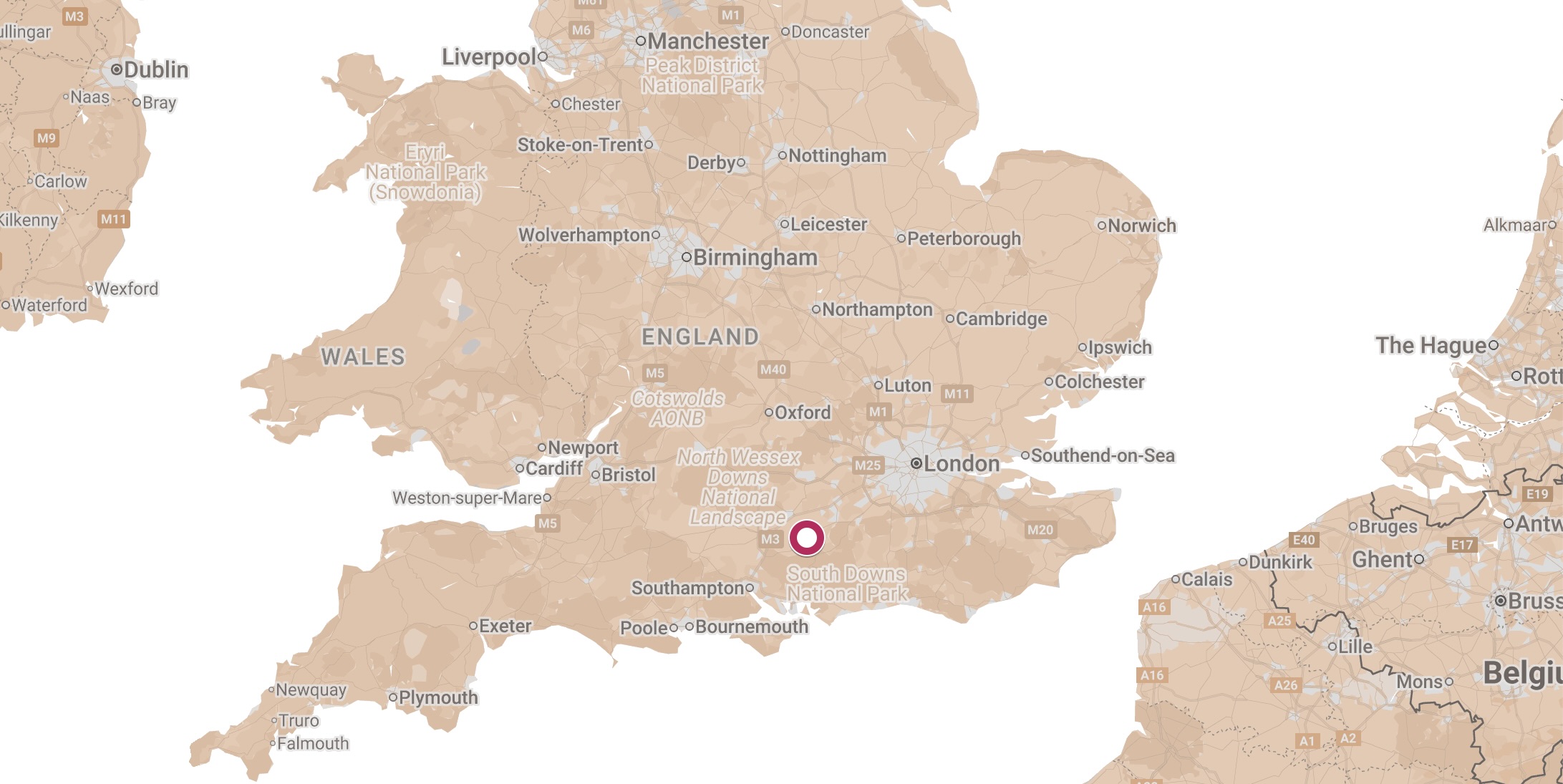
The hostel was at Overbury Court, a house outside Alton, in Hampshire in southeast England. It functioned from autumn 1945 to summer 1946.
HeChalutz, a secular Jewish youth movement that trained people for settlement in the Palestine Mandate, ran the hostel. They had also been involved in accommodating Kindertransport children.
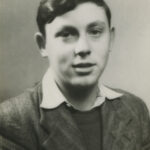
Max Schindler in 1946.
“The hostel provides everything we need. The instructors and counsellors tell us that they hope to build our physical and spiritual health, education, confidence and social skills. They also want each of us to eventually have a job skill, so we can become independent in the world …
Part of being at the hostel is participating in the care and maintenance of the building. We all have chores to do, to keep the place running. It is nothing like the demanding work we had in the camps, so we do our chores without complaint. In some ways, our chores remind us of life at home before the war. There is a predictability and resemblance of normalcy in performing the chores.”
Max Schindler Two Who Survived: Keeping Hope Alive While Surviving the Holocaust (MRS, 2023).
The House
Overbury Court is in a leafy lane with views of the surrounding countryside and is today a private home. When the Central British Fund (CBF) rented the house it had far more land than it does today and it was adjacent to a farm.
The layout of the house has hardly altered from the time when the Boys were there, although the kitchen is now located in a new wing. The sitting room has been extended to include the former study.
The Alton Story
The Committee for the Care of the Concentration Camp Children originally planned to use Overbury Court as a TB convalescent home. In 1942 the house was used by a group of Belgian child refugees who had arrived unexpectedly in the UK. They were invalids and suffered from TB. They were initially cared for at the hospital in Alton run by the TB specialist Sir Henry Gauvain.
Gauvain’s daughter, Suzette Murray, then brought the property. Murray never lived in the house, which was occupied by the Belgian children until July 1945. By the summer of 1945, Murray had qualified and was living in London. After her father’s death in January 1945, she may well have felt no connection with Alton anymore, as the hospital was due to be taken over by the new NHS.
The Boys arrived in autumn 1945. At the time, Alton was a busy place and was home to three prisoner of war camps. Two for captured German soldiers and one for Italians, so it is likely that Boys received little local attention.
As at all children’s homes across Europe after the liberation, a key element of the boys’ life involved cultural activities. While at the hostel the children were taken to see the Yiddish theatre in the East End. As at other hostels they were given second hand bicycles.
Interestingly, Perec Zylberberg, who was a member of the secular socialist Bund, recalls serious divisions over Zionism among the Boys.
In 1946, the Boys went on hunger strike as they considered the hostel to be badly run and because they did not get their pocket money allocated by the CBF.
Mr and Mrs Hauschild were the wardens, from the organisation Bachad. It was reported that they had been absent, as had the nurse, when one child had fallen ill. The strike convinced the CBF that the boys needed to be dispersed and new wardens appointed. Yet, despite this decision, the Hauschilds refused to move and instead became sub-wardens to Mr and Mrs Schneider.
Despite the change, the Committee for the Care of the Concentration Camp Children reported that there was still no discipline and no adherence to a timetable and there were concerns about the observance of Friday night.

 About
About History
 Education
 Quilts
 FIlms
FIlms Photos
 News Media & Events
 Publications
 Donate