The Boys were teenage and child-Holocaust survivors, who were brought to the UK after the war for rest and rehabilitation.
The Boys had survived the Holocaust as slave labourers in the Nazi concentration camp system, in hiding and by living alone.
After arrival in the UK, members of the Boys spent time in the reception centres before being moved to children’s homes known as hostels. Others were sent direct to boarding school or yeshivas, and those who were sick spent time in sanatoriums.
Some of the members of the Boys were lucky enough to find relatives or were taken in by foster families but the majority were moved to hostels.
Cazenove Road was one of these hostels.
Overview
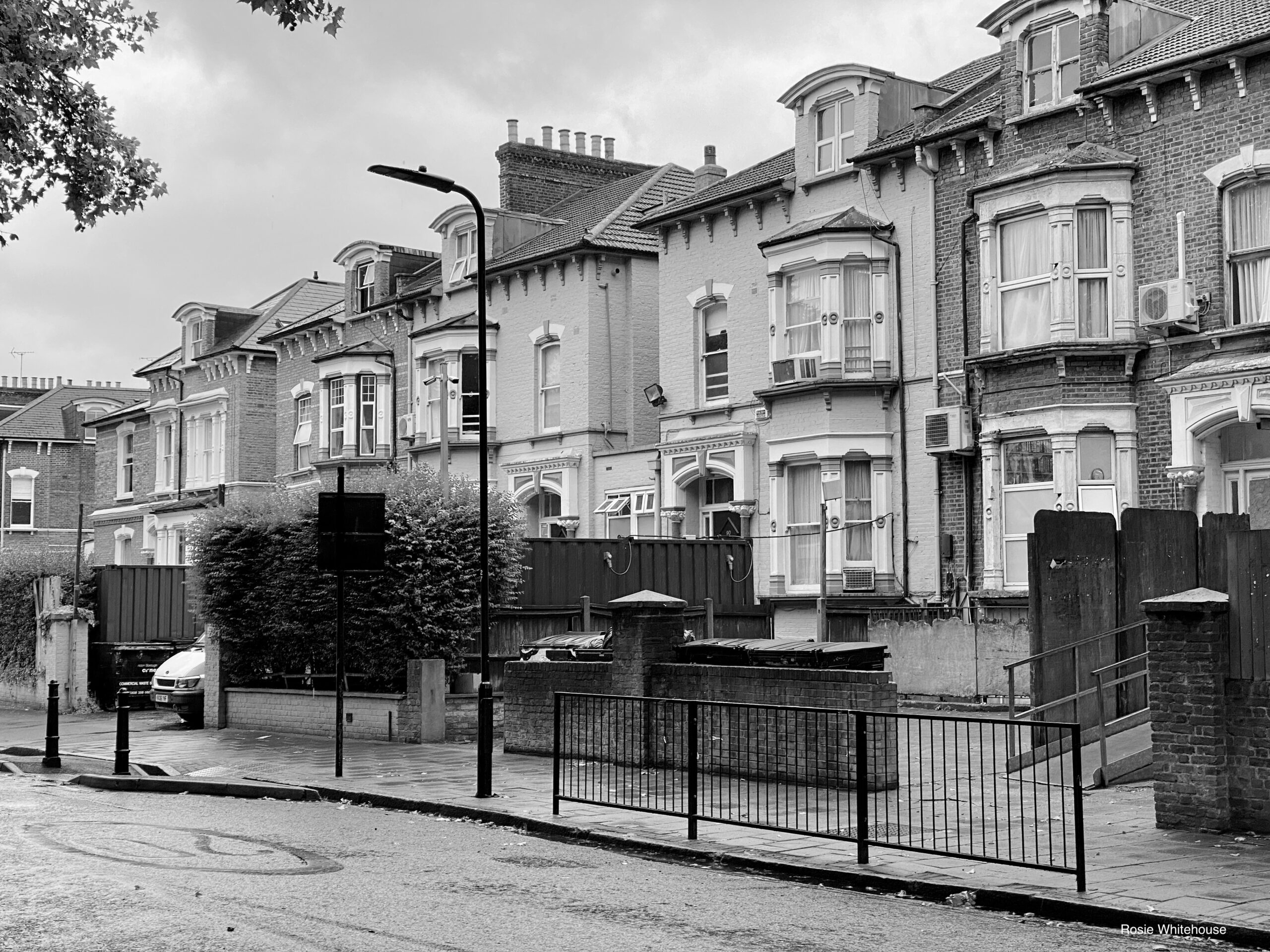
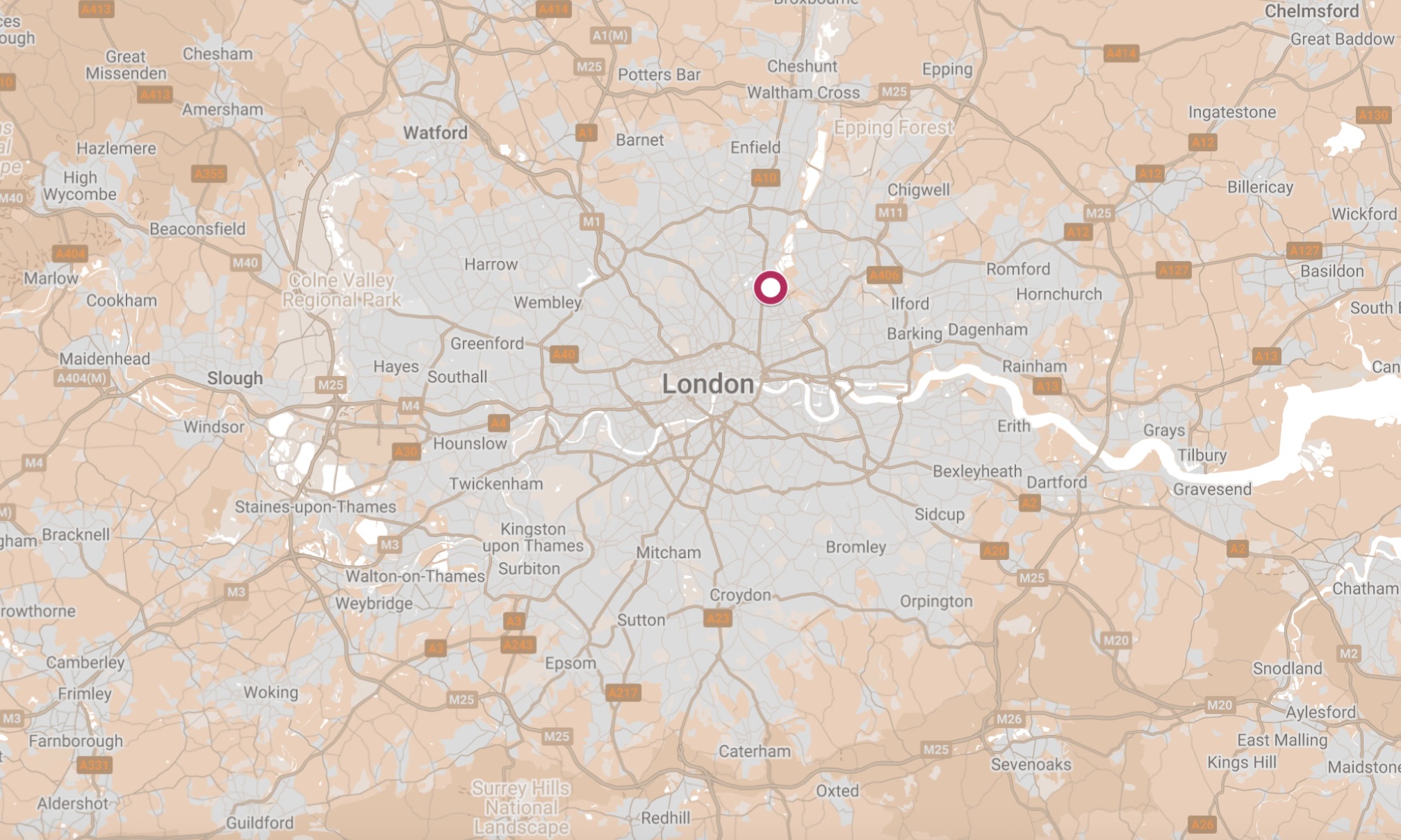
Cazenove Road is in Hackney, north London. It was used as a hostel for girls only from the late 1930s when the Kindertransport began. In 1945, the hostel was run by the religious Zionist organisation Bachad. They had their offices in Cazenove Road, where they ran a number of different hostels. Members of the Boys subsequently lived in some of these hostels while living in London.
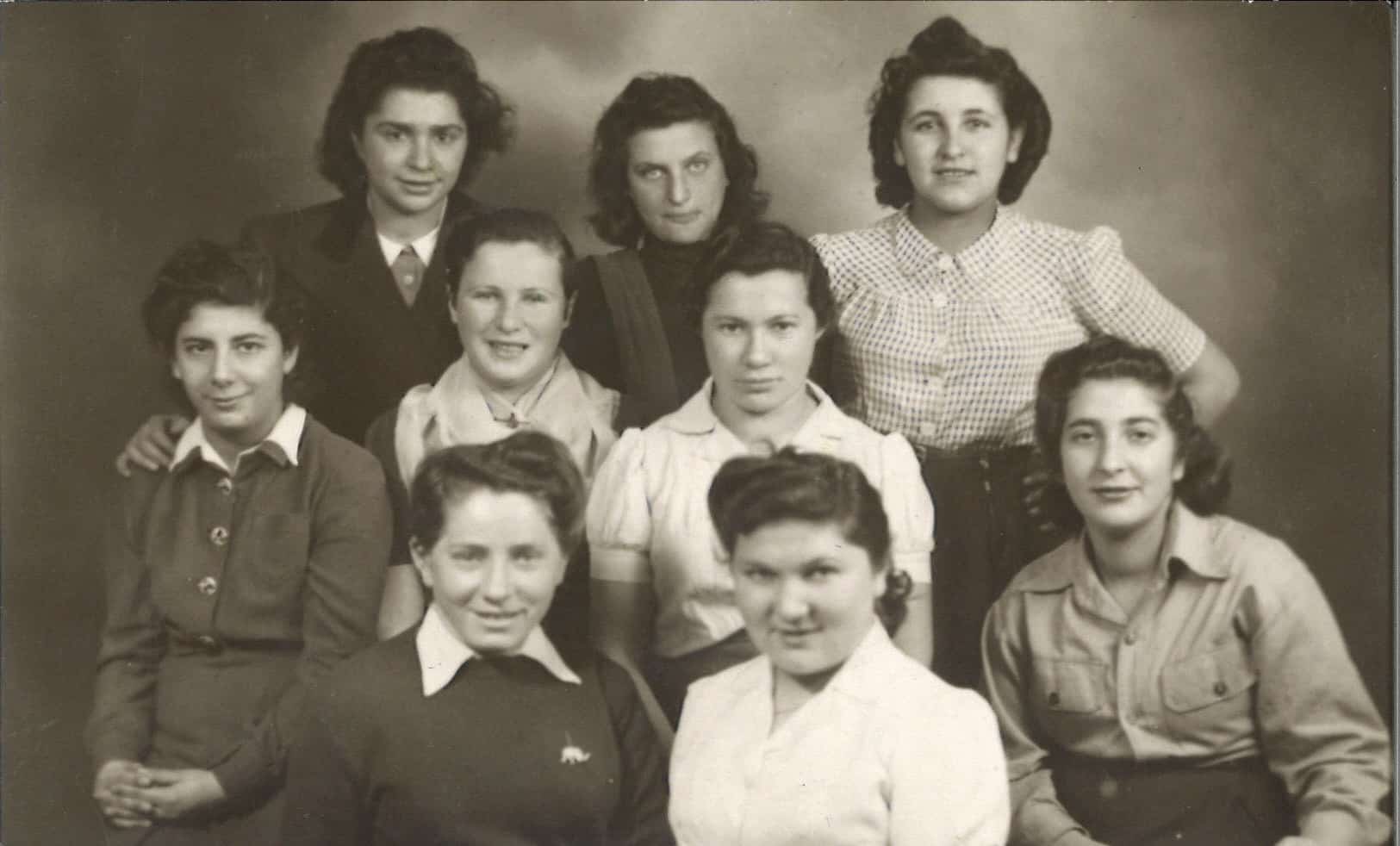
Eleven girls from the Boys arrived at the hostel in the spring of 1946. Six of them had come from the Great Chesterford hostel.
The Cazenove Road Story
The art therapist Marie Paneth was hired to teach the girls a wide range of subjects. Paneth had cared for the Windermere Boys after their arrival in the UK at the Calgarth Estate. Her classes took place in the morning. In the afternoon there were English lessons with another teacher, Celia Rose Eisenberg.
“When I started teaching them mathematics, I found them especially keen on the subject. They loved working through long and complicated calculations with brackets. Routine and seemingly boring repetition appeared to have an attraction for them. Through it, they gained the satisfaction of finding the hidden solution, clear, indisputable and neat, the sort of thing only mathematical problems could provide. They never tired of this work, and always wanted to carry on when we had to stop at the end of the morning.”
Marie Paneth, Rock the Cradle (2nd Generation Publishing, 2020).
Under Paneth’s guidance the girls studied the basics of science, history, geography and art. There were regular visits to London’s galleries and museums. The National History Museum, which was at the time closed to the public, arranged special private tours with the curators.
The girls all wrote frantically. They kept diaries and wrote poetry. Paneth’s account of the period shows how they reacted to differently to the male members of the Boys and processed their trauma in alternative ways.
Paneth includes this poem written by one of the girls in her book, Rock the Cradle (2nd Generation Publishing, 2020):
You smile at me,
Because now,
Empty and white as you still are,
As sheets
It is easy for you to smile.
Wait until
My writing shall make you dark.
How sad my writing makes everything look.
Two of the girls attended the local secondary school and they spent the summer at Thaxted Farm. At the time that the Boys were in Hackney, the borough had the highest density Jewish community in the country. A number of other members of the Boys stayed at the hostel, which also housed the girls from the fifth group of the Boys who arrived in 1948.
The Staff
The wardens were Mr Margulies and Mrs Margulies. Also on the staff were: Hannah Pelig and Miriam Salzberg, who had previously been at Great Chesterford. Marie Paneth was the teacher. Celia Rose Eisenberg, a social worker for the Committee for the Care of the Concentration Camp Children and gave English lessons. Mrs Mudhoff-Harris and Susi Phiebig were also members of staff.
Today, Cazenove Road is the heart of the ultra Orthodox community and there are many synagogues, schools and Jewish residences. The street is also home to many ethnic minorities and a mosque, reflecting the diversity of Hackney.
 About
About History
 Education
 Quilts
 FIlms
FIlms Photos
 News Media & Events
 Publications
 Donate