The Boys were teenage and child-Holocaust survivors, who were brought to the UK after the war for rest and rehabilitation.
The Boys had survived the Holocaust as slave labourers in the Nazi concentration camp system, in hiding and by living alone.
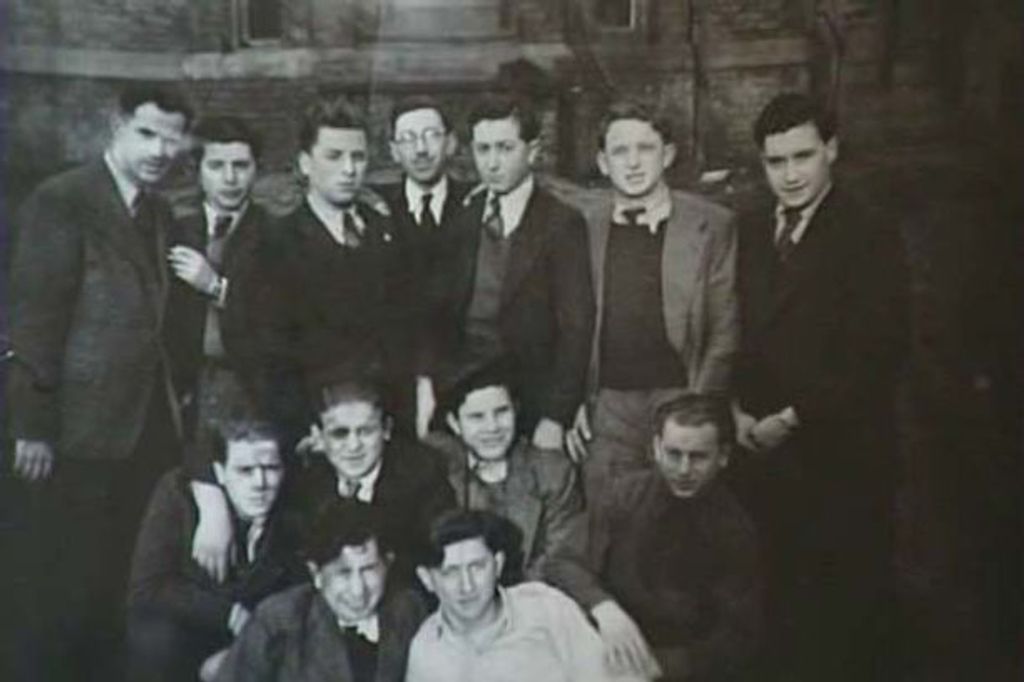
After arrival in the UK, members of the Boys spent time in the reception centres before being moved to children’s homes known as hostels. Others were sent direct to boarding school or yeshivas, and those who were sick spent time in sanatoriums.
Some of the members of the Boys were lucky enough to find relatives or were taken in by foster families but the majority were moved to hostels.
Northumberland Street was one of these hostels.
Overview
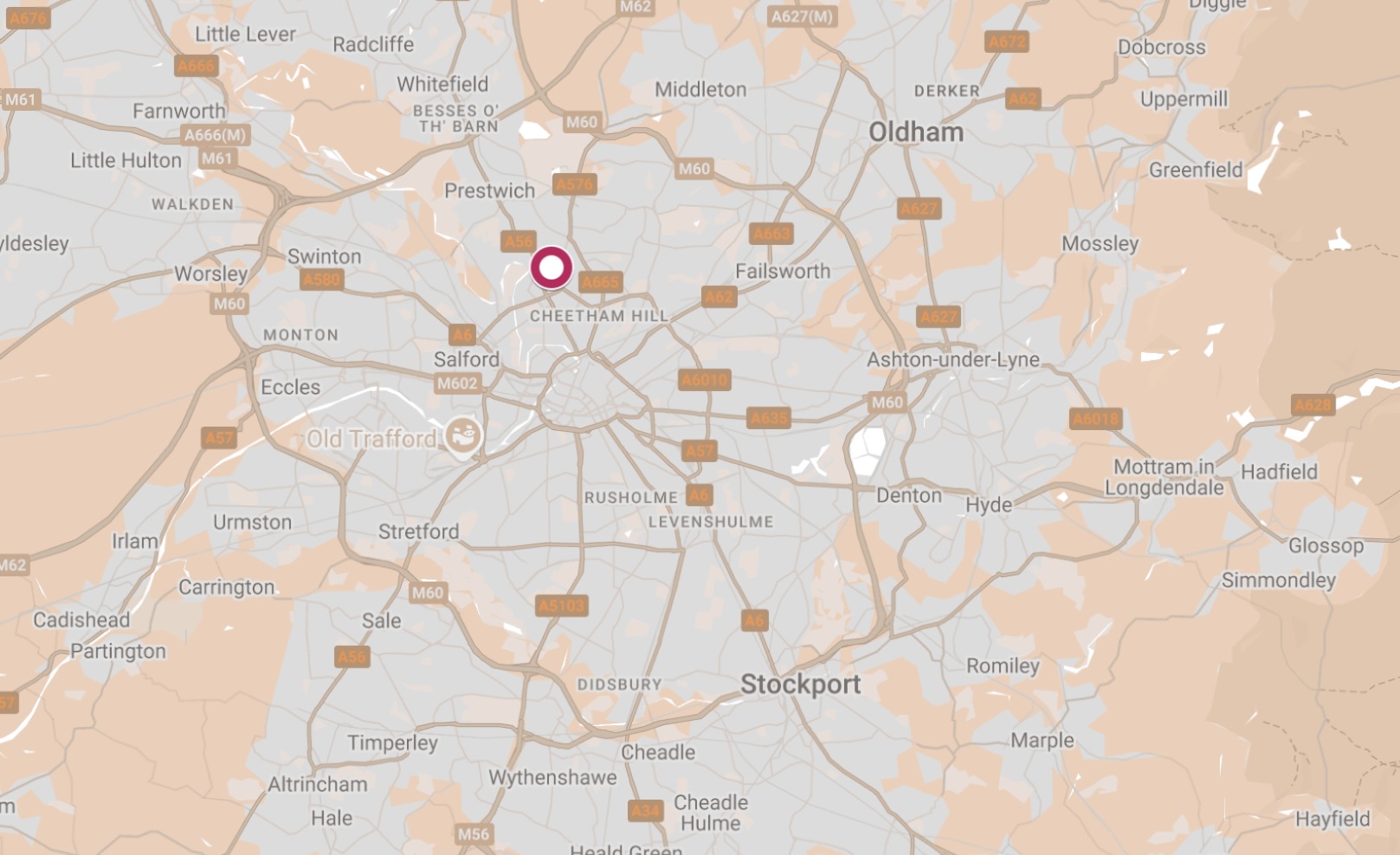
The hostel was in Salford, Manchester, in the north-west of England. It had previously been used to house Kindertransport children.
Manchester was an important hub for Jewish refugees who came to the UK. In the 1930s almost 8,000 Jewish refugees arrived in the city. The Manchester Jewish Refugees Committee, which had been set up in 1938, oversaw the running of the hostel. Its chairman was Rachel Barash.
The hostel was run by the religious Zionist organisation Bachad. Franz Pinchower, later Pine, and his wife Fanny were the wardens
The Northumberland Street Story
There was a dining room and the children queued up to be given their meals at a serving hatch. There were two sitting rooms, one of which contained a piano.
Fanny Pine described her experience in the AJR’s Refugee Voices Testimony Archive:
“In 1946 because my husband had the experience with youth, we were asked by the refugees committee here whether we would take charge of the hostel for children who had survived the camps. And, we didn’t know what we were letting ourselves in for because we had no idea what children like this were like and how to handle them …
We tried to bring them back to yiddishkeit, because they had given up, they didn’t want to know any more, although they had came from very religious homes, but because of all these experiences, they had lost faith and they didn’t want to know. We achieved a little, but actually, later on, after a year we thought the boys should not be together in a camp or hostel life, they should be with private families and they should learn to live a normal life. There were fights going on sometimes, you know, they accused each other, one called the other a kapo in the camp, you stole away the bread from, you know from, there were fights going on, really quite serious ones, we had to rush one into hospital. Nearly an eye was knocked out. It was not easy. They did not trust us. They thought we didn’t do enough for them, after what they had gone through, they wanted everything, whatever they wanted we should give them, bicycles, watches, whatever, they thought they deserved it, you know. And, we couldn’t give them everything, we were very much restricted, and also the money wasn’t there.”
Chiel Ingielman, who was in the hostel for 18 months, recalls visits to theatres and cinemas that were owned by members of the local Jewish community. He says, “We were given lessons in English and arithmetic each morning, and for a while they even tried to teach us French.” Ingielman also says that they washed at the public baths. This was noted by the Committee for the Care of the Concentration Camp Children, as facilities were poor in the hostel.
By December 1946 all the Boys in the hostel were working. There were issues with many of the Boiys finding work in Manchester as there was no branch of the ORT school in the city.
Staff
Franz Pinchower and his wife Fanny were the wardens. Eva, a volunteer, married Rabbi Hans Heinemann, Miss Shlesinger was the English teacher. Mr Weinstock, who had been a captain in the British army. Other staff included Benno Penner and his wife; Vivian, a volunteer; Alice Reisz and a Mr Kaufman.
 About
About History
 Education
 Quilts
 FIlms
FIlms Photos
 News Media & Events
 Publications
 Donate