The Boys were teenage and child-Holocaust survivors, who were brought to the UK after the war for rest and rehabilitation.
The Boys had survived the Holocaust as slave labourers in the Nazi concentration camp system, in hiding and by living alone.
After arrival in the UK, members of the Boys spent time in the reception centres before being moved to children’s homes known as hostels. Others were sent direct to boarding school or yeshivas, and those who were sick spent time in sanatoriums.
Some of the members of the Boys were lucky enough to find relatives or were taken in by foster families but the majority were moved to hostels.
While in hostels in London and the Southeast, the Boys were trained at the ORT School.
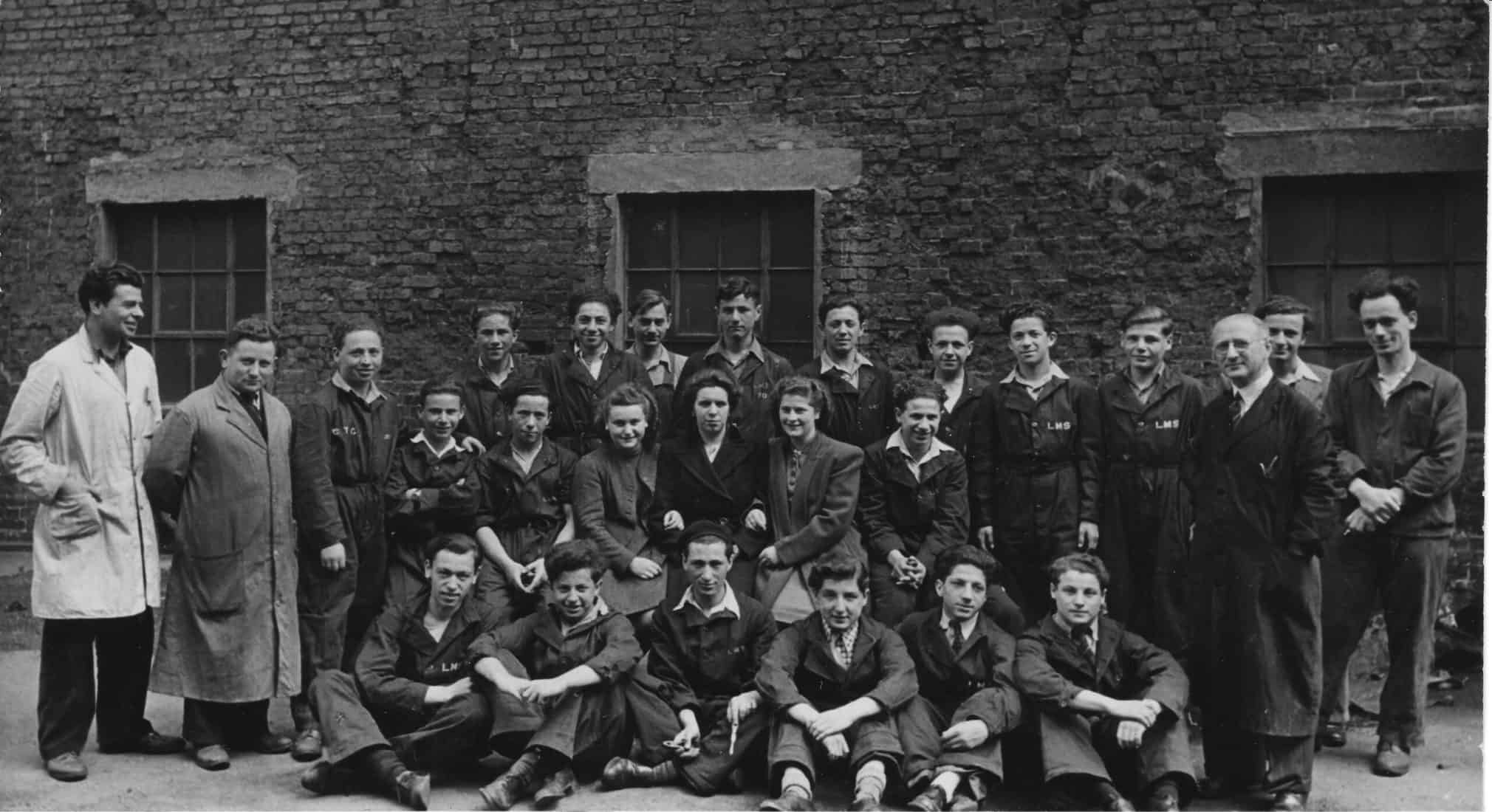
The London ORT School was opened in South Kensington, London, in July 1946.
Background
ORT, from the Russian Óbchestvo Reméslenava Trudá, or Society for Trades and Agricultural Labour, was set up in St. Petersburg in 1880 to provide professional and vocational training for Jewish youth. As a philanthropic organisation, it assisted Jewish artisans, workers and cooperatives and soon developed into a worldwide network. In the 1900s, it began to open its own vocational schools.
Vocational training was widely used in the Displaced Persons camps in Europe after the war as it was believed that it was the best way for adolescents and children to process trauma. The experience was also an important tool in group bonding. The ORT school was designed as temporary measure to enable refugees to support themselves in a country in which they should eventually settle.
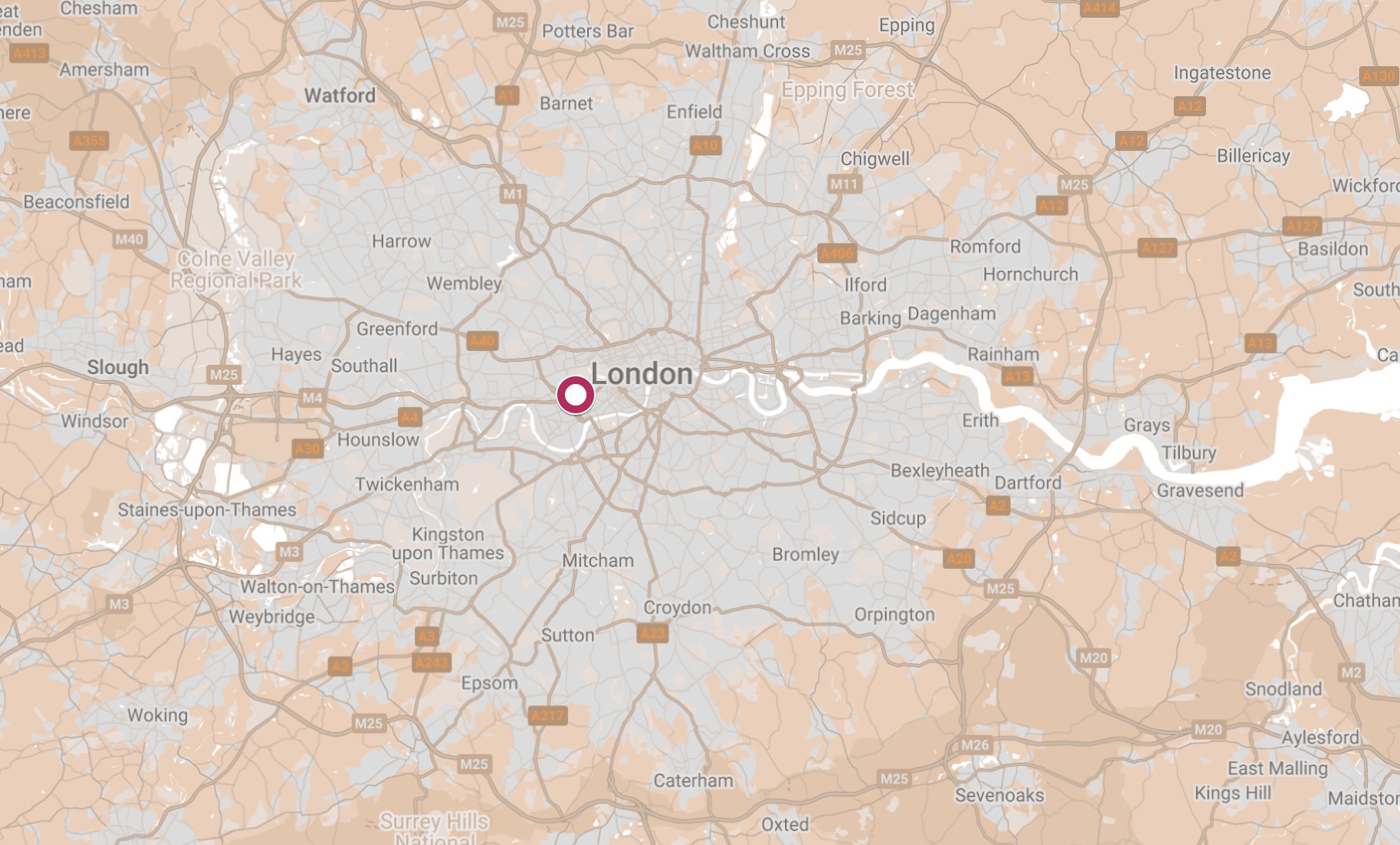
British ORT was set up in 1921 and was based on New Cavendish Street, South Kensington, London. In its early years it focused on fundraising. This situation changed abruptly on 29 August 1939, two days before the outbreak of World War II, when 104 teenage students and seven teachers from the ORT school in Berlin left Charlottenburg Station on a train heading for London. The Berlin school eventually found a home in Leeds and was funded by the American Joint Jewish Distribution Committee until it lost its funding after the United States entered the war in 1941 and closed down as a result.
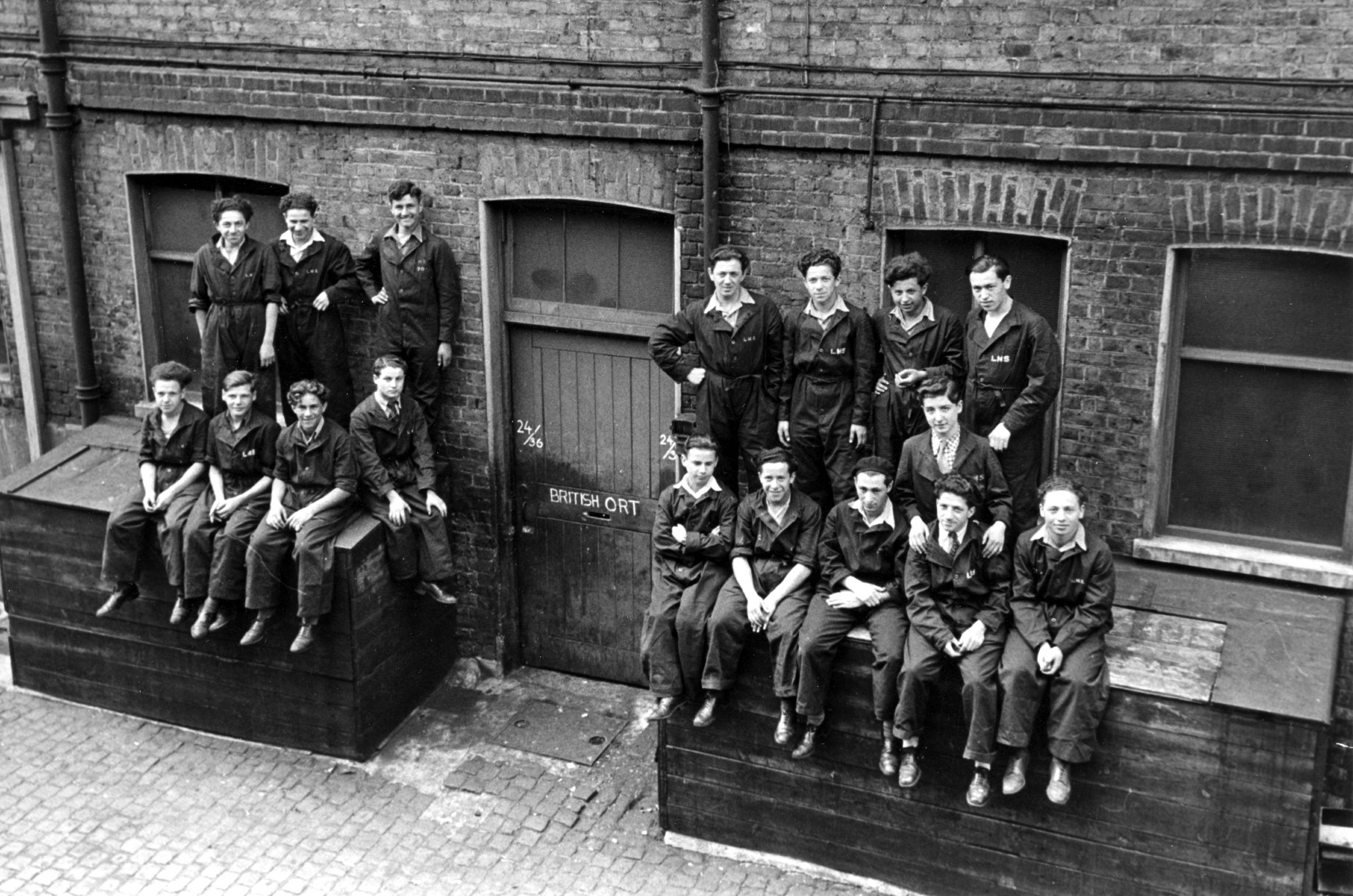
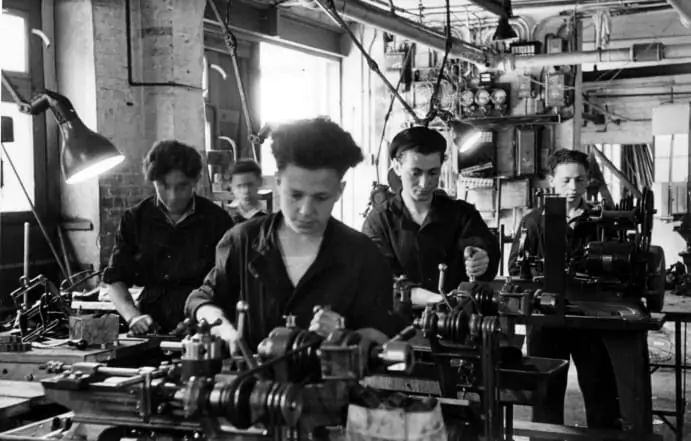
Boys at the ORT School, London. Backrow right Weinstock unknown two Chaim Kohn front row right extreme left Salek Orenstein front row right extreme right Jack Melzer.
ORT and the Boys
The school in South Kensington was run by Mr A Lweinnek and a staff of six. Mrs Wilkinson taught dressmaking. Vocational courses were part of the Committee for the Care of the Concentration Camp Children‘s ethos of collective living within a Jewish environment to provide the Boys with a sense of belonging and re-enforce their Jewish identity.
The training was conducted in English and provided the students with the vocabulary they needed for the world of work. In the first year, male students were given all-round engineering training and in the second they received specialised tuition in general engineering, tool making, electrical work, woodwork or radio mechanics. Aside from technical training, students also attended classes in mathematics and history. At graduation, each pupil was provided with a set of tools to practice their trade. There were also short intensive courses for students preparing for emigration.
ORT had two other ventures. It made a grant of £1000 to Bachad to help set up Thaxted Farm in Essex. Then in October 1946, ORT set up a training farm with Hechalutz in Goldington, Bedford.
ORT also ran a training ship, the Joseph Hertz, based at Grays, in Essex.
The Kensington School closed in July 1949, although an evening school offered classes in Belsize Lane from August 1949 to April 1954.
ORT was a key element in creating the Boys. The ORT schools not only equipped students with new skills but gave them the confidence to imagine a future in which they could use them.
 About
About History
 Education
 Quilts
 FIlms
FIlms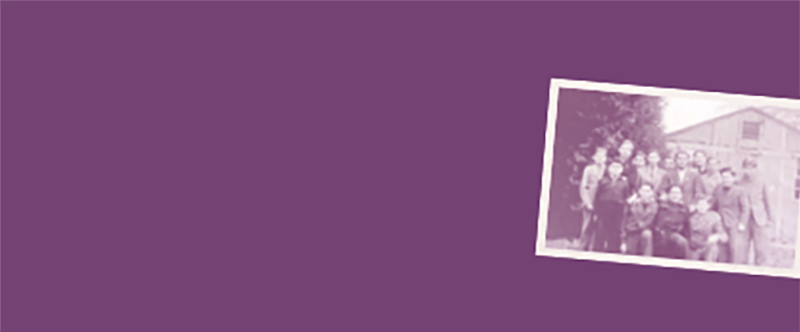 Photos
 News Media & Events
 Publications
 Donate