The Boys were teenage and child-Holocaust survivors, who were brought to the UK after the war for rest and rehabilitation.
The Boys had survived the Holocaust as slave labourers in the Nazi concentration camp system, in hiding and by living alone.
After arrival in the UK, members of the Boys spent time in the reception centres before being moved to children’s homes known as hostels. Others were sent direct to boarding school or yeshivas, and those who were sick spent time in sanatoriums.
Some of the members of the Boys were lucky enough to find relatives or were taken in by foster families but the majority were moved to hostels.
Quare Mead was one of these hostels.
Overview
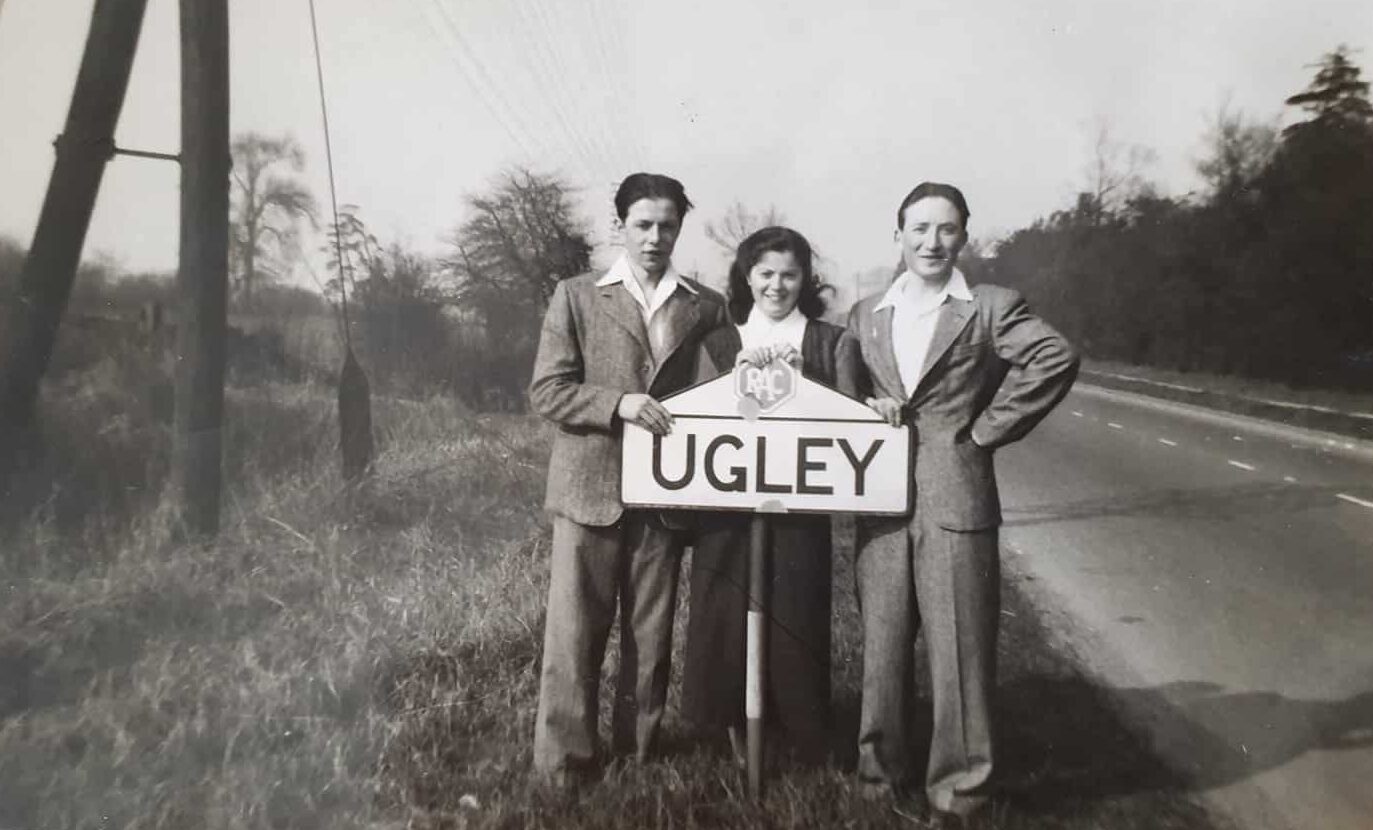
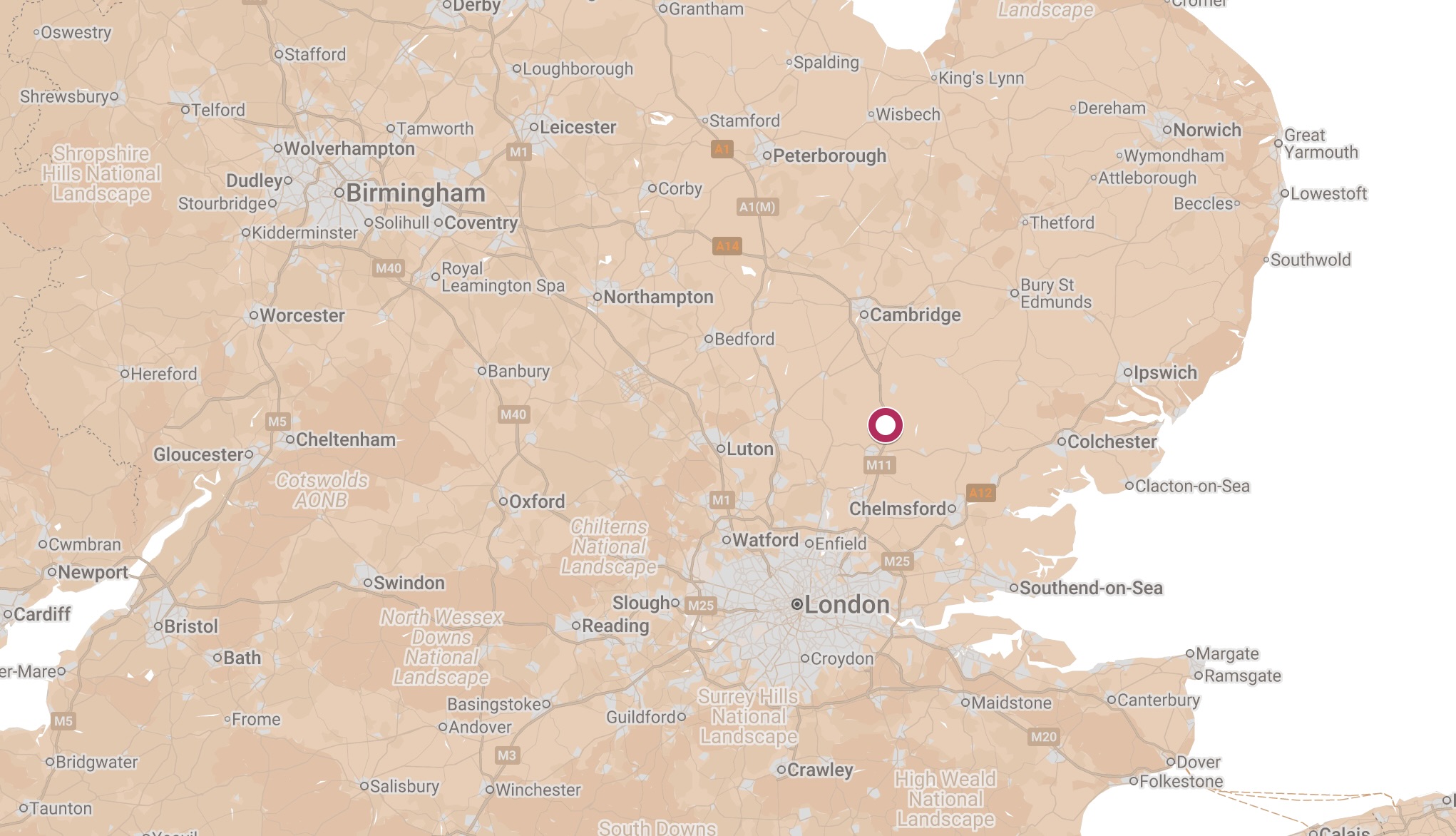
The hostel was a home for tuberculosis patients, in the pretty village of Ugley, in Essex, about 65km north of London. It was run directly by the Central British Fund.
The hostel was closed in December 1950, when the house was taken over by the NHS and was run by East Anglia District Council. It was thoroughly cleaned and fumigated and locked up for six months as a precaution.
The House
Built in 1902, the house stood in eight acres of land. Two fields belonging to the property were rented to a local farmer. The fields were called Square Mead and Quare Mead. In 1946, it took three hours to get to London and the house was one and a half miles outside of the village.
The house had its own grounds with chickens, a vegetable patch and a flower garden with a stone birdbath. Today the building is a private home.
The Quare Mead Story
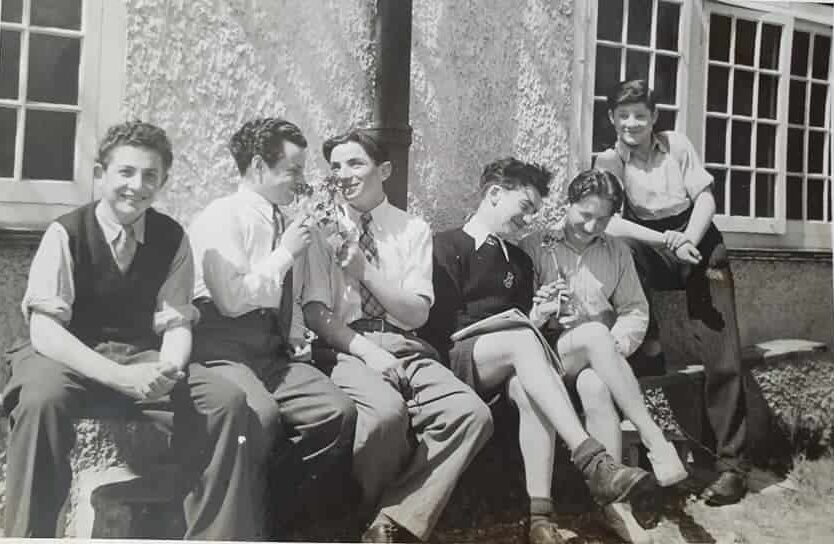
The patients were a mixture of boys, some of whom came on Kindertransport, and those who arrived in 1945-6. The Boys arrived in the autumn of 1946.
“These poor kids; first the war, then losing their families, then wandering around Europe in hope of finding someone. Living by their wits, then being picked up and 750 of them shipped to England … only to wake up here and find themselves sick after the starvation and the mishandling. They are not badly sick, just comfortably sick in bed, no pain, no cough, but too weak and too damaged to get up two years later. They put on a happy front all the time, but I guess they are not so happy inwardly.”
The winter of 1946-47 was very severe and the Boys were housebound. Chess, cards, billiards and television provided entertainment. Young Bnei Brith members visited at the weekend, as did the Cambridge Jewish Student Association. A Mrs Tennant who lived in the village sometimes asked the Boys for tea.
Rabbi Eli Munck from Golders Green was a regular visitor. Oscar Friedmann, a key member of the Committee for the Care of the Concentration Camp Children, visited every three weeks. He was served strong black coffee in the living room, which he loved.
The teachers came three times a week. On a Wednesday, Sister Eva would go to nearby Bishop’s Stortford to shop at local supermarkets and chemists. Half a mile from the hostel was a pub called The White Horse. The Boys were regulars but the rule was nothing stronger than ginger ale.
The Staff
The matron was Sister Maria, who left after she married the father of Jacob Banach, one of the Boys. Her post was then filled by Eva Kahn-Minden. She wrote an account of her time at Quare Mead, The Road Back (1971). A trained nurse and mid-wife, she had worked in the Glyn Hughes Hospital at the Belsen-Hohne Displaced Persons camp from 1946-48, where she was appointed head nurse at the age of 25.
The rest of the staff were:
Mr Lapidus, a teacher; Mr Englehart, a teacher; Miss Rothschild, a teacher, and had been in the reception camp in Windermere; Mr and Mrs Binder, the cooks. They had fled from Austria to Shanghai where they ran a restaurant; Max, the houseboy; Irene, a nurse; Betty, a nurse, who eventually left for Israel; Mr Barnes, the gardener. He was the only non-Jewish member of staff. The local GP was Dr Salaman; Dr Yell and Dr Payne visited every three weeks.
 About
About History
 Education
 Quilts
 FIlms
FIlms Photos
 News Media & Events
 Publications
 Donate