Members of the Boys were born in Będzin in Poland.
The Boys were teenage and child-Holocaust survivors, who were brought to the UK after the war for rest and rehabilitation.
Members of the Boys were held in Nazi labour and concentration camps and used as slave labourers. They had also survived World War II in hiding or as lone children.
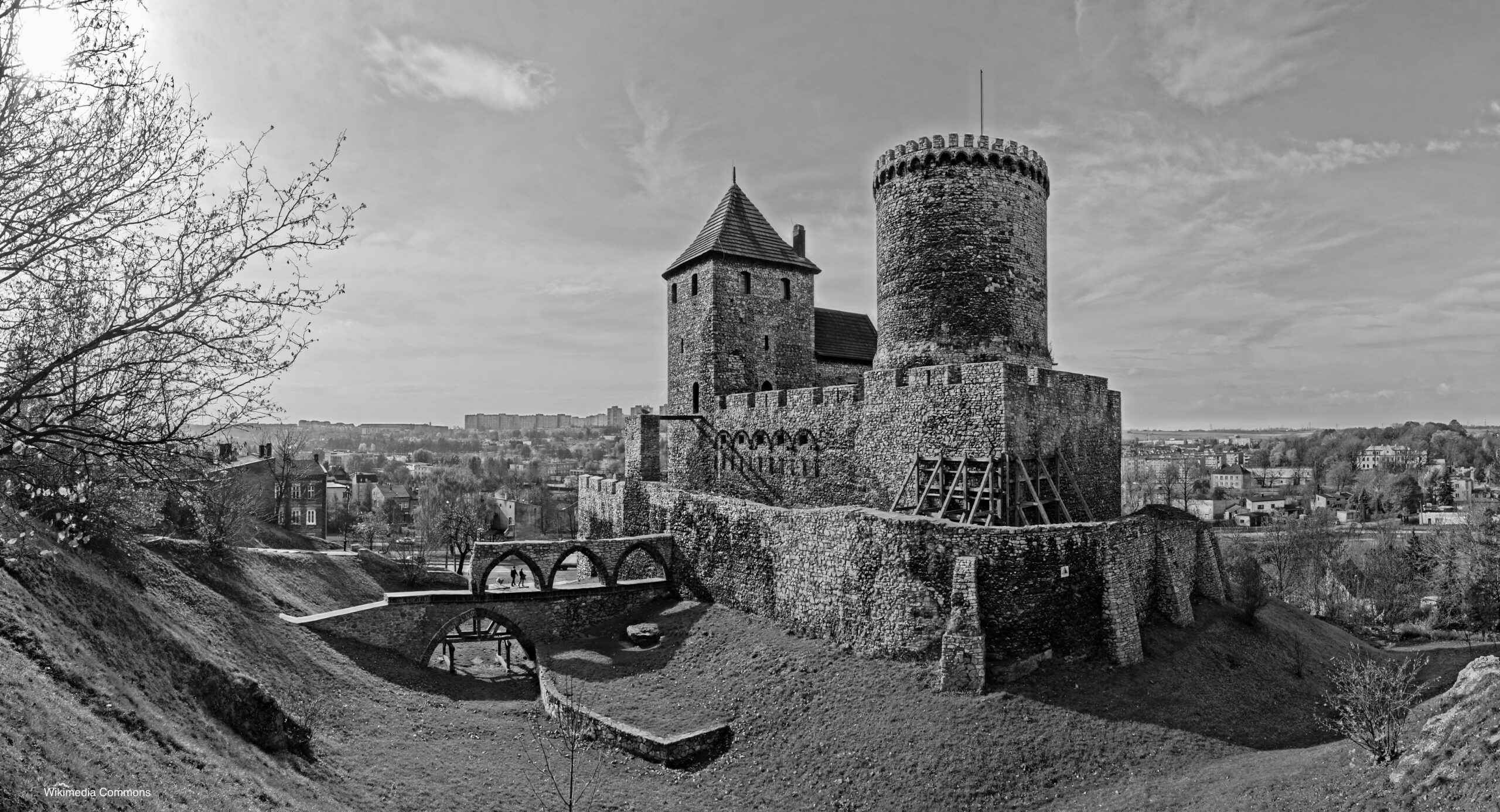
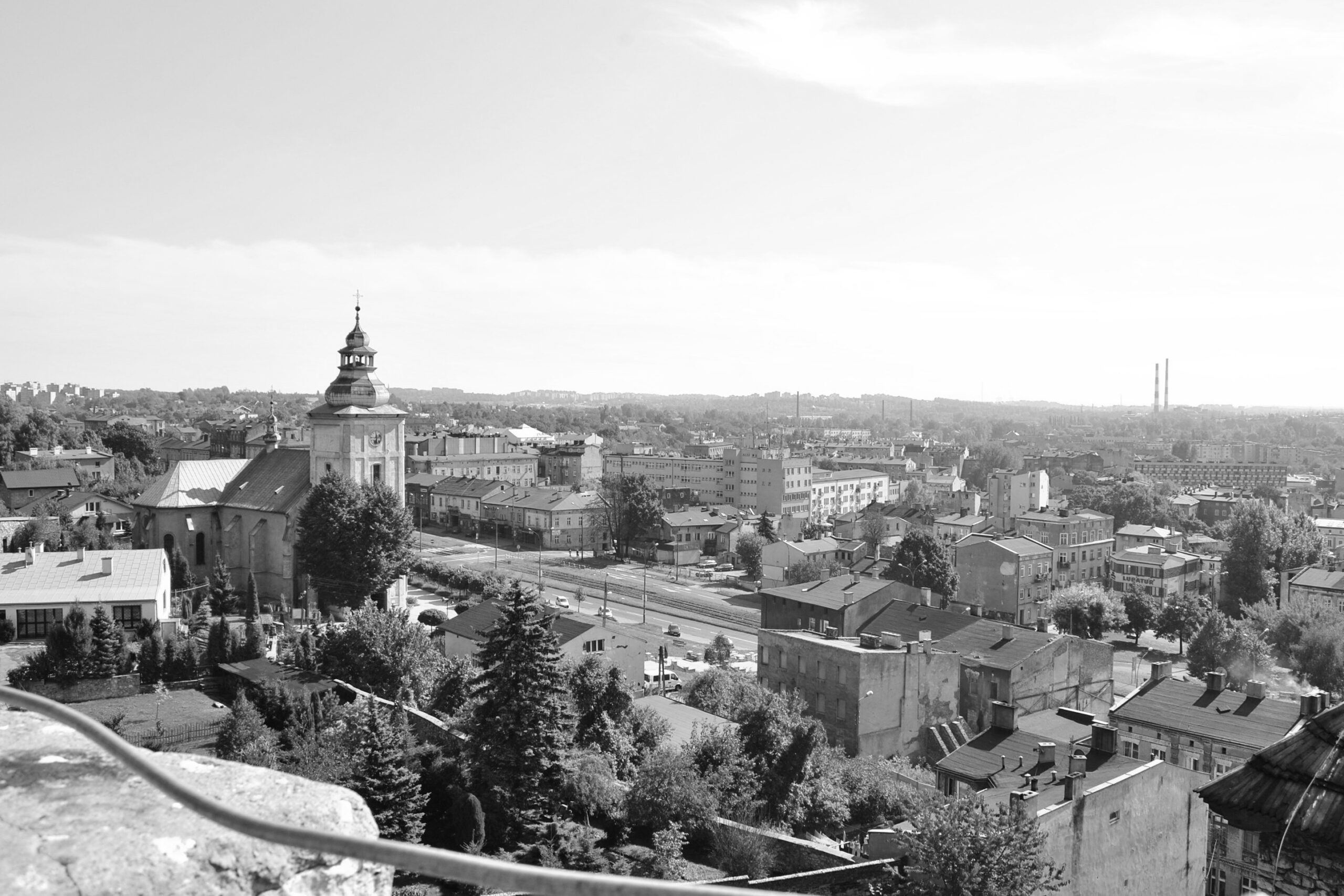
Będzin Castle, Poland.
Until World War II, Będzin in southern Poland had a vibrant Jewish community. In 1938, the town’s Jewish population numbered around 22,500.
After World War I, Będzin Jews worked in iron-ore mining and metal production. Most Jews earned their livelihoods as merchants and craftsmen. They also owned chemical works and factories making paints, candles, and buttons.
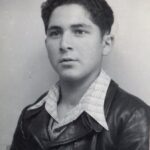
Sam Pivnik in 1945.
“Today you have to go on-line to see the places I remember. Kazimerz’s castle is still as a ruin, but it was a ruin when I was a kid. I remember the old market square, with its cattle, its horses, its chickens and coloured awnings of the stalls. When I was four they knocked down the nineteenth-century railway station and built a new one, all flat roofs and modern detailing, in the Art Deco movement that was sweeping all Europe. The Third May Square had a huge Art Deco statue in the centre of its tree-lined circle, a naked woman reaching into the clouds. There were trams and buses, trucks and the occasional car to remind us all that the twentieth century was here.”
Wartime
On 5 September 1939, the German Army entered Będzin. The SS burned down the Great Synagogue, murdering 200 Jews inside. The surrounding Jewish homes also went up in flames. Those trying to escape were burned alive or shot.
In early 1940, a ghetto was established in the town. At its peak, the ghetto’s population reached approximately 27,000. To find out more about the Będzin Ghetto and see the collection of propaganda photographs from the ghetto click here.
Jewish Resistance
The Jewish underground resistance in Będzin became active at the beginning of 1940. In August 1943, during the last deportation, Jewish resistance fighters staged an armed revolt that lasted several days. One of the leaders killed in the uprising was the leading female Jewish partisan, Frumka Plotnicka, who had previously fought in the Warsaw Ghetto Uprising. All the resistance fighters were killed in the action.
Deportation
In the summer of 1943, most of the Jews in Będzin were deported to Auschwitz. The Będzin Ghetto was liquidated in August 1943.
Liberation
In January 1945, Będzin was liberated by the Red Army. Jews began to come back to the area, some intending to return to their homes.
More than 1,000 Będzin Jews survived the war, some in hiding, given help by local Poles.
In 1946, the Jewish population of Będzin numbered 150 people. Although some Jewish survivors resettled after the war, all of them later left. By the 1970s, there was little to no Jewish life remaining.
Present-day
Just a handful of Jews live in Będzin today.
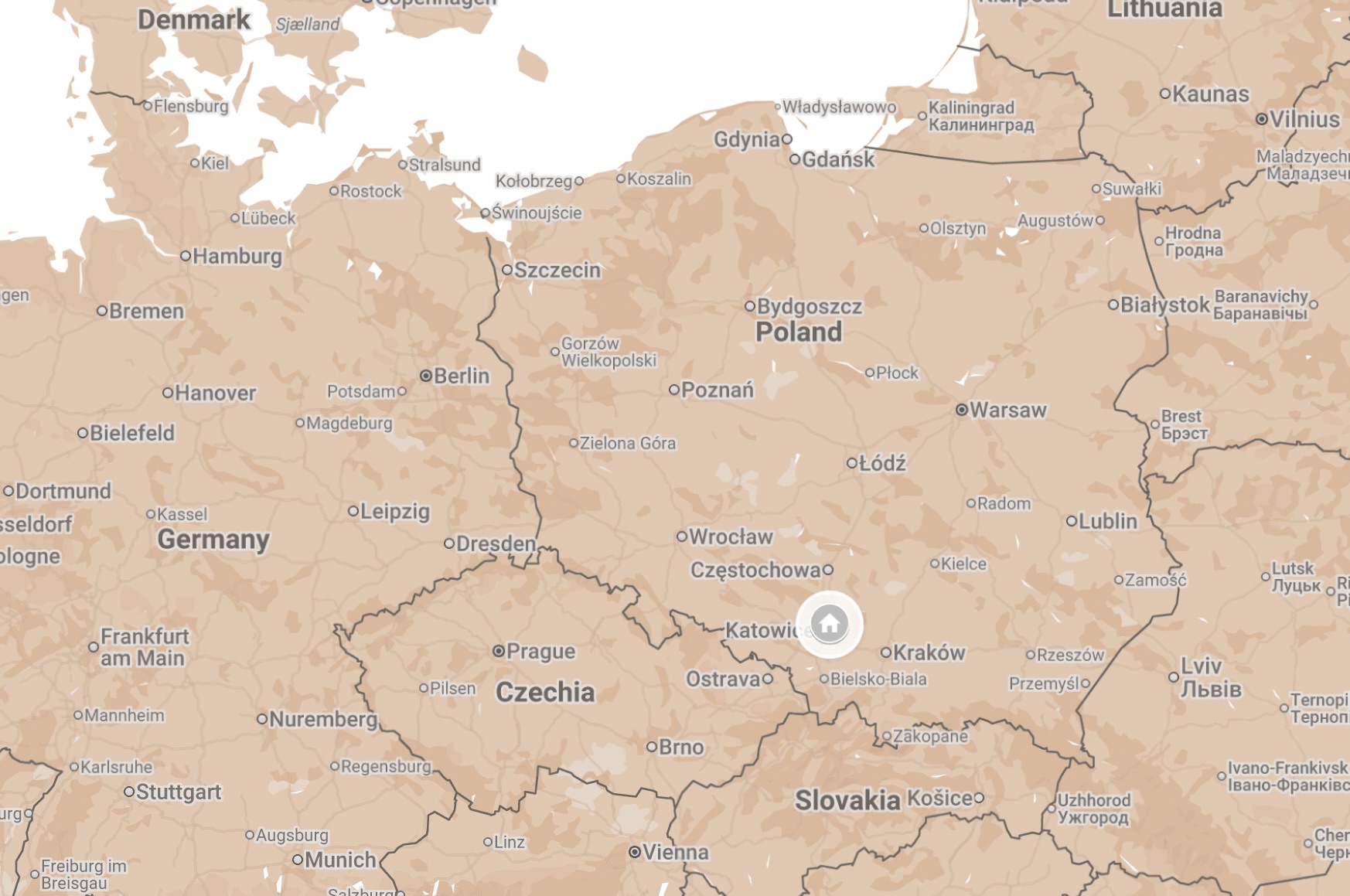
Będzin was established in 14th century by the King Casimir The Great and has a rich Jewish history. It is located in the Silesian Voivodeship.
Getting there & around The closest airport is at Katowice. There are direct train connections to most Silesian Voivodeship cities as well as Opole, Wrocław, Łódź, Toruń, Bydgoszcz, Gdańsk, Olsztyn, Warsaw, Białystok and Kielce.
The main sites are all accessible on foot.
Memorials
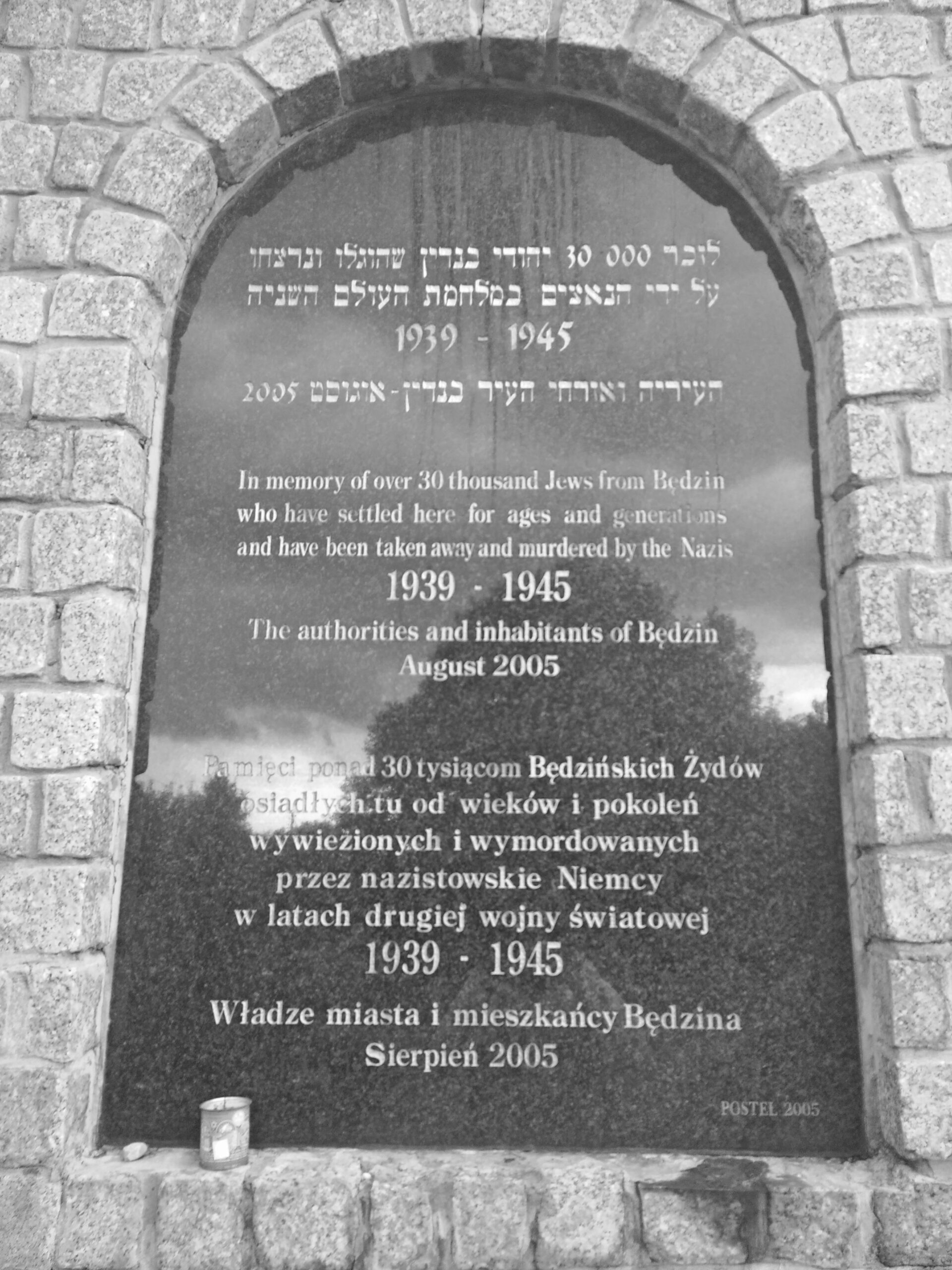
Synagogue Memorial (Zamkowa ul.) A small stone memorial commemorates the Jews murdered in Będzin.
Ghetto Fighters’ Bunker (24 Rutki Laskier ul.) Here the Jewish partisans made their last stand.
Ghetto Uprising Monument (Bohaterów Getta Bęzinskiego pl.) Unveiled in 2005 the memorial was designed by Romuald Malina.
Ghetto Location The Będzin ghetto was established by the Germans in the Kamionka district and Mała Środula, adjacent to the Sosnowiec ghetto. The borders were established in October 1942, marked by Wilcza, Wesoła, and Podsiadły streets.
Cemeteries
The Old Cemetery (intersection of Zawale and Modrzejowska Streets) The oldest Jewish cemetery in Będzin established in 1592. During World War II, on 11 May 1942, Gestapo officers publicly hanged two Jews in the old cemetery. The cemetery was levelled and is now a park adjacent to the city walls.
The Jewish Cemetery (Podzamcze ul.) Situated on the north-western slope of the Góra Zamkowa (Castle Mountain), near the Będzin castle, the cemetery still contains about 250 complete and 550 partially destroyed tombstones.
Jewish Community
Cukerman Gate Foundation (Hugona Kołłątaja 24/28) Established in 2009, the foundation has preserved the former Jewish House of Prayer, which also serves as its headquarters. The Foundation runs educational programmes across the region and has a map of Jewish Będzin w: bramacukermana.com.
Archive
The United States Holocaust Memorial Museum holds a collection of photographs and identity cards of about 5,000 Jews interned in the Będzin Ghetto.
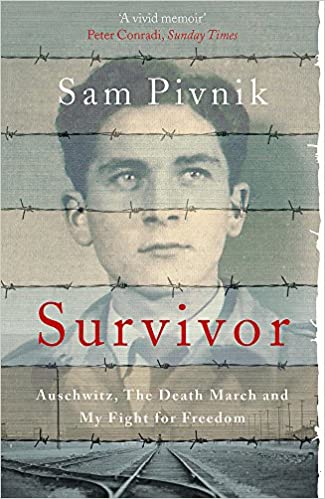
Survivor: Auschwitz, the Death March and my fight for freedom, Sam Pivnik (Hodder, 2013) A moving memoir by one of the Boys. To find out more about the book click here.
Rutka’s Notebook: A Voice from the Holocaust (Time, 2008) Rutka Laskier was 14, the same age as the Dutch teenager Anne Frank, when she wrote this 60-page diary over a four-month period in Bedzin Ghetto.
 About
About History
 Education
 Quilts
 FIlms
FIlms Photos
 News Media & Events
 Publications
 Donate