
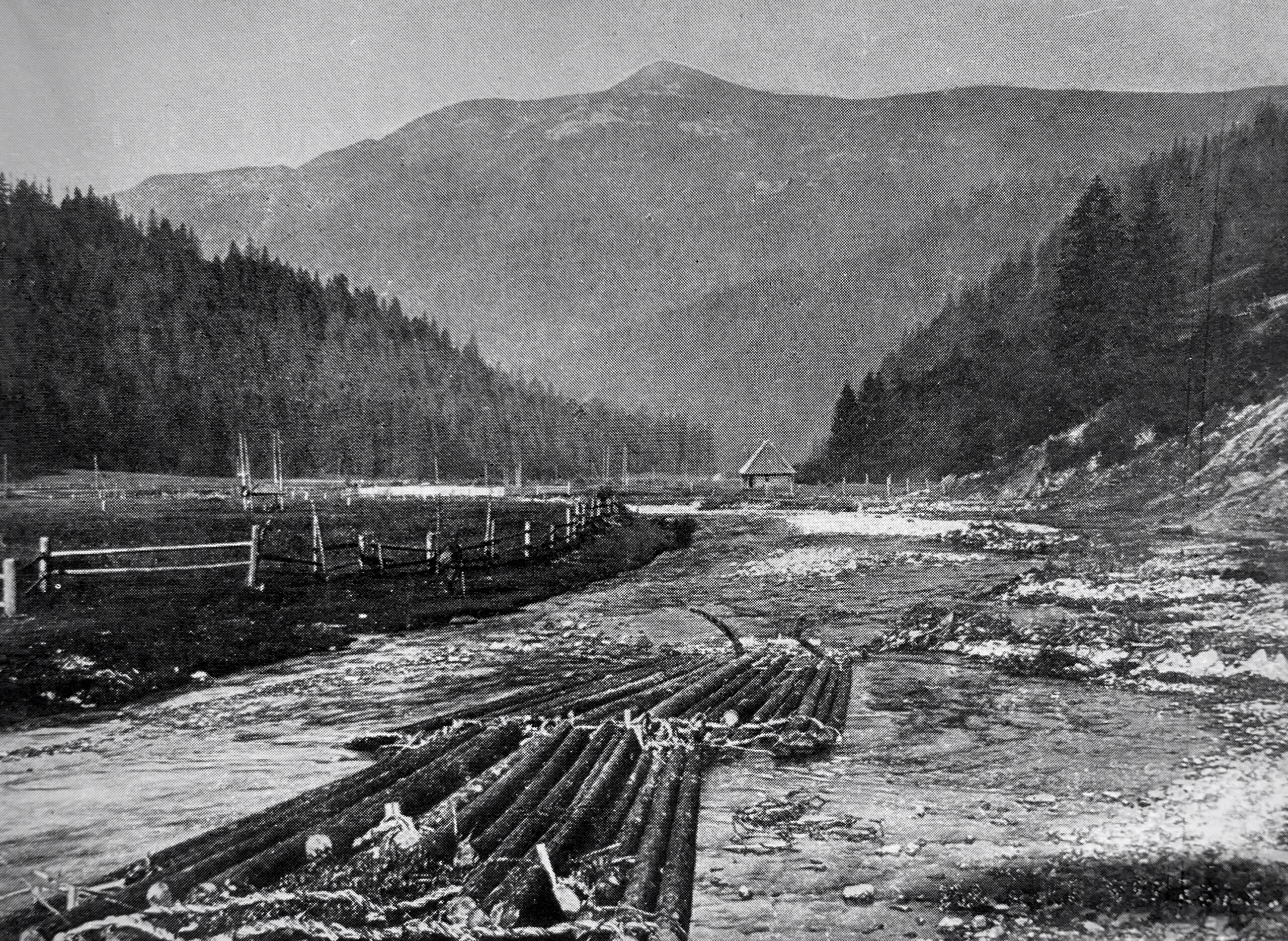
The Carpathian Mountains in the 1930s.
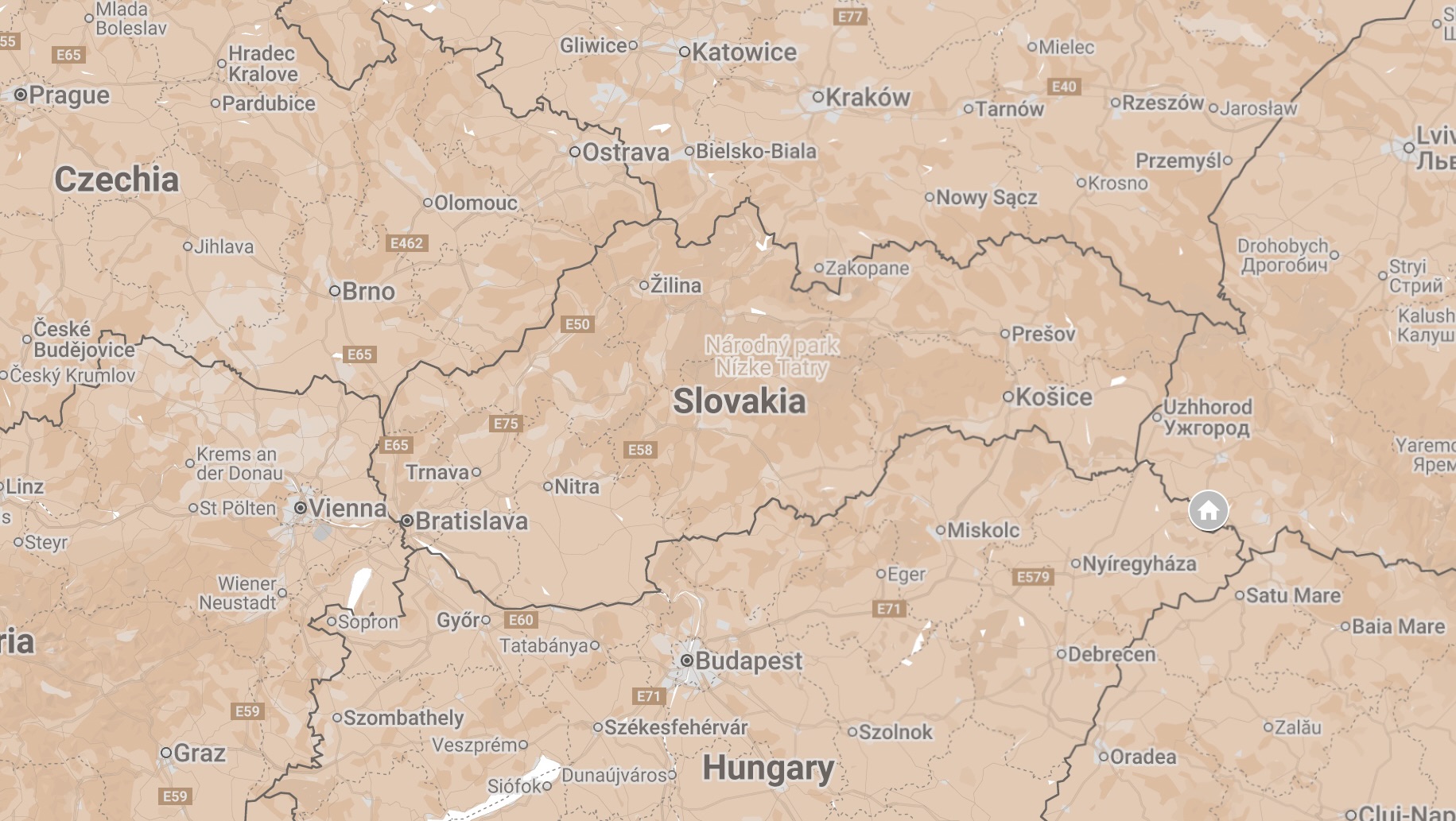
Berehove is situated in the region known historically as Subcarpathian Ruthenia, now partly in western Ukraine.
Until the end of World War I, Berehove was part of Austro-Hungary. During the period between the two World Wars it was incorporated into Czechoslovakia. In 1938, the region was occupied by Hungary. At the end of the war the area became part of the Soviet Union.
Pre-war
The first Jews arrived in Berehove from Poland during the 18th century. By 1830 there were 200 Jews living in the city. By 1838 the Jews in Berehove had established an organised community. The majority spoke Hungarian, while many also spoke Yiddish and German.
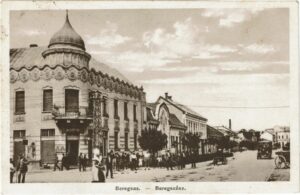 The city had a Jewish school as well as a number of small yeshivas. During the 1930s a Hebrew school was founded.
On the eve of the Holocaust in 1941, Berehove was home to almost 6,000 Jews out of a population of 19,000. Some worked in agriculture, trade and crafts. Others owned factories, flour mills and banks, worked in agriculture and were doctors, lawyers, engineers, pharmacists or public officials.
Occupation
Following the Munich Agreement in 1938, Czechoslovakia was divided up and Hungary annexed Berehove and the surrounding region. The town was then known by it Hungarian name of Beregszasz.
The Hungarians imposed laws restricting Jewish access to education, trade, and the professions. The Jews in Beregszasz had their business licenses confiscated, and five hundred men were conscripted into the Hungarian labour battalions. Many perished on the eastern front.
In August 1941, many Jewish families, who could not prove their Hungarian citizenship, were expelled to Kamianets-Podilskyi in German occupied modern-day Ukraine, where they were murdered.
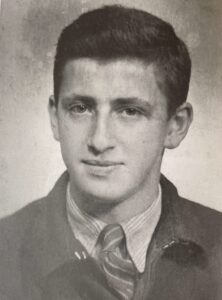
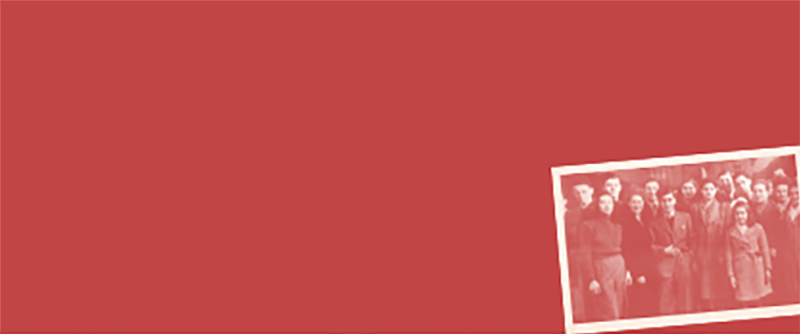
Hugo Gryn after the liberation.
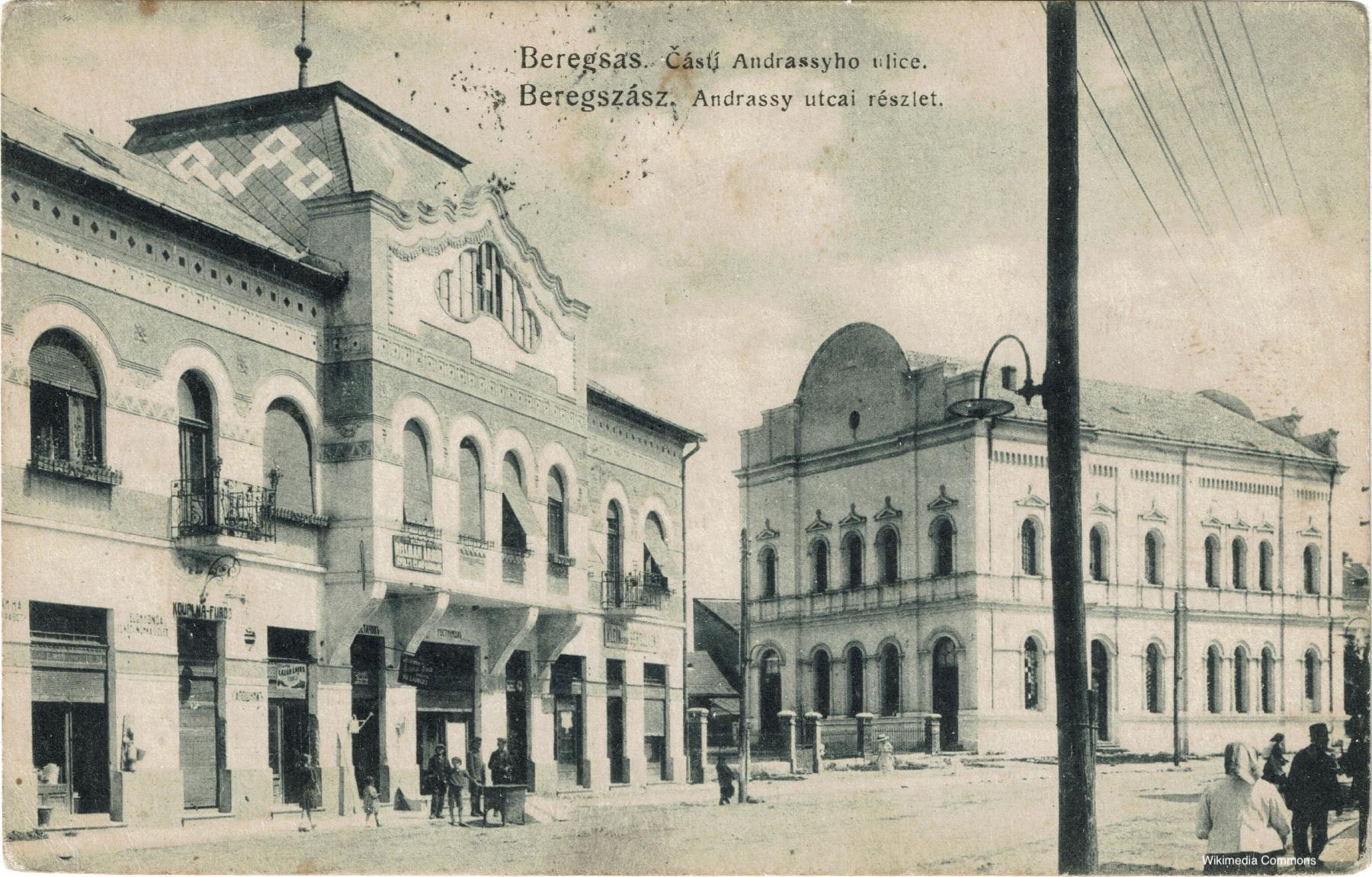
“In centre of the town there was a huge courtyard with the Great Synagogue, its elegant long windows facing the main square of the town. This was the synagogue where my father had his own seat …
Beyond the synagogue, on the town’s Main Street, there was a row of shops which belonged to the congregation, as did two arcades built in the modernistic style where kosher meat and poultry, as well as fish and Passover supplies were sold.
The last communal building facing Main Street was built in 1911 and housed the communal mikveh. Inside there was a long row of cubicles, each of which contained a bath-tub followed by a few steps that led to two large ritual pools.”
Hugo Gryn was born Hugo Gruen in Berehove in 1930.
The Gruen family lived on Rozsoskert 72. To find out more about Hugo Gryn’s life click here.
Deportation
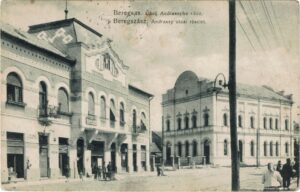
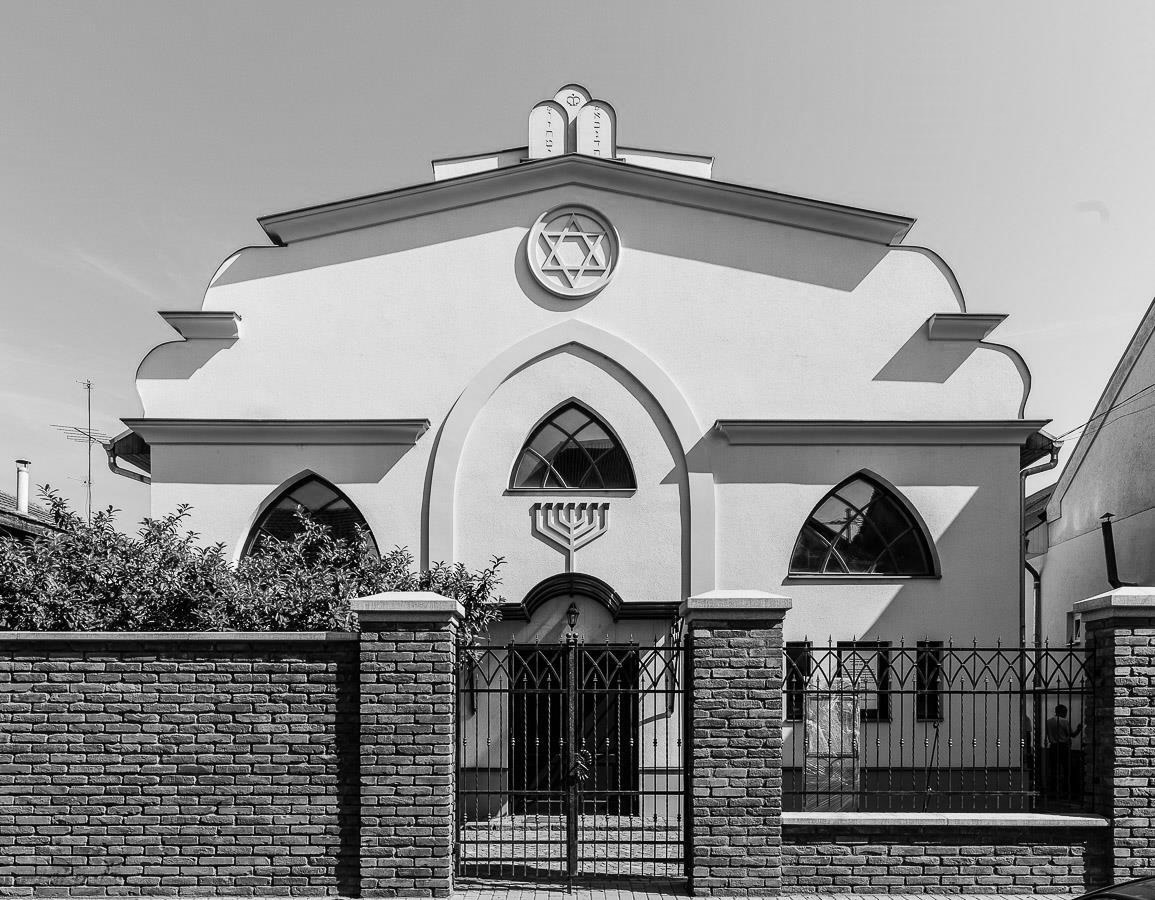
The synagogue in Berehove, then Czechoslovakia.
In 1944, the Germans invaded Hungary. In May 1944, around 3,600 Jews from Beregszasz as well as others from the surrounding area were placed in a ghetto and then deported to Auschwitz II-Birkenau concentration and extermination camp. To find out more about the Beregszasz Ghetto click here.
When the trains arrived in Birkenau, a selection was made on the ramp. It offered healthy young men and women a chance of survival as they were often selected for slave labour.
An estimated 85% of the Jews from Subcarpathian Ruthenia perished in the Holocaust.
Liberation
In the autumn of 1944, the Soviet Red Army entered the town.
The region was annexed by the Soviet Union in 1945. Beregszasz became part of the Ukrainian Soviet Socialist Republic.
After the war, survivors attempted to restore the community. However, they met with a hostile reception from the city’s inhabitants. When they returned home, most of the survivors found that their home’s were occupied by strangers.
Most of Berehove’s Jews were either very religious and or Zionists. It was not possible to practice religious observance under Stalinism and Zionist politics could lead to arrest. This prompted Jewish survivors to leave.
Present-day
A small community of Jews, numbering about 50 people live in Berehove.
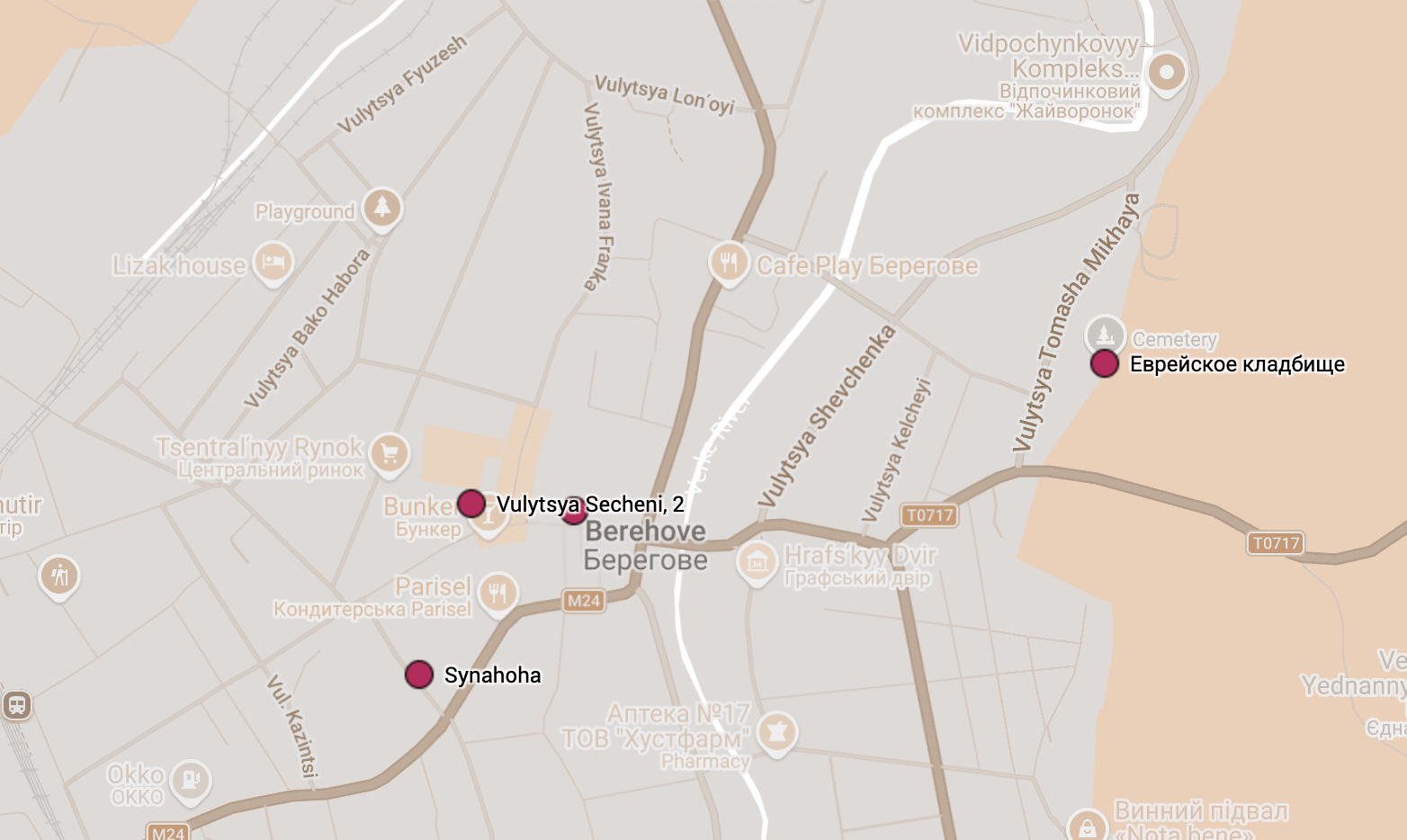
Berehove, Ukraine
Getting there The town of Berehove is located near the Ukrainian border with Hungary. There are train there are connections to Chop and from there to Košice in Slovakia. Berehove is also acessible by bus and car.
Note that the Foreign & Commonwealth Office advises against all travel to parts of Ukraine because of the ongoing Russian invasion.
What to See
The Grand Synagogue (Kozsut Square, near the Ferenc Rakoczi II Transcarpathian Hungarian College of Higher Education) In the heart of the city centre, the building was used as a synagogue until 1959 when it was transformed into a cultural centre and surrounded by a concrete “shell.” A restoration project, supported by Hungary, aimed to restore its original façade, with plans to include a museum, theatre, and potential new wing were announced in 2022 just before the Russian invasion of Ukraine.
Former Mikveh (Secheni 2) The former Jewish ritual bathhouse is now used as a bank.
The Small Synagogue (8 Zrinyi) There were once six synagogues in Berehove, including the Great Synagogue. Built in the 1920s this is the only functioning Jewish religious building in the city. There is a memorial plaque to victims of the Holocaust and a small museum. The synagogue has no rabbi, and is sustained through donations.
The Jewish Cemetery (Еврейское кладбище behind houses 28 and 30 on Tomasha Mikhaya) has been restored and retains numerous original tombstones, the oldest dating from the 18th century.
Jewish Community
Shalom Foundation of Berehove (4 Mukachivska; e shalom.beregszasz@gmail.com)
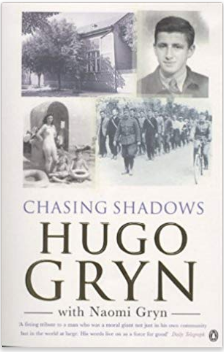
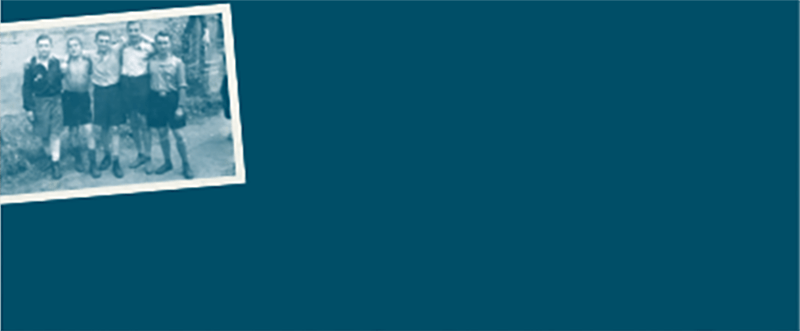
Chasing Shadows: Memories of a Vanished World by Hugo Gryn with Naomi Gryn (Viking, 2000) Gryn was a member of the Boys. To find out more about the book click here.
 About
About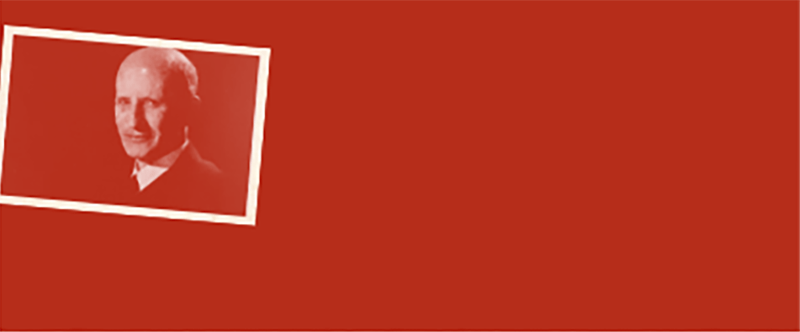 History
 Education
 Quilts
 FIlms
FIlms Photos
 News Media & Events
 Publications
 Donate