
Members of the Boys were born in Podlaskie Voivodeship in northeastern Poland.
The Boys were teenage and child-Holocaust survivors, who were brought to the UK after the war for rest and rehabilitation.
Members of the Boys were held in Nazi labour and concentration camps and used as slave labourers. They had also survived World War II in hiding or as lone children.
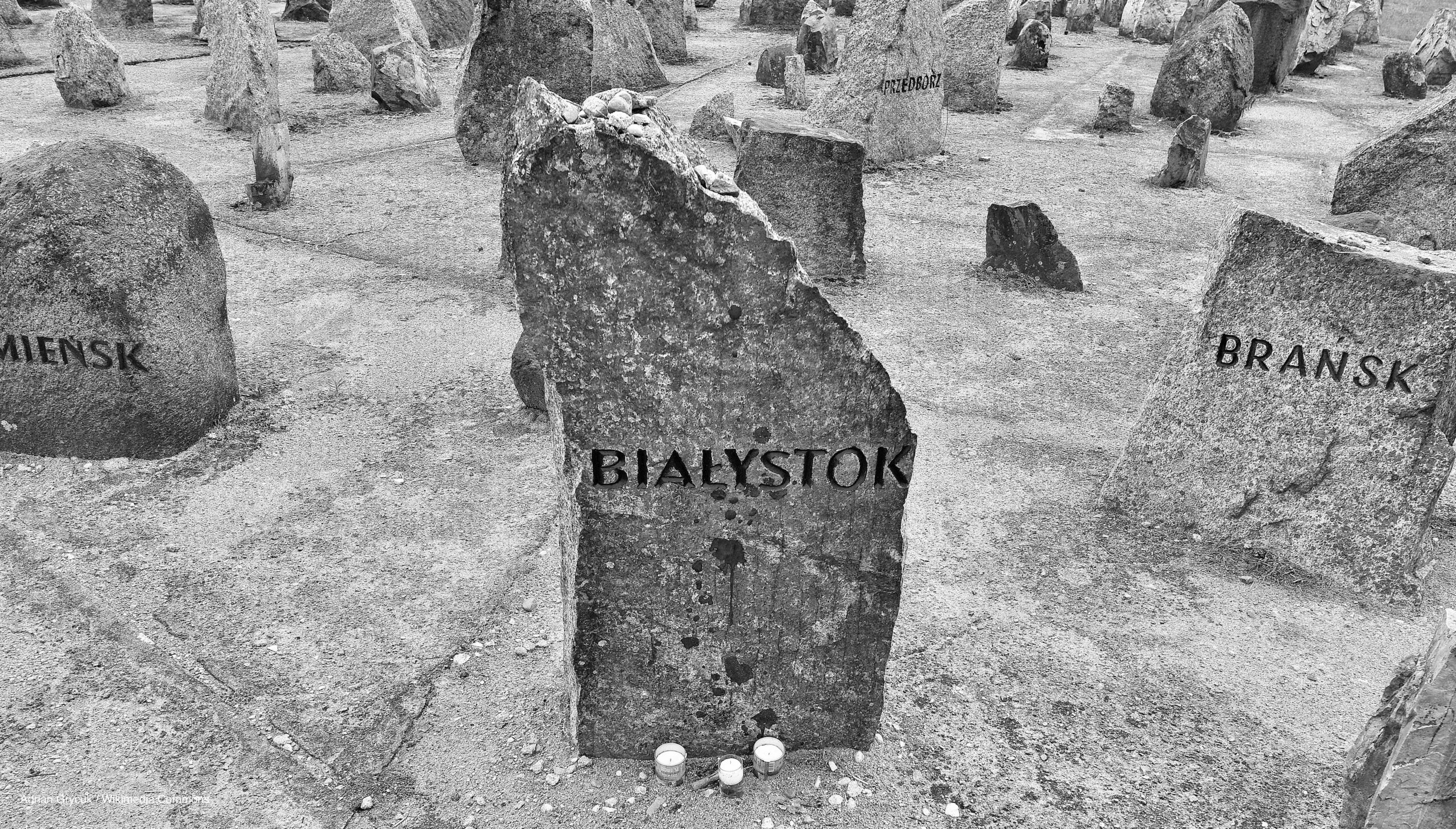
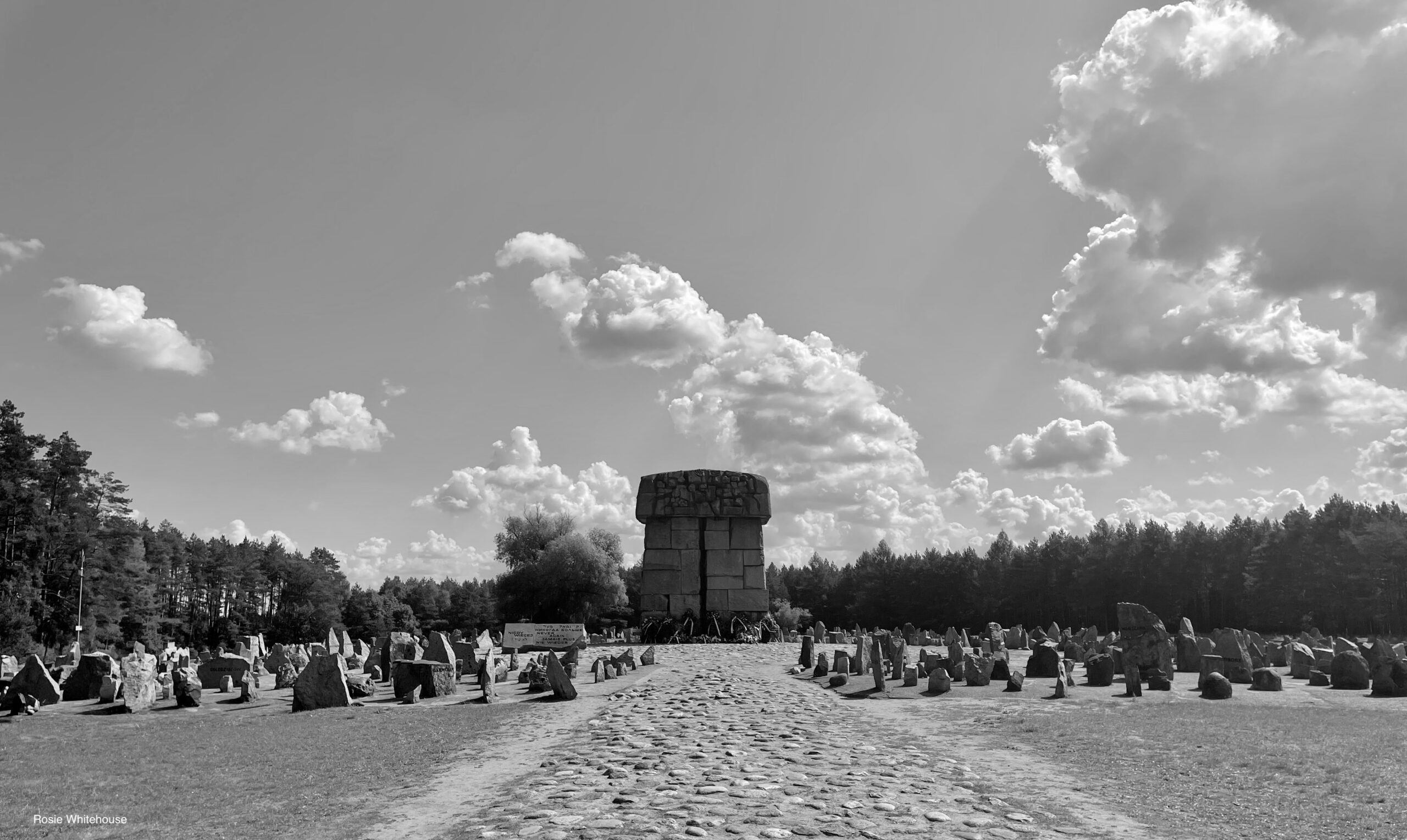
Memorial at the former Treblinka extermination camp.
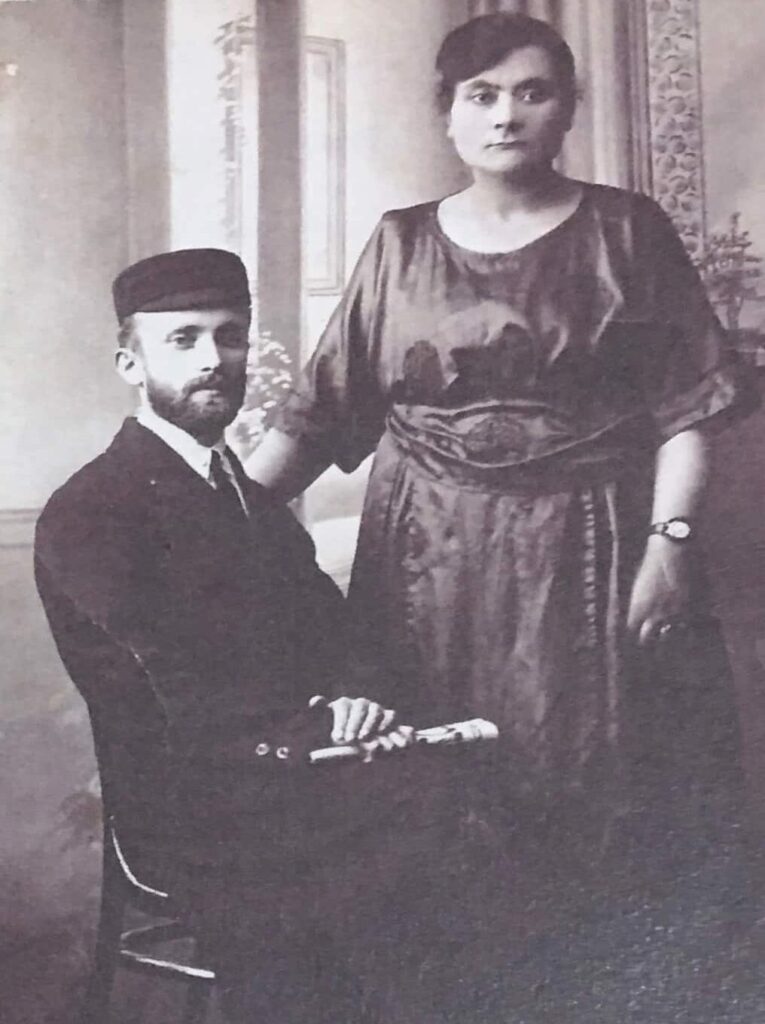
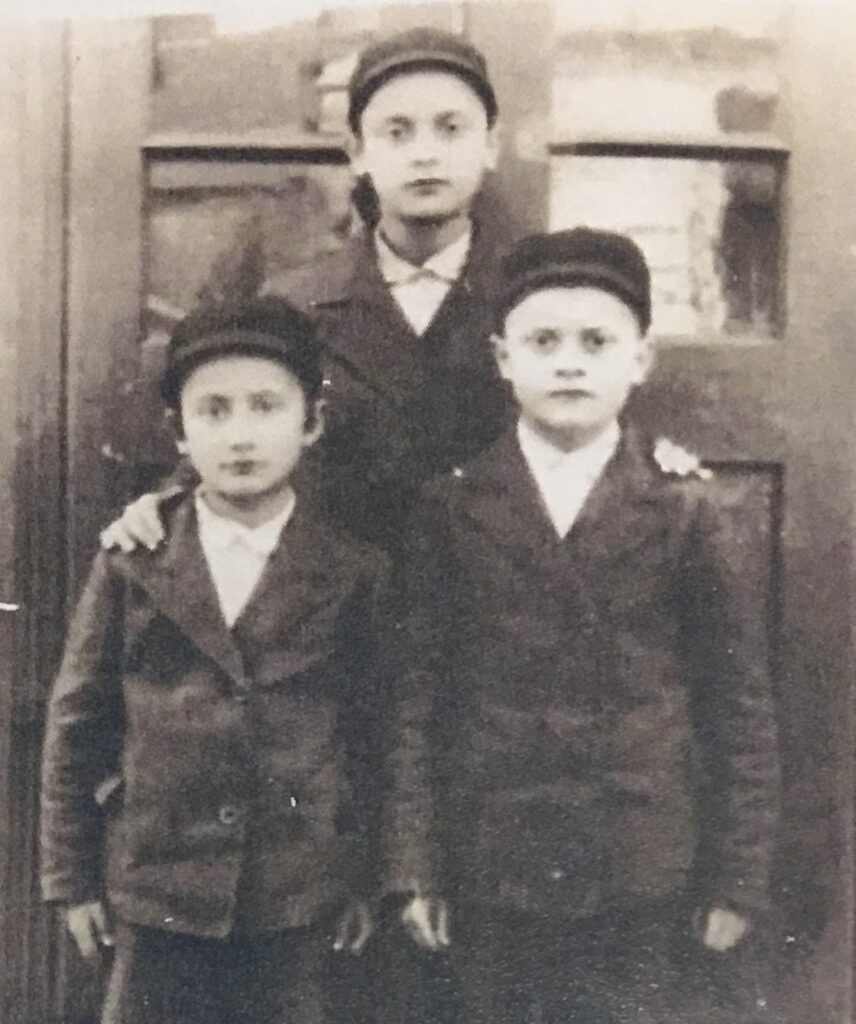
The Hebel Family
Pinchas Hebel was born in the small town of Czyzewo (today Gmina-Czyżew) 70km southwest of Białystok. His father Mordechai was an accountant in a local bank. His wages were extremely meagre and the family were very poor. His mother, Malka, was a housewife. Hebel had two brothers Abraham and Mendel. Hebel was the middle child. The Hebel’s were an Orthodox family.
In the 19th century, Czyzewo, then part of the Russian empire, prospered after the construction of the St Petersburg-Warsaw railway. In 1899, it had 2,300 inhabitants of whom 94% were Jewish and was known for the production of tzitzit (tassels attached to Jewish prayer shawls).
There was a pogrom in Czyzewo in 1937 in which one Jew was murdered and a number badly injured.
World War II
At the outbreak of World War II Czyzewo was part of Soviet occupied Poland. After the German invasion of the Soviet Union in June 1941 a ghetto was set up in which the Hebel family were imprisoned. Hebel’s father and older brother were taken as slave labourers and disappeared. During the liquidation of the ghetto Hebel’s mother told her two remaining sons to flee into the countryside. Many of the town’s Jews also sought refuge in the surrounding forests. It is assumed that Malka Hebel died in Treblinka extermination camp. To read more about Pinchas Hebel [click here].
World War II.
While under Soviet occupation from 1939-1941, the area was incorporated into the Byelorussian SSR. After Germany invaded the Soviet Union in June 1941, Białystok was occupied by the German Army on 27 June and the area became part of the Bialystok District.
In an orgy of killing in late June 1941, the Great Synagogue in Białystok was burned down by Germans and more than 2,000 Jews were murdered inside or near the synagogue. Two weeks later 3,000-4,000 Jews were murdered in the Pietraskie Forest.
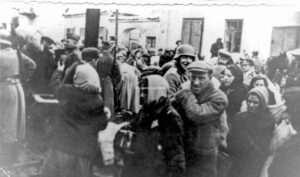
Bialystok Ghetto
There was a major Jewish resistance movement in the Białystok Ghetto in which over 50,000 Jews were imprisoned. On 15 August 1943, a major uprising was staged in the ghetto, the second largest after the Warsaw Ghetto Uprising.
Aftermath
Region city fell under the control of the Red Army on 27 July 1944.
The Jewish population of Białystok was reduced to 1,085 by 1945 but most survivors soon left as there was nothing left of their pre-war world.
Present-day
Białystok no longer has an active, organised Jewish community but significant efforts have been made to preserve the city’s Jewish heritage.
Białystok suffered catastrophic destruction during WWII. There are however some significant Jewish monuments.
Białystok is also the birthplace of Ludwik Zamenhof, the Jewish inventor of the artificial language, Esperanto.
Getting there & around Białystok is easily reachable by train from Warsaw or by bus from Vilnius. Take a taxi to see the sites outside the town.
To visit Treblinka take the train to Małkinia (for more details see below) and Czyzewo is about 40 mins by direct train.
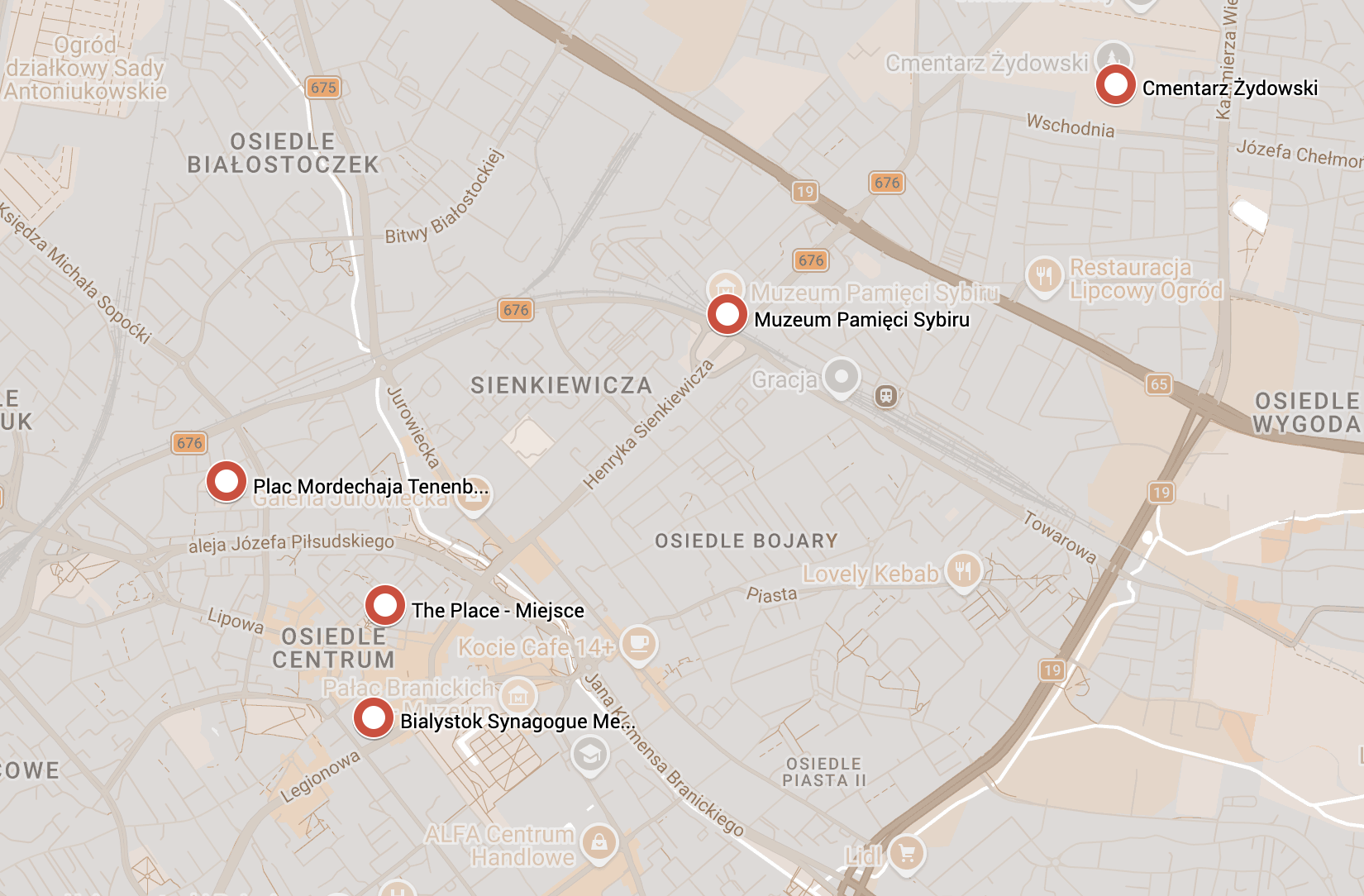
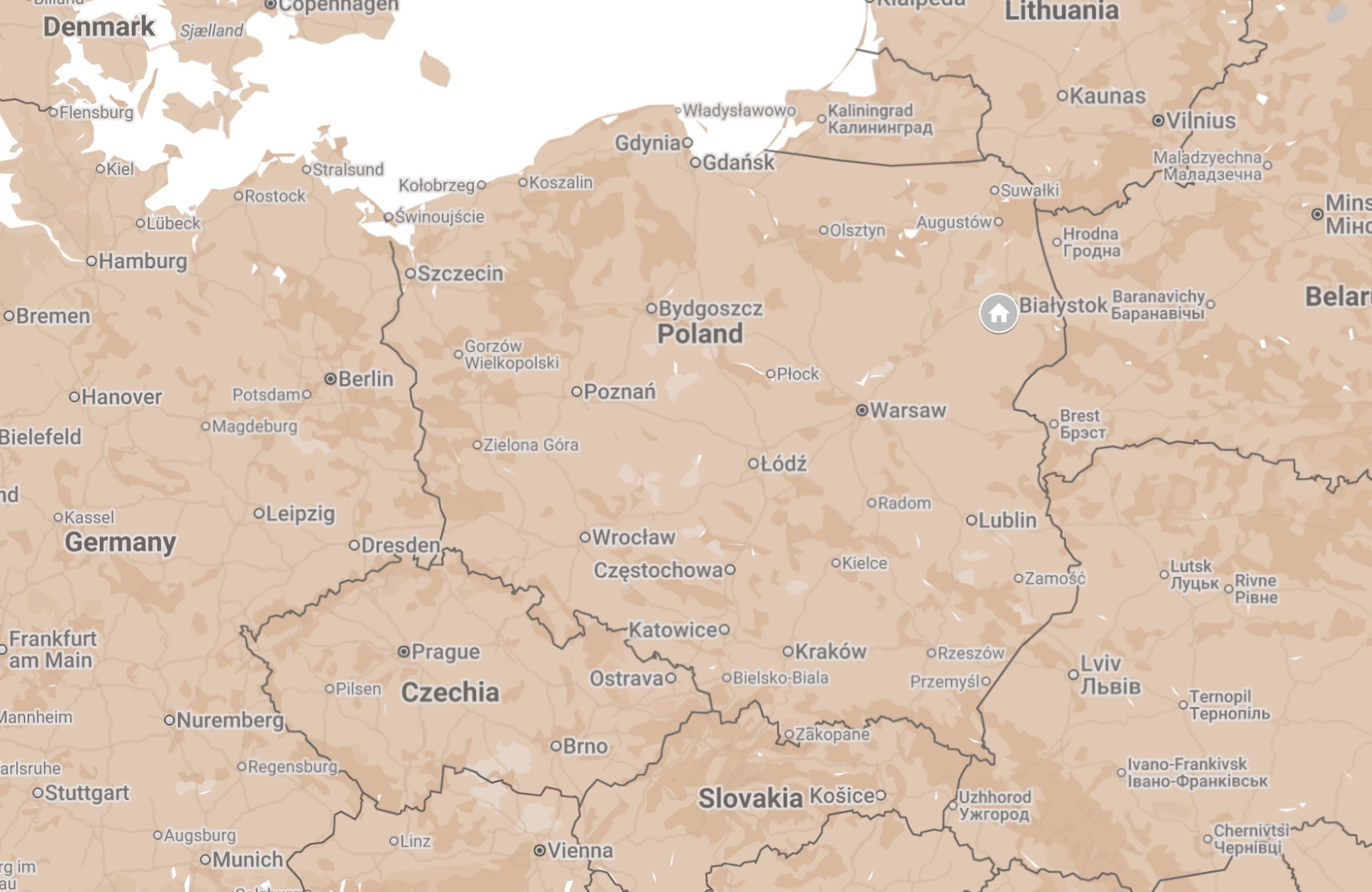
Map of Białystok
Memorials
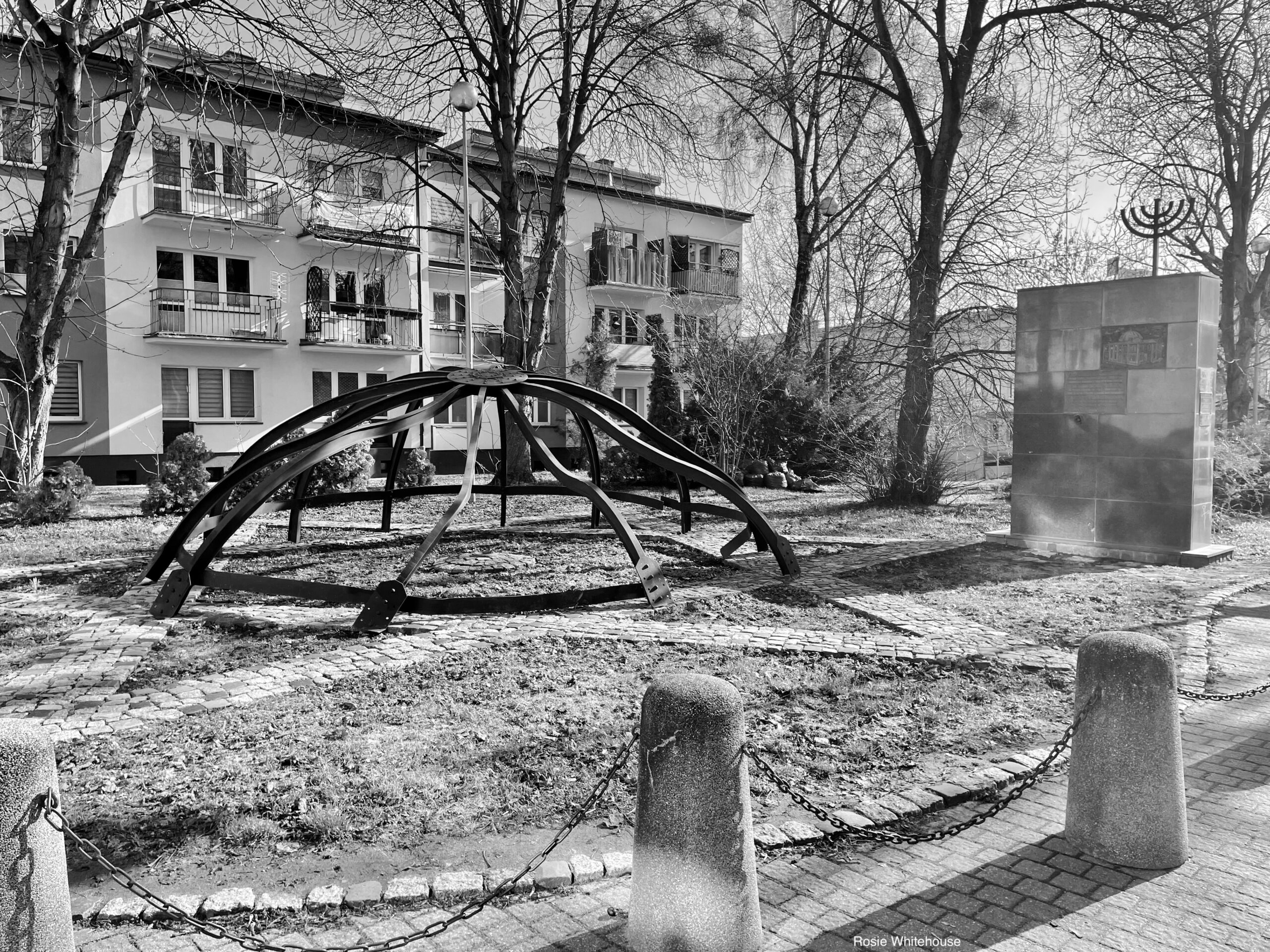
The Great Synagogue Memorial (ul. Suraska 2) Erected in 1996, the memorial is in the shape of the synagogue’s dome as if twisted by fire. Over 2,000 Jews were burned alive in the synagogue in June 1941 or murdered in the immediate vicinity.
The Malmed Memorial (ul. Malmeda 10) The small plaque remembers Yitzak Malmed, who threw acid in the face of a German soldier. Malmed was hanged in front of the Judenrat office, then located at Malmed 10. In retaliation, 100 Jews, including Malmed’s wife and child were shot, mainly in the block where he lived at Kupieka 39.
Poleski Station (ul. Węglowa, 1) After the Uprising, the remaining ghetto inmates were either killed in the fighting or taken from Poleski Station to Auschwitz, Majdanek or Treblinka. There is a memorial, but a new museum at the site, the Sybir Memorial Museum (Muzeum Pamięci Sybiru) remembers the Poles who were deported from Soviet-occupied Poland. It is an event that affected many Jews and played into the Judeo-Bolshevik myth, so it is worth a visit.
The Ghetto Defenders Memorial (Plac Tenenbauma) There was a significant resistance movement in the ghetto, and in August 1943 an uprising took place, which is marked by a memorial on Plac Tenenbaum. The square is named after the Zionist Mordechai Tenenbaum, one of its leaders.
Getto Location
The Białystok Ghetto, through which more than 50,000 Jews passed, was located in the northwest of the city. It stretched between present-day Lipowa, Przejazd, Poleska and Sienkiewicza streets. To discover more about the Białystok Ghetto click here.
Cemeteries
Bagnowka Jewish Cemetery (Cmentarz Żydowski, ul. Wschodnia) The only remaining cemetery that served the Jewish community is northeast of the city centre. Bagnowka was one of the largest Jewish cemeteries in northeastern Poland. Established c.1890, the last burial took place here in 1969.
Jewish Community
Miejsce: The Meeting Place (ul. Malmeda 6; w jewishbialystok.pl; 16.00–19.00 Mon–Fri; donation requested) This community centre cum museum is key to an exploration of the city’s Holocaust history and tracing roots. It is run by the Association of the Museum of Białystok.
Beyond the Centre
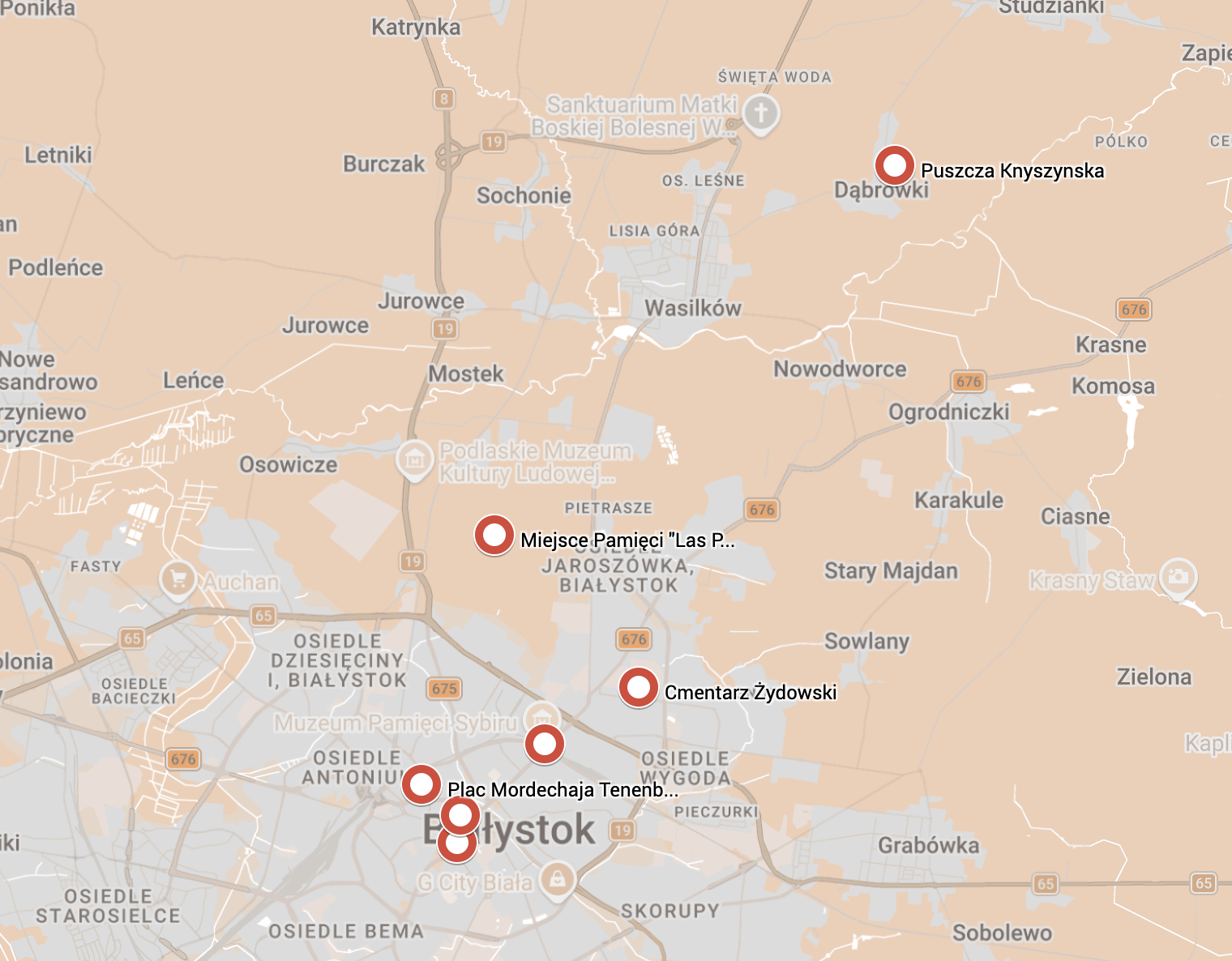
Map of sites beyond Białystok cnetre
The Pietrasze Forest Memorial (Miejsce Pamięci “Las Pietrasze”. A short walk from the Podlasie Museum of Folk Culture, the Podlaskie Muzeum Kultury Ludowej, Leśna 7, Wasilków.) The memorial remembers the 3,000–4,000 Jews were shot in the Pietrasze Forest in July 1941.
Knyszyn Forest (Puszcza Knyszynska) A few hundred Jews were able to escape after the Ghetto Uprising and fled to the vast Knyszyn Forest where they formed a partisan unit. The forest is near the village of Dąbrówki.
The Underground Archive of the Białystok Ghetto
The archive was founded by the Jewish resistance leader Mordechaj Tenenbaum, who arrived in Białystok in November 1942.
The founders of the archive encouraged the inhabitants of the ghetto to write down eyewitness accounts. They also collected the minutes of Judenrat meetings and announcements. The archive included photographs, poems, literary works and newspaper clippings.
The archive also recorded events in other cities and towns of the Białystok District and the Reichskommissariat Ostland.
Between March and May 1943, the archive was buried in three moisture-resistant tin boxes made especially for the preservation of documents on the property of a Polish doctor Bolesław Filipowski, a lieutenant in the Home Army, who lived at 29 Piasta Street in Białystok.
In 1946, some of the archive was handed over to the Central Jewish Historical Commission and to the Dror organisation. Tenenbaum probably continued to work on the project until the final liquidation of the Białystok Ghetto in August 1943. However, these materials were never found. Surviving documents are now kept in the archives of the Jewish Historical Institute in Warsaw, Yad Vashem, and the Ghetto Fighters’ House Museum in Israel.
Further afield
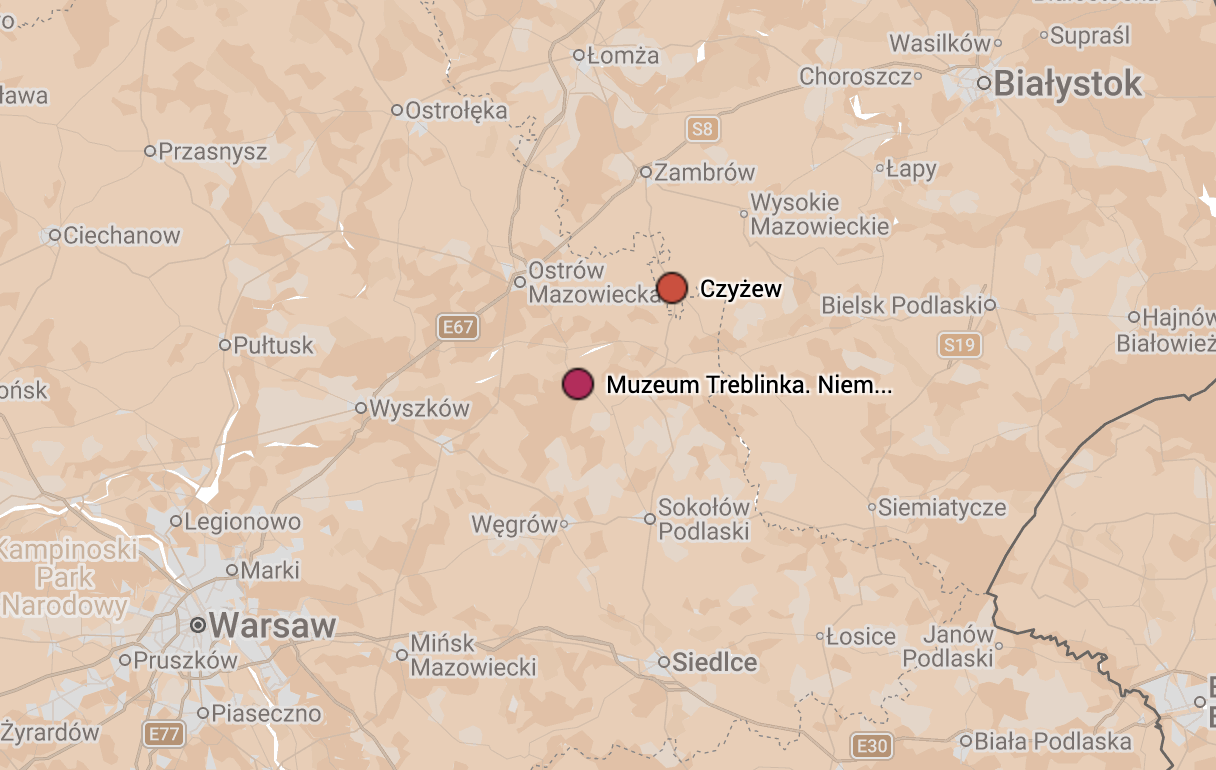
Map of Sites further from Białystok
Czyzewo
Czyzewo was the birthplace of Pinchas Hebel, one of the Boys.
Former synagogue (ul. Piwna 5) The building remains but is in poor repair and is used as a warehouse.
The New Jewish cemetery (ul. Cicha) The necropolis was also devastated during World War II and in the period following the liberation. Only some remnants of brick walls surrounding two graves have been preserved.
Treblinka
Treblinka southwest of Białystok was the site of one the Germans’ deadliest extermination camps, and some 800,000-920,000 Jews from ten different countries were murdered here between 1942 and 1943.
Close to the Bug River in remote countryside, Treblinka was chosen for the site of the camp as it was close to the main Warsaw–Białystok railway line. Today, it is a quiet, lonely place which gets few visitors.
Getting there It is much cheaper to visit Treblinka on your own steam. If you do not have a car take a taxi from the station in Małkinia Górna (7km away) and ask the driver to wait. Be sure to arrange the price first. It takes under an hour to see the site. Be aware that the route follows that taken by the trains to Treblinka.
What to see
The site at Treblinka is over 2km long. The main area which was once the extermination camp, Treblinka II, is a short walk from the car park. The labour camp, Treblinka I, is at the other end of the forest complex from the museum and main memorial. It is possible to drive there, where there is a second car park.
There is no need to book in advance to visit Treblinka, access is 24 hours and free.
The Treblinka Museum (open daily; free) is next to the main car park.
Nothing remains of the camp, which is now covered by 17,000 stones, 216 of which are marked with the names of communities destroyed by the mass murder in Treblinka. They stand on the site of the mass graves and buried ashes. The path from the car park takes you past the memorial. The railway line is marked by stone slabs that lead to the ramp. The path continues behind the main monuments and curves back to the car park and visitors’ centre.

 About
About History
 Education
 Quilts
 FIlms
FIlms Photos
 News Media & Events
 Publications
 Donate