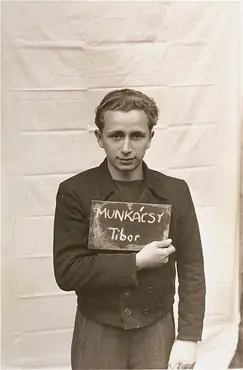
Members of the Boys were born in Budapest and the surrounding area.
The Boys were teenage and child-Holocaust survivors, who were brought to the UK after the war for rest and rehabilitation.
Members of the Boys were held in Nazi labour and concentration camps and used as slave labourers. They had also survived World War II in hiding or as lone children.
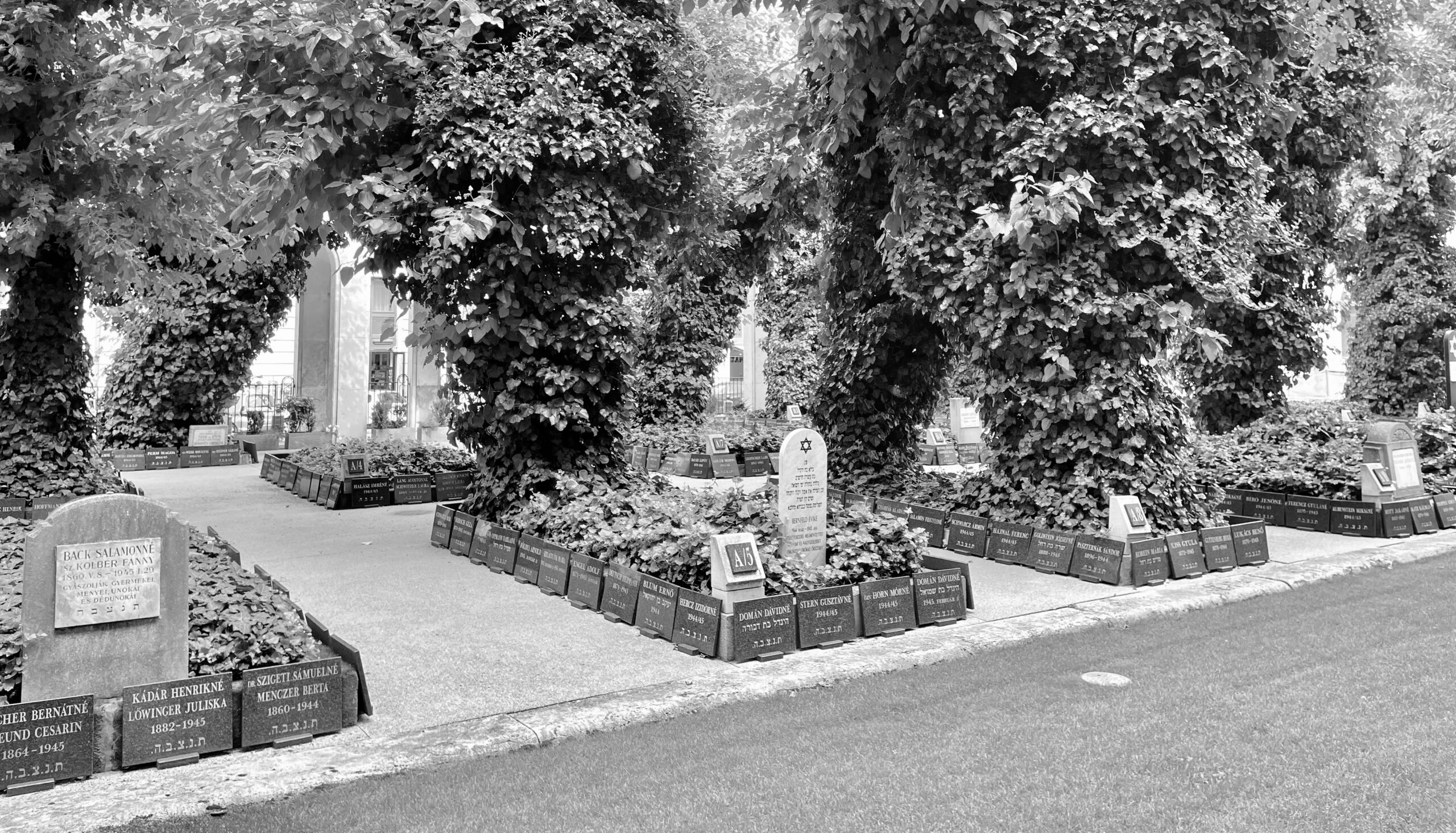
Graves of Jews who died in the Budapest Ghetto in the Dohány Synagogue in Budapest, Hungary.
Background
Budapest, the Hungarian capital, has always been the centre for Hungarian Jewish cultural life. Hungary’s Jewish population played a significant part in the development of the country’s political, cultural and economic life after emancipation in 1867.
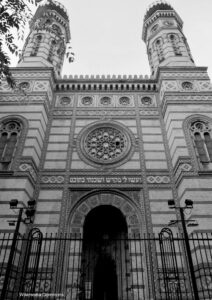
Dohany Street Synagogue
Budapest was also the birthplace of Theodor Herzl, the father of modern political Zionism.
In the early 20th century, Jews represented a significant proportion of Hungary’s professionals; 60% of Hungarian doctors were Jewish.
To find out more about the history of Hungary click here.
World War II
In the late 1930s and early 1940s, Budapest and its surrounding area was a safe haven for Jewish refugees. Some 5,000 Austrian and German Jewish refugees arrived in Budapest before the war. Budapest was relatively secure until the German occupation of Hungary in March 1944.
In November 1944, some 70,000 Budapest Jews were herded into the ghetto, where they lived 14 people to a room. To find out more about the ghetto and the Boys who were held in it click here.
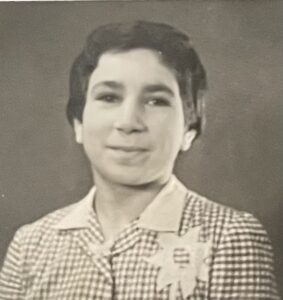
Magda Lieberman was one of the Boys who hid in Budapest during World War II.
Between April and July 1944, the Germans and Hungarians deported Jews from the Hungarian provinces.
Yet on 7 July 1944, following a private intervention by Pope Pius XII, Horthy stopped the deportations, saving the Jews of Budapest. Horthy was deposed in October 1944 in a coup staged by the far-right ultranationalist Arrow Cross.
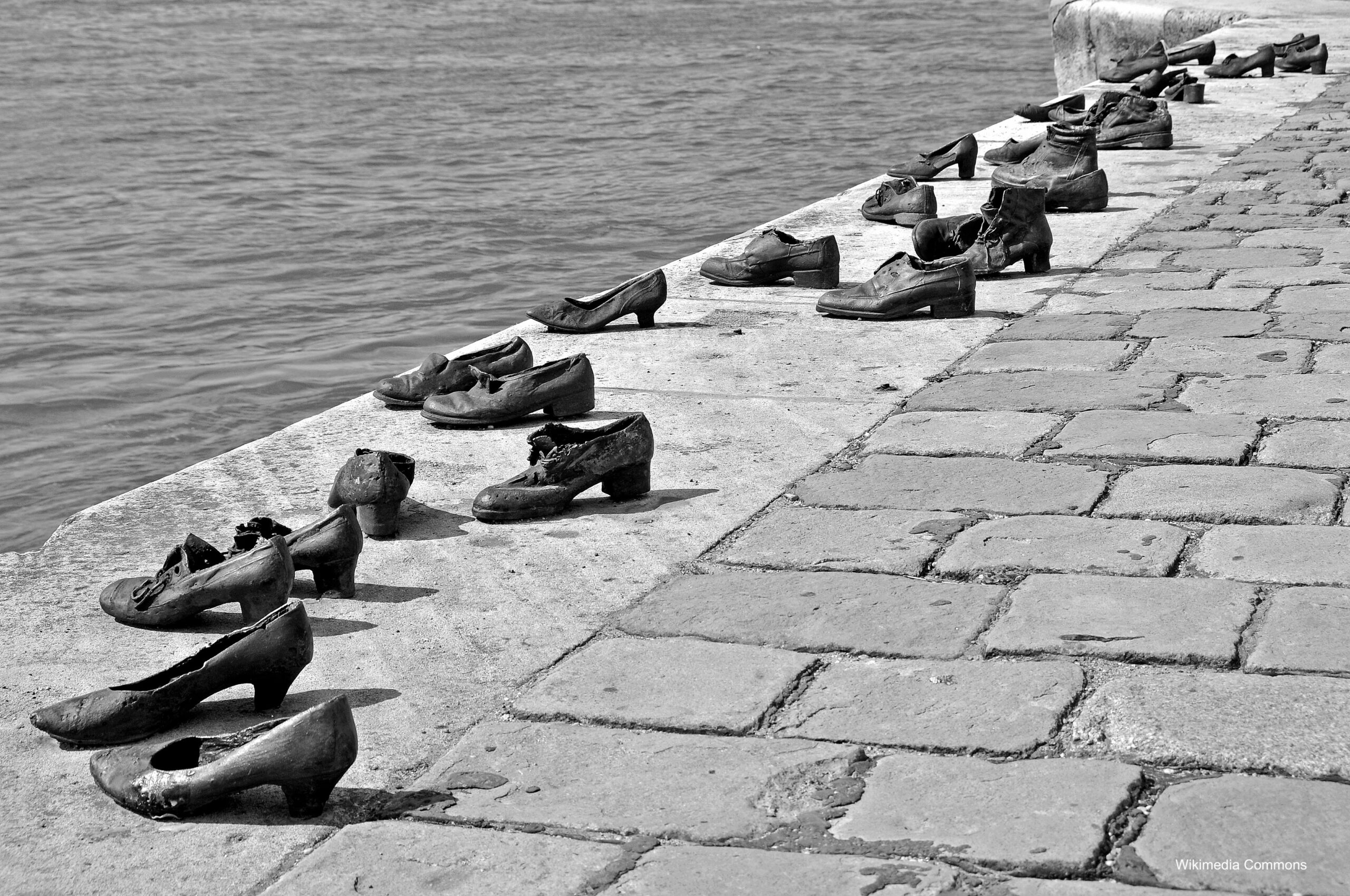
In December 1944 and January 1945, approximately 20,000 Jews were shot on the banks of the Danube.
Two ghettos were set up in the 7th District and the so-called International Ghetto near Szent Istvan Park.
Raoul Wallenberg, a Swedish diplomat and a small group of other diplomats, issued life-saving diplomatic passports and papers to thousands of Hungarian Jews.
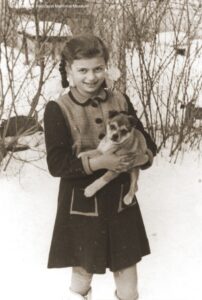
Erika Vermes was one of the Boys given life saving papers by Raoul Wallenberg.
Wallenberg delivered papers to Jews on the banks of the Danube about to be shot and those in the railway station about to be deported. He even warned the commander of the German troops that he would see him prosecuted for war crimes if the ghetto was liquidated.
Once the Jews had protective papers they were housed in an international ghetto. The Arrow Cross permitted this as it meant Jews would be taken out of Hungary. Wallenberg disappeared in January 1945 and is believed to have been taken to Moscow by the Soviet secret police, accused of spying for the Germans.
Aftermath
Budapest was liberated by Soviet forces on 13 February 1945. About 100,000 Jews were still alive when the Red Army occupied Budapest. Many of the survivors chose to emigrate to Israel in the early post-war years, and after the 1956 Hungarian revolution.
Present-day
Today, Hungary has a large Jewish population of around 100,000, most of whom live in Budapest, which is home to Europe’s largest synagogue.
Budapest was and remains the centre of the Jewish community in Hungary.
The city is home to some moving memorials and important stories. It also has a vibrant Jewish Quarter which is the city’s cool hipster place to hang out. Budapest hosts several Jewish cultural festivals, notably the Jewish Cultural Festival (Zsidó Kulturális Fesztivál; w zsidokulturalisfesztival.hu), which is held at the end of summer.
Getting there Budapest is well connected by low-cost airlines to most major European cities. There are regular rail services between Berlin, Vienna and Prague and the city’s three train stations. Bus links are also good.
Getting around Most of the main sites in Budapest are walkable.
To drive on Hungary’s motorways, you must buy a vignette. To visit the towns related to the story of the Boys mentioned in this chapter you can use public transport, but for more rural sites you need your own car.
Synagogue
Dohány Street Synagogue (Dohány utcai Zsinagóga; Dohány Street; entry fee) This the largest synagogue in Europe. In 1939, the building was attacked by the pro-Nazi Arrow Cross. It was then used as a stable and was damaged during the siege of Budapest at the end of the war. Renovations began in 1991.
A centre of Neolog Judaism, the synagogue can hold almost 3,000 people. Inside, surprisingly, it resembles a church, and there is no bimah in the centre. The ark contains Torah scrolls from synagogues destroyed during the Holocaust.
The synagogue is unusual too in that it has an organ and a mass grave in the courtyard. Jews are never normally buried in the grounds of a synagogue, but during the winter of 1944–45, when the synagogue was part of the ghetto, Jews who died of hunger, cold and disease were buried here. The grave contains the remains of at least 2,281 people, whose identities are for the most part unknown. There is a wordy but highly informative exhibition in the basement of the synagogue about the Budapest Ghetto.
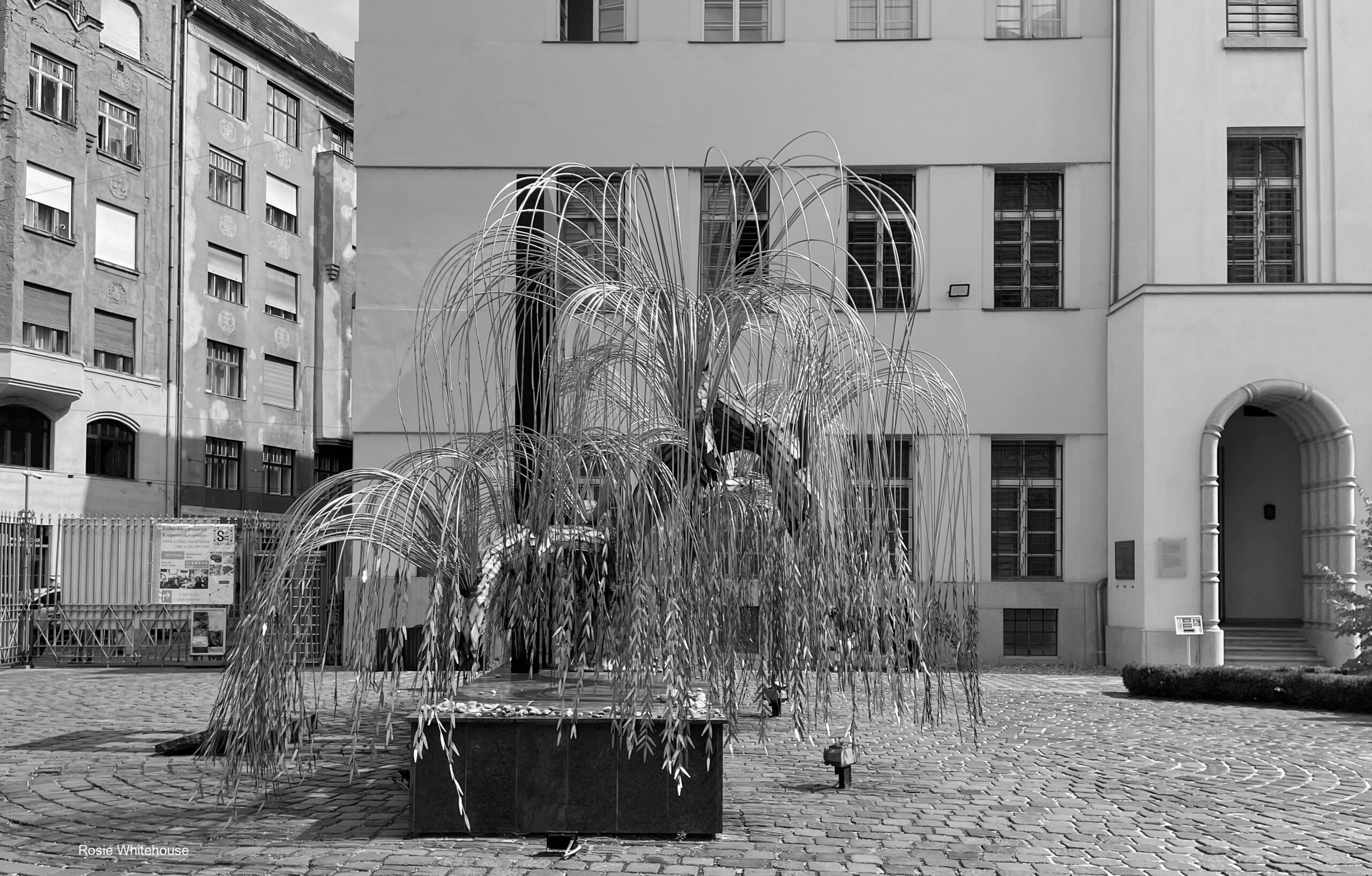
Emmanuel Tree Memorial, Dohany St Synagogue, Budapest
In the courtyard behind the synagogue, the Emmanuel Tree Memorial is a silver-coloured weeping willow made of metal with the names of 30,000 Hungarian Holocaust victims engraved on its leaves. The American actor Tony Curtis, whose Jewish parents were born in Hungary, paid for the statue.
The synagogue complex also contains a symbolic headstone for Raoul Wallenberg, the Swedish diplomat who issued life-saving diplomatic passports and papers to thousands of Hungarian Jews among them members of the Boys.
Wallenberg was not the only diplomat to help the Jews. There are also memorials in the synagogue complex to Italians Giorgio Perlasca, Angelo Rotta and Gennaro Verolino, as well as Portuguese diplomats Carlos de Liz-Texeira Branquinho and Carlos Sampaio Garrido.
Ghetto Location
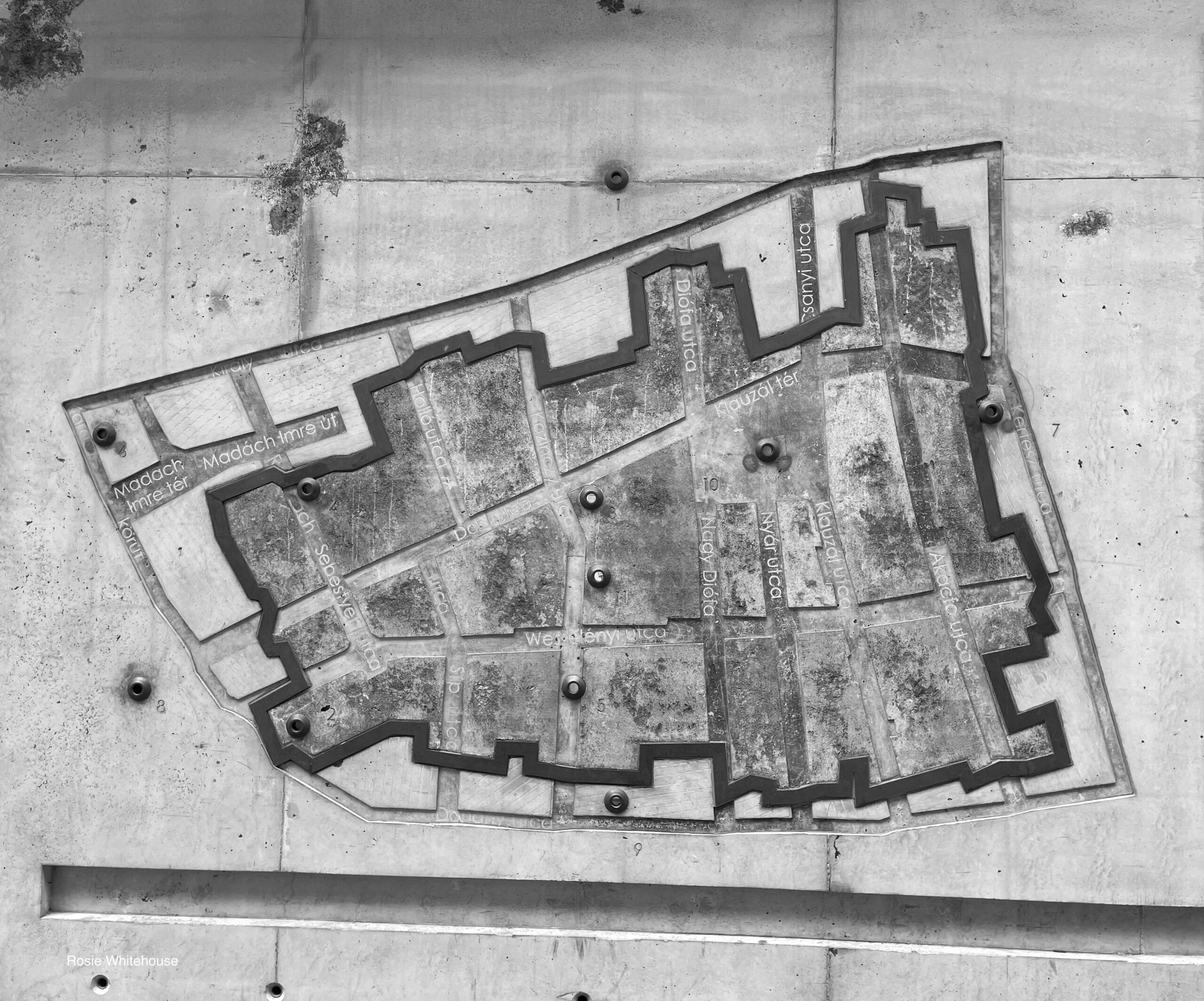
Map of the Budapest Ghetto.
The Budapest Ghetto was enclosed by today’s Király, Kertész, Dohány and Rumbach streets in the Jewish Quarter.
A reconstructed part of the ghetto wall can be seen from a distance at Király Street 15 in the courtyard of a private apartment building.
Memorials
Ghetto Memorial Wall (Dohány Street 34) shows a map of the confined area, and there are bullet-shaped peep holes through which visitors can see images of the ghetto.
Ghetto Memorial (Klauzál tér) This new memorial stands on the square where corpses were dumped in the winter of 1944–45.
Shoes on the Banks of the Danube (Cipők a Duna-parton between the parliament building and the Chain Bridge) The memorial shows 60 cast-iron men’s, women’s and children’s shoes on the embankment. Approximately 20,000 Jews were shot on the banks of the river by the Arrow Cross militia, who ordered them to remove their shoes before the execution took place.
Memorial to the Jewish Labourers (A zsidó munkaszolgálatosok emlékműve; Bethlen tér 2) commemorates the thousands of Jewish Hungarian men who were taken into forced labour service units, munkaszolgálat, during World War II. Many of the Boys fathers and older brothers were taken into these brigades.
ELITE University Memorial (Trefort Garden opposite the Astoria Hotel) The memorial on the wall of the Faculty of Humanities lists the names of the students and teachers who died in the Holocaust.
Memorials to Foreign Diplomats
Raoul Wallenberg In 1946, a monument was put up by survivors in Szent István Park (St Stephen’s Park) to honour Raoul Wallenberg. In 1949, the night before the monument was to be unveiled, the communist authorities removed it. A copy of the statue was reinstated in 1999 and a ceremony is held here annually on 4 August, Wallenberg’s birthday. There is another monument to Wallenberg at Erzsébet ter 11–13.
There is a plaque on the safe house in the International Ghetto (Pozsonyi Street,10). Another statue marks the spot in Buda where Wallenberg’s abandoned car was found.
Carl Lutz A memorial at Dob Street 12, not far from the Dohány Street Synagogue, depicts Lutz as a golden angel, descending from the heavens to help a fallen victim. He saved an estimated 60,000 Hungarian Jews.
Angel Sanz Briz There is a plaque remembering the diplomat on the Spanish Embassy at Eötvös Street 11. Acting independently of General Franco’s fascist government, he managed to save 5,000 Jewish lives.
Museums
Holocaust Memorial Centre (Holokauszt Emlékközpont; IX Páva untca 39; entry fee) Budapest’s Holocaust Memorial Centre is outside the traditional Jewish Quarter and as a result is often sadly overlooked by tourists. The memorial and museum is in the former Páva Synagogue, once the second largest in the city. The complex was used as an internment camp in 1944 and is the best place to start to understand the Holocaust in Hungary.
The Glass House (Üvegház; Vadasz u. 29; free), A former glass factory declared by diplomat Carl Lutz neutral territory which provided a safe haven for some 3,000 Jews, is now a small but excellent museum.
Memorialisation: Good to Know
The Holocaust in Hungary has in recent years been subject to historical distortion.
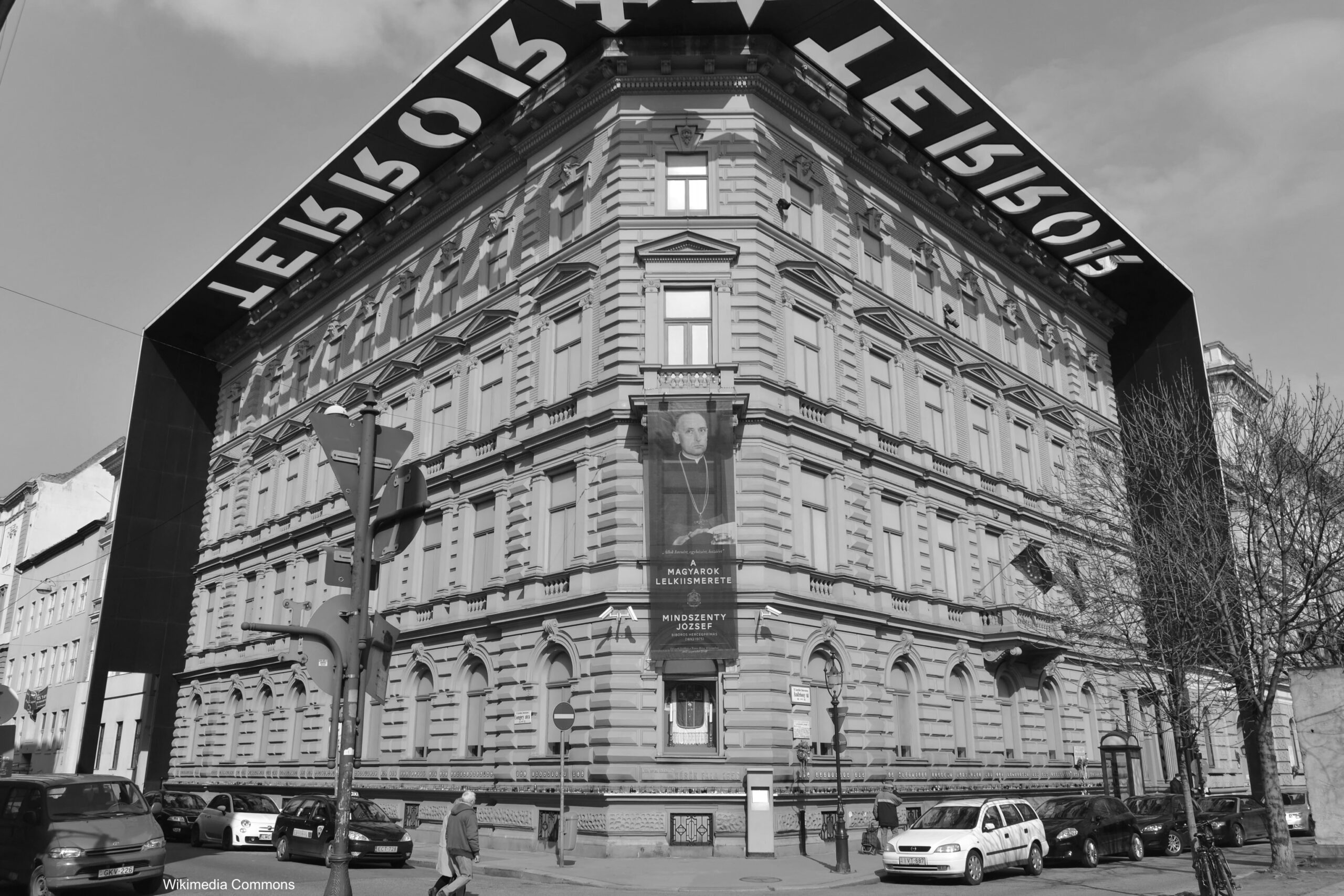
House of Terror, Budapest
A visit to the House of Terror (Terror Háza), one of Budapest’s most controversial museums, is a step into the dangerous world of memory politics and historical distortion. The museum, which opened in 2002, is located inside the building that served first as the headquarters of the fascist collaborationist Arrow Cross Party, and later by the Soviet-supported secret police, and seeks to equate the communist and Nazi totalitarian regimes.
This distortion also surrounds the debate over a project known by its temporary name, the House of Fates (Sorsok Háza). The unfinished museum stands in the Józsefvaros district at the site of the former railway station, from where several trainloads of Budapest Jews left for Auschwitz. Construction began in 2015 and has so far cost over €20 million. Critics, among them the Israeli Holocaust Memorial Yad Vashem and the United States Holocaust Memorial Museum, say the museum will present Hungary as a victim not a collaborator by concentrating on events after March 1944 and ignoring Hungarian antisemitism and anti-Jewish legislation.
The 2014 Memorial to the Victims of the German Occupation (A Német Megszállás Áldozatainak Emlékműve) in Freedom Square (Szabadsag ter) has been criticised for representing Hungary as an innocent victim of Nazi Germany. It shows a German eagle swooping down on the Archangel Gabriel, who represents Hungary. It has been condemned by Jewish organisations and is the object of protest.
Online
Centropa (w centropa.org/en/hungary) The Vienna-based organisation Centropa has an extensive archive on Hungarian Jewry.
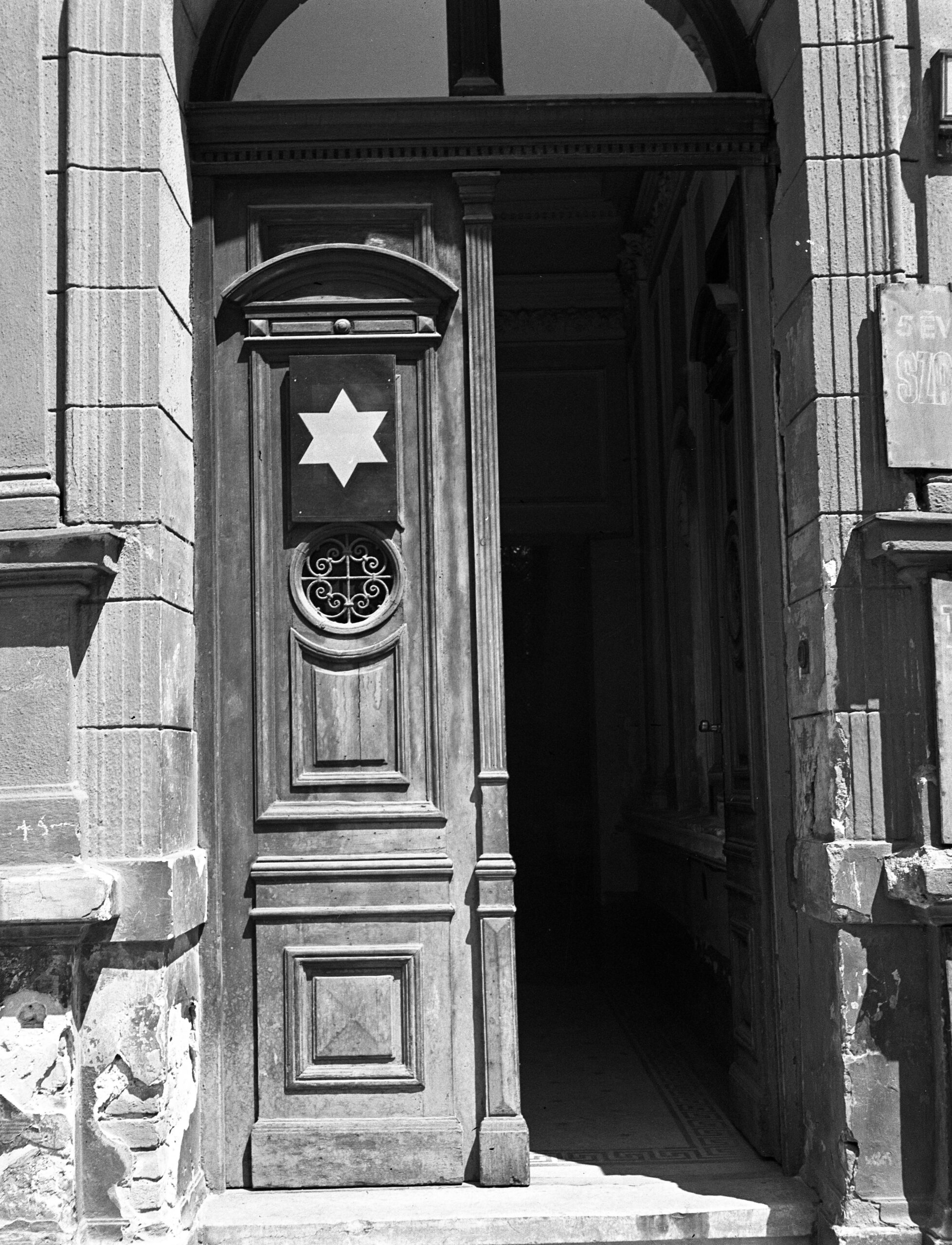
Yellow House, Budapest 1944
Yellow Star Houses The buildings that were once yellow-star houses are now private residences, but the website w yellowstarhouses.org marks their locations.
 About
About History
 Education
 Quilts
 FIlms
FIlms Photos
 News Media & Events
 Publications
 Donate