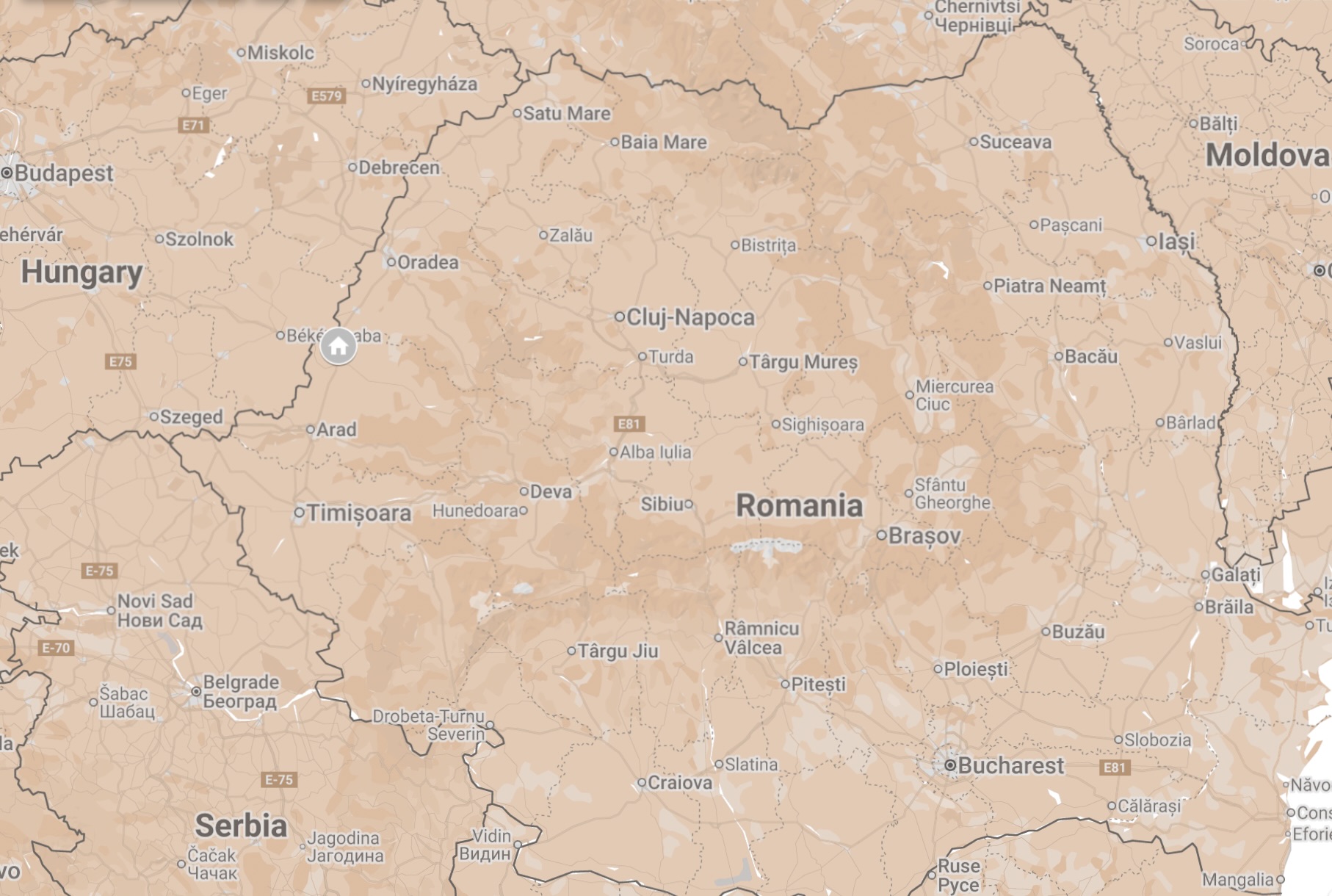
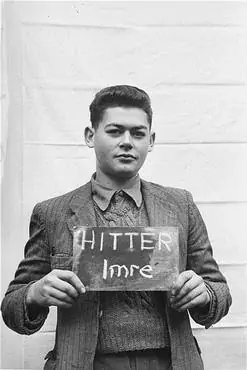
Members of the Boys were born in Crisana Province in Romania.
The Boys were teenage and child-Holocaust survivors, who were brought to the UK after the war for rest and rehabilitation.
Members of the Boys were held in Nazi labour and concentration camps and used as slave labourers. They had also survived World War II in hiding or as lone children.
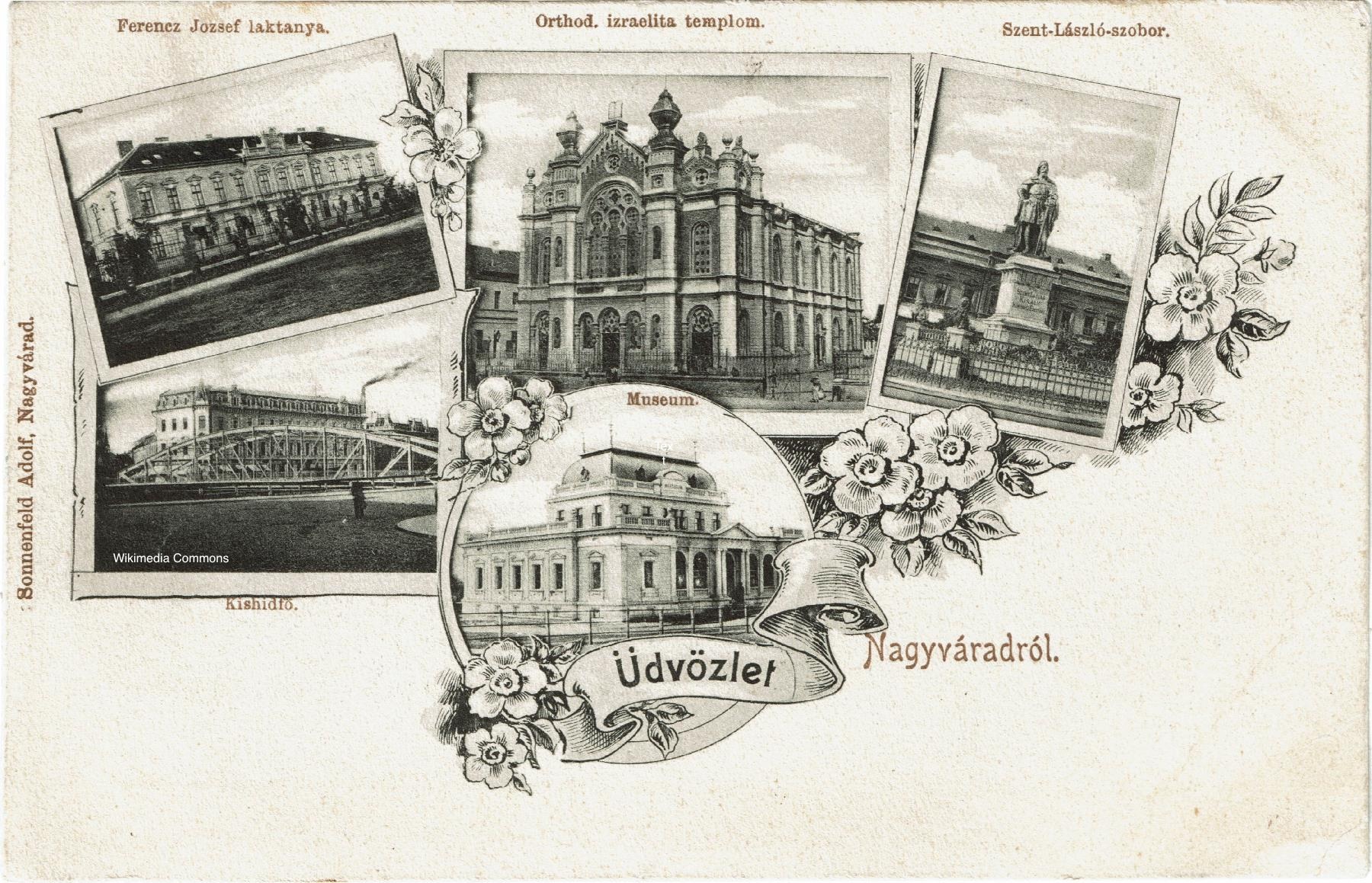
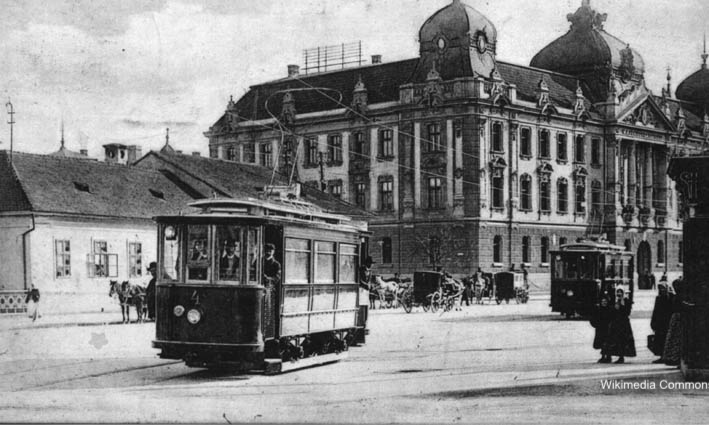
Postcard of Nagyvárad/Oradea, views of the Synagogue.
Crisana Province is in north western Romania and its principal city is Oradea. The region, which has a rich Jewish heritage, is part of Transylvania, which was awarded to Romania after World War I.
Jews have probably lived in the region since the 10th century, but it was only in the 19th century that the Jewish population grew steadily.
Oradea The city had a Jewish hospital and a number of schools. Significantly, the Jewish community embraced the Hungarian language and culture. During the interwar period this made them a target for Romanian nationalists and fascists. After the creation of the fascist Iron Guard in 1927, the Jews of Oradea suffered from violent attacks and synagogues were vandalised.
Valea-lui-Mihai had a significant, deeply rooted Jewish community, with over 1,600 Jewish residents (roughly 15–20% of the population) before the Holocaust.
Wartime
1940 The area was given to Hungary under the second Vienna Awards. Oradea assumed its Hungarian name of Nagyvarad. Similarly, Valea-lui-Mihai was known by its Hungarian name of Ermihályfalva.
The state’s anti-Jewish laws meant that situation of the Jews of Crisana deteriorated further. From 1942, Jewish men in the area were forcibly recruited into labour battalions in the Hungarian army and Jewish businesses were confiscated.
German Invasion March 1944 In 1944, about 30,000 Jews lived in Oradea, a third of the city’s population. In May 1944, they were forced into a ghetto alongside 8,000 Jews from the surrounding area including those from Valea-lui-Mihai. Nine transports left for the Auschwitz II-Birkenau concentration and extermination camp in the weeks that followed.
Aftermath
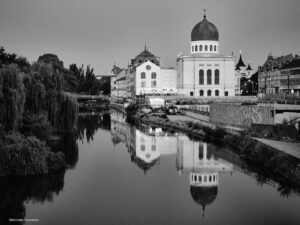
Neolog Synagogue, Oradea.
After the liberation Oradea became a regional hub for survivors and had a Jewish population of 8,000. Many Jews passed through the city on their journey out of eastern Europe.
After World War II, Crisana province once again became part of Romania.
Present-day
Today, there are only a few hundred Jews living in the city but there is a functioning Jewish community.
Getting there Oradea, the principal city, is just 8km from the Hungarian border and is a good place to start exploring Romania if you are arriving by car or train.
Romania is a large country, so to travel to Oradea from the capital it’s better to fly or take the train. Oradea is 642km northwest of Bucharest.
Getting around Valea-lui-Mihai is 75km north of Oradea. It is accessible by train.
What to See
Oradea
Museum of Jewish History (Muzeul Istoriei Evreilor din Oradea; Str. Primăriei 25; entry fee) Opened in 2018 in the Aachvas Rein Synagogue, the museum charts the history of the Jewish community of Oradea from the 15th century. The first floor of the museum has a permanent exhibition and Holocaust memorial.
Jewish Cemetery (Strada Rǎzboieni) The size of five football fields, it is one of central Europe’s largest surviving Jewish cemeteries. It also contains a Holocaust memorial.
Jewish Community The present-day Jewish community is based in the Sinagoga Neologă Sion (Str. Independenței 22).
Valea-lui-Mihai
Synagogue (19 Mures Street) The town’s primary synagogue was built around 1830 and later renovated in a Hungarian Secession style. While it is no longer in regular use, it hosts cultural events.
Jewish Cemetery The cemetery remains a key physical reminder of the community, containing roughly 340 graves.
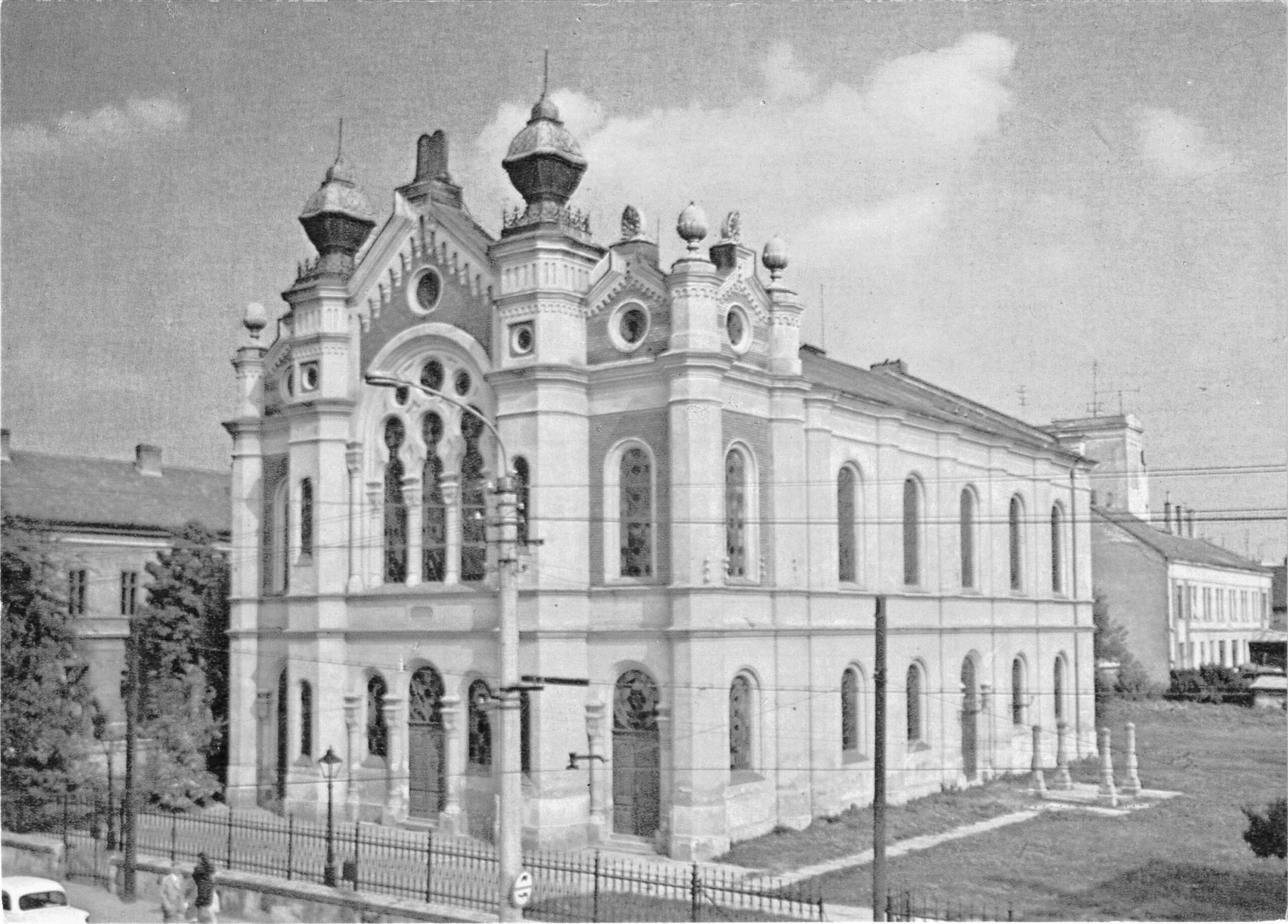
Eva’s Stories Thirteen-year-old Eva Heyman left behind an important testament of this period. In her dairy she describes the deteriorating situation in Oradea. Heyman was a highly assimilated middle-class teenager. The Eva Stories project tells her story on Instagram. Heyman was murdered in Auschwitz in October 1944.
There is a sculpture of Eva Heyman in the eastern side of Nicolae Bălcescu Park on Evreilor Deportati.
 About
About History
 Education
 Quilts
 FIlms
FIlms Photos
 News Media & Events
 Publications
 Donate