
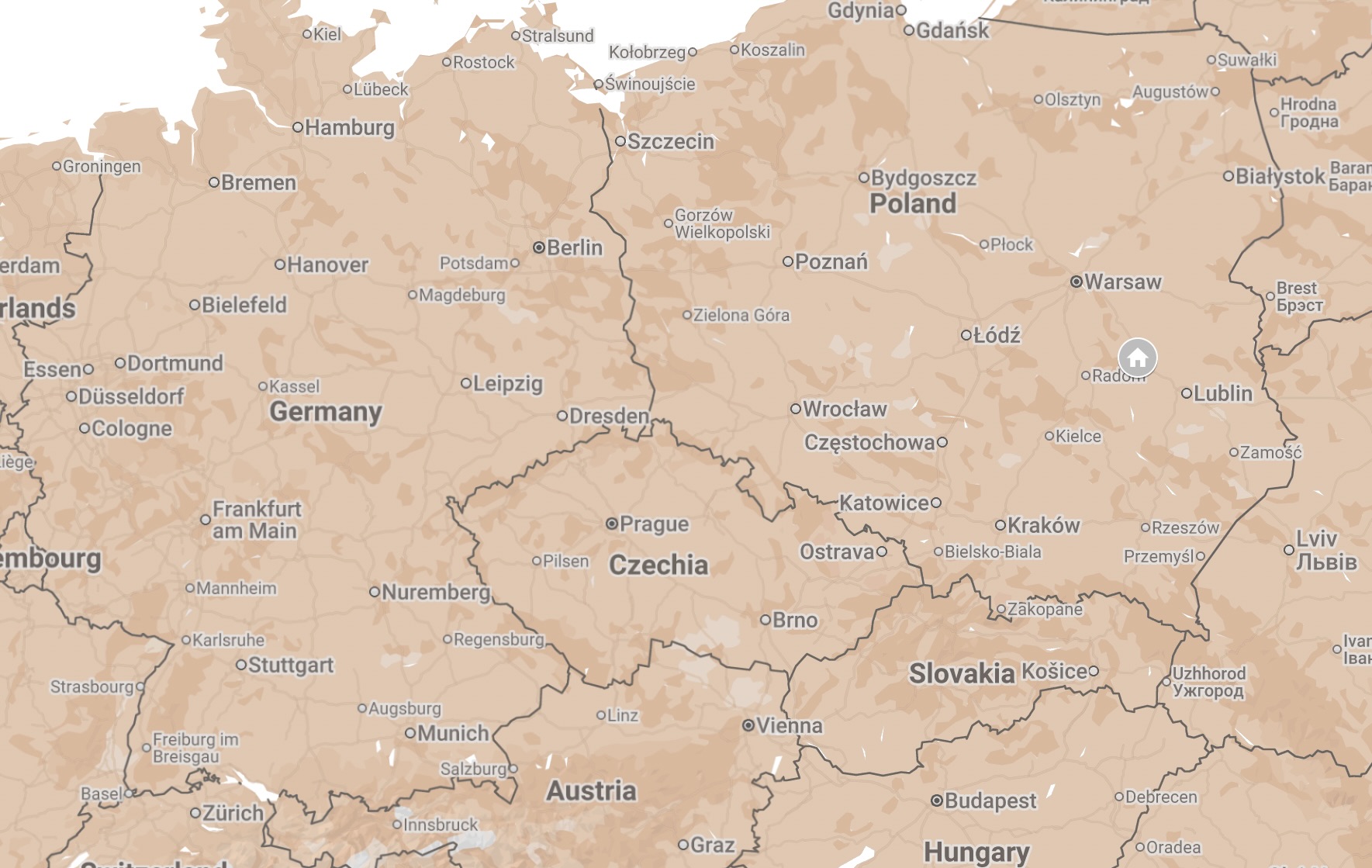
Members of the Boys were born in Dęblin-Irena in Poland.
The Boys were teenage and child-Holocaust survivors, who were brought to the UK after the war for rest and rehabilitation.
Members of the Boys were held in Nazi labour and concentration camps and used as slave labourers. They had also survived World War II in hiding or as lone children.
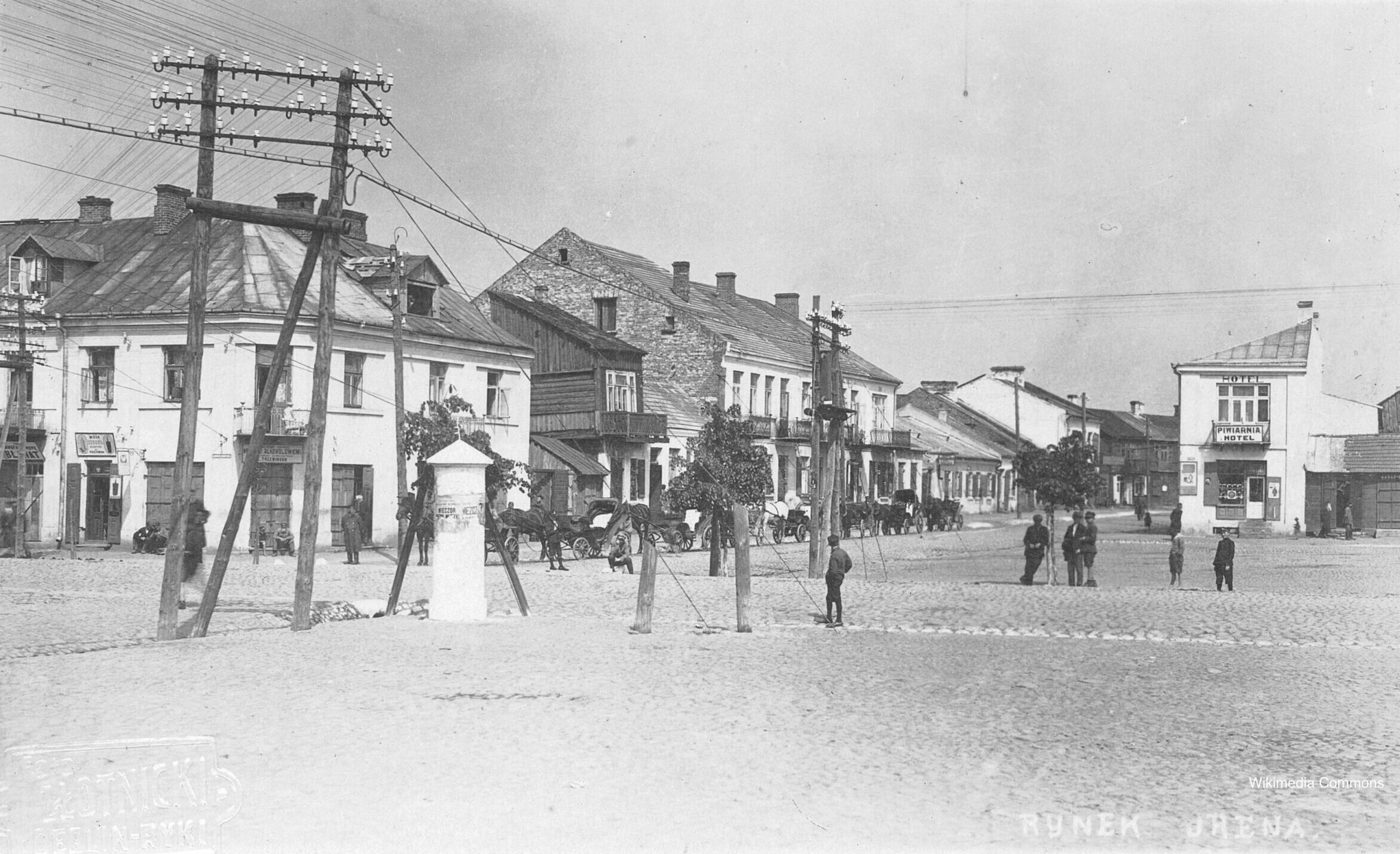
Market in Dęblin, Poland, 1928.
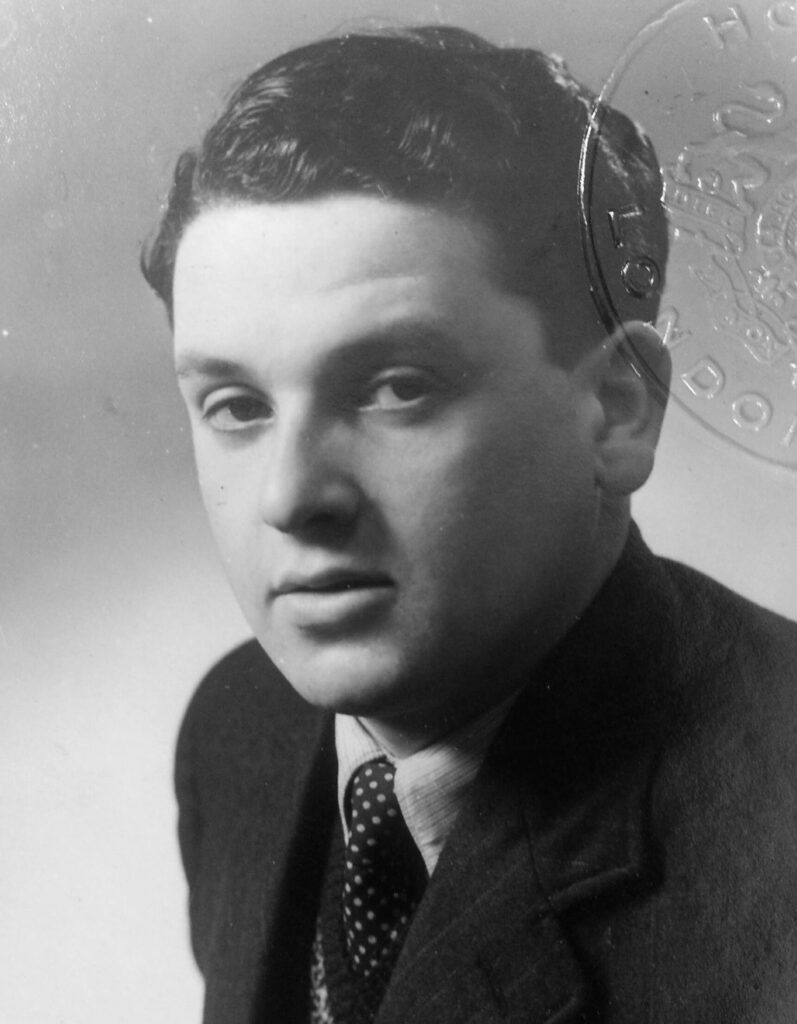
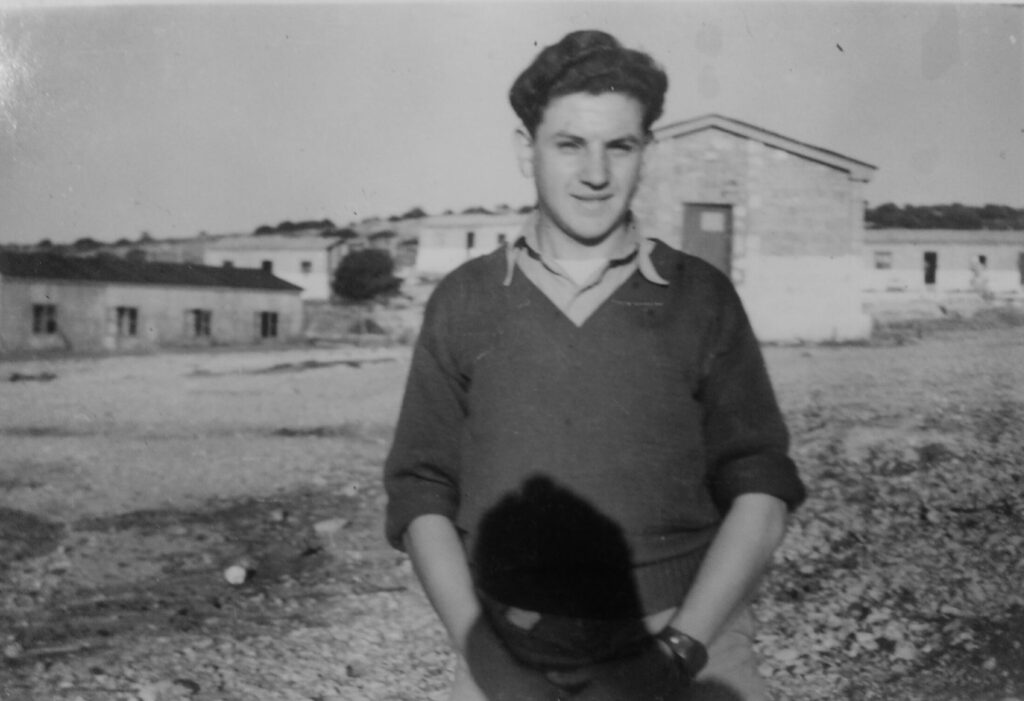
The Frydenberg brothers were born in Dęblin and came to the UK in the First Group of the Boys in August 1945.
Although Jews were not drafted into the Polish air force, or allowed to work for the state railway, Dęblin’s Jews made a living supplying both.
Antisemitism grew in Dęblin in the interwar period and there was a boycott of Jewish shops in the late 1930s.
Wartime
Deblin Ghetto
During the German invasion of Poland in September 1939, Dęblin was badly bombed, as was nearby Ryki.
The synagogue in Dęblin was burnt down in October 1939 and persecution of the Jews began in earnest. Twelve Jews were burned alive in the synagogue.
All Jews from adjacent villages were placed in the Dęblin-Irena Ghetto. To find out more about the ghetto and the Boys who were held in it click here. In May 1942, 2,500 Jews were deported to the Sobibór extermination camp where they were murdered. A further 3,250 Jews were deported to the Treblinka extermination camp in September where they were gassed. No Jews remained in Dęblin by October 1942.
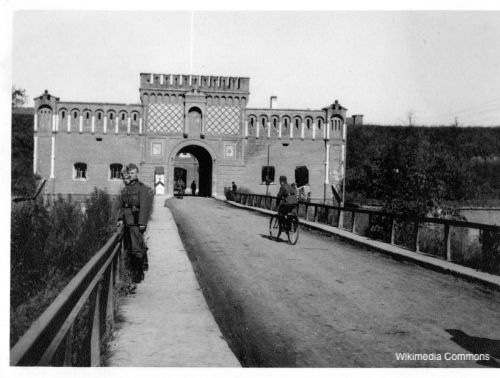
Dęblin had five labour camps and the town was an important military base prior to the German invasion of the Soviet Union in the summer of 1941. The Boys worked in these camps, notably the one at Dęblin airfield. One of the last Jewish labour camps in the Lublin District, it enabled hundreds of Jews to survive the Holocaust. The camp was closed in July 1944 and the workers moved to the HASAG labour camps in Częstochowa.
Aftermath
After the end of hostilities, 82 Jews returned to Dęblin-Irena, nine of whom were murdered by Poles. All the surviving Jews left during the summer of 1945.
Present-day
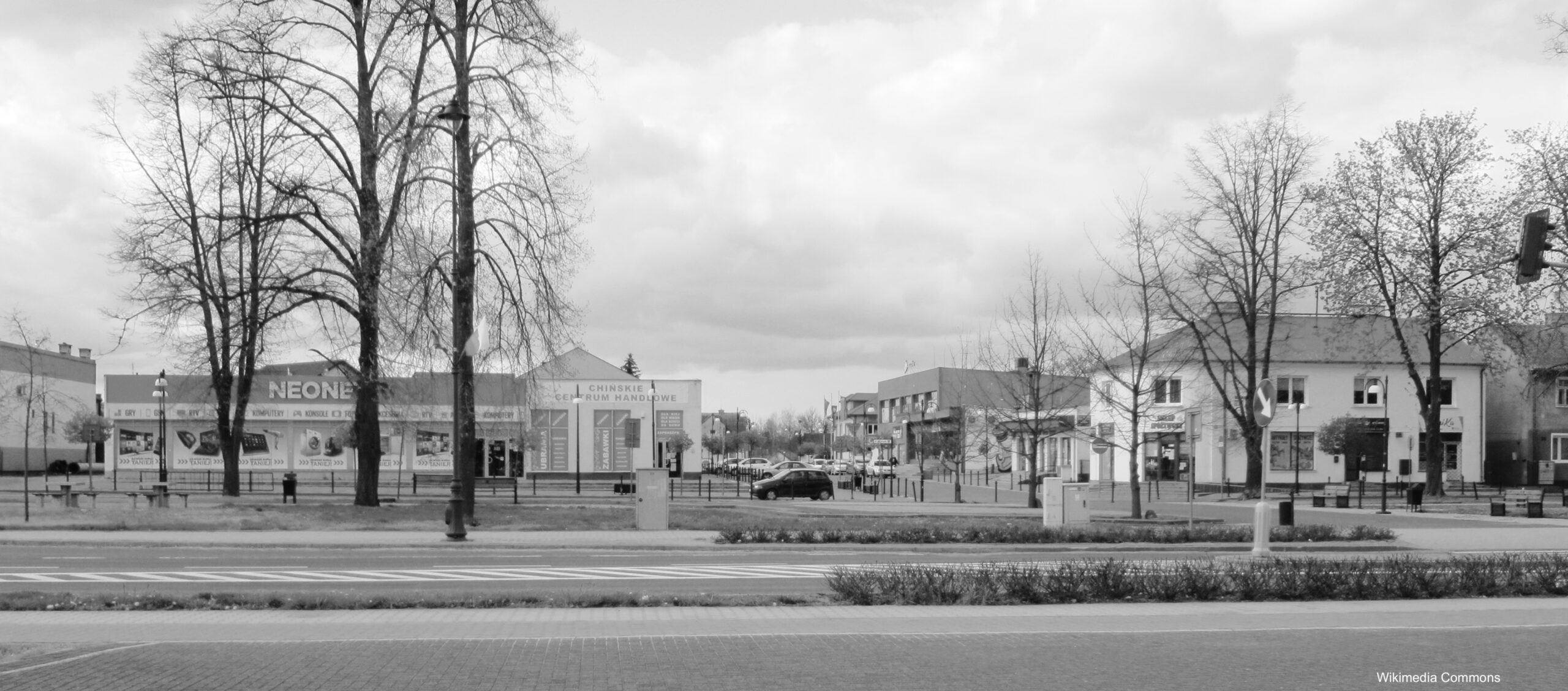
Today, no Jews live in Dęblin.
Little physical trace of this vibrant community remains in Dęblin.
Getting there Dęblin is approximately 1-1.30 hours by train from Warsaw, with trains running from Warszawa Centralna to Dęblin station. Frequent direct trains also run from Lublin Główny. Journey time by fast train is 40 minutes.
What to see
Ghetto Location The ghetto was in the Irena area. The boundaries were initially Okólna Street, the Irenka River, Bankowa, and Staromiejska Streets. Jews were subjected to forced labour at the Dęblin Fortress, local railways, and the Luftwaffe airfield.
Jewish Cemetery While Dęblin’s own cemetery was destroyed, many residents were buried in the nearby Bobrowniki Jewish Cemetery (Dęblińska 14E, Bobrowniki) which contains around 47 graves and a memorial to Holocaust victims.

 About
About History
 Education
 Quilts
 FIlms
FIlms Photos
 News Media & Events
 Publications
 Donate