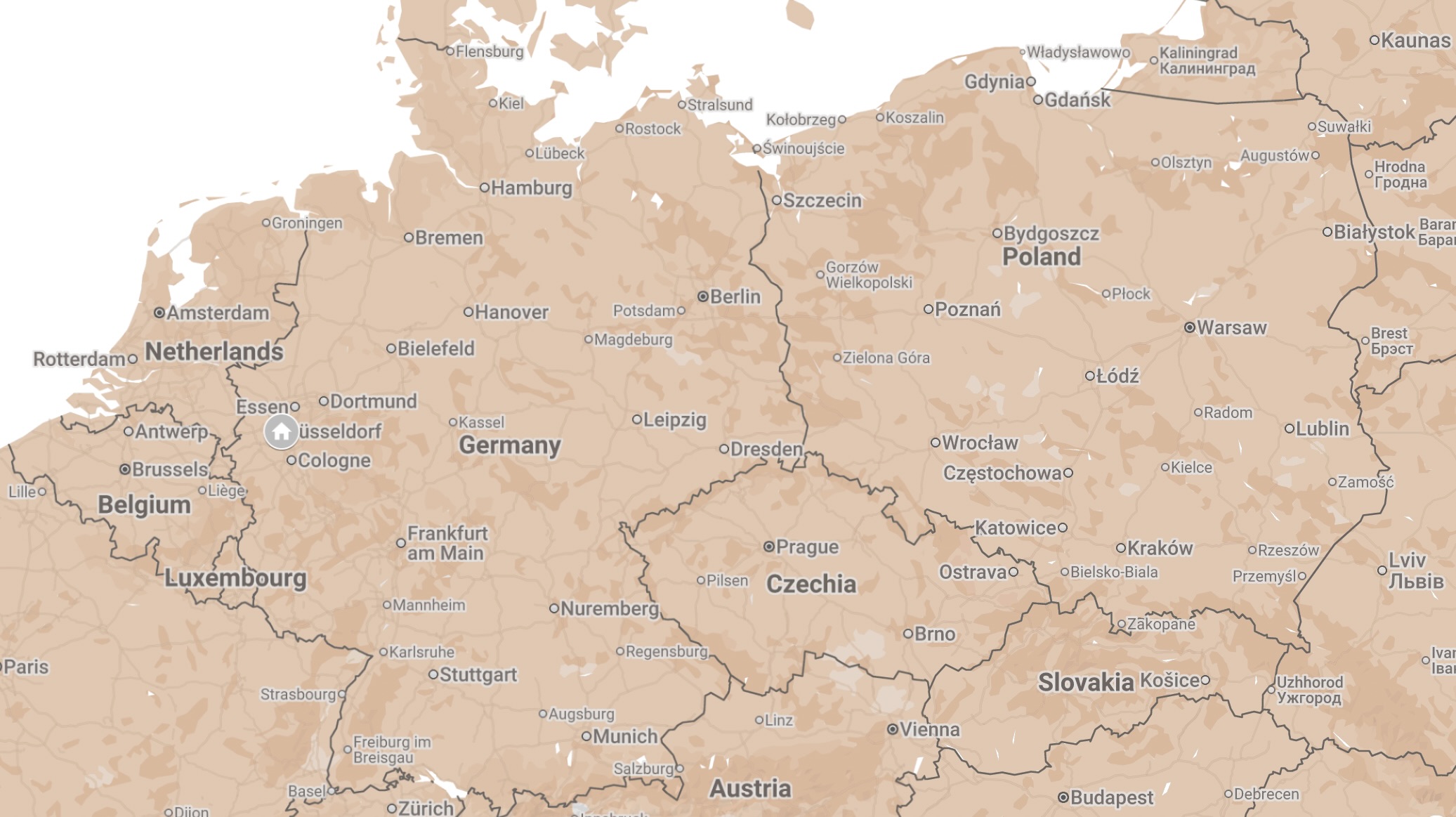
Members of the Boys were born in Düsseldorf.
The Boys were teenage and child-Holocaust survivors, who were brought to the UK after the war for rest and rehabilitation.
Members of the Boys were held in Nazi labour and concentration camps and used as slave labourers. They had also survived World War II in hiding or as lone children.
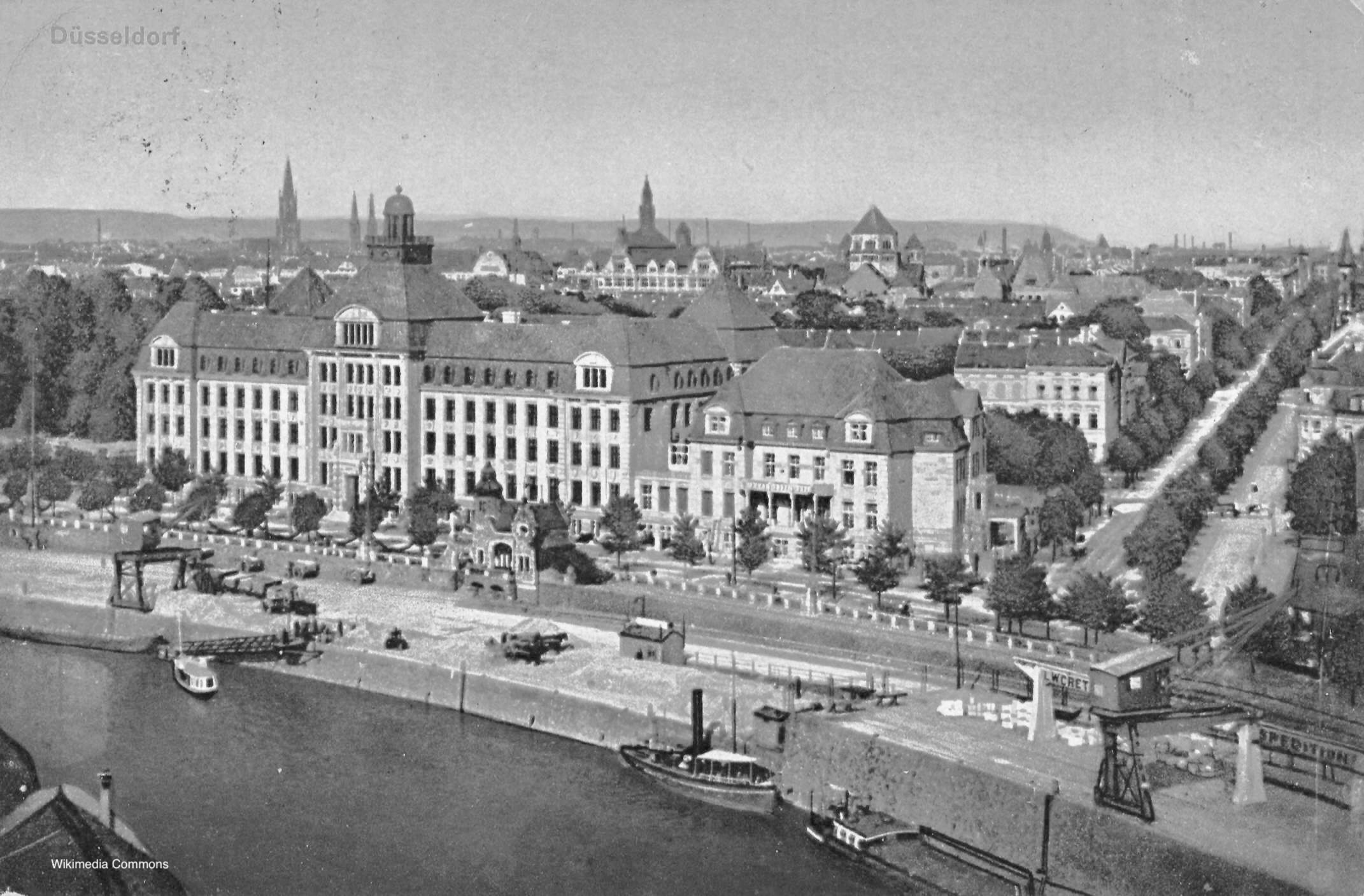
Düsseldorf, Germany.
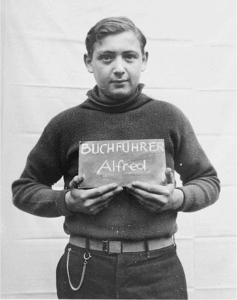
Alfred Buchführer in Kloster Indersdorf, Germany in 1945.
Herman and Regina Buchführer had three children: Rafael ‘Rudi’ (b. 1922) Ezikiel (b. 1924) and Adolf (later Alfred) (b. 1926). Herman was born in Brzesko in southern Poland and Regina in Dukla also in the south of Poland. The family lived in Düsseldorf but later moved to Cologne.
Herman Buchführer was a commercial traveller. Rafael was an accountant and Ezikiel emigrated to the Palestine Mandate, where his father’s sister was also living. There, he worked as a farmer.
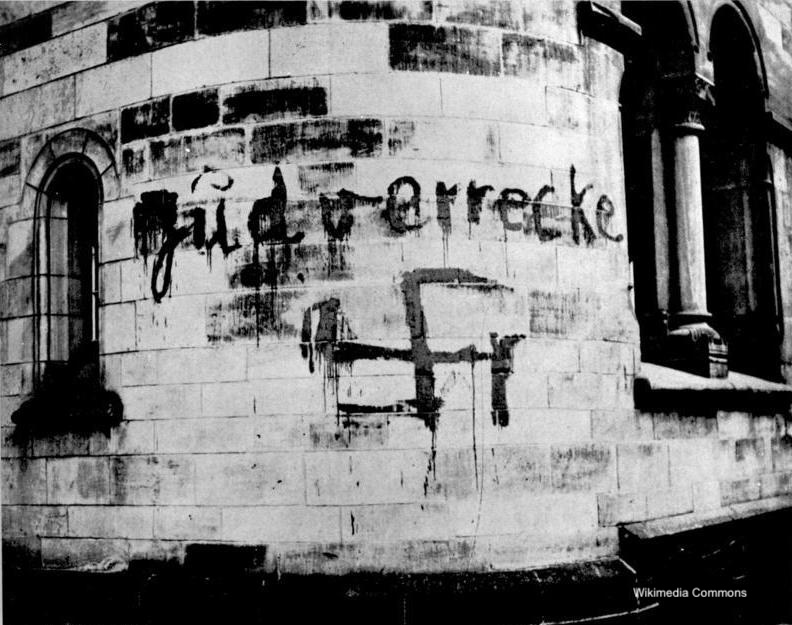
Expulsion The family were deported from Cologne on 29 October 1938 in what was known as the ‘Poleaktion’, in which Polish born Jewish residents of Germany who did not have German citizenship were expelled from the Reich. The Buchführer family were among over 17,000 Polish Jews who were sent to Poland within the space of just two days.
The Polenaktion (‘Polish Action’ in German) was the first forced expulsion of Jews from Germany and Austria. The expulsion led directly to Kristallnacht. Herschel Grynszpan, a 17-year-old living in Paris, shot a German diplomat after receiving the news that his family had been deported from Hanover.
The Buchführer’s deportation was ordered overnight, and they were forced to leave their home without warning, losing everything they had. The family was only allowed to take 10 Reichsmarks and a single suitcase each. They were then transported to the German-Polish border town of to Zbąszyń on a special closed train. At the border, the SS violently forced the Buchführers to walk the final few kilometres into Poland.
As the Polish government initially refused them entry, like many of those who had been expelled, they were stranded in the border town of Zbąszyń in dire conditions.
Holocaust The Buchführer family then went to Regina’s hometown of Dukla. Alfred Buchfuhrer is listed as a survivor of Dukla so it can be assumed that the family were held in the Dukla Ghetto. Dukla is located 64km south of Rzeszów on the Jasiołka River.
Regina and Herman were murdered in the Bełżec extermination camp in August 1942. It is not known what happened to Rafael Buchführer. To find out more about Alfred Buchführer click here.
Getting there & around
Düsseldorf Airport is the fourth largest airport in Germany and Düsseldorf Hauptbahnhof (main station) is a major stop for Deutsche Bahn railways.
Use the suburban railway network (S-Bahn) to get around.
What to see
Synagogue & Community
The New Synagogue ( Paul-Spiegel-Platz) Rebuilt in 1958, it is the main place of worship, replacing a 1905 synagogue destroyed during Kristallnacht. It serves as a hub for cultural and religious life, including a community centre and library.
Cemetery
New Jewish Cemetery ( Fischerstraße 87) Its counterpart is the old Jewish cemetery, around 700m to the south-east at Ulmenstrasse.
 About
About History
 Education
 Quilts
 FIlms
FIlms Photos
 News Media & Events
 Publications
 Donate