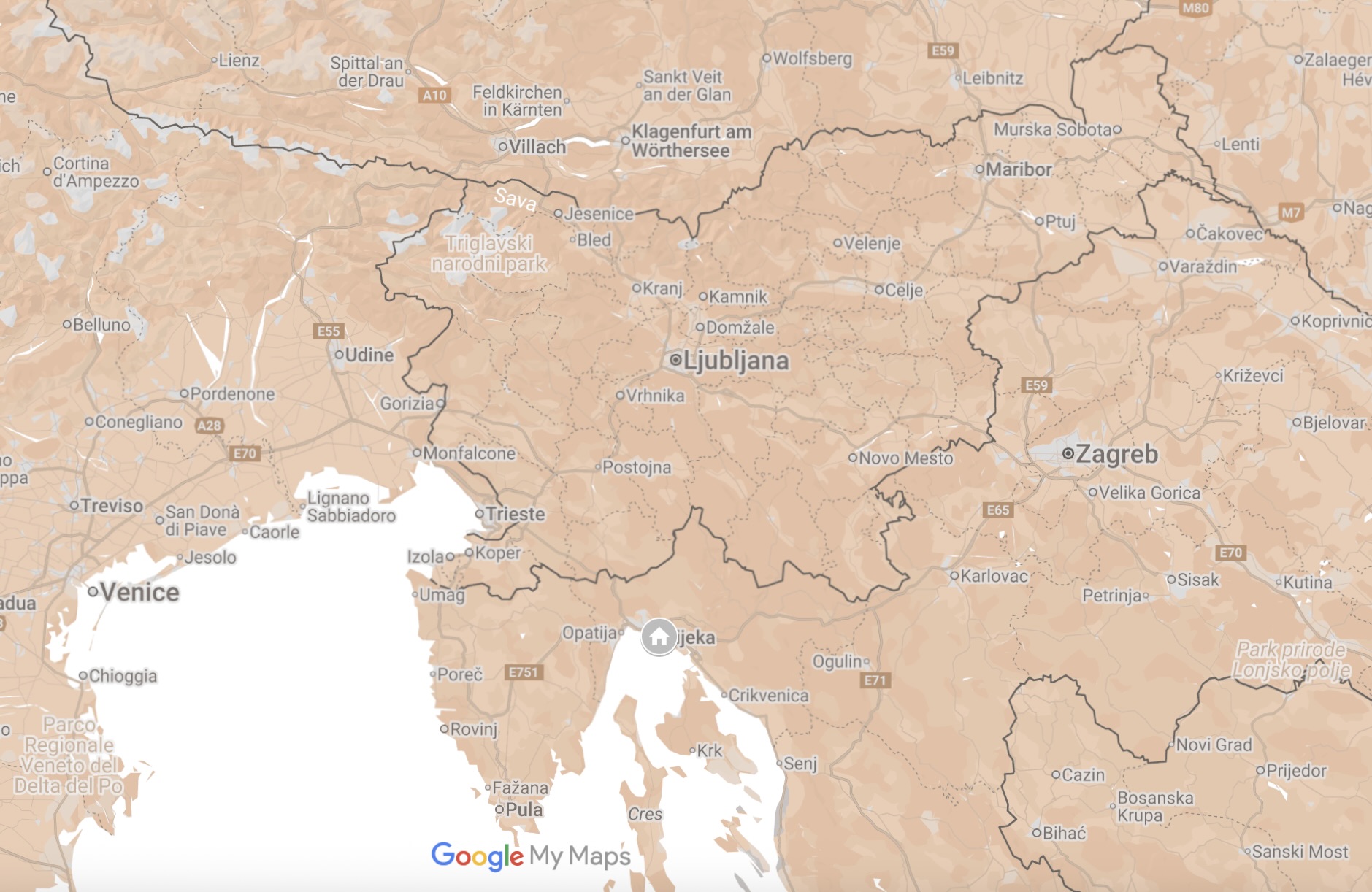
Members of the Boys were born in Fiume in Italy, now Rijeka in Croatia.
The Boys were teenage and child-Holocaust survivors, who were brought to the UK after the war for rest and rehabilitation.
Members of the Boys were held in Nazi labour and concentration camps and used as slave labourers. They had also survived World War II in hiding or as lone children.
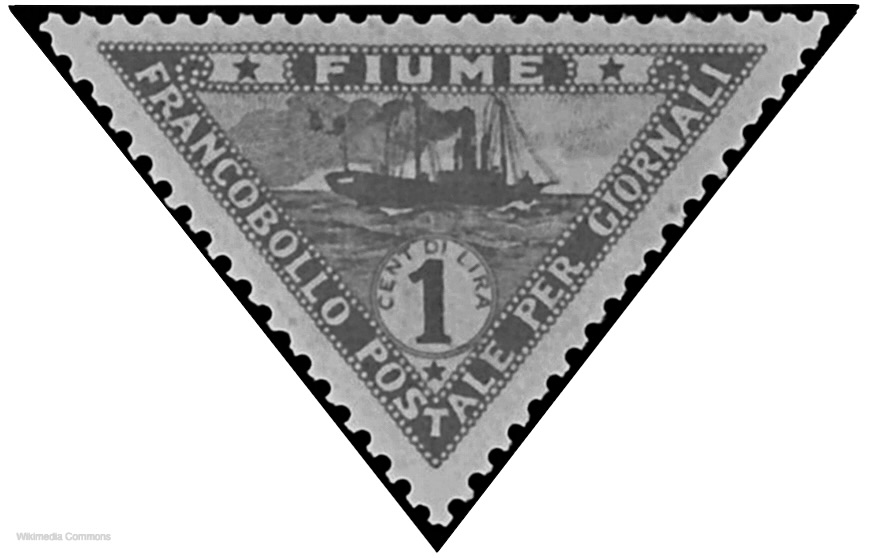
Postage stamp from the independent state of Fiume, 1920.
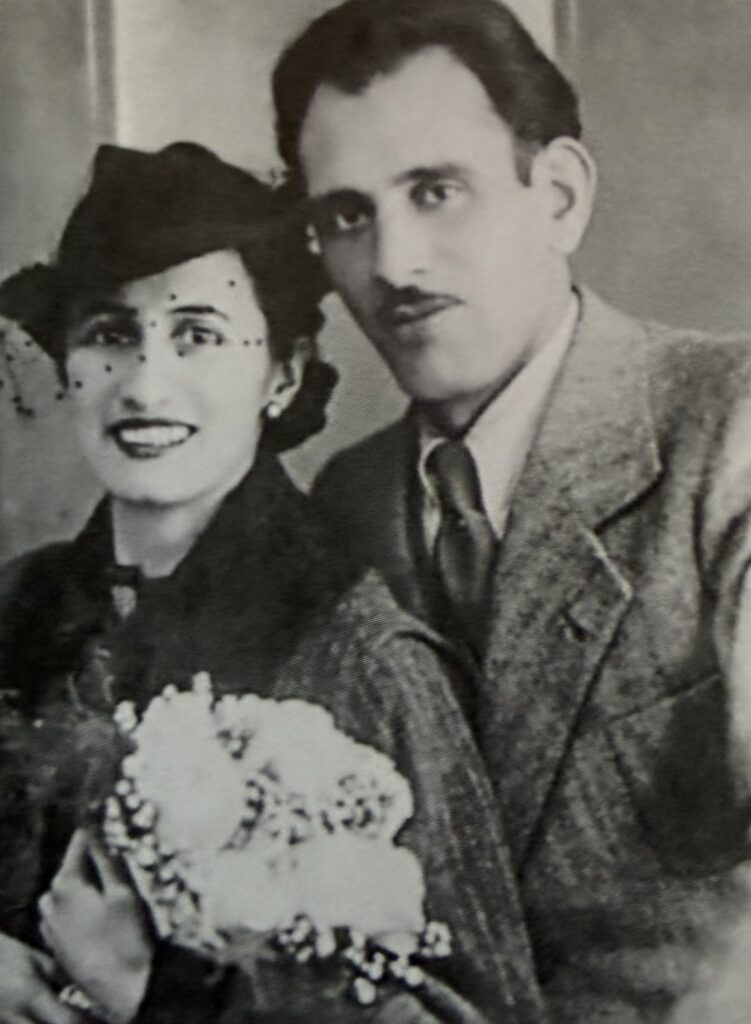
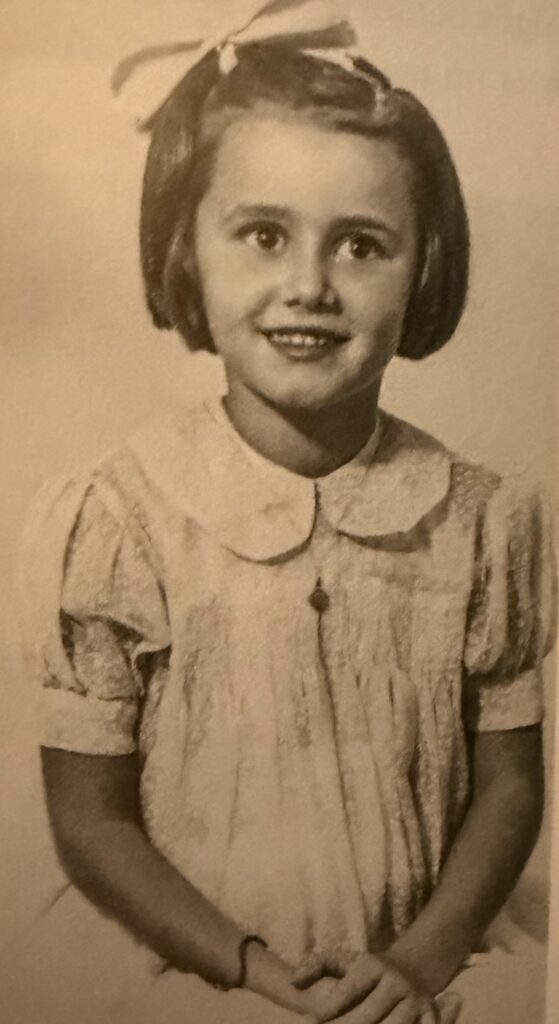
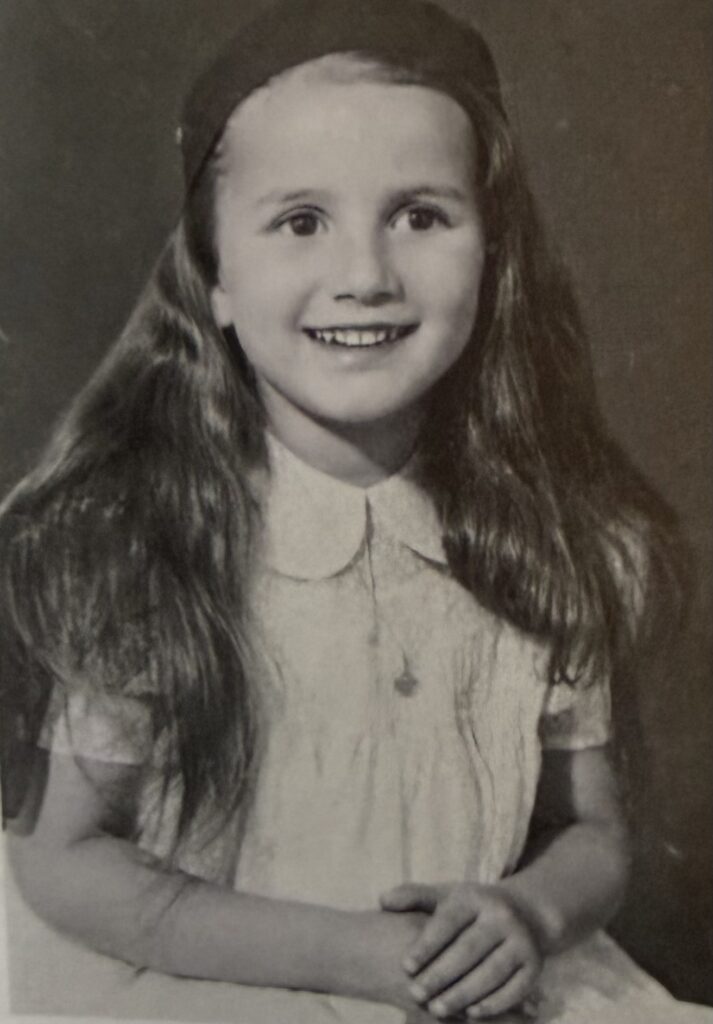
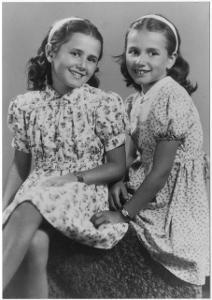
Mira, a seamstress, and Giovanni Bucci, a sailor, were married in 1935. Mira’s family were Jewish and had fled to Fiume from pogroms in the Russian Empire. Giovanni Bucci was an Italian Catholic of Slovene origin. The couple had two daughters Tatiana and Andra. The family lived on Via Milano in the Fiume, Italy (now Rijeka, Croatia). Tatiana was officially known as Liliana, as Tatiana was considered unpatriotic by the Fascist regime.
Giovanni Bucci was in the merchant navy and was taken as a prisoner of war off the coast of Africa in 1940. In March 1944, Bucci and her family were arrested by Nazis and taken to the Risiera di San Sabbia prison in Trieste.
They were then deported to Auschwitz II-Birkenau, where they were separated from their mother and sent to a barrack for the small number of children who were not immediately gassed. The sisters believe this is because they resembled twins and could therefore be useful for Dr Mengele’s medical experiments. Before they were separated, their mother urged them to remember their names, which they recited every night. Mira was taken for slave labour
Miraculously, the Bucci sisters survived and were brought to the UK in March 1946 in the third group of the boys. To find out more about their extraordinary story and how they were reunited with their parents click here.
Interwar Years
Habsburg-ruled Austria-Hungary’s disintegration in October 1918 during the closing weeks of World War I led to the establishment of rival Croatian-Serbian and Italian administrations in the city; both Italy and the founders of the new Kingdom of the Serbs, Croats and Slovenes (later the Kingdom of Yugoslavia) claimed sovereignty based on their ethnic populations.
On 10 September 1919, the Treaty of Saint-Germain was signed, declaring the Austro-Hungarian monarchy dissolved. Two days later a force of Italian nationalist irregulars led by the poet Gabriele D’Annunzio captured the city and established an independent state.
In 1922, Fiume was annexed by Italy which was now under fascist control. A period of Italianisation followed.
In 1938, the racial laws of Fascist Italy were promulgated in nearby Trieste.
Jews with Italian citizenship were subject to discrimination, and foreign Jews were to be interned in camps.
1943
After the surrender of Italy to the Allies in September 1943, Rijeka and the surrounding territories were occupied and annexed by Germany, becoming part of the Adriatic Littoral Zone.
The German and Italian occupiers and their local collaborators deported some 80% of the city’s roughly 500 Jews to Auschwitz. A larger proportion of Rijeka’s Jewish population was murdered in the Holocaust than that of any other city in Italian territory.
Aftermath
When Rijeka became part of Yugoslavia in 1945, many Italian-speaking Jews left for Trieste and Italy; in 1947 there were some 170 Jews in Rijeka and the surrounding area. The community numbered 99 in 1969. Following the evacuation of Bosnian Jews from the war zone in 1992, around 60 families reconstituted the community, but many subsequently left for Zagreb and other localities in northern Croatia, leaving fewer than 100 Jews in 2004.
Getting there Rijeka has an airport with continental connections.
What to see
Orthodox Synagogue (Ulica Ivana Filipovića 9) One of only three in Croatia to survive WWII unscathed, this 1930s Art Deco building was restored in 2008 and serves as the active center for the small community.
Kozala Municipal Cemetery (Jewish Section) Established in 1875, this site contains over 500 preserved gravestones, a ceremonial hall (Tahara House), and a Holocaust memorial.
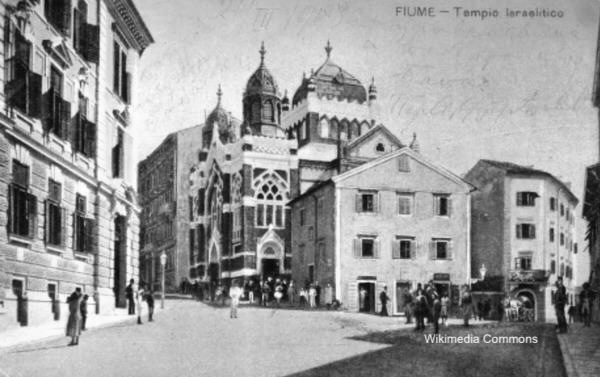
Memorial for the Great Synagogue (Corner of Pomerio St. / Ciottina St) The 1903 Moorish-revival style synagogue designed by Lipót Baumhorn was burned by Nazis in 1944. Its location is now commemorated with a painted footprint.
Trieste in the northeastern corner of Italy played a key role in the Holocaust and in the lives of the Bucci sisters. Two places are key in their story:
Piazza Unità d’Italia A spectacular square that opens out onto the sea. It was here in 1938, that Mussolini announced the anti-Jewish Racial Laws. A small plaque on the town hall commemorates the event.
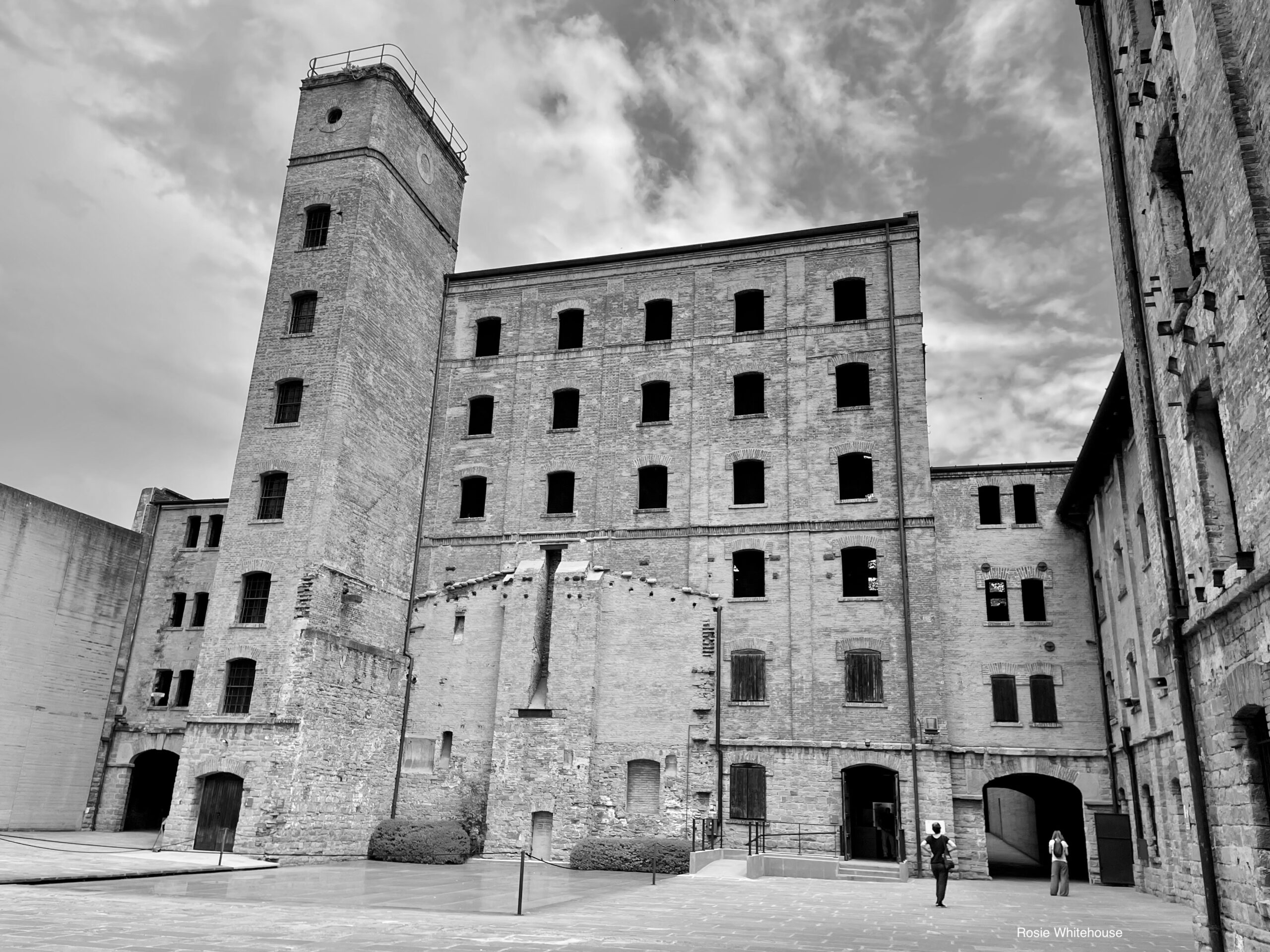
Risiera di San Sabba (Via Giovanni Palatucci 5; free) In the southern suburbs of Trieste, this is one of Italy’s most important Holocaust museums. The former industrial rice-processing plant was built in 1898, but closed in the early 1930s. It was then used as a military barracks before the occupying German forces turned it into a temporary prison camp for captured Italian soldiers. It was then used as a detention centre for Croatian, Italian and Slovenian partisans and political prisoners, and as a transit and extermination camp for Jews. Prisoners destined for deportation were taken in wagons to Trieste’s Central Station. The Bucci sisters have been campaigning for a memorial to built at the station.
 About
About History
 Education
 Quilts
 FIlms
FIlms Photos
 News Media & Events
 Publications
 Donate