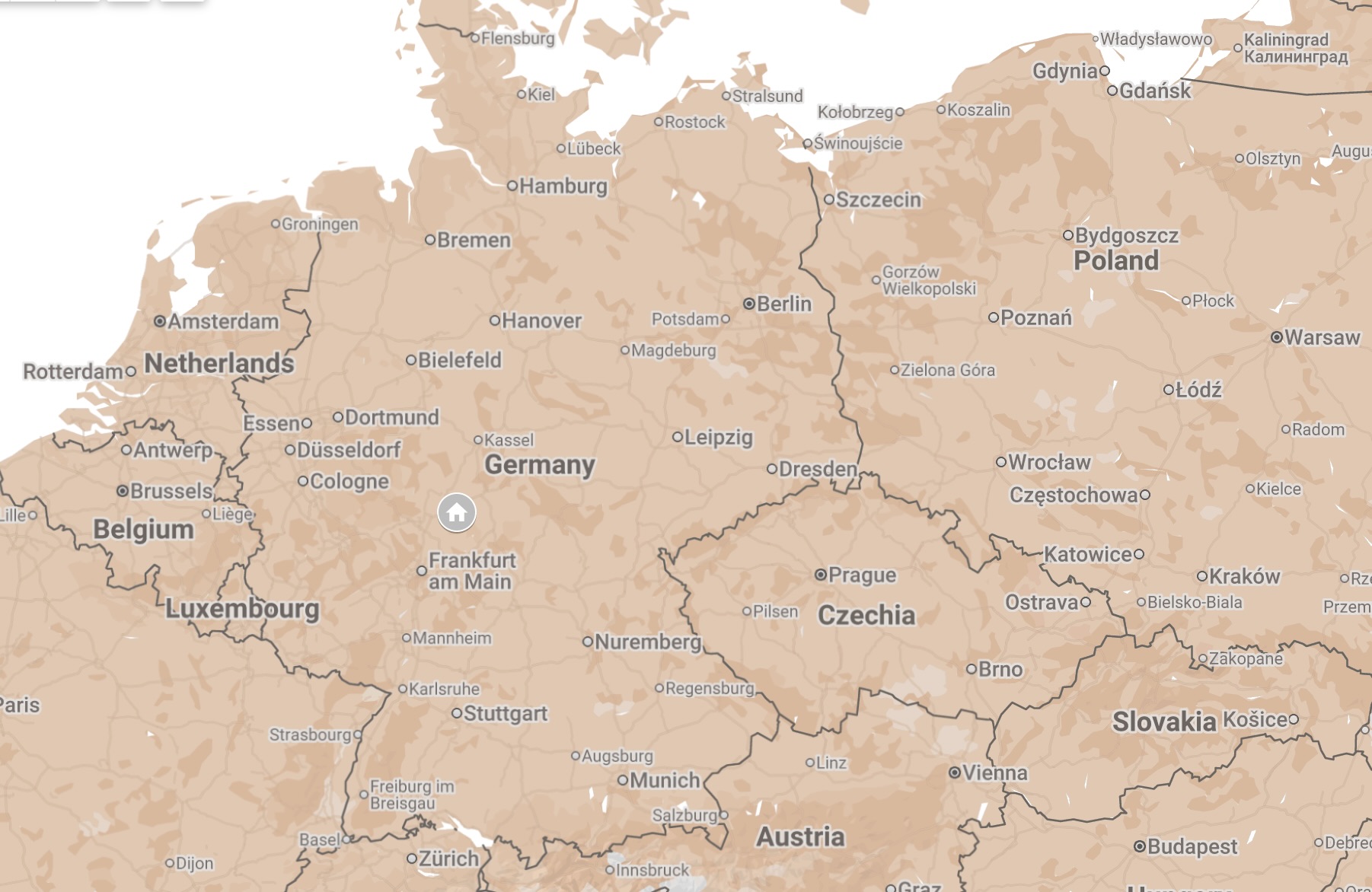
Members of the Boys were born in Hesse in Germany.
The Boys were teenage and child-Holocaust survivors, who were brought to the UK after the war for rest and rehabilitation.
Members of the Boys were held in Nazi labour and concentration camps and used as slave labourers. They had also survived World War II in hiding or as lone children.
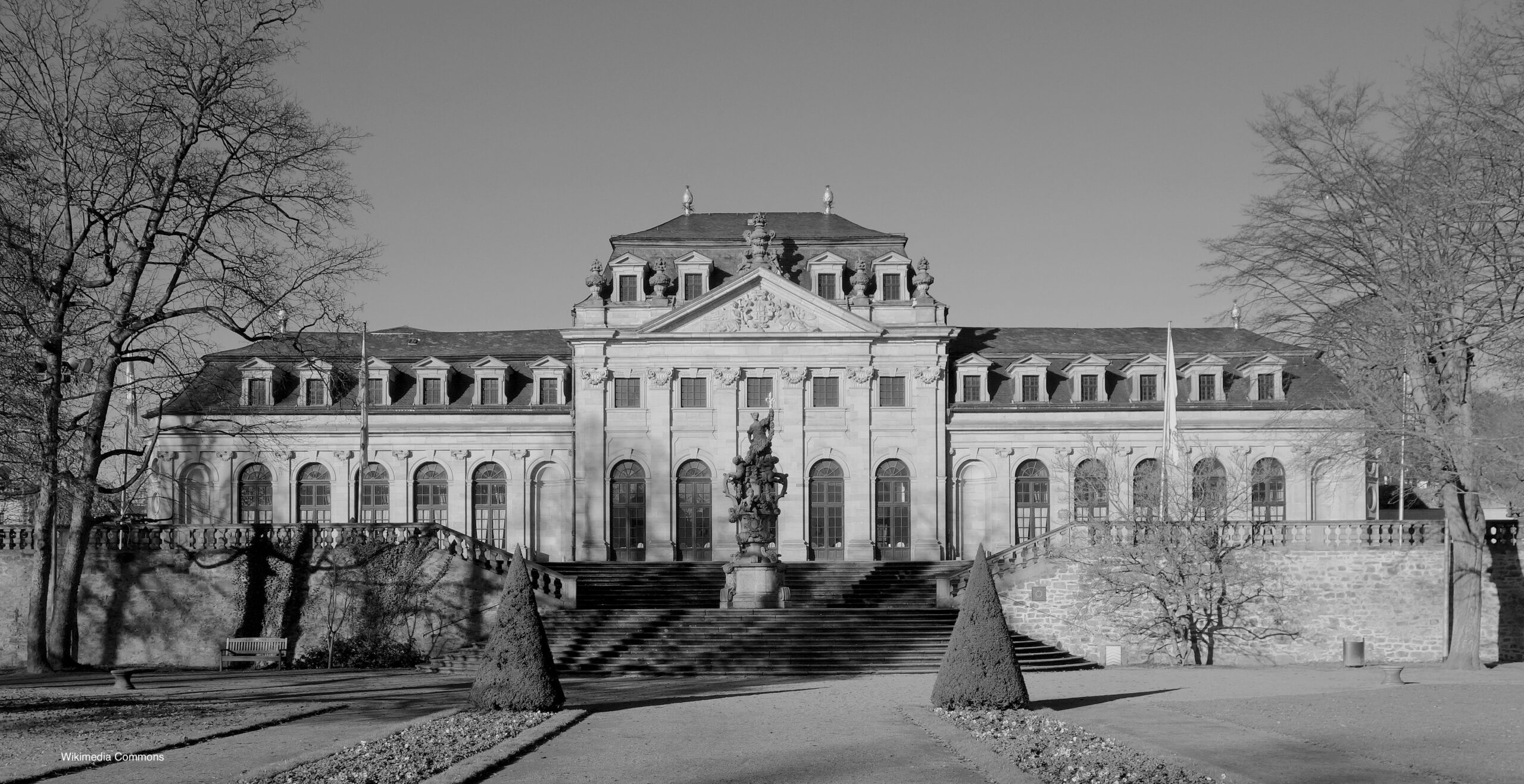
The Orangerie in Fulda, Germany.
The State of Hesse is in western Germany. Its capital city is Wiesbaden, and the largest urban area is Frankfurt, which is also the country’s principal financial centre. Two other major historic cities are Darmstadt and Kassel.
Background
Jewish communities in Hesse existed by the late 12th century, with a flourishing presence in numerous towns by the 14th century.
Many Jewish residents in Hesse, like Jews elsewhere in Germany, were integrated into German society and contributed to various aspects of German life, including social, political, artistic, and economic fields.
Despite their integration, Jewish residents in Hesse, like those elsewhere in Germany, faced rising antisemitism and persecution in the lead-up to and during the Nazi era.
Third Reich
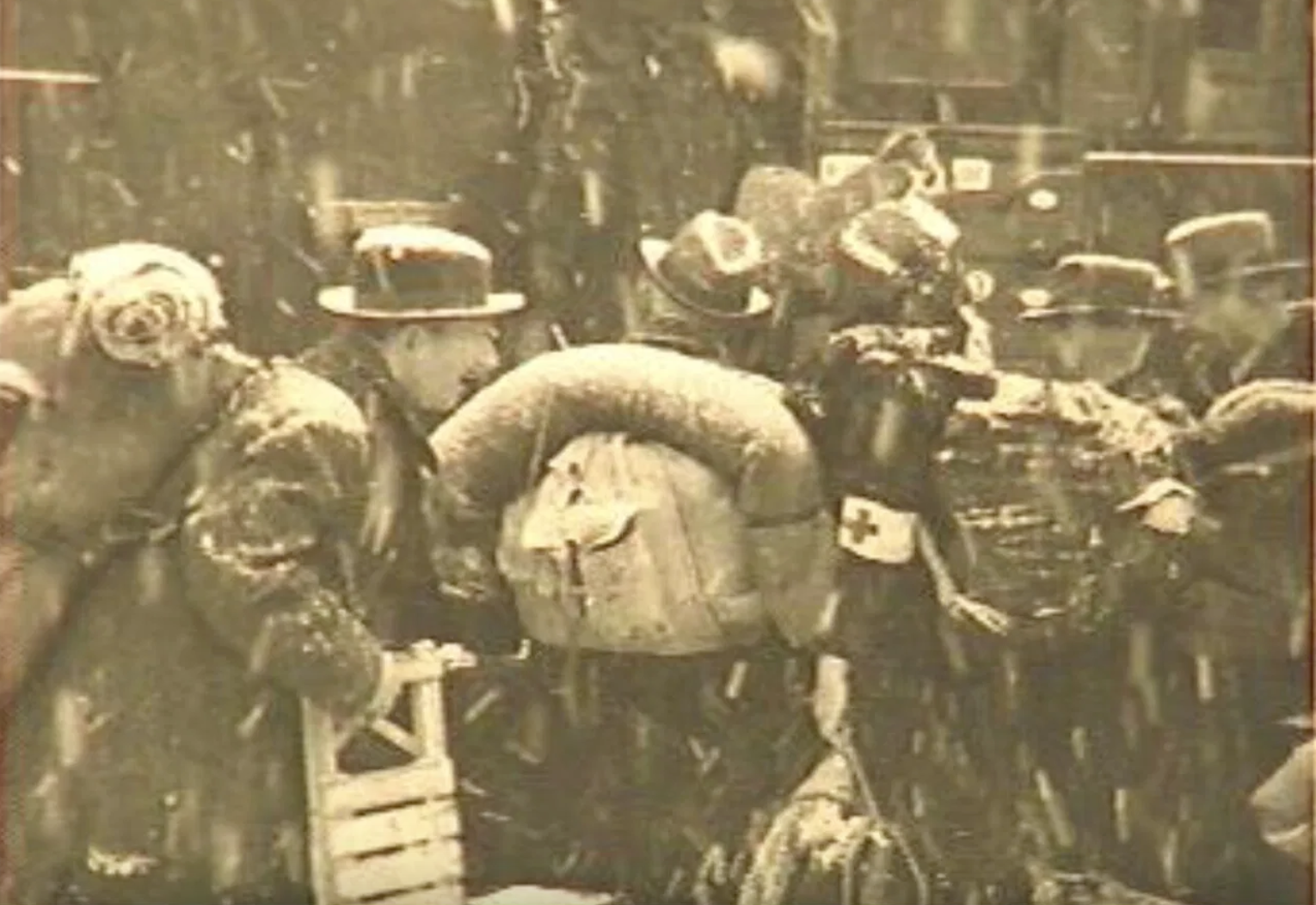
Deportation of the Jews of Fulda 8 December 1941
After the Kristallnacht November pogrom of 1938, the Jews of the rural communities of Hesse were forced to move to larger towns. From there, they were deported to ghettos in eastern Europe.
Members of the Boys lived in Fulda, 100km northeast of Frankfurt am Main. There were 1,058 Jews in Fulda in June 1933, this number had fallen to 415 by May 1939. The yeshivah in Fulda remained open until 1939. The Jews of Fulda were deported to Riga, Lublin and Theresienstadt in 1941.
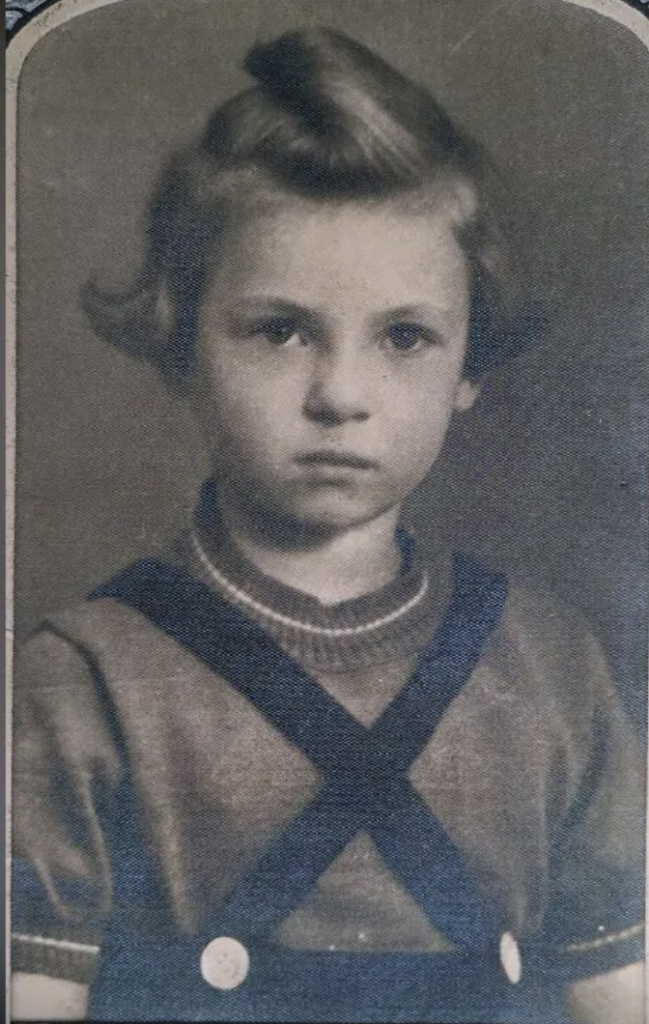
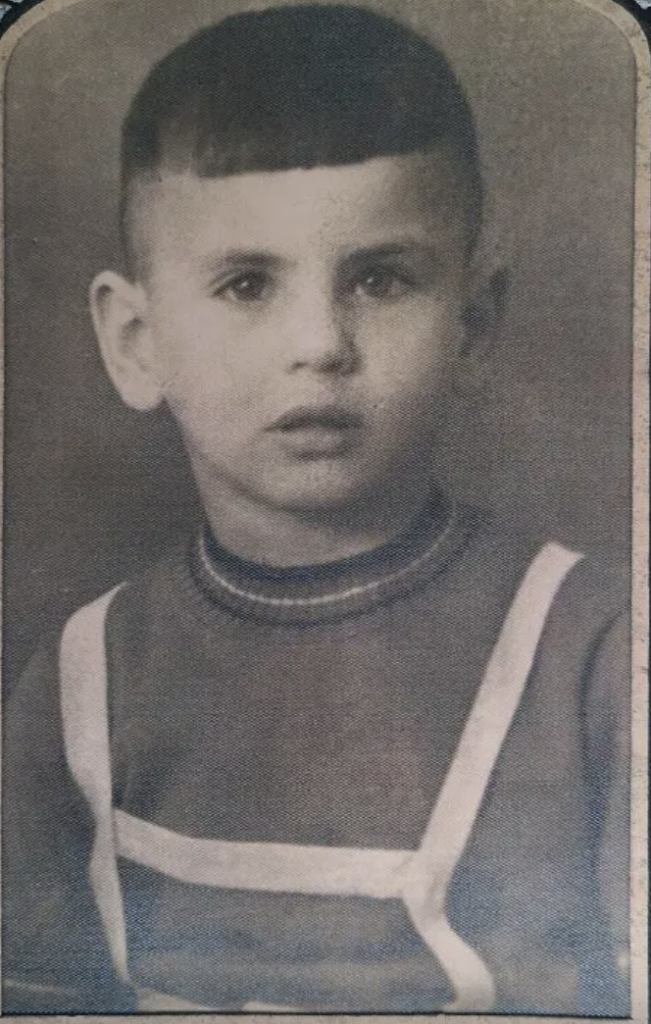
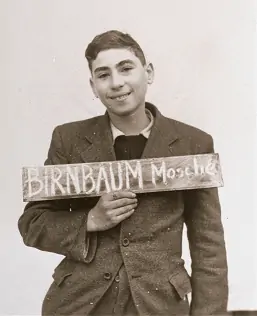
The Birnbaum family lived at Löherstraße 10 in Fulda. Abraham and Frieda Birnbaum had three children: Moshe (b. 1928), Salomon (b. 1933) and Gustel (b. 1934). Abraham Birnbaum was arrested and taken to the Buchenwald concentration camp in 1939. He died there in 1941.
Freida Birnbaum and her children were deported to Riga on a transport from Kassel that left on 8 December 1941. Freida and Salomon are believed to have died in Auschwitz in 1943. Gustel Birnbaum survived the war but died in July 1945. She was 12 years old.
Moshe Birnbaum was the sole survivor of his family. To find out more about his life click here.
Aftermath
After World War II most of Hesse-Darmstadt and Hesse-Kassel was included in the new state of Hesse, which in 1970 contained 1,508 Jews in nine communities, the most important being Offenbach, Wiesbaden, Darmstadt, and Kassel, with a joint regional organisation in Frankfurt. At the beginning of the 21st century, after immigration from the former Soviet Union, the population of these four main communities exceeded 3,000.
Getting there The nearest airport is Frankfurt. There are excellent road and rail connections.
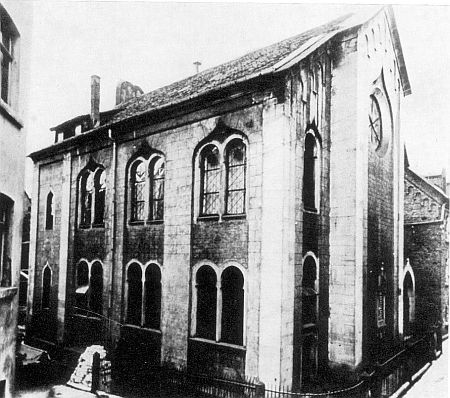
Synagogue As of May 2024, archaeologists have begun excavating the site of the destroyed synagogue to create a permanent memorial.
Heritage is preserved through commemorative plaques at the site of the former synagogue and the Old Jewish Cemetery, which was also destroyed by the Nazis and is now a park.
 About
About History
 Education
 Quilts
 FIlms
FIlms Photos
 News Media & Events
 Publications
 Donate