Members of the Boys were born in Iwieniec in Poland, now Ivyanets in Belarus.
The Boys were teenage and child-Holocaust survivors, who were brought to the UK after the war for rest and rehabilitation.
Members of the Boys were held in Nazi labour and concentration camps and used as slave labourers. They had also survived World War II in hiding or as lone children.
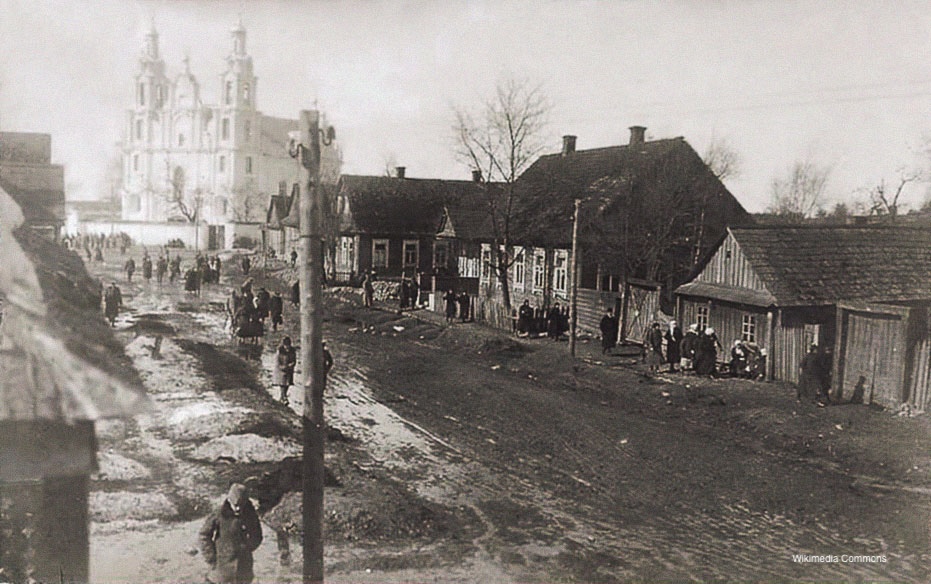
Iwiniec in 1918.
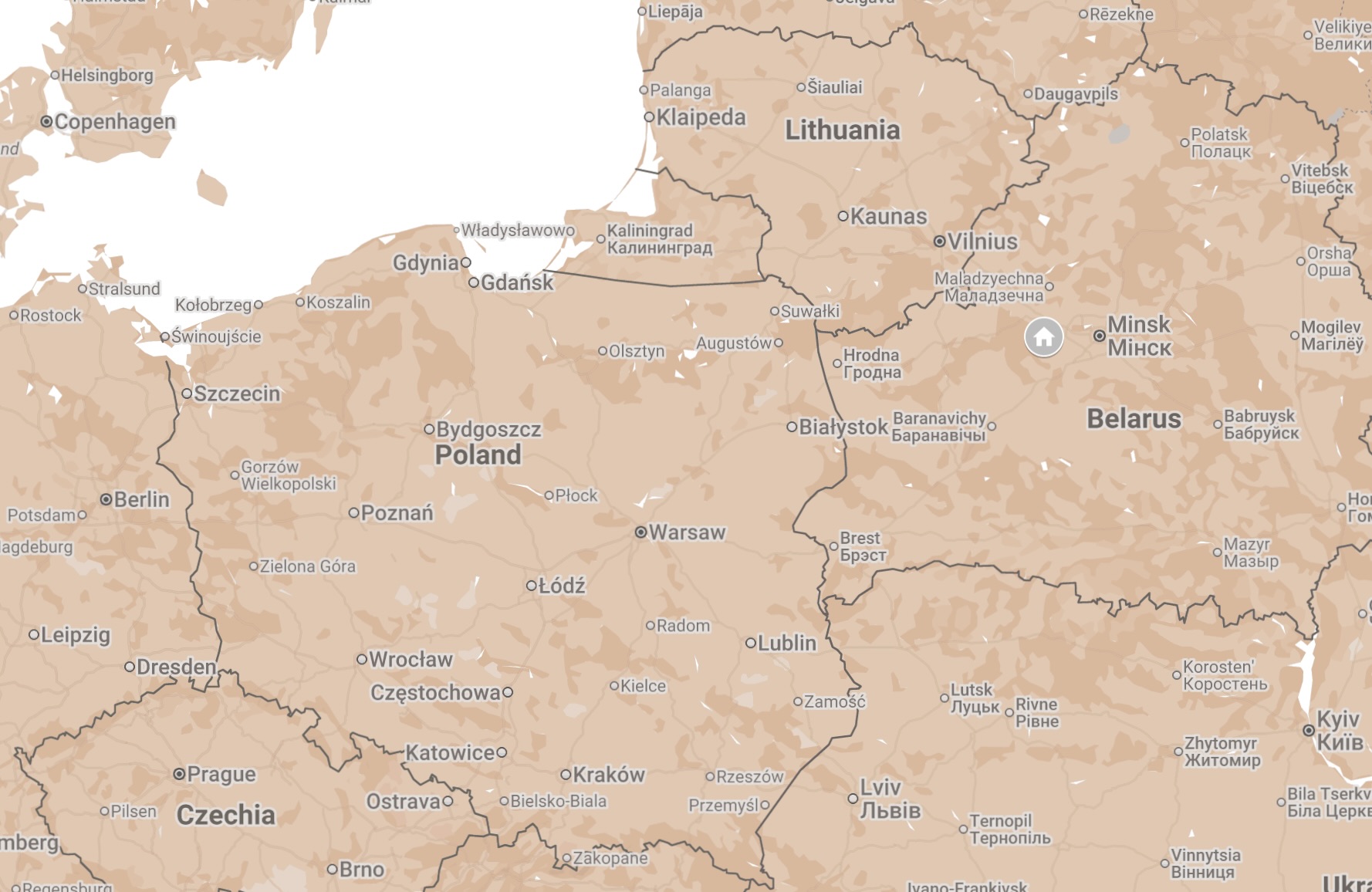
Getting there Ivanyets is located 56km from Minsk. The primary entry point to Belarus is Minsk airport, with limited international flights. Frequent bus or taxi services operate from Minsk to Ivyanets, taking roughly 1 hour.
Jewish Cemetery (opposite 25 Kastrychnitskaya Street) This site contains approximately 100 tombstones (matzevot) dating from 1828 to 1930. The cemetery was fenced and protected in 2019.
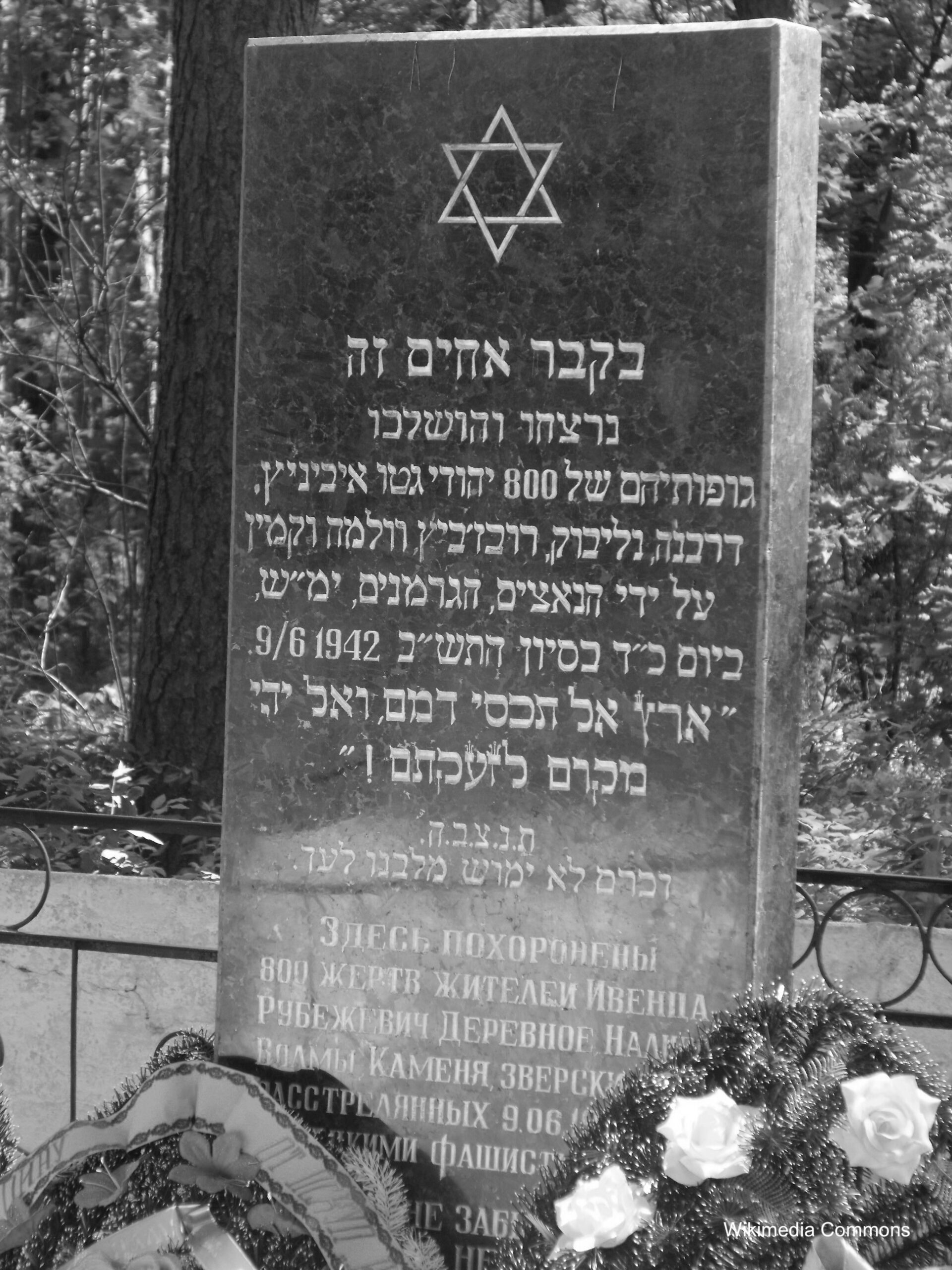
Memorial A memorial, erected on a private initiative in the Pishchugi tract, in the forest outside of the town honours the roughly 800 Jewish victims murdered by German forces on 9 June 1942, of whom approximately 600 were children.
Synagogue The current wooden building was built around 1912. After World War II, the building housed a cinema, and later a cultural centre. In 2010, the synagogue was transferred to a Jewish religious association.
 About
About History
 Education
 Quilts
 FIlms
FIlms Photos
 News Media & Events
 Publications
 Donate