Koblenz, Germany

Members of the Boys were born in Koblenz in Germany.

The Boys were teenage and child-Holocaust survivors, who were brought to the UK after the war for rest and rehabilitation.

Members of the Boys were held in Nazi labour and concentration camps and used as slave labourers. They had also survived World War II in hiding or as lone children.
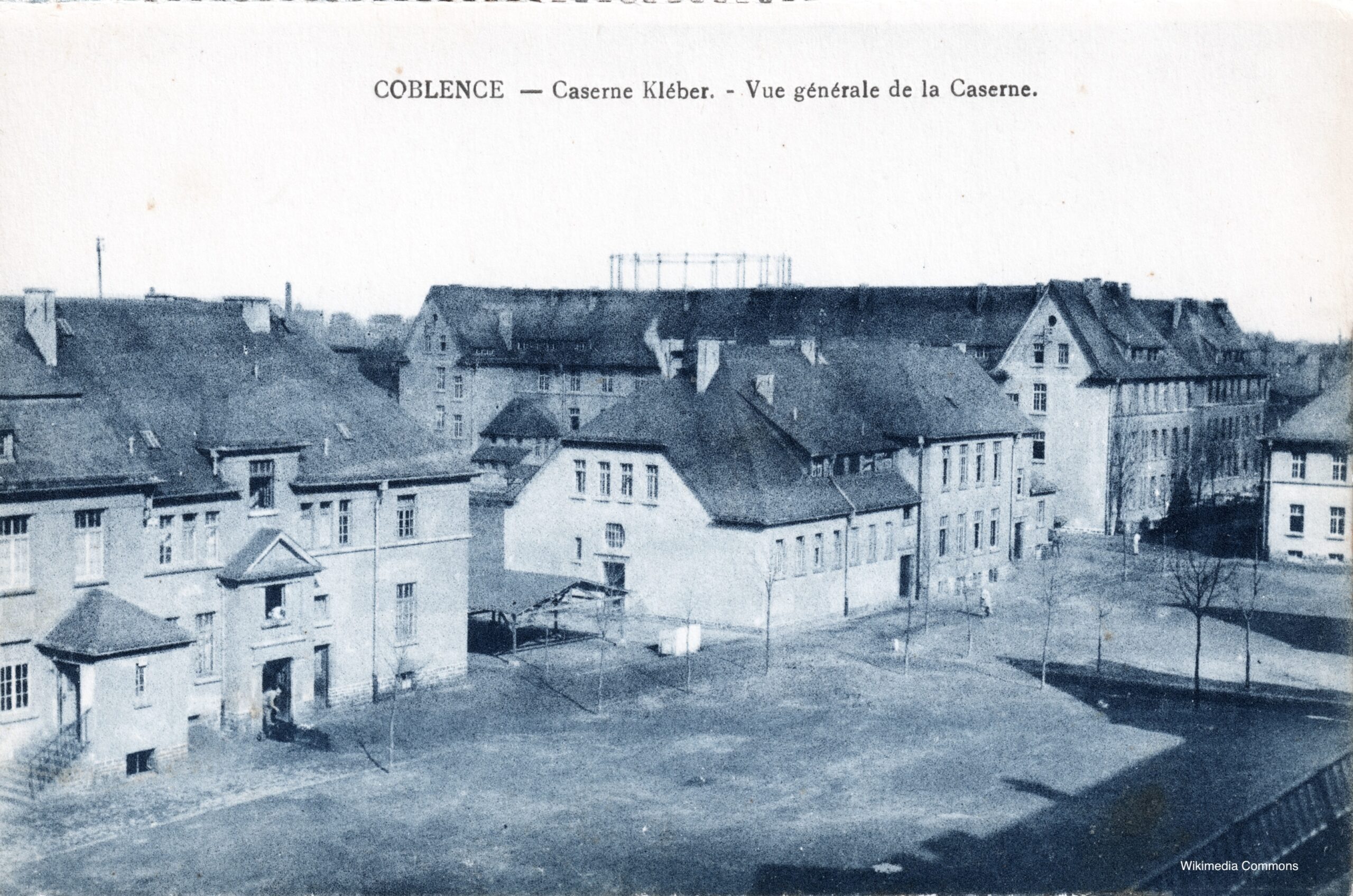
Photograph of an old postcard of Koblenz, Germany.

Koblenz, Germany.

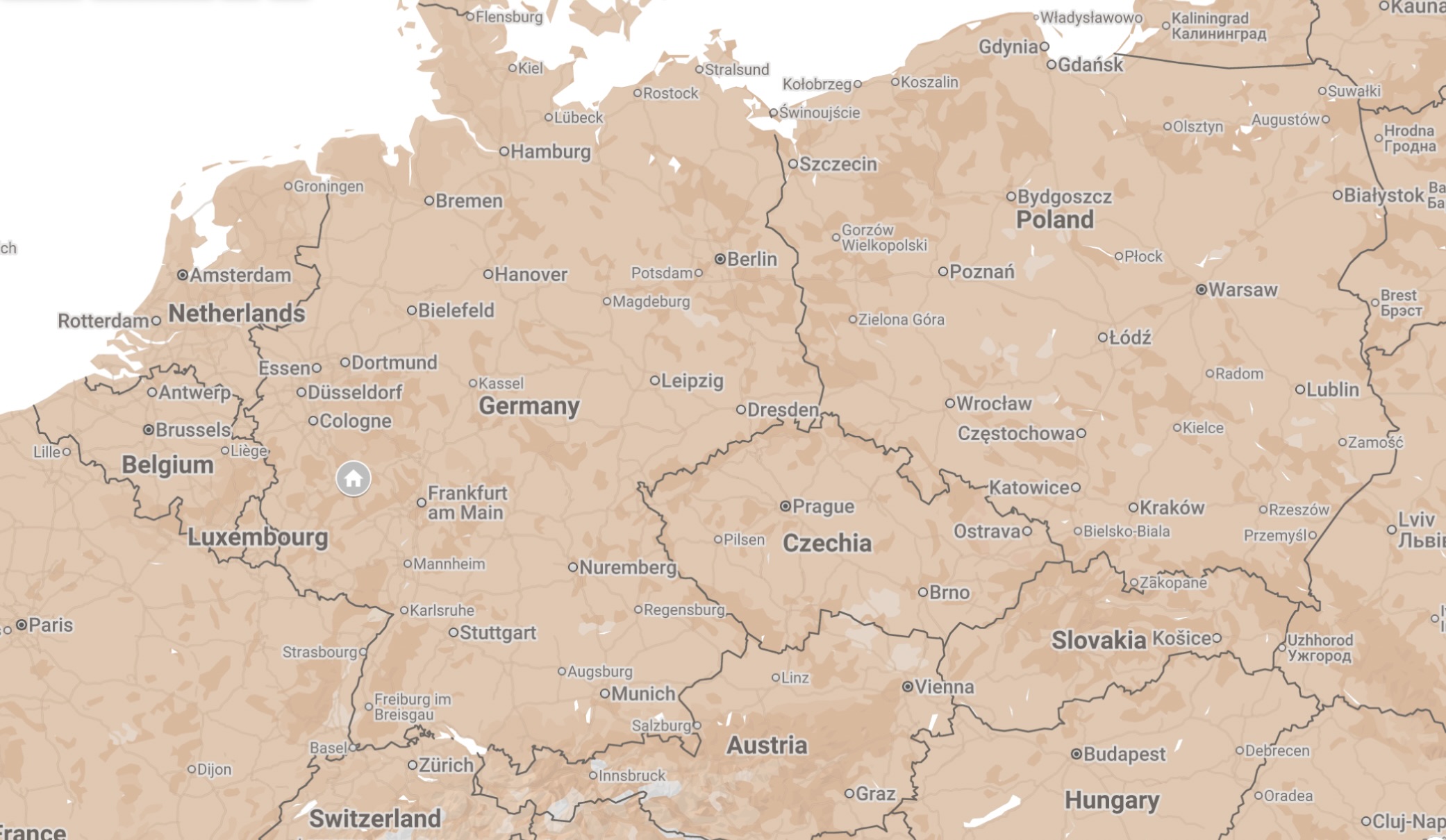
Koblenz is a German city on the banks of the Rhine and the Moselle rivers 125km northwest of Frankfurt am Main.

Background

The Jewish community in Koblenz had a long history, with Rabbi Benjamin von Tudela mentioning community life in the city in 1160. 

A sizable Jewish community in Koblenz played an important role as moneylenders to the nobility and the Church from the end of the 13th century. The community, however, was the target of persecution and was totally destroyed in the Black Death disturbances of 1348-49. Jews were blamed for the plague. They resettled in Koblenz but were expelled definitively in 1418.

They were allowed to return in 1518 and a renewed Jewish community began to develop, establishing a synagogue in 1702. The Jewish population increased from 342 in 1808 to 634 in 1900. Most were merchants in the food and textile trade. The community grew in size, reaching a peak of about 800 members by 1928.

Third Reich

The Nazi boycott of stores and antisemitic persecution began in 1933. The synagogue was burned in November 1938. About 100 Jewish men were sent to the Dachau concentration camp. In May 1939 only 308 Jews remained.

Deportations commenced in 1942, with Koblenz serving as a regional concentration point. The first transport for the east left on 22 March. Additional transports left on 15 June, 27 July, and 28 February 1943 and in July 1943. 

Aftermath

Twenty-two Koblenz Jews survived the Holocaust. 

Modern-day

The Jewish community in Koblenz has an active congregation of over 871 members, many of whom are from eastern Europe and Russia. There is a memorial to the Jewish victims from Koblenz.

Visiting Koblenz
>

Getting there Koblenz is easily accessible by train from Frankfurt and Cologne.

Cemetery (Jüdischer Friedhof; Schwerzstrasse 14) Dating back to the 14th century and the cemetery contains tombstones from as early as 1657 and a Holocaust memorial. This is also the site of the current synagogue.

Bürresheimer Hof (Florinsmarkt 13) This building served as the community’s synagogue, school, and community hall from 1848 until its interior was destroyed during Kristallnacht in 1938. Today, it has been renovated and serves as a public library with a memorial room dedicated to the former Jewish community.
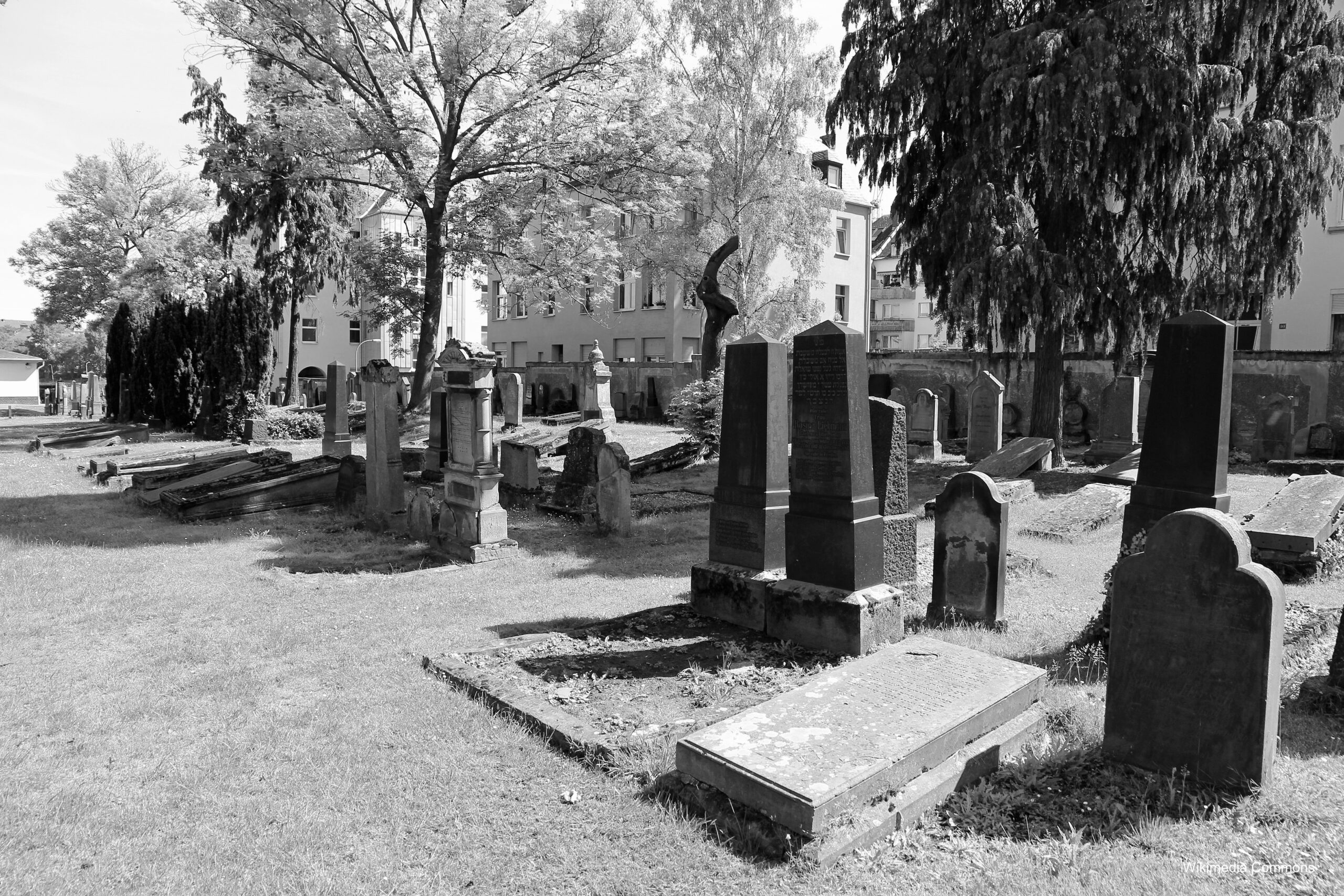
Jewish Cemetery Koblenz

Present day Country:
Germany
Associated Boys:
Denys Muench
Map:
Contact:
team@45aid.org
45 Aid Copyright 2026
45 aid society is a registered charity
in England and Wales (243909)
Design and development:
Graphical