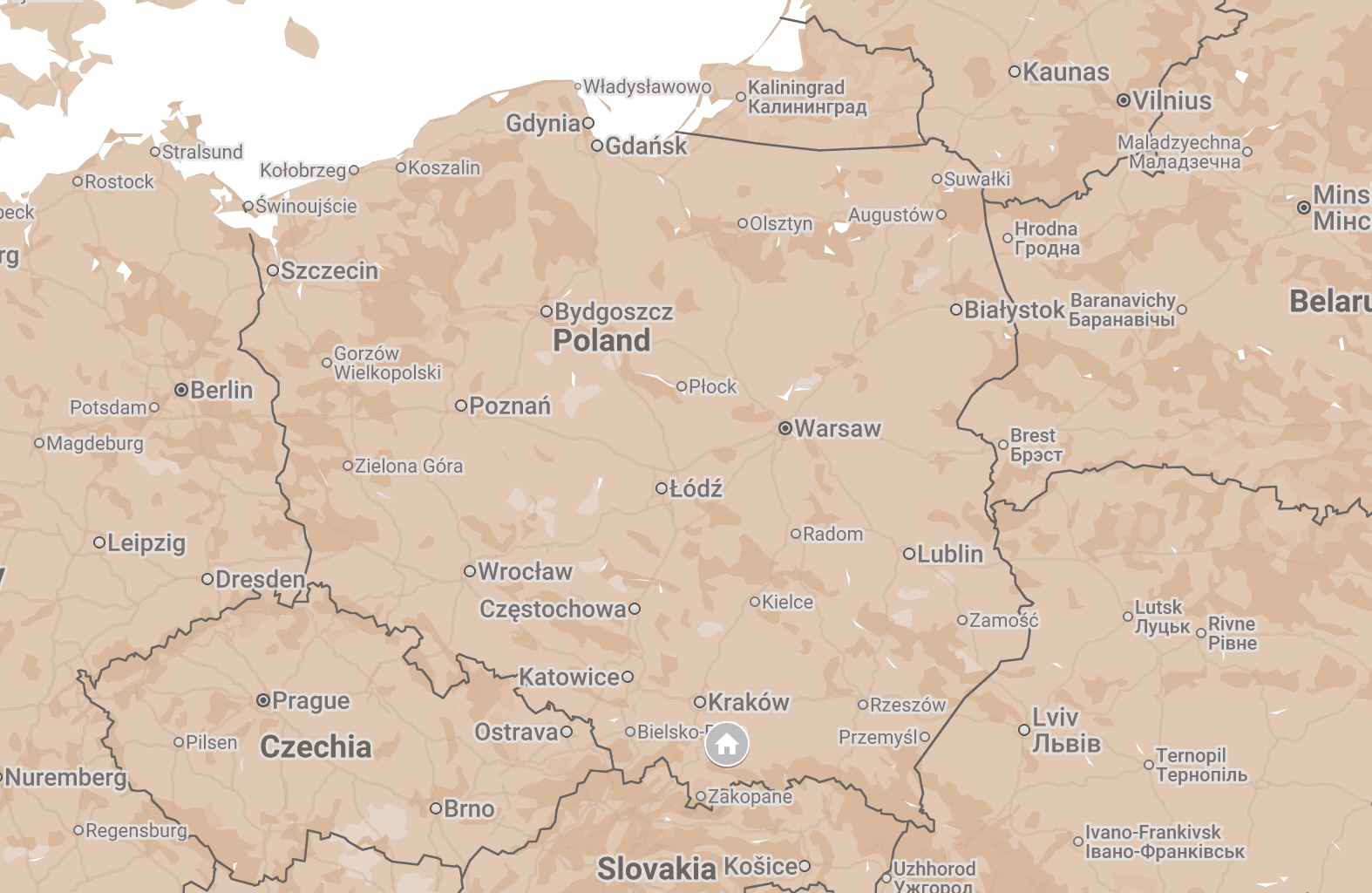
Members of the Boys were born in Lesser Poland Voivodeship in Poland.
The Boys were teenage and child-Holocaust survivors, who were brought to the UK after the war for rest and rehabilitation.
Members of the Boys were held in Nazi labour and concentration camps and used as slave labourers. They had also survived World War II in hiding or as lone children.
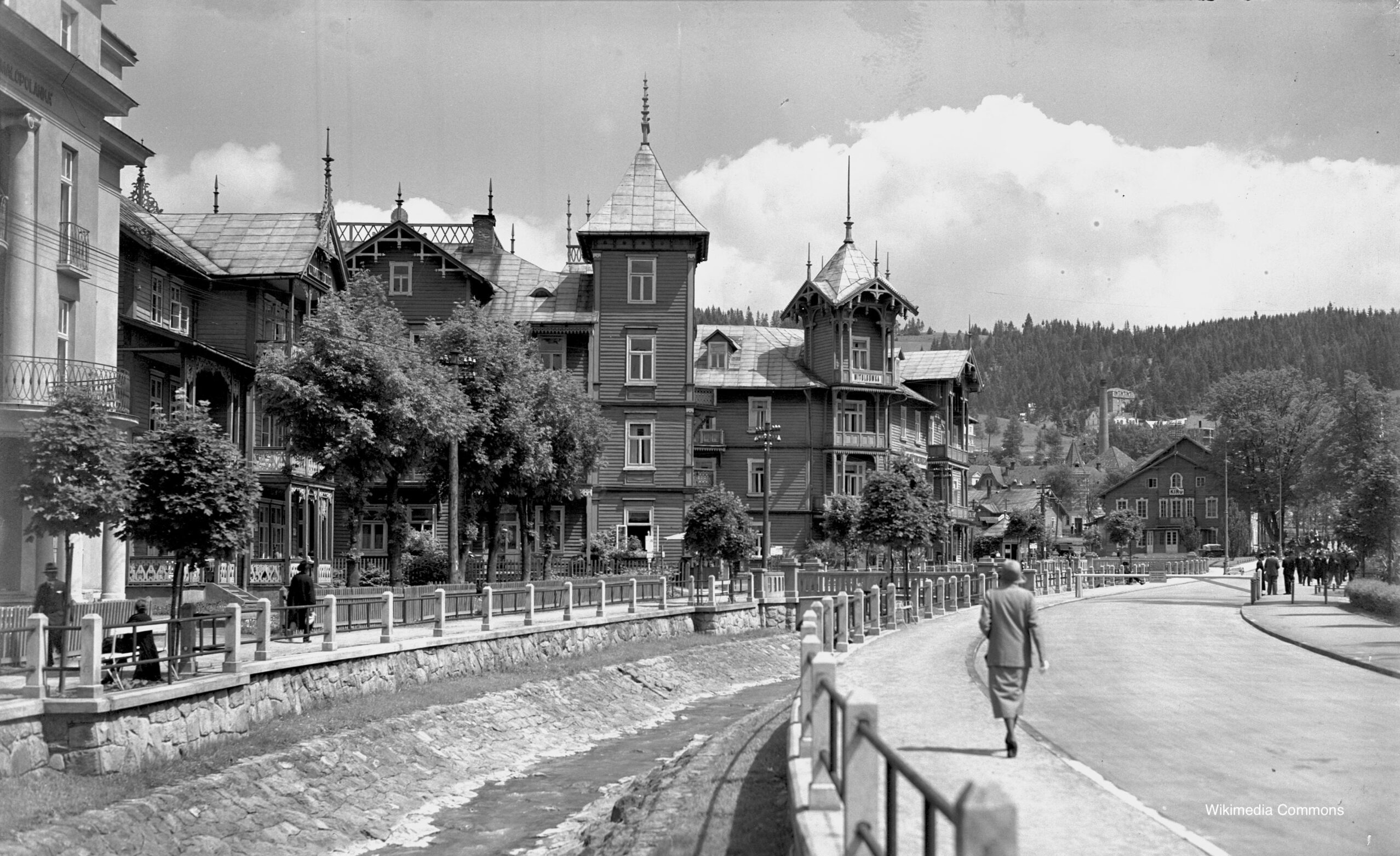
Pre-war Krynica, Poland.
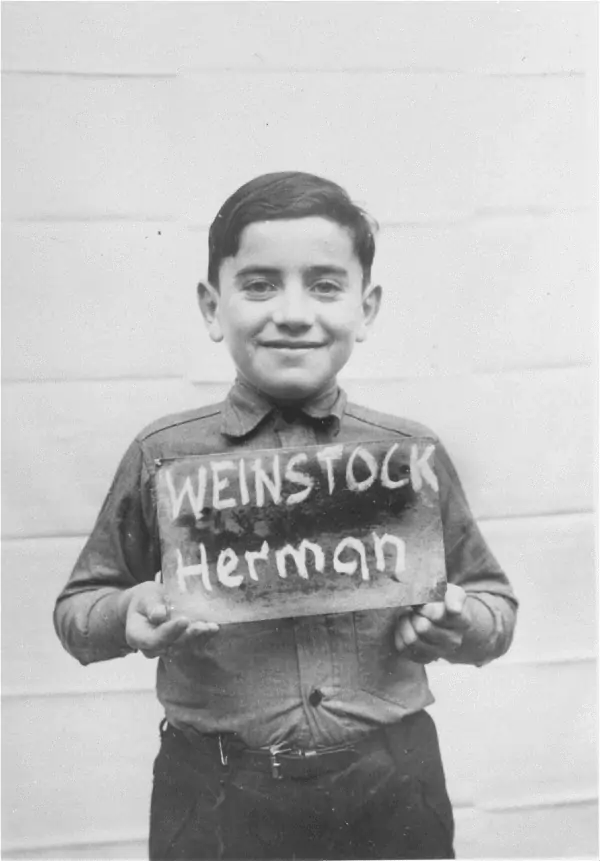
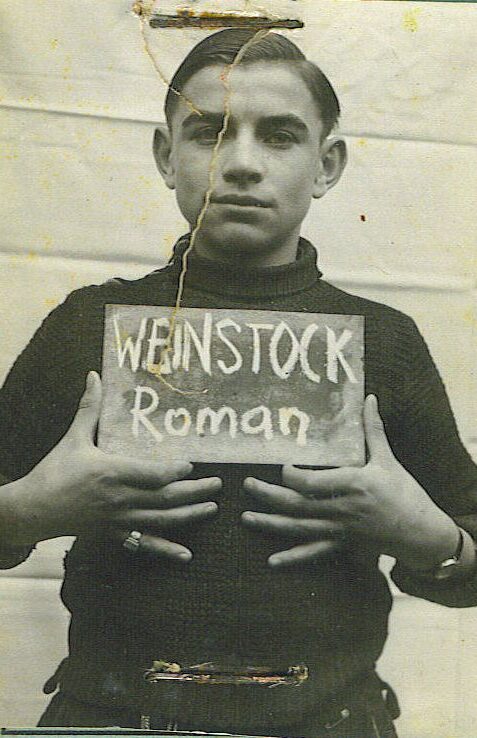
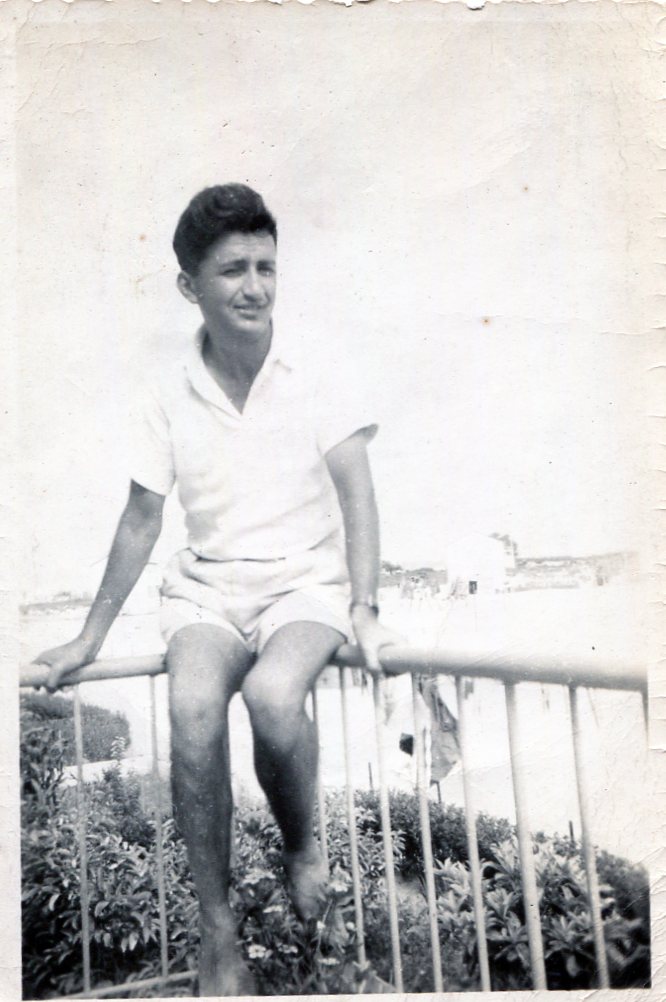
Three of the Boys born in Lesser Poland Voivodship. These photographs were all taken after World War Ii.
Before World War II, the region was home to vibrant Jewish communities in cities and towns. These communities were largely destroyed during the Holocaust, though some individuals survived and later rebuilt their lives abroad.
The area was occupied by Germany in September 1939 and became part of the General Government. Jewish communities across the region were subjected to persecution, confinement in ghettos, forced labour, and mass deportations to extermination camps—most notably Auschwitz, located in Oświęcim. Many smaller towns saw the complete destruction of their Jewish populations.
Getting there Krakow has excellent international air, road and rail connections. It helps to have a car to explore the region.
What to see
There are Jewish sites in the following Boy’s hometowns:
Dobczyce
The most prominent physical trace of Jewish life in Dobczyce is the ruined mikveh (ritual bath) building.
Dubiecko
Jewish Cemetery (North of the town) Fewer than 20 sandstone matzevot (tombstones) remain, many of which are toppled or broken.
Frysztak
Old Jewish Cemetery (Parkowa Street) contains about 30 surviving tombstones.
Krynica
Jewish Cemetery (Polna Street) The site site sits on an overgrown hill. While many stones were destroyed, it remains a protected historical site.
Synagogue Locations Historically, two synagogues served the town. One was located on today’s Piłsudskiego Street and another at the junction of Kraszewskiego and Polna Streets (which also housed a mikveh).
Nowy Sącz Memorial A significant new memorial in nearby Nowy Sącz lists the names of 12,000 Jews from the region, including many from Krynica-Zdrój, who perished in the Holocaust
Ksiaz Wielki
Synagogue Ruins (Stroma 3) The building is currently in poor condition with a collapsed roof and bricked-up entrances.l
Jewish Cemetery (Szewska Street) No original tombstones remain in their original positions, as they were used for paving during the war. However, one matzeva (tombstone) belonging to Jacheta Fridberg (d. 1901) and a modern monument dedicated to Holocaust victims are present on the site.
Rymanów
Synagogue Built in the 17th century, this stone fortress-style synagogue was once a ruin but has been extensively restored since 2005.
Jewish Cemetery Located on the eastern arm of Kalwaria Hill, it is one of the most picturesque in the region. It contains hundreds of matzevot (tombstones), some dating back to the 1610s.
Jewish House – Museum (2 Sanocka Street) This private memorial was established by Malka Shakham Doron in her grandfather’s former home.
Tarnów
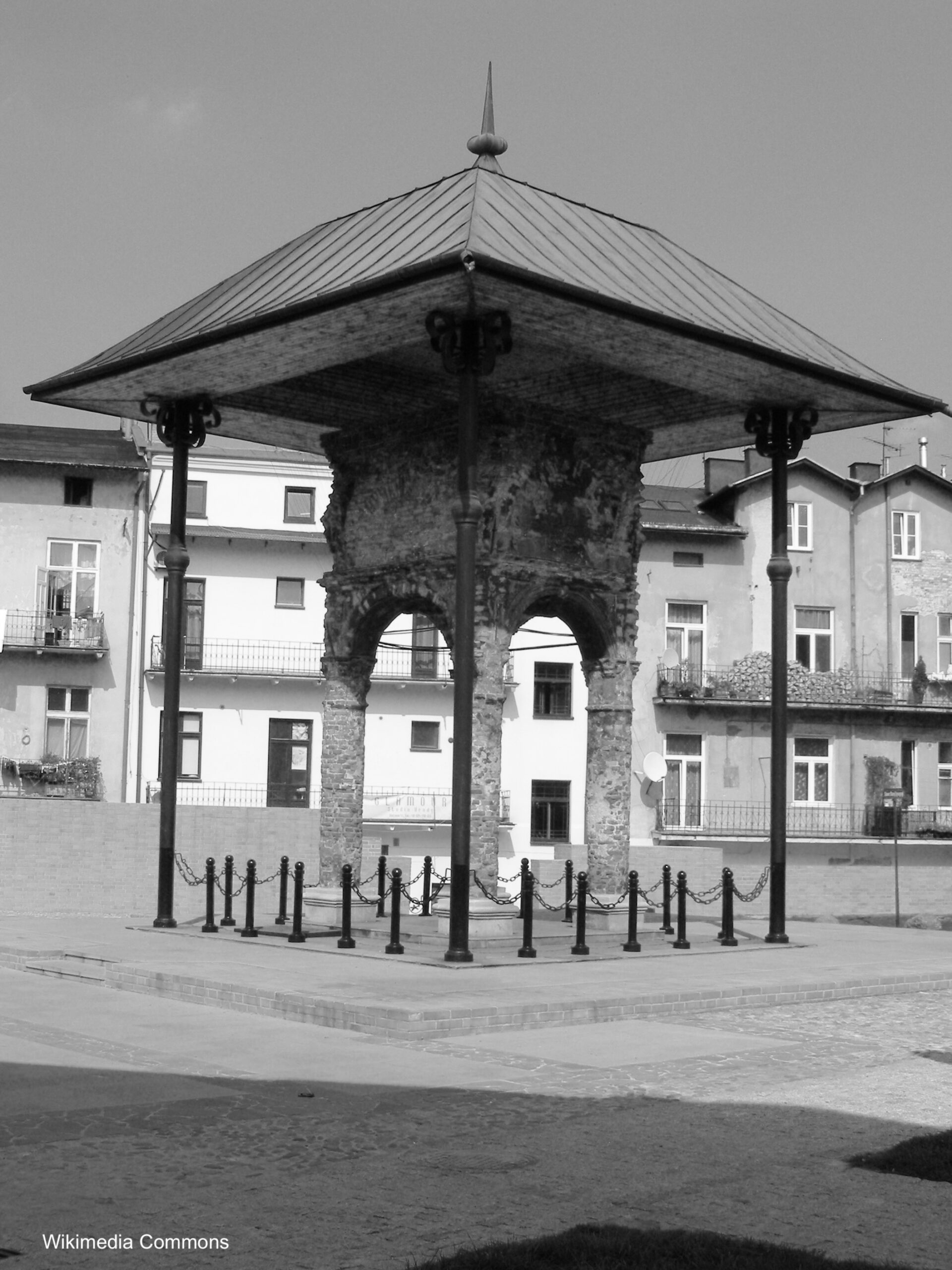
The ruined Bimah (reading platform) of the Old Synagogue, which was destroyed by the Nazis in 1939 (ul. Żydowska 12).
Jewish Cemetery One of the largest and best-preserved in southern Poland, featuring thousands of tombstones and a mass grave of Holocaust victims.
Mikvah Building (Plac Dożywocia) An oriental-style former ritual bathhouse located near the city centre.
Goldhammer Street Traces of Hebrew and Polish signage can still be seen on buildings here, including the site of the last prayer house.
Ghetto Location The Market Square (Rynek) and Magdeburg Square were assembly points for deportations to the Bełżec extermination camp.
 About
About History
 Education
 Quilts
 FIlms
FIlms Photos
 News Media & Events
 Publications
 Donate