Members of the Boys were born in Łódź in Poland.
The Boys were teenage and child-Holocaust survivors, who were brought to the UK after the war for rest and rehabilitation.
Members of the Boys were held in Nazi labour and concentration camps and used as slave labourers. They had also survived World War II in hiding or as lone children.
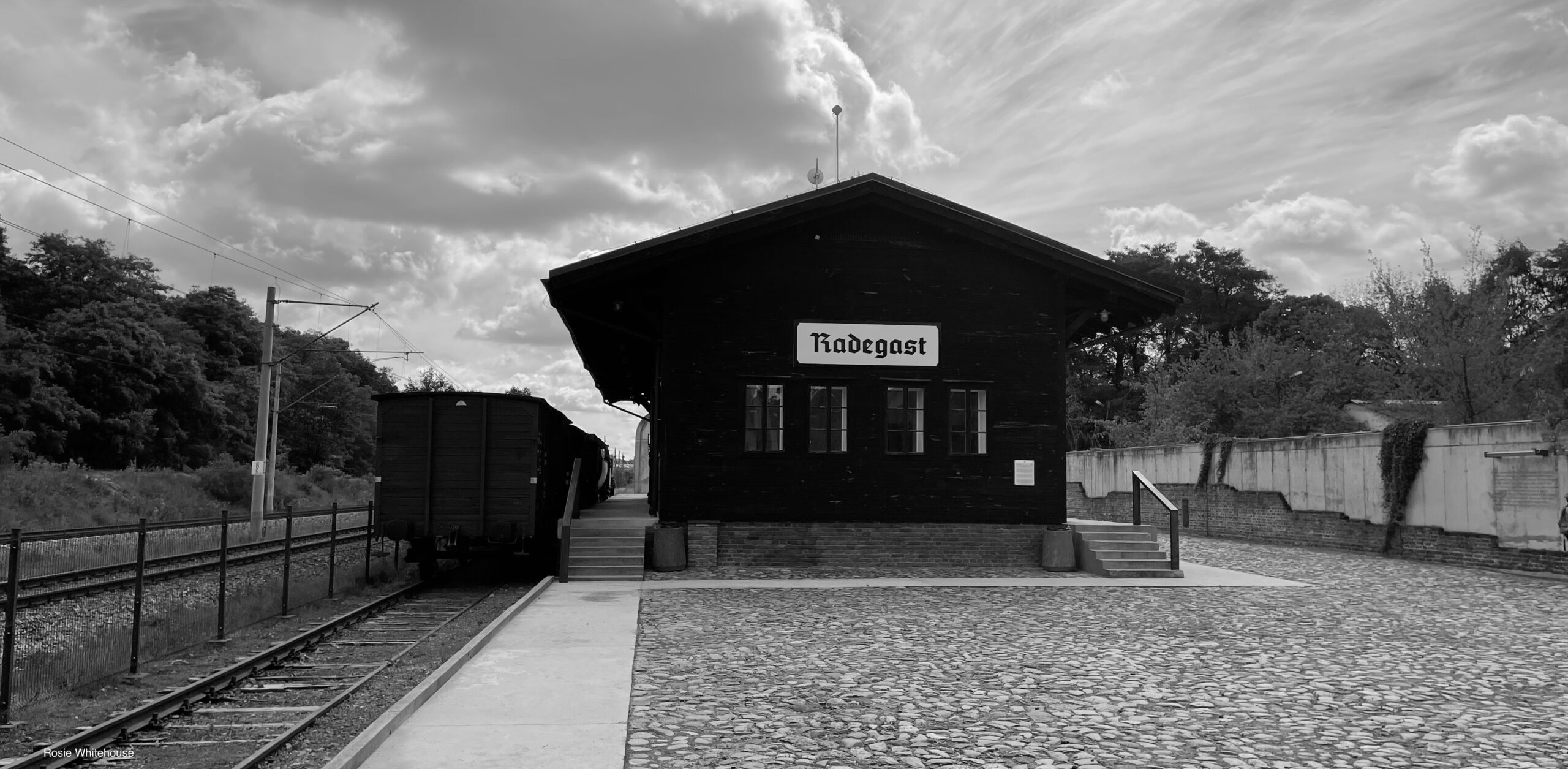
Former Radegast Station, Łódź, Poland.
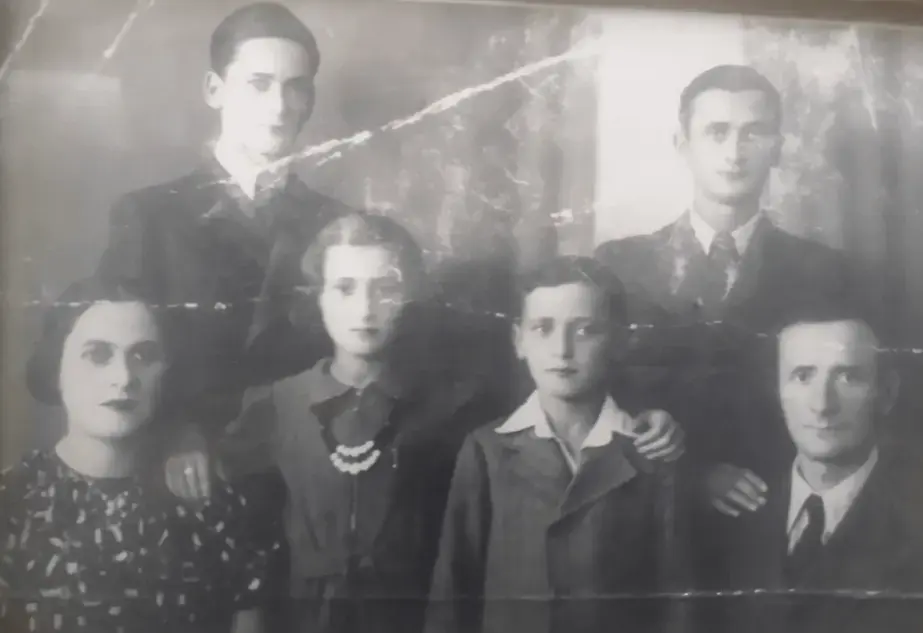
Isaac Kestenberg was a textile manufacturer. He and his wife Sarah had four children. Samuel (b. 1922), Szyja ‘Charlie’ (b. 1923), Sabrina (b. 1927) and David (b. 1930), who later became one of the Boys.
Immediately after the German invasion of Poland the family factory was confiscated, and the Kestenbergs were interned in the Łódź Ghetto. Samuel died in the ghetto hospital in 1941 and Szyja was shot in 1943. In 1942, their mother Sarah was taken to the Treblinka extermination camp, where she was murdered.
In 1944, Isaac Kestenberg was deported to Auschwitz II-Birkenau with his two surviving children Sabrina and David. The family was broken up and sent to various labour camps as slave labourers. It is not known where Isaac Kestenberg died. Sabrina endured a death march to Danzig, where she was herded onto a death boat which was deliberately sunk in the harbour.
Kestenberg was the soul survivor of his family. To read more about David Kestenberg’s life click here.
The Ghetto
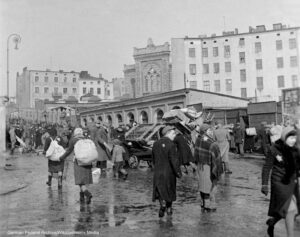
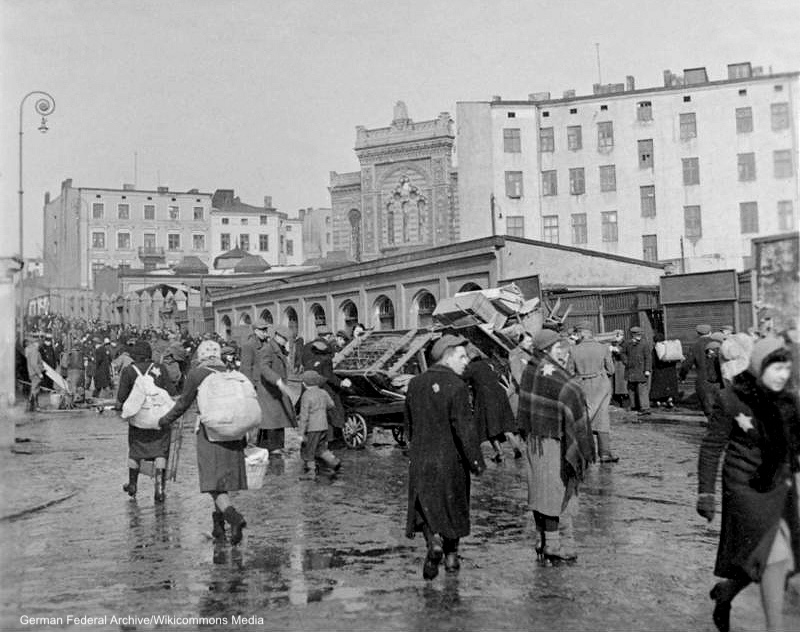
Deportation of Jews to the Łódź Ghetto 1940.
The Germans invaded Poland on 1 September 1939 and occupied Łódź a week later.
Łódź was immediately renamed Litzmannstadt and incorporated directly into the Third Reich.
A ghetto was created in spring 1940. Although the Germans had ultimate control, a considerable degree of authority, more than in any other ghetto, remained with the Jewish Council and its leader, Chaim Rumkowski.
To find out more about the ghetto click here.
Deportation
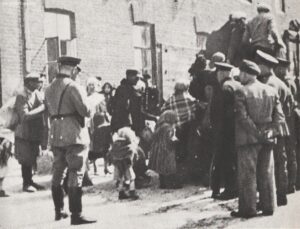
Deportation from the Łódź Ghetto.
In January 1942, the Germans began to deport Jews to the nearby Chełmno extermination camp, the first of its kind. By September 1942, 70,000 Jews and 5,000 Roma had been murdered there.
From then, until May 1944, there were no significant deportations and the ghetto resembled a forced labour camp. The Germans then decided to liquidate the ghetto and the remaining inhabitants were deported to the Auschwitz II-Birkenau concentration and extermination camp in occupied Poland.
Although Auschwitz is the symbol of the Holocaust and the genocide carried out against the Jews, it was significantly different from the other extermination camps was not just a place where Jews were deported to and murdered. When the trains arrived in Birkenau a selection was made on the ramp. It offered healthy young men and women a chance of survival as they were often selected for slave labour. To read more about Auschwitz click here.
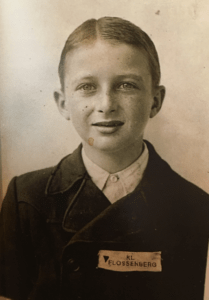
Stephen Wolkowicz just after the liberation.
“Our apartment building was part of the two three-storey blocks with an internal courtyard, paved with bitumen, into which cars and horse drawn carts could enter. At the street frontage there were large gates that opened into a ‘tunnel’ which was formed by two or three other apartments built over the gates …
One of my earliest memories is from when I was four or five, and at home convalescing from an operation for appendicitis. I remember dancing bears performing in our courtyard while the owners watched, waiting for us to give them money. I also remember after the surgery, demanding raw carrots to eat and instead being given a chocolate shell filled with sweets, which melted in my mouth.:”
Stephen Wolkowicz was born in Łódź in 1933. The family lived at 37 Kosciuski Avenue. His father imported yarn and from Britain. To read more about Wolkowicz’s life click here.
Those members of the Boys who were deported from the Łódź Ghetto were selected to work as slave labourers. The fact that they arrived six months before the camp was liberated increased their chance of survival.
They were deported with large groups of friends who looked after each other in the camps. This was another significant factor in their survival.
Prisoners on the ramp warned new arrivals to say they were healthy, and teenagers were told to say they were older than they were. These inmates spoke Yiddish which increased the chance of the Boys survival. Many arrivals from Greece, France, Italy and Holland did not understand the warnings.
About 12,000, Łódź Ghetto residents survived Auschwitz and other camps.
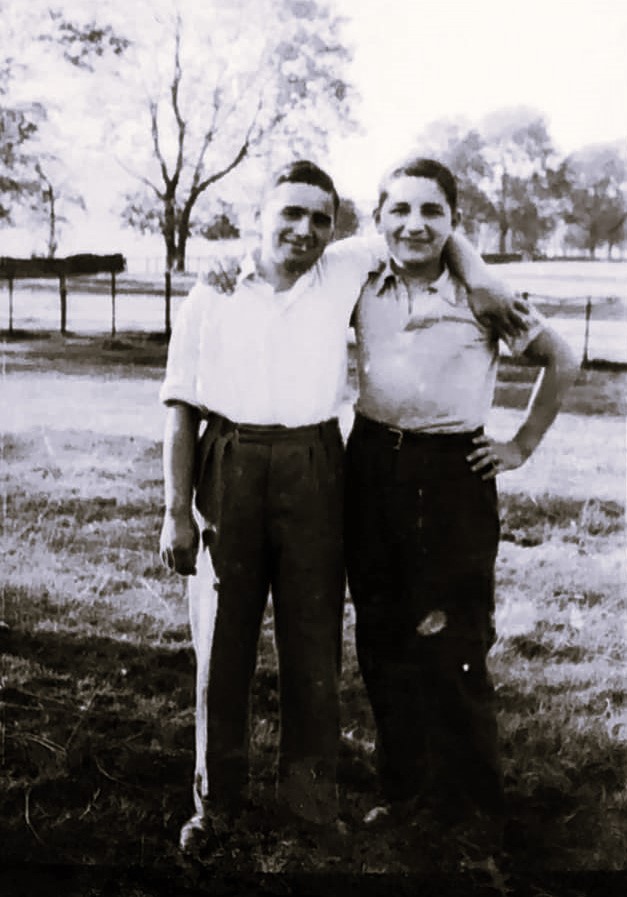
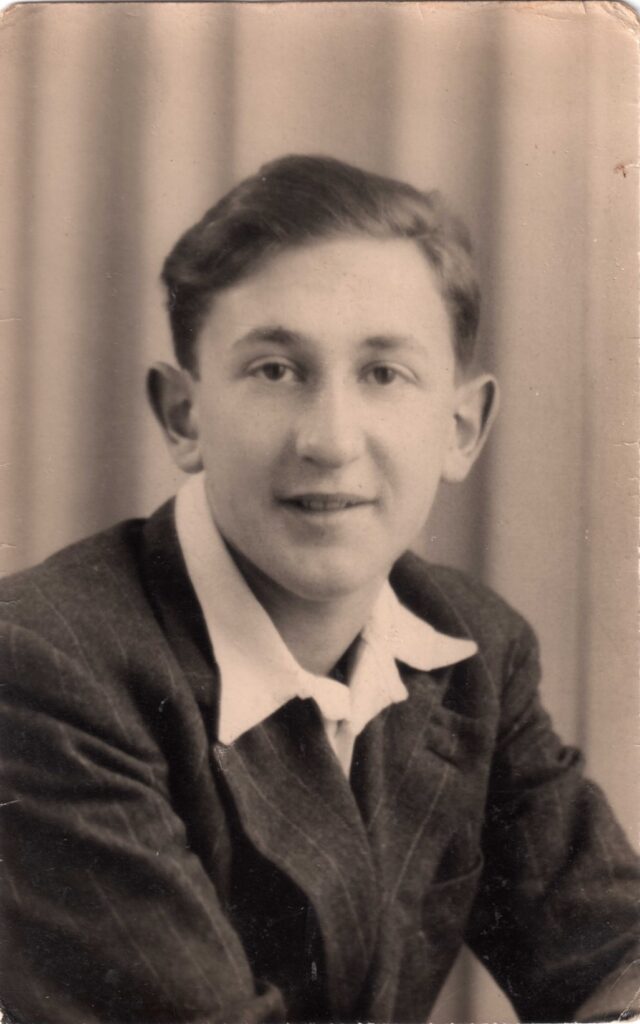
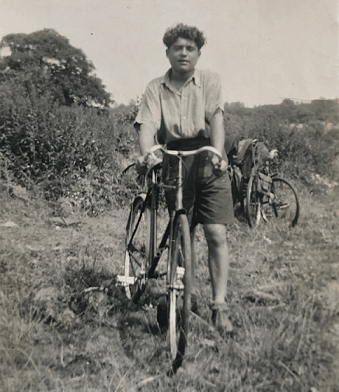
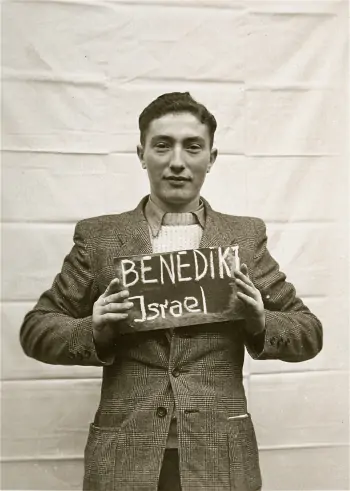
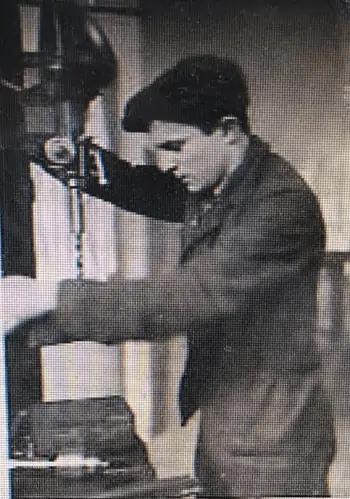
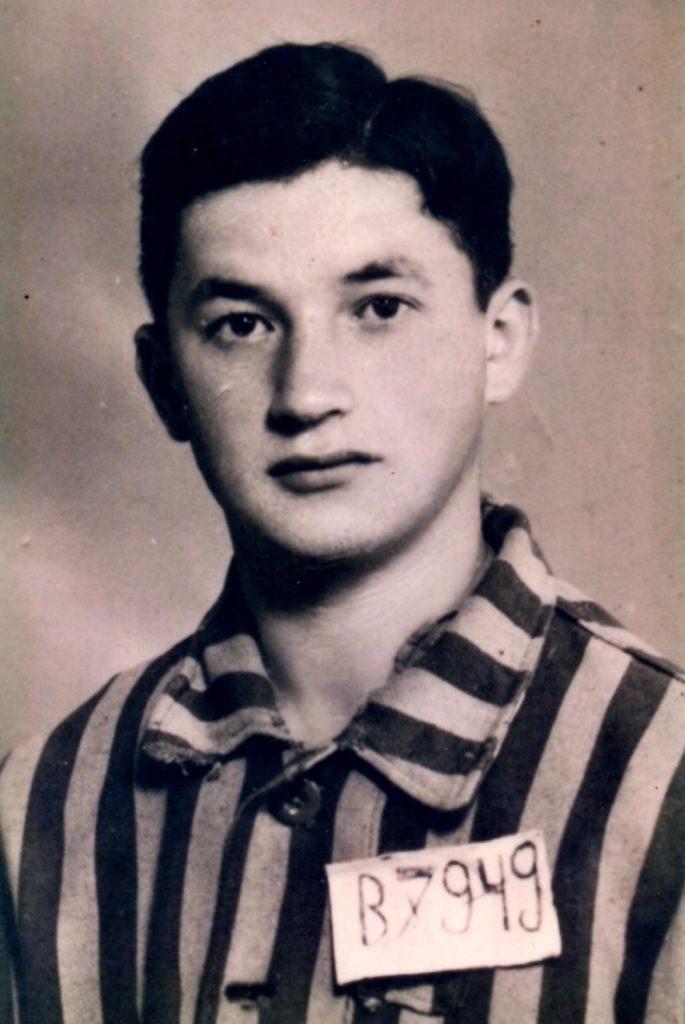
Some of the Boys deported from Łódź to Auschwitz.
Liberation
Thirty-eight thousand survivors passed through the city in the months after the liberation among them members of the Boys. Łódź became a major hub in the underground movement to take the survivors illegally to the British controlled Palestine Mandate. Youth groups were housed at Zadocnia 66. Conditions were harsh and the children slept on the floor and were fed only potatoes and bread.
With the consolidation of communist power, all independent Jewish political parties, organisations, and institutions were closed by the end of 1949.
Aftermath
Most of the Jews who originally lived in Łódź but survived the Holocaust joined the exodus of survivors from Poland and many of the Jews who now live in the city arrived from much further east. Finding Łódź far safer than the post-war situation they had experienced in their hometowns, they settled in the city.
By the early 1960s, Łódź had fewer than 3,000 Jews. In 1967-68, the Polish communist authorities carried out an anti-Zionist purge and many Jews fled the country. More than 1,000 Jews left the city after March 1968, immigrating to Israel, the United States, and Scandinavia. By the 1970s, Łódź had fewer than 1,000 Jews. Many left after the fall of communism.
Present-day
A small, organised Jewish community exists in Łódź today, part of the broader, post-1989 revival of Jewish life in Poland.
Łódź was until recently a run-down former industrial city with much in common with Detroit but has undergone somewhat of a revival in recent years. It is still possible to glimpse the city’s Jewish past.
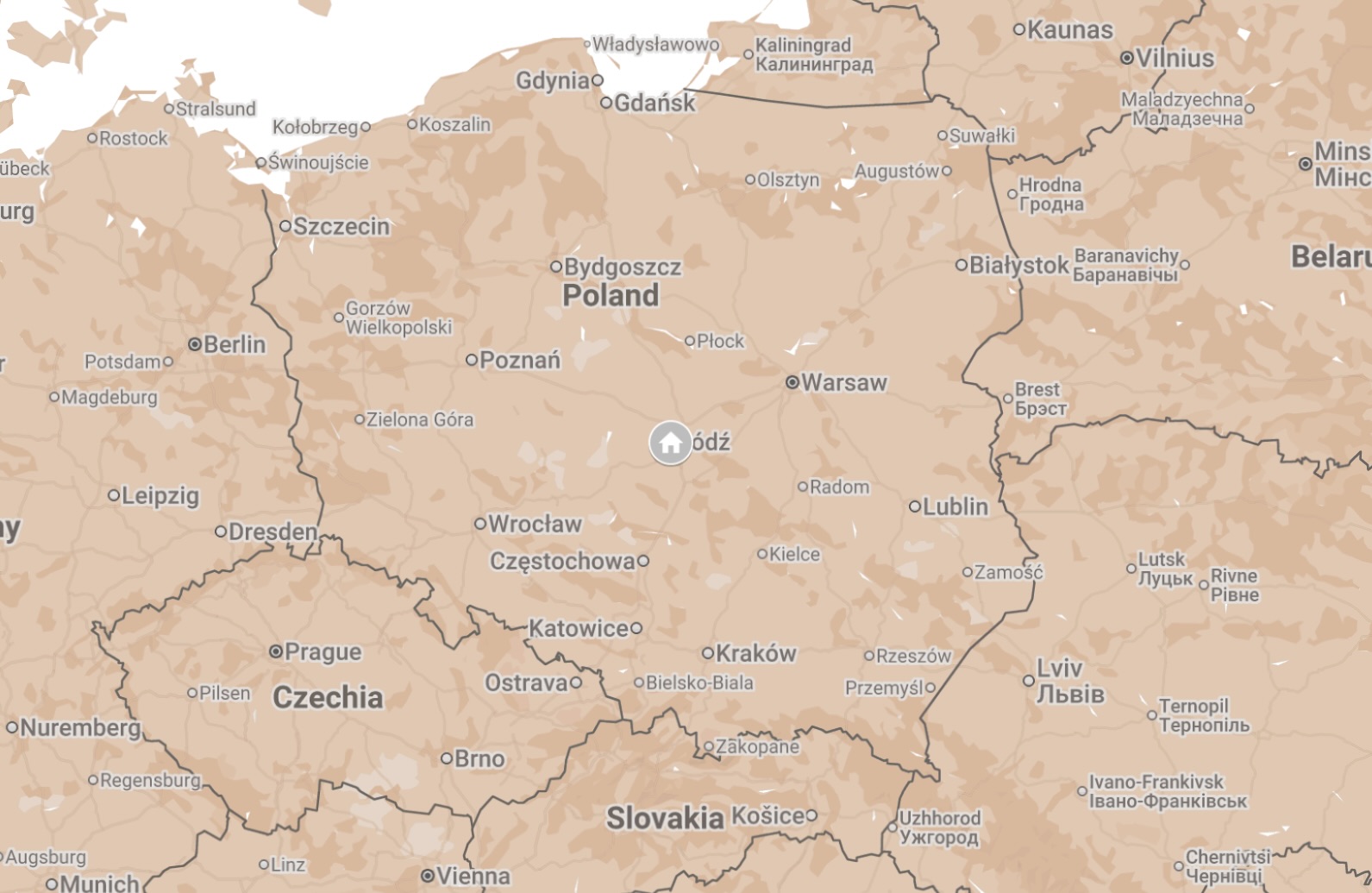
Getting there Łódź Władysław Reymont Airport has direct flights from the UK but alternatively fly to Warsaw’s Chopin Airport. Łódź Fabryczn has direct train services to Warsaw and Kraków. Łódź is well served by Poland’s motorway system.
Getting around You can walk from the Manufaktura centre, where there are hotels and restaurants, to the Bałuty area of the former ghetto. To visit the Radegast station memorial and the Jewish cemetery, you will need to take bus Z6 from the Zachodnia-Manufaktura stop. The two sites are 15 minutes’ walk apart. Taxis in Łódź are relatively cheap.
If you do not have your own transport, to visit the site of the Chełmno extermination camp take the train to Kolo and then a taxi, a journey of about 15 minutes. It is worth asking the taxi to wait to take you on to the Rzuchów Forest.
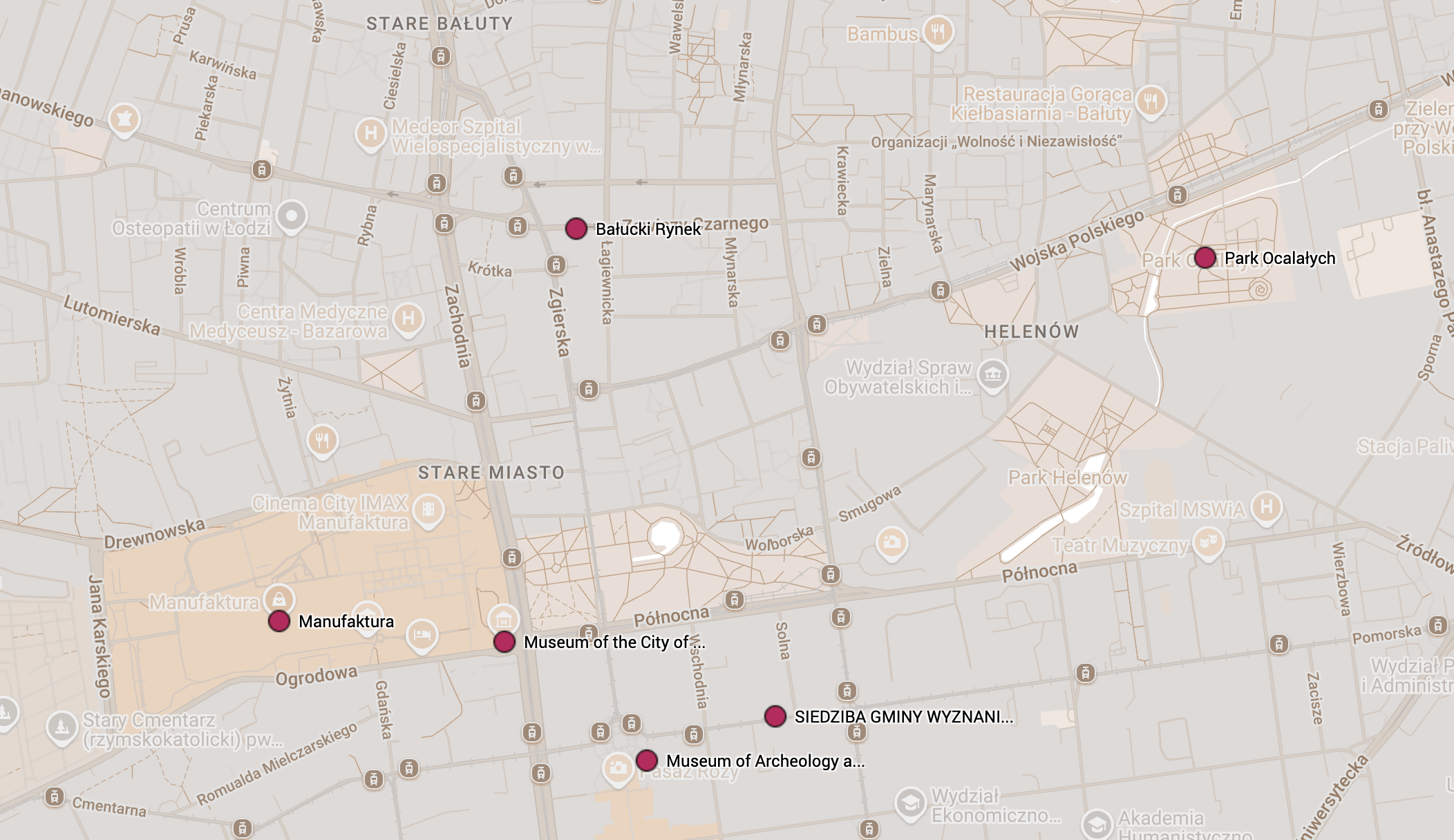
Map of northern Łódź
Sites
Manufaktura shopping centre The textile magnate Israel Poznański’s former factory is now a shopping centre. This is the location of the best hotels in Łódź. It is in the north of the city close to the former ghetto area.
Piotrkowska Street Similar grand houses and factories are located on Poland’s longest street at 4.2km in the city centre. Many of the factory and tenement buildings have been converted into bars and restaurants.
Museums
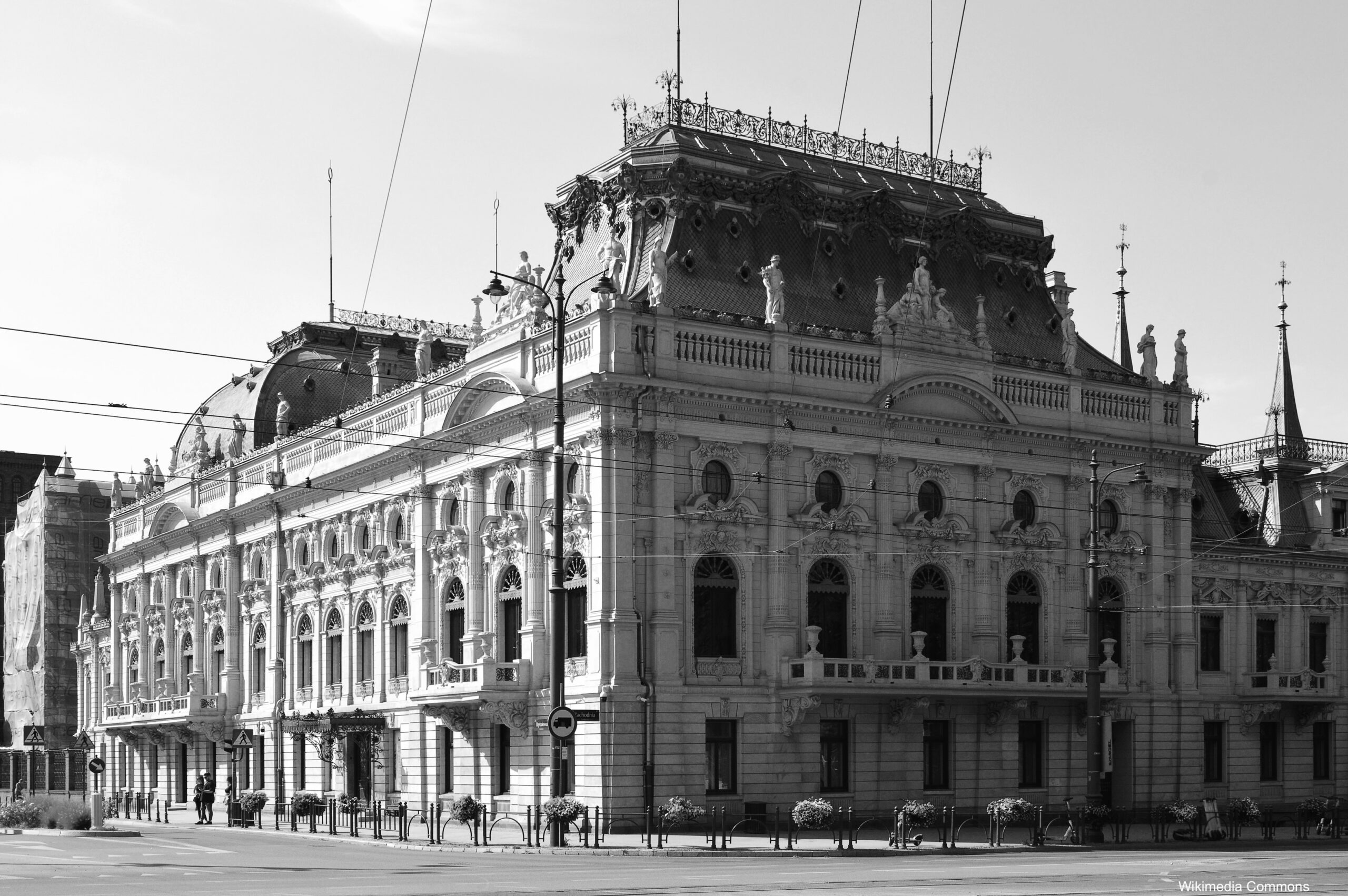
Museum of the City of Łódź (Muzeum Miasta Łodzi; Ogrodowa 15; w muzeum-lodz.pl; entry fee) is located in the former neo-Baroque-style palace of the textile magnate Izrael Poznański. This is the best place to get a feel for pre-war Łódź. The museum offers guided tours and thematic walks, and there is a small exhibition about Łódź-born Jan Karski, the courier for the Polish underground who brought news of the murder of the Jews to leaders in London and Washington. The former factory behind it is now the Manufaktura shopping centre
Archaeology and Ethnography Museum (Muzeum Archeologiczne i Etnograficzne w Łodzi; plac Wolności; w maie.lodz.pl; entry fee). The museum holds an extraordinary hidden treasure trove found in 2023 during restoration work on Północna 23. The street runs east from the Manufaktura complex and was just outside the ghetto limits. Hidden during World War II, it contained hundreds of Jewish-owned items, including Judaica and household utensils wrapped in newspapers.
Ghetto Location
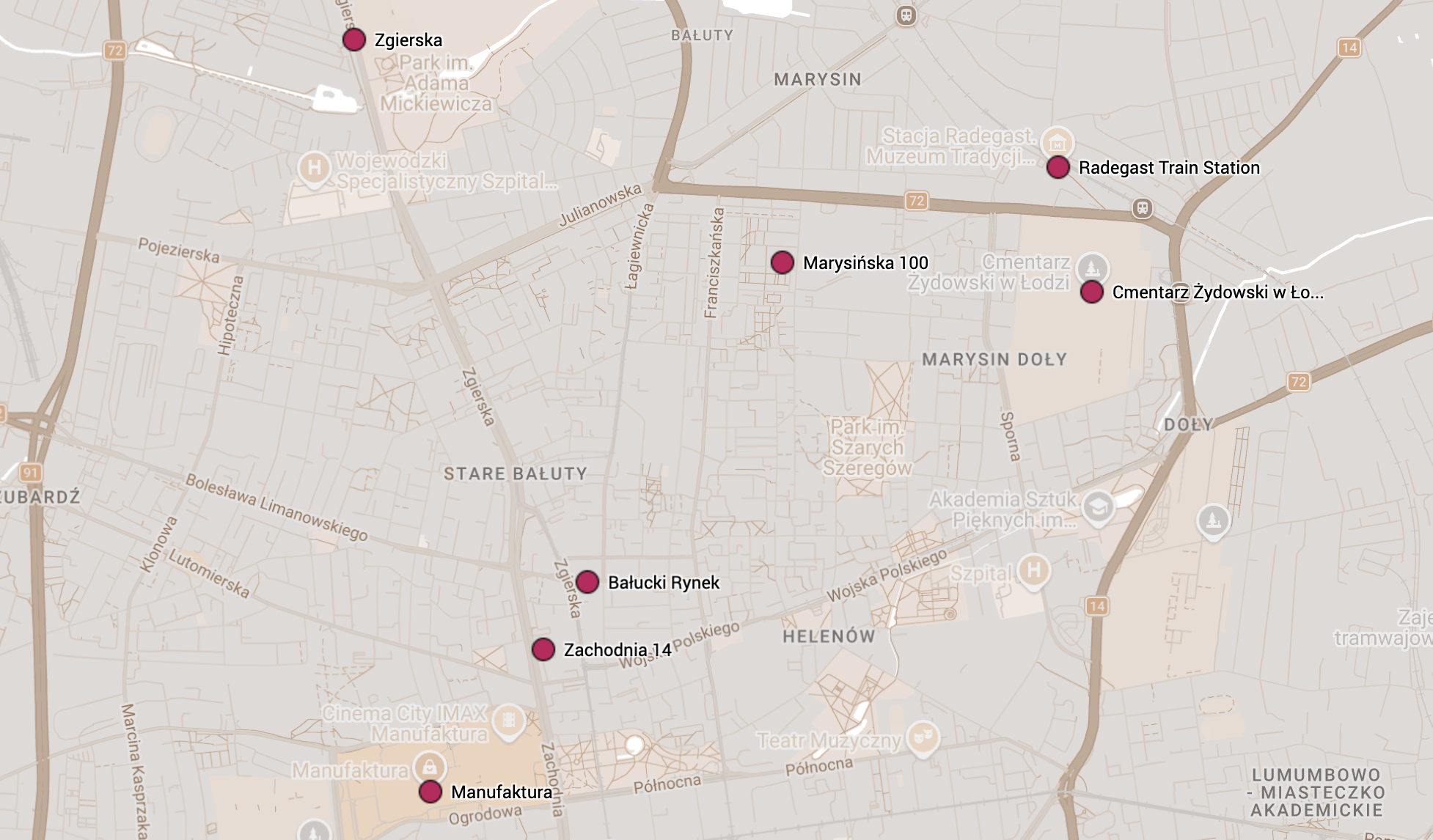
Map of Łódź Ghetto.
Łódź Ghetto began just north of the Manufaktura complex and extended to the Jewish cemetery in the east of the city. The ghetto area to the east and north was redeveloped under communism although the orphanage where Arek Hersch lived still stands at Marysińska 100.
Unlike in the former Warsaw Ghetto, some of the original buildings in Łódź still exist and have explanatory plaques attached which are also in English. To see all the sites of the ghetto, you need to follow the walking tour on w lodz-ghetto.com. The trail is roughly 10km long, so if you are looking for specific sites the tour is especially useful. A leaflet with a shorter tour is available at the Radegast memorial.
Bałucki Rynek The key highlights are around Bałucki Rynek, the main marketplace, where both the German and Jewish administrations were based. Food, raw materials and fuel were unloaded here. The area could only be entered with a special pass. Still standing, Łagiewnicka 25 housed several Jewish administrative offices. The Gestapo HQ was at Limanowskiego 1.
There were seven hospitals in the ghetto, from which the patients were deported in 1942. North of the market, Łagiewnicka 34–35 was Hospital No. 1.
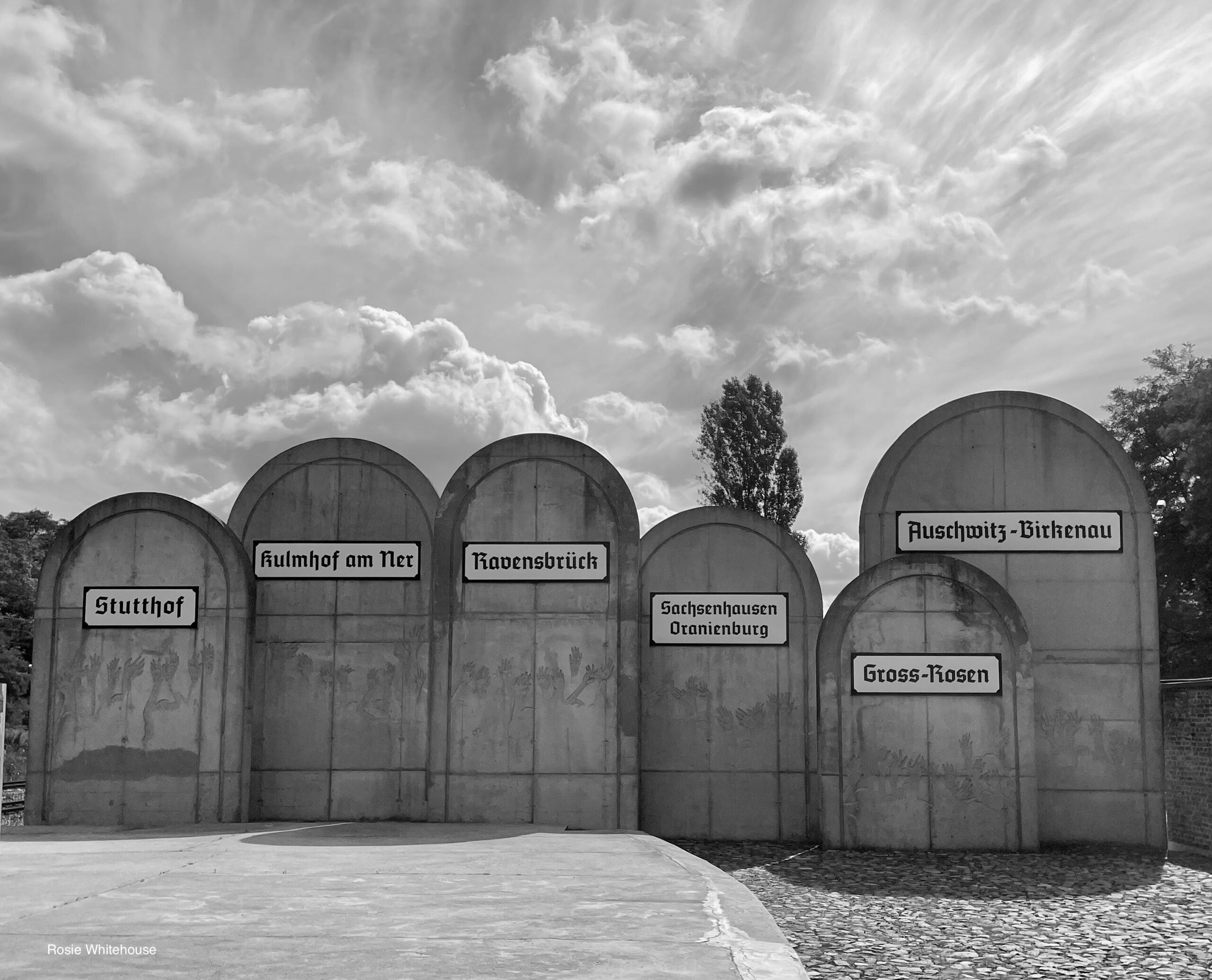
Rumkowski had an apartment here until the deportations. It was then used as an assembly point. During the liquidation, the head of the ghetto, Hans Biebow, gathered a group of 600 Jews here and placed them on a special train destined for Stutthof. Some of the Boys were on this transport. The prisoners were taken to work as slave labourers in Dresden. Biebow was hoping that his rescue of the 600 from the gas chambers of Auschwitz would save him if he was captured by Allied forces. He was eventually caught and hanged in 1947.
South of the market in front of the fire station at Zachodnia 14, Rumkowski gave his infamous speech on 4 September 1942, calling upon the ghetto inhabitants to give up their children to save everyone else.
Zgierska just to the west of Bałucki Rynek cut through the ghetto. The buildings on either side of the thoroughfare were part of the ghetto, but trams and cars were free to pass along it. Many of the original buildings remain, but not the three wooden footbridges which were erected in the summer of 1940 allowing the people in the ghetto to move from one section to the other. One of those bridges stood next to the red-brick Church of the Assumption of the Blessed Virgin Mary on Plac Kościelny, which was used as a warehouse for stolen Jewish property. In 1942, the clothes of the people murdered at Chełmno extermination camp were brought here – the forced labourers tasked with sorting the clothes began to realise that mass murder was taking place. The Ghetto Chronicles which recorded life in the ghetto from January 1941 to July 1944 were written by Jewish journalists and intellectuals at Zgierska 4.
To find out more about the Łódź Ghetto click here.
Memorials
Radegast Station (al. Pamięci Ofiar; entry fee) Radegast railway station is one of the most moving and significant memorials in Łódź. From here deportations were carried out first to the Chełmno extermination camp and then in the summer of 1944 to Auschwitz. The tunnel that leads to the station is lined by original deportation lists. These lists are of people deported to Chełmno; there were no lists of those deported to Auschwitz.
The station was built in 1937 and before the deportations began was used to bring raw materials into the ghetto and to ship out goods that had been made in its factories. Transports of Jews, Roma and Sinti from other parts of occupied Europe also arrived here. There is a large model of the ghetto in the exhibition. This is the place to ask for help if you are looking for somewhere specific.
Three original freight cars stand on the tracks by the platform with their doors open, so that visitors can see what it was like inside. The outdoor exhibition tells the story of the Łódź Ghetto. There are also plaques commemorating the Jews of Vienna and Luxembourg, who were transported to the death camps after first passing through the ghetto. On the anniversary of the ghetto’s liquidation in August, the memorial service at the Jewish Cemetery is followed by a commemorative march to the station.
The Survivors Park (Park Ocalałych) in the eastern section of the former ghetto has a monument to those who survived and 594 trees planted by survivors, as well as memorials to Jan Karski and to Poles who helped save Jews. From the Mound of Memory, an artificial 8m hill, there is a view across the city. The park is also home to the Marek Edelman Dialogue Center (w centrumdialogu.com; free), founded in 2010, which promotes the multicultural and multi-ethnic heritage of Łódź and hosts temporary exhibitions.
Cemeteries
The Jewish Cemetery (public entrance on ul. Zmienna) The largest in Europe, the cemetery was in the eastern limits of the ghetto. The industrialist Izrael Poznański is buried here, but the most moving part of the cemetery, known as the Ghetto Field, is in the southern part of the complex. An estimated 45,000 Jews, who died in the ghetto, are buried here. The 700 Roma and Sinti who died in the ghetto are buried in section PV and PV1.
More than 5,000 Roma and Sinti, among them 2,689 children, were brought to Łódź from Burgenland in Austria in late autumn 1941. They were held in the nearby Zigeunerlager on Wojska Polskiego 84 at the junction with Głowackiego. The site is marked by a plaque and there is a small exhibition. In January 1942, the camp was liquidated and the people confined here were murdered in Chełmno extermination camp.
Jewish Community
The Jewish Community of Łódź (Gmina Wyznaniowa Żydowska w Łodzi, ul. Pomorska 18, t +48 42 633 51 56, w kehilalodz.com.) Housed in the historic Gebhardt Palace, it serves as the hub for Jewish religious and community life in Łódź. The site includes a small synagogue. The community supports the Reicher Synagogue (ul. Rewolucji 1905, 28) built 1895-1900, which is the only synagogue in the city that survived the Holocaust.
Chełmno
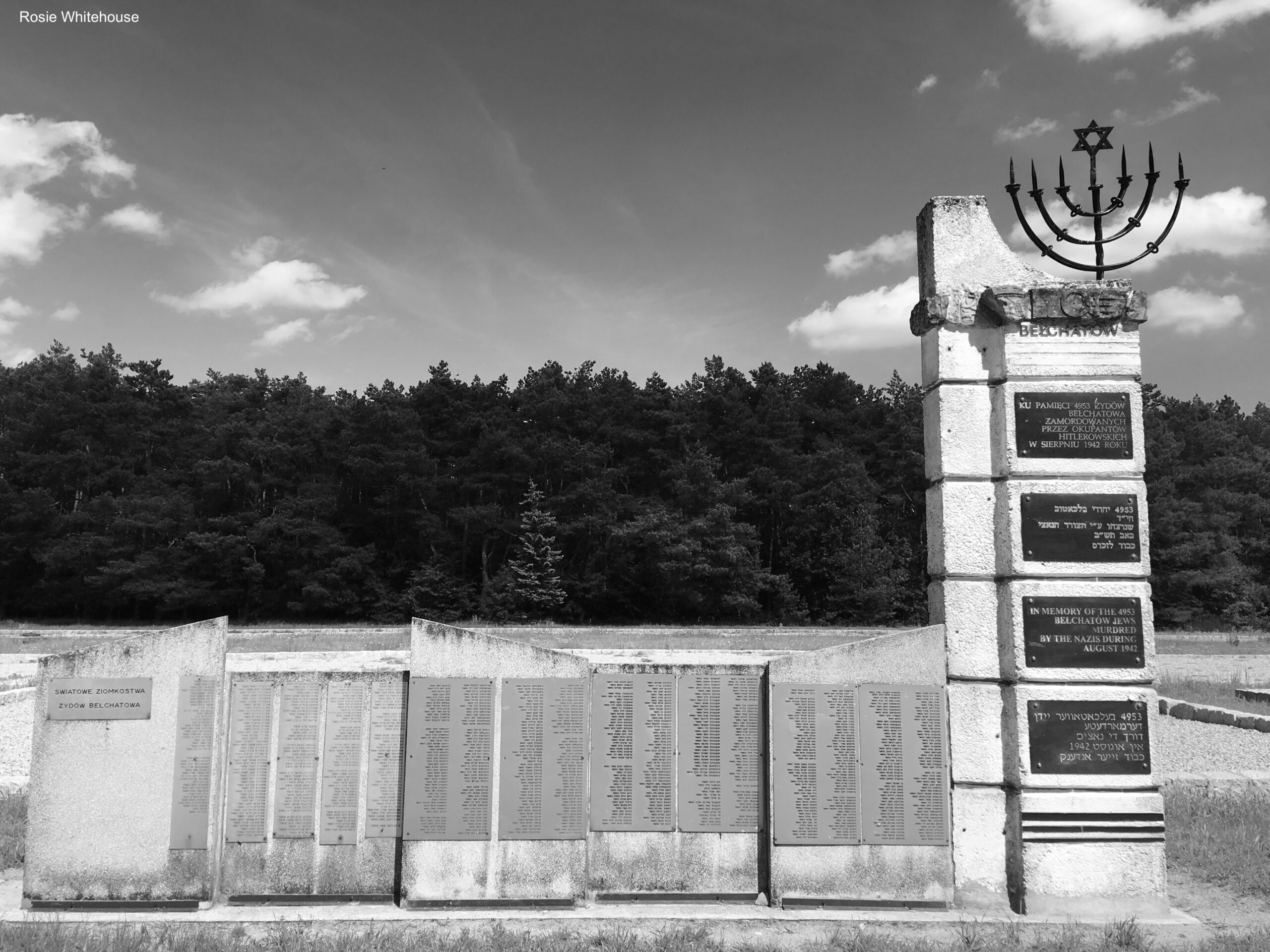
The former Chełmno extermination camp, 77km northwest of Łódź, was the site of the first Nazi extermination camp on Polish soil and the first place where Jews were gassed.
Background Chełmno is one of the most sinister of the Nazi extermination camps as it was here that the Nazi teams experimented with ways to carry out mass murder and dispose of the bodies.
The first transport from the Łodz ghetto arrived in December 1941. Jews were choked to death as gas vans drove into the Rzuchów Forest along the road from Dabie to Kolo.
Tip Chełmno was the fifth most deadly extermination camp, yet it gets few visitors, so is never crowded. Do however book an English language tour in advance in order to understand the importance of the monuments in the nearby Rzuchów Forest.
What to see
The Kulmhof Museum in Chełmno on Ner (Muzeum Kulmhof w Chełmnie nad Nerem; Chełmno 59a; ( w chelmno-muzeum.eu; free) uses the German name for the village, Kulmhof, as the area around the camp was annexed by the Reich in 1940. The tour starts at the ruins of the country house, where in the cellar Jews from the neighbouring towns were stripped of their possessions and then loaded into mobile gas vans.
The Rzuchów Forest is 15 minutes away. There are a series of monuments and memorials. Visitors can also see the remains of the experimental crematorium.
Films
Shoah (1985) Claude Lanzmann devoted a large part of his epic film to Chełmno, interviewing a former Nazi guard, Simon Srebnik, one of two people to survive the camp and a German settler who described the screams and yells she heard coming from the camp. Also revealing are his interviews with the villagers who remembered the camp.
Books
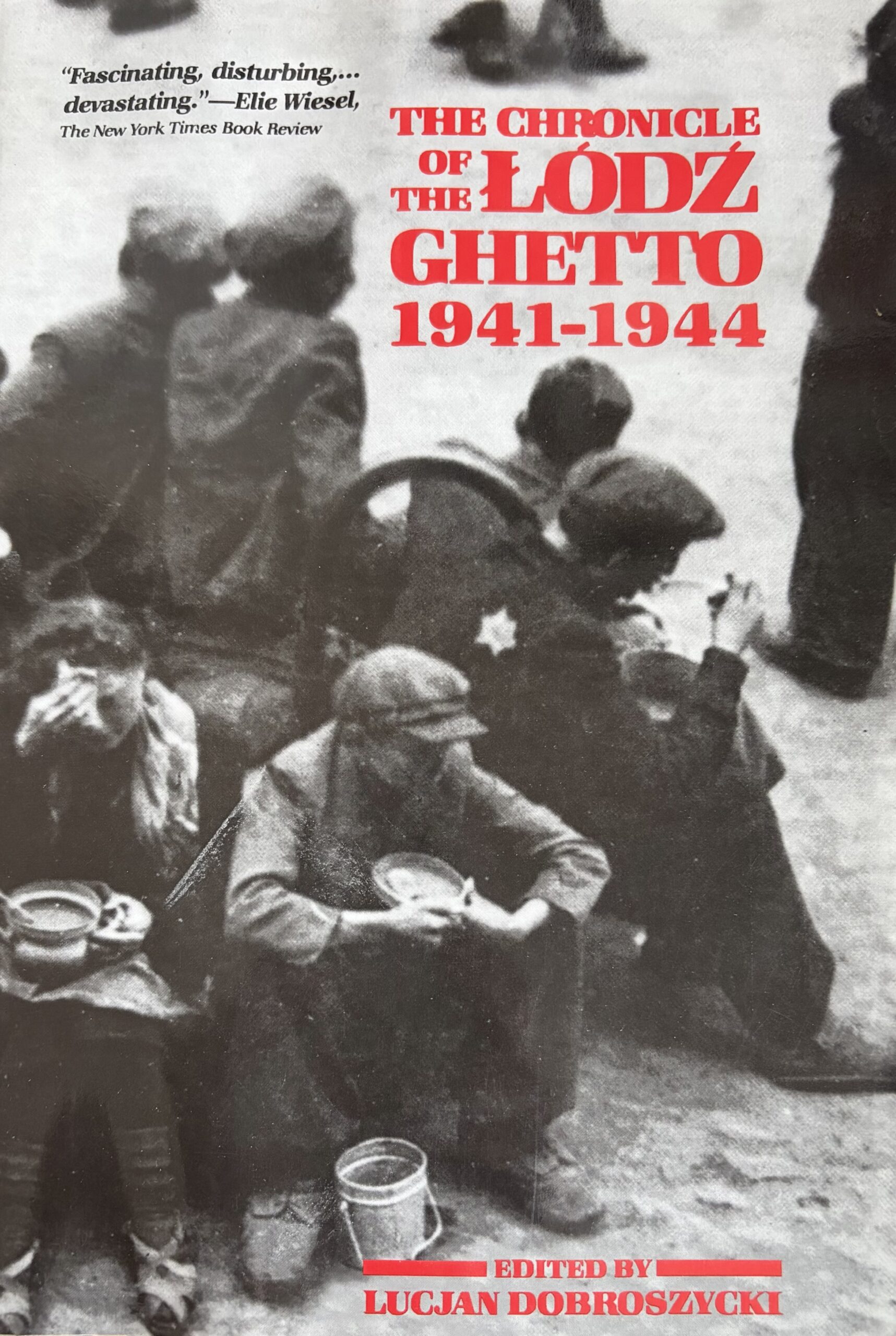
The Chronicle of the Lodz Ghetto, 1941-1944 (Edited by Lucjan Dobroszycki; Yale 1984): Day-by-day record of life in the ghetto compiled as by Jewish intellectuals imprisoned in the ghetto.
The Brothers Ashkenazi, Israel Joshua Singer (Other Press, 2010) Israel Joshua Singer was the older brother of Nobel Prize–winning Isaac Bashevis Singer. His epic novel of life in Łódź, originally written in Yiddish, was published in 1936.
 About
About History
 Education
 Quilts
 FIlms
FIlms Photos
 News Media & Events
 Publications
 Donate