
Members of the Boys were born in Lublin Voivodeship in Poland.
The Boys were teenage and child-Holocaust survivors, who were brought to the UK after the war for rest and rehabilitation.
Members of the Boys were held in Nazi labour and concentration camps and used as slave labourers. They had also survived World War II in hiding or as lone children.
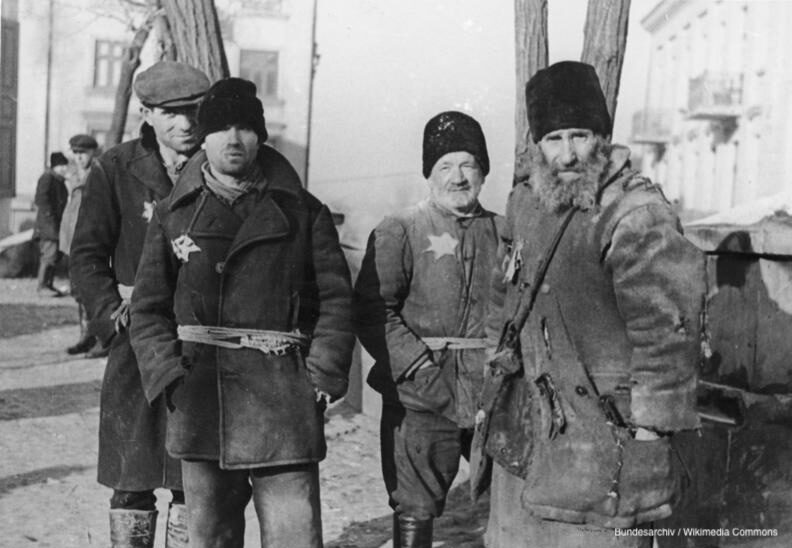
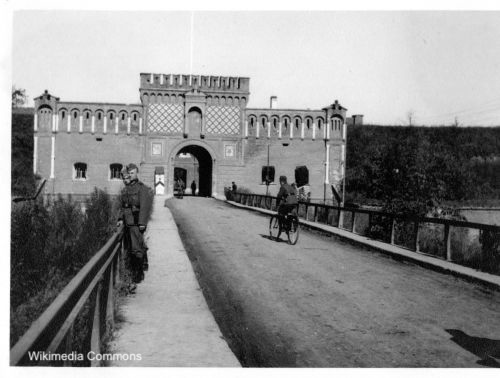
Lublin Ghetto, Poland in December 1939.
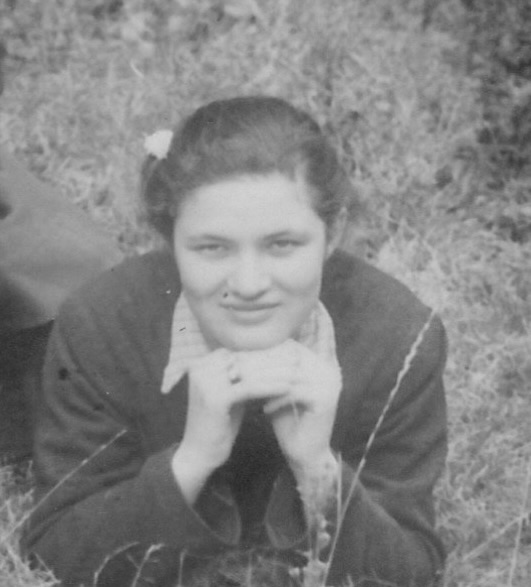
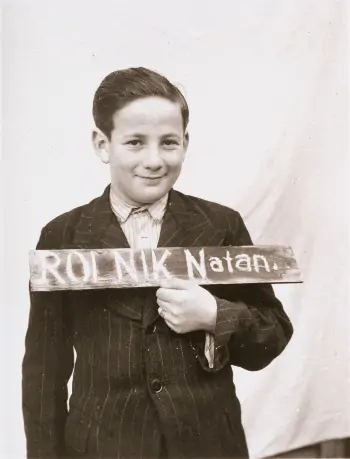
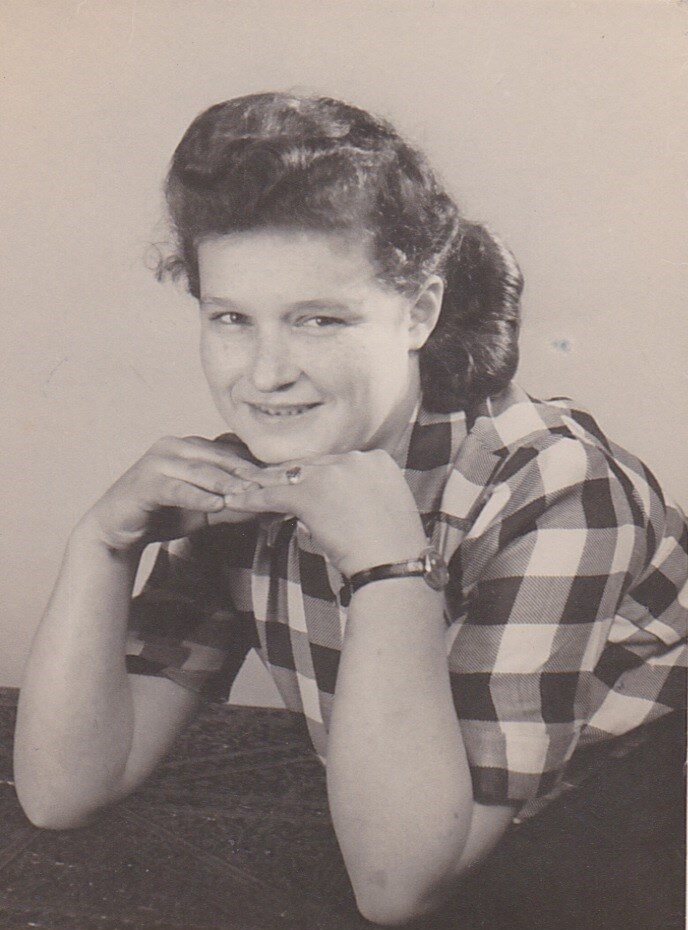
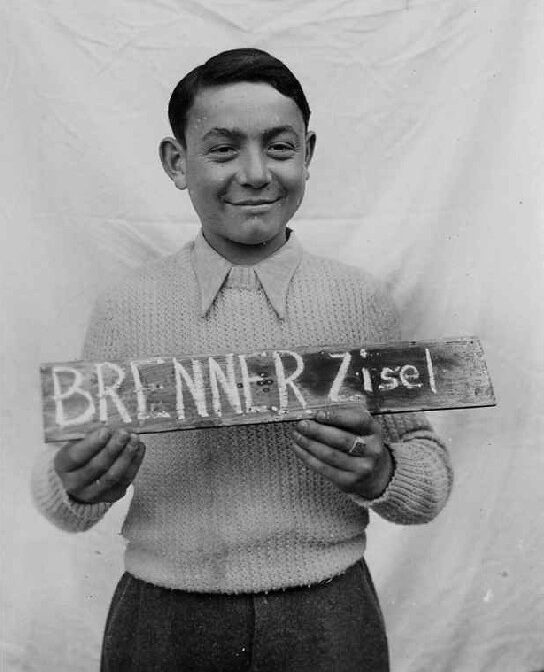
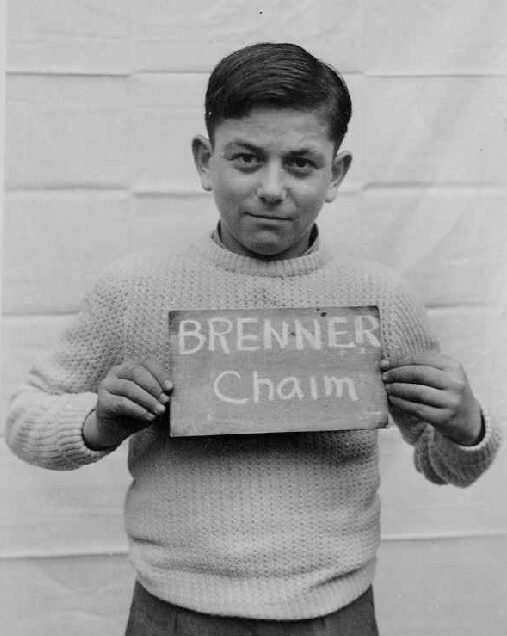
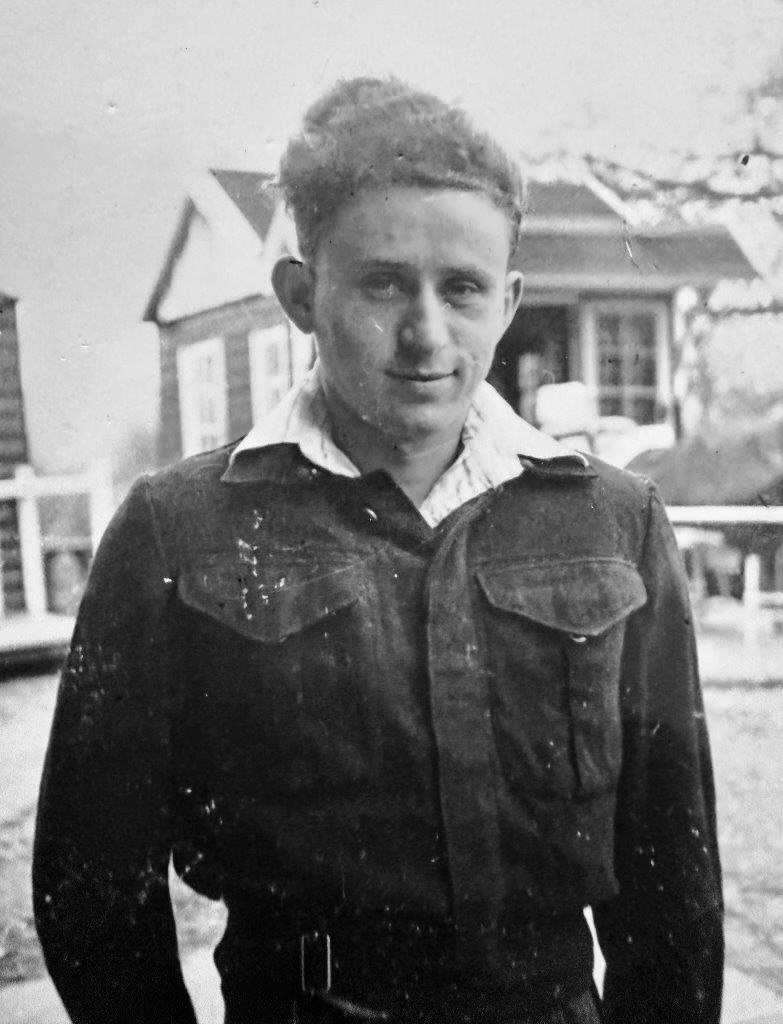
Six of the Boys from the Lublin Voivodeship. These photographs were all taken after the liberation.
Lublin was home to a famous yeshiva, Jewish hospital, synagogue, cemetery, and kahal, a self-governing community.
World War II
The area was part of the General Government occupation zone. Ghettos were set up across the Voivodeship in which the Boys and their families were imprisoned.
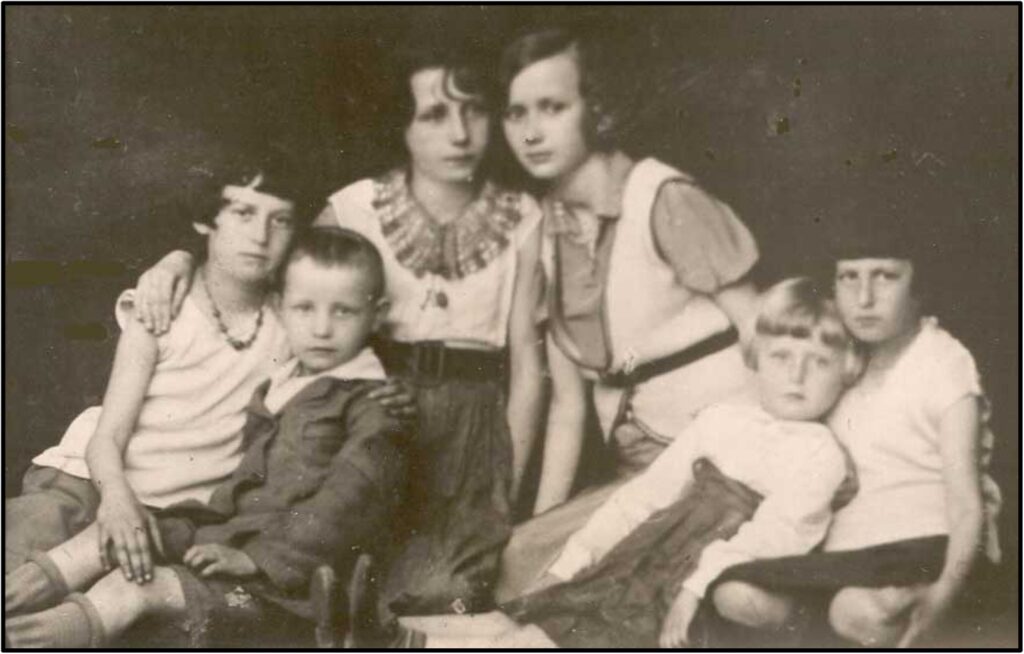
Moshe Huberman was a shoemaker. He and his wife Czarna had six children. Five daughters: Frania, Ides, Rifka and twins Perl and Tzril, and. a son Alfred. The Hubermann’s had a large extended family. They lived in Puławy in the Lublin Voivodeship.
When the Germans invaded Poland in 1939 the family house was demolished, and the Hubermann’s were forced into the Puławy Ghetto. Rifka was killed in an air raid in Warsaw. The family were then moved to the village of Parchatka. They were then taken briefly in 1942 to a ghetto in Zwoleń. After a few days there was a selection. Alfred Hubermann was separated from his parents who he never saw again.
To find out more about Alfred Hubermann click here. Alfred and Ides were the only members of the family to survive the Holocaust.
Present-day
After the liberation, the few surviving Jews left the area.
Getting there
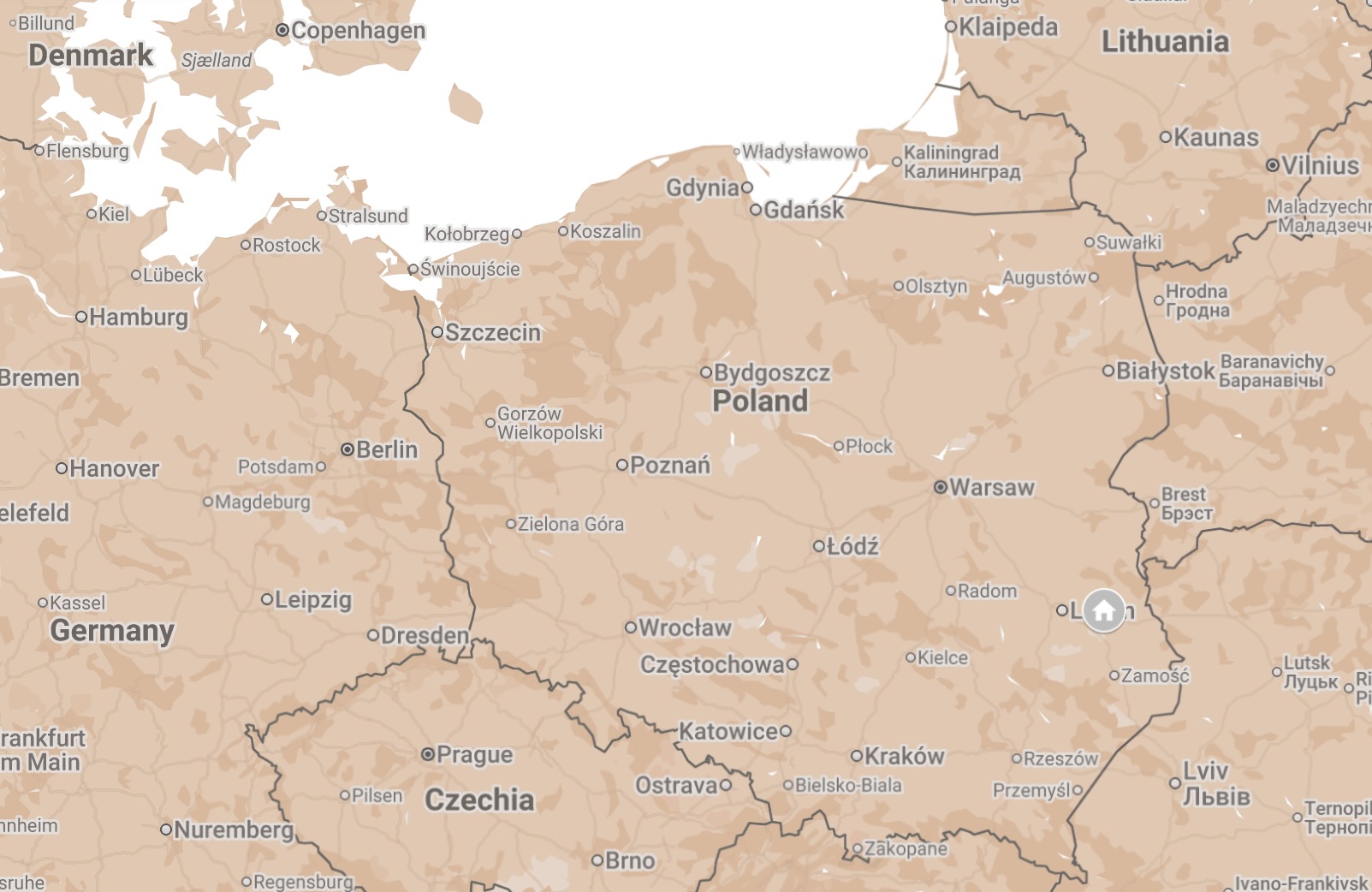
Lublin has a small airport with flights to the UK. The city is a major rail hub in eastern Poland and there are direct trains to Warsaw.
Getting around
Lublin can easily be explored on foot, but to visit the State Museum of Majdanek take bus 156 from Brama Krakowska.
The easiest way to explore the region around Lublin is by car. If you do not have your own transport, to visit the former Sobibór extermination camp, take the bus from Lublin to Włodawa. From there take a taxi to Sobibór, 18km away. Alternatively take a train to Chelm and then a taxi. To see the Bełżec memorial take the bus (w bigbus.moj-bus.pl) from Lublin to Tomaszów Lubelski, then take a taxi.
The train from Lublin to Zamość passes through Izbica. The sites below are listed according to distance from Lublin.
The main Jewish heritage centre is the city of Lublin.
Lublin
Ghetto Location The car park in front of Lublin Castle was once Lublin’s Jewish Quarter, which was destroyed in the war. It was also the location of the ghetto. Its boundaries are marked by murals and 43 memorial tiles, which remember the 43,000 Jews who were imprisoned here. On the southernside of al. Tysiąclecia opposite the bus station, a memorial flagstone marks the site of the Maharshal Synagogue. The flagstone is the first of 21 that lead to a deportation memorial (ul. Zimna). To the right of the stairs leading up to the castle, a plaque shows a map of the former Jewish area.
Museum
The driving force behind memorialisation of the Holocaust in Lublin and the region is the Grodska Gate NN Theatre Centre (Ośrodek Brama Grodzka – Teatr NN; ul. Grodzka 21; entry fee), a museum, educational centre and cultural institute. The museum has a permanent exhibition on the history of Jewish Lublin and holds temporary exhibits and theatre shows. This is the place to ask for more details about visiting the Boys hometowns. They also have a excellent website.
Memorials
Monument to the Victims of the Ghetto (Pomnik Ofi ar Getta Lubelskiego), unveiled in 1962, was moved from its original location between ul. Lubartowska and ul. Świętoduska because of construction works and now stands west of the Old Town on ul. Radziwiłłowska 4.
Labour Camp Memorial (ul. Wrońska 2) The memorial is for the former Flugplatz labour camp. Between 1942 and 1943, Jews from across Nazi-occupied Europe were brought here to work as forced labourers at the Emil Plage and Teofi l Laśkiewicz factory. Established in 1921, it had produced the first aeroplanes in Poland.
Other memorials
In the suburb of Bronowice in the west of the city on ul.Leszczyńskiego, there is a memorial to Jews murdered in November 1942 during the liquidation of the ghetto in the suburb of Majdan Tatarski.
On a service road parallel to the S17, the road to Zamość, 14km southeast of Lublin, is a memorial, the Pomnik pamięci pomordowanych w Lesie Krępieckim, to the 3,000 Jews without work permits, many of them children, who were murdered at Krępiec Forest in April 1942.
The Boys’ Hometowns
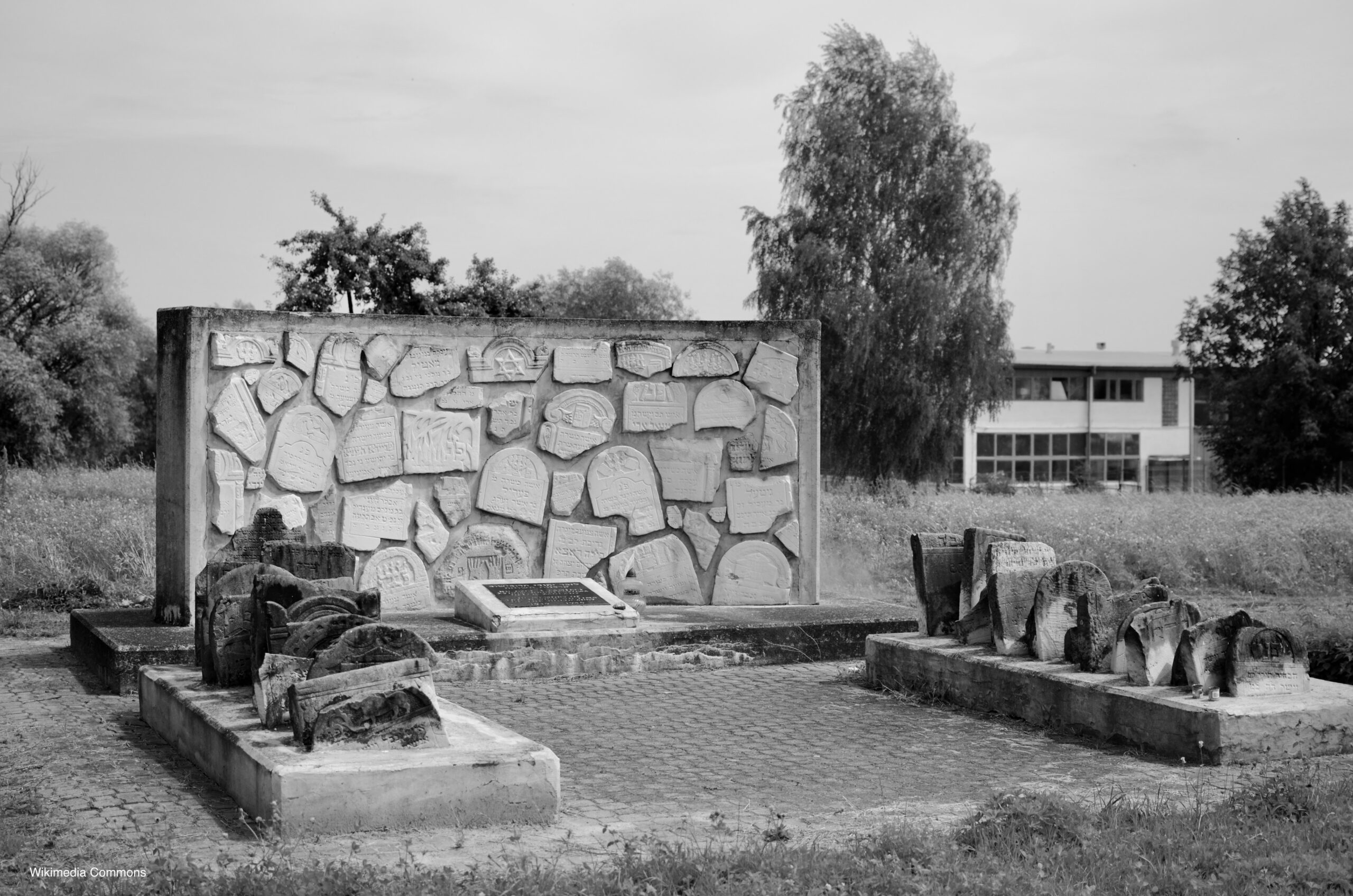
There are Jewish cemeteries in Czemierniki, Dęblin, Hrubieszów, Międzyrzec, Ryki, Tarnogrod and Warka.
For more on the Ghettos that the Boys were held in click here.
What to read
Mala Kacenberg wrote a memoir of her life Mala’s Cat to find out more about the book click here.
The sites below are listed in order of distance from Lublin.
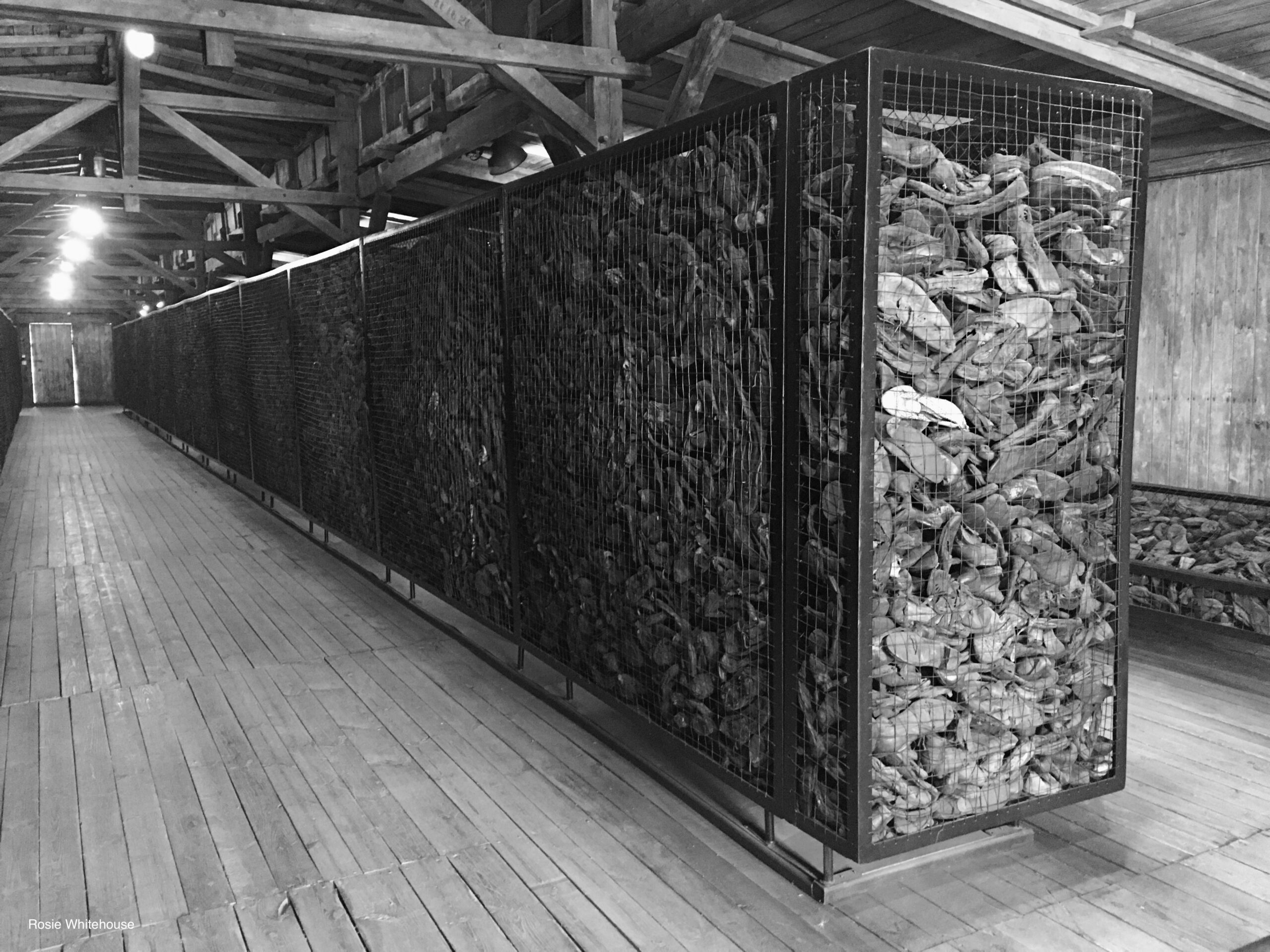
Majdanek Museum and Memorial Site (Muzeum I Miejzsce Pmięci w Majdanek; ul. Droga Męczenników Majdanka 67; free) One of the most important concentration and extermination camps in Poland was in the modern southern suburbs of Lublin. The Majdanek concentration camp is now a museum and memorial site. To find out more about the history of the camp and the Boys who survived imprisonment there click here. Of the 150,000 people held prisoner here, 80,000 died including the families of some of the Boys.
As early as 12 September 1944, the Polish-Soviet Commission for Investigating the German Crimes Committed at Majdanek turned the camp into a museum. The museum began functioning in early November and was the first in the world to commemorate the atrocities of World War II.
Tip Majdanek gets few visitors and there is no need to reserve a ticket in advance.
Sobibór
The wild untamed Bug River slips into marshy woodland and forms a natural border between Poland and Belarus. Today this is a real political frontier where the EU comes to an end. An empty road winds through russet-trunked pines and sandy groves to the small village of Żłobek Duży, 96km east of Lublin, clustered around a lonely little siding.
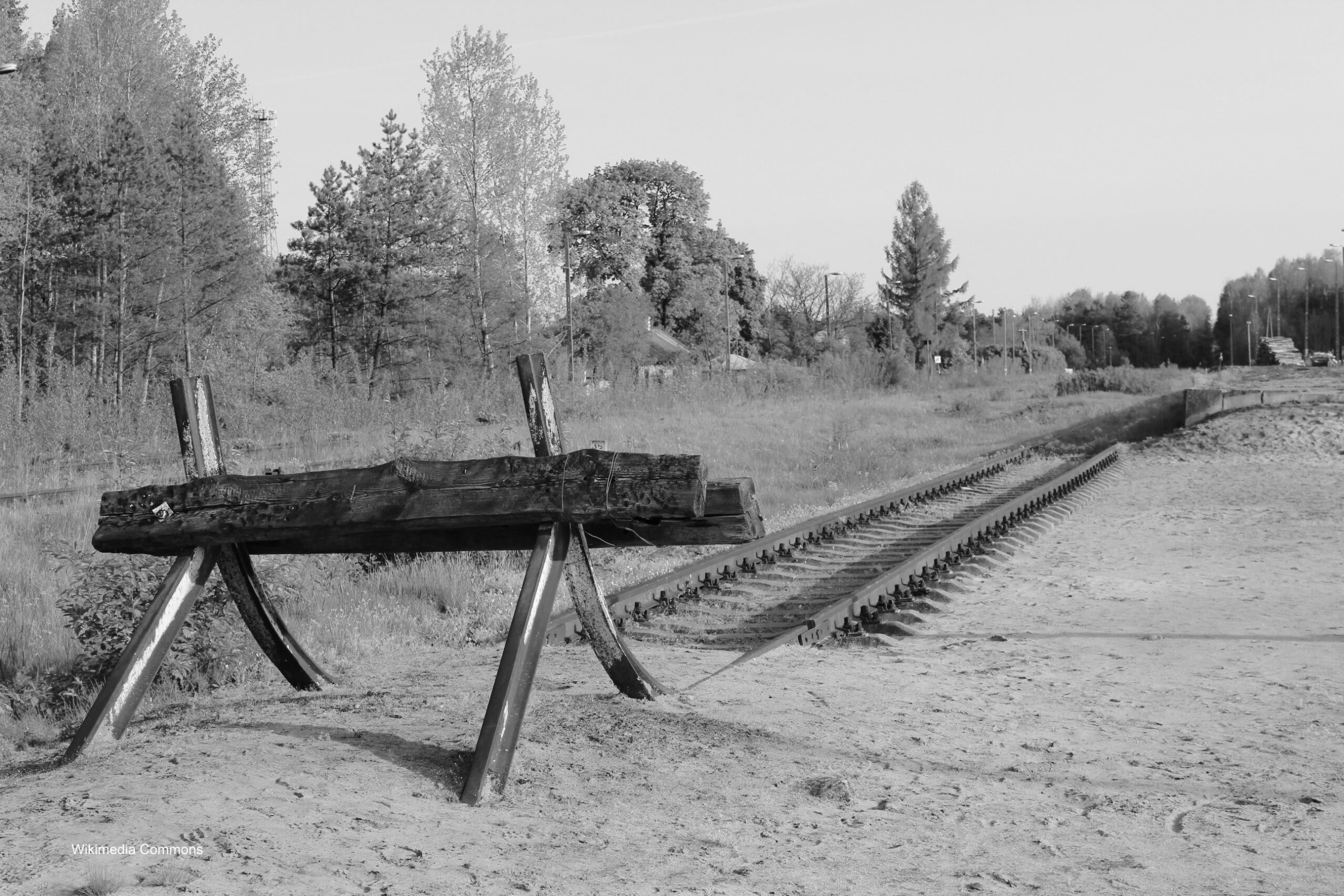
Sobibór extermination camp
The station was built after the war, but the tracks that cut through the forest are original and come to an abrupt end at the site of the deadly Sobibór extermination camp.
History
The camp at Sobibór opened in March 1942, but killings began in earnest in May. It was a surreal, systemised world where people were quickly herded from the cattle trucks, stripped naked, their heads shaved, and funnelled into the gas chambers which were pumped full of carbon monoxide. In all it is thought 170,000 people were murdered at Sobibór, among them families of the Boys, until a Jewish rebellion prompted the camp’s closure in the autumn of 1943. The gas chambers were quickly demolished by the Germans and covered by an asphalt road; trees were planted to disguise the site.
In the post-war population exchange, which began in the months that followed and in which Ukrainians were sent east and Poles moved west, Ukrainians were housed in the former guards’ barracks which were demolished in 1947. Until the 1960s the site was abandoned and forgotten.
What to see
The Sobibór death camp is now the Sobibór Museum and Memorial Site (Muzeum i Miejzsce Pmięci w Sobiborze; free) which has a new visitors centre.
Izbica
The small town of Izbica, 83km south of Sobibór, was unique in Poland as until World War I it was entirely Jewish. From 1940, Jews were resettled here from parts of western Poland that had been incorporated into the Reich and from March 1942 the town was used a transit camp for 24,000 Jews, among them 10,000 Bohemian, Slovakian, Austrian and German Jews, prior to their transportation to the Majdanek, Sobibór and Bełżec extermination camps. Gershon Frydnman, one of the Boys, and his family were held here.
Many Jews died in Izbica from starvation and disease. On 2 November 1942, the camp was liquidated, and the remaining 2,000 Jews were shot in the Jewish cemetery, where there are several memorials. (A path leads up the hill to the cemetery from a yard on the corner of Fabryczna).
Bełżec Extermination Camp
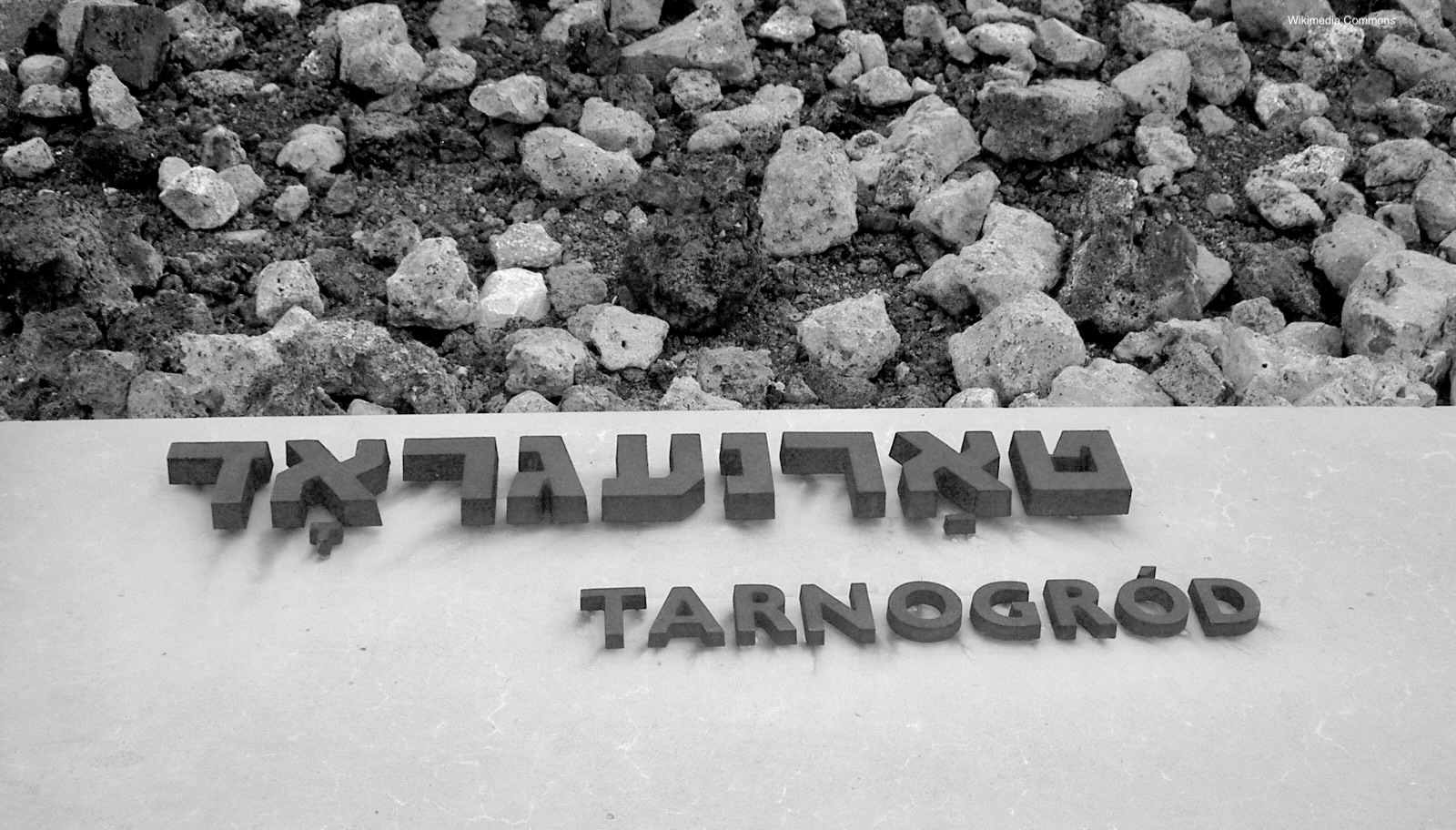
Memorial to Tarnogród at the former Bełżec extermination camp.
The first of the Aktion Reinhardt camps and a template for those to come.
History
The camp was built on the main road to Lviv, which was then in Poland, and located deliberately just next to the mainline between Lviv and Lublin. Local trains still pass this way. When experimental gassing was carried out here in February 1942, the victims had little idea of what awaited them. But as the weeks passed by, Jews arrived knowing their fate and the unloading and processing of new arrivals to the camp became increasingly frantic. There was often violence as they fought for their lives. By December 1942, 500,000 people had been consumed by the killing machine. It is thought that fewer than ten people escaped from Bełżec. Only two gave any testimony of what had happened there. One of them was murdered after the war and other made it to the safety of Canada.
Although the Germans had at first made no attempt to hide the camp, at the end of 1943 it was decided that all evidence of its existence would be eradicated, and they replaced the camp with a new country house with landscaped gardens. Bełżec remained like this until the 1960s, when a small memorial was erected in what was by then was a run-down park.
What to see
Bełżec Museum and Memorial Site (Muzeum i Miejzsce Pmięci w Bełżcu; Ofi ar Obozu Zagłady 4; free). In 2004, Bełżec edged back into the national consciousness when a striking memorial was built at the site, which rises up a small hill and is covered in twisted wire and industrial slag. A straight path cuts through the middle, tracing the original path to the gas chambers. It proved to be a design flaw as it was too easy for the victims to see where they were being taken; for this reason, at Sobibór the path twists in order to conceal the destination. The tracks at the left of the entrance gate are not from Bełżec but Treblinka. To the right of the entrance there is a fascinating exhibition. Note the concrete disks found in the excavations – one theory is that they were given to victims in return for valuables, playing into the illusion that they were being taken to a bathhouse. As in so many camp museums, there are crushed Nivea cream tins. The museum also has an excellent website with a series of online exhibitions.

 About
About History
 Education
 Quilts
 FIlms
FIlms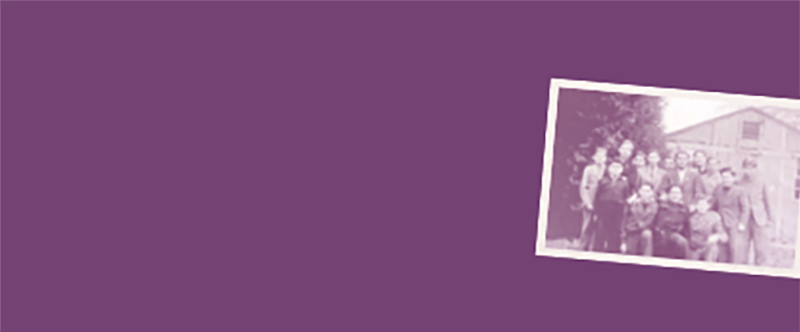 Photos
 News Media & Events
 Publications
 Donate