
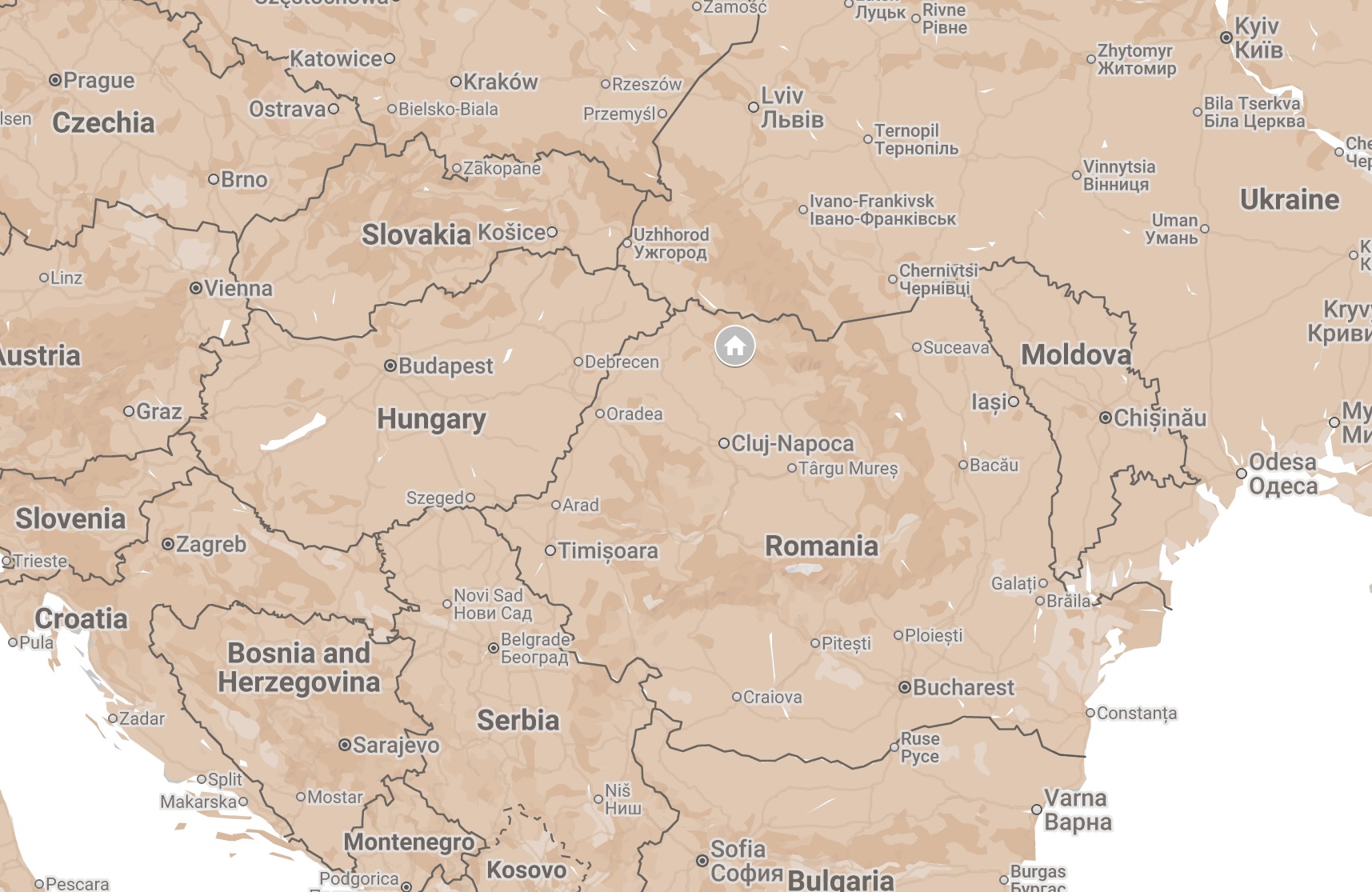
Members of the Boys were born in Maramures County in Romania.
The Boys were teenage and child-Holocaust survivors, who were brought to the UK after the war for rest and rehabilitation.
Members of the Boys were held in Nazi labour and concentration camps and used as slave labourers. They had also survived World War II in hiding or as lone children.
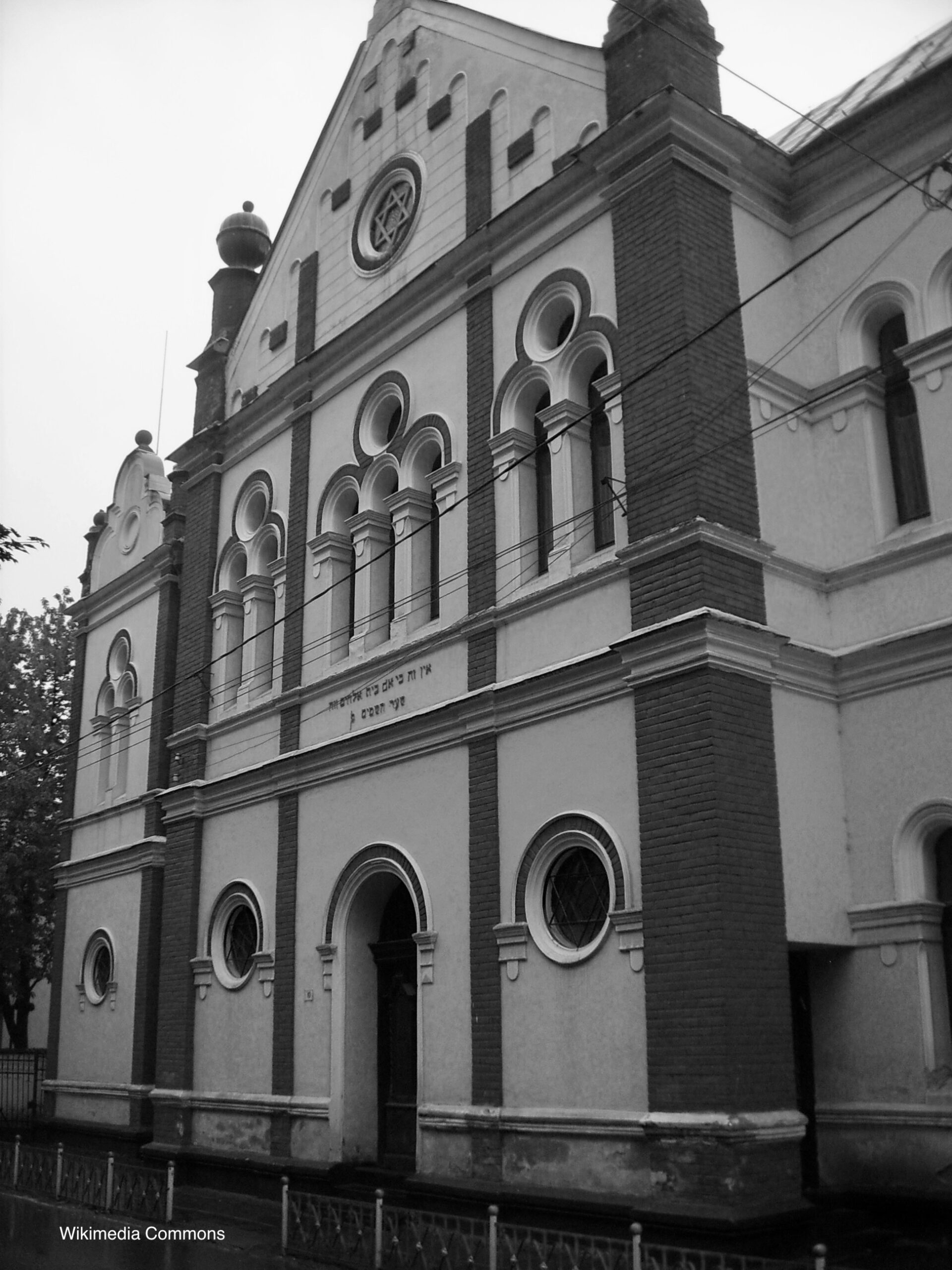
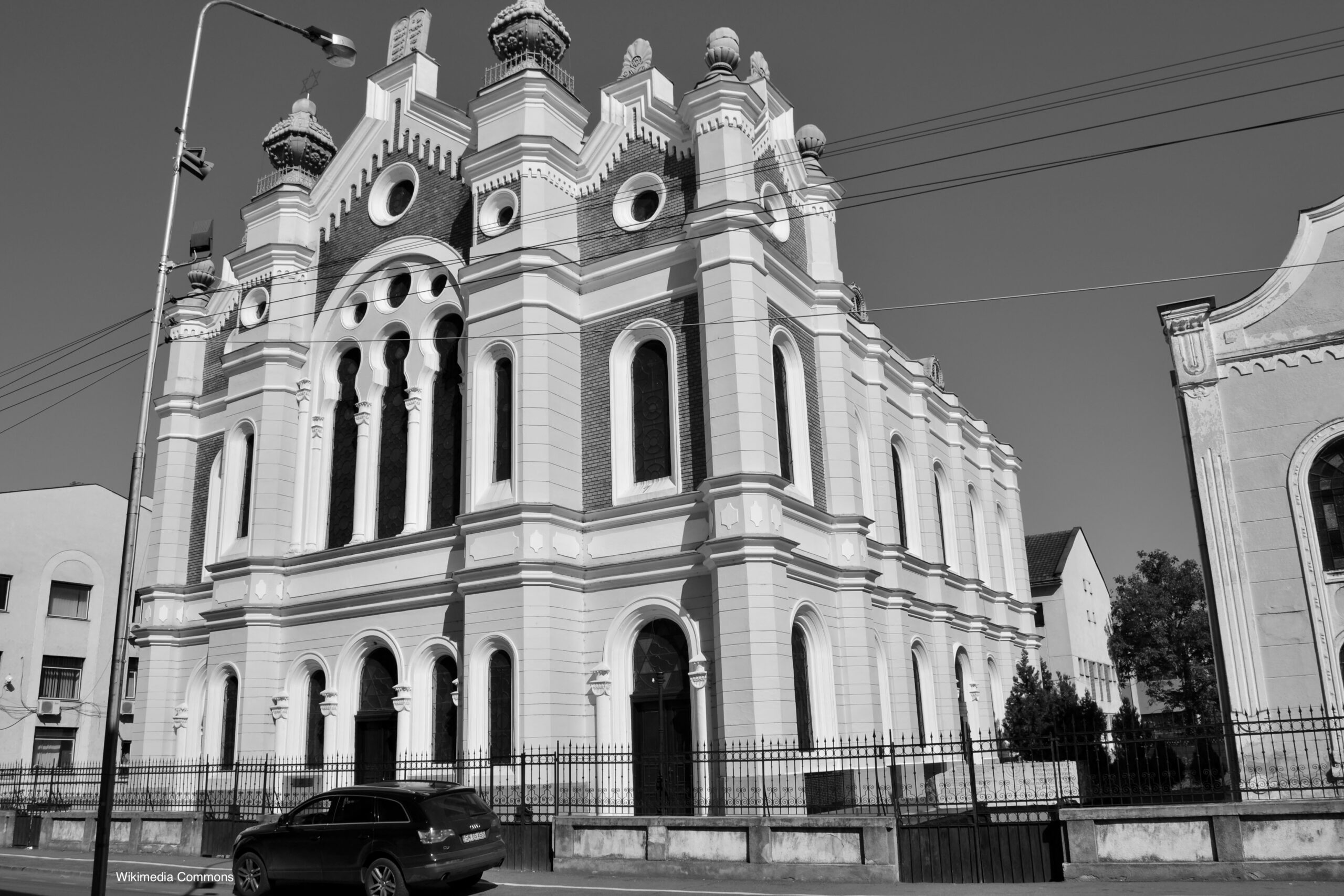
Synagogue in Sighet, Romania.
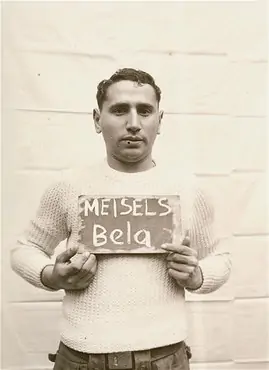
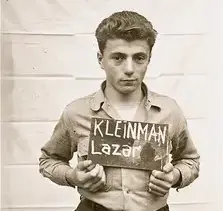
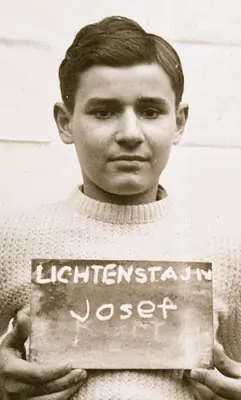
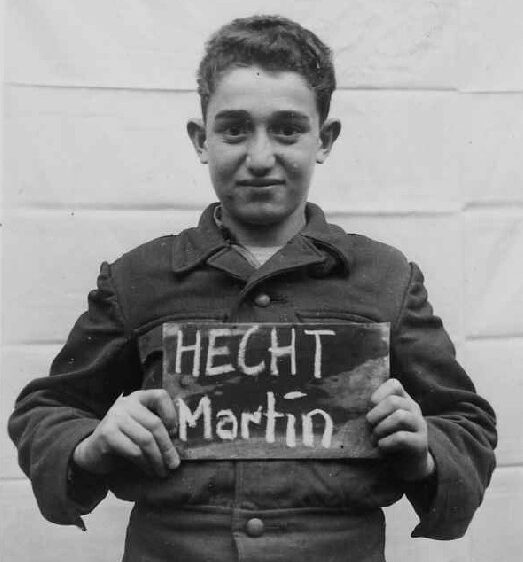
Three of the Boys from Maramures County. There photographs were taken at the Kloster Indersdorf DP camp.
World War II
In August 1940, under the auspices of Nazi Germany, which imposed the Second Vienna Award, the region was transferred back to Hungary with the rest of Northern Transylvania.
Civil and economic rights and of the Jews were restricted as there were across Hungary. Satu-Mare was now known by its Hungarian name of Szatmárnémeti.
In summer 1941, those Jews who could not prove Hungarian nationality were deported to Kamianets-Podilskyi, where they were murdered in a mass shooting.
Deportation
Germany invaded Hungary in March 1944.
On April 26, 1944, the Nazis established ghettoes in Szatmárnémeti and Sighetu Marmației.
In May 1944, 150,000 Jews were deported from the Maramures region to the Auschwitz-Birkenau concentration and extermination camp in Nazi-occupied Poland. 90% of the Jews who lived in the region were murdered in the Holocaust.
Liberation
After World War II, a handful of survivors returned to the region.
In 1947, there were about 7,500 Jews living in Satu-Mare. Many of these Jews were from southern Transylvania and other parts of Romania where the Jewish communities survived almost intact.
Present-day
Today, Jewish life in Maramureș is almost non-existent but many historic buildings remain.
Getting there
There are airports in both Baia Mare and Satu-Mare with direct flights from Bucharest. A direct overnight sleeper train runs daily to Baia Mare and Sighetu Marmației from Bucharest.
Getting around You will need a car to explore the rural areas, A bus runs from Satu-Mare to Sighetu Marmației. Sighetu Marmației is 109km east of Satu Mare.
What to See
Satu-Mare
Ghetto Location
The heart of what was the ghetto is now Strada Martirilor Deportați, known as Báthory Street during the Hungarian occupation.
Memorials
In 2004, a monument was dedicated to the memory of the 18,000 Jews from the town and its surrounding area who were murdered in the Holocaust. On Decebal Street, situated between the Great Orthodox Synagogue and the older Orthodox prayer house, the monument is an eight-tonne block of stone set on a pedestal. There is an earlier monument in the Orthodox cemetery (Strada 9 Mai 1877 1) in the form of a chapel.
Sighetu Marmației
Memorials
At the station on Strada Gării, a plaque commemorates the deportation.
There were just a handful of survivors who returned to Sighet aft er the liberation. They erected a monument to those who had been murdered, on Strada Gheorghe Doja 75 where the town’s largest synagogue once stood.
The town was the childhood home of the 1986 Nobel Peace Prize winner Elie Wiesel, who was in the Auschwitz III concentration camp with members of the Boys. The Elie Wiesel Memorial House (Casa Memorialǎ Elie Wiesel; Str. Tudor Vladimirescu 1; entry fee) is where Wiesel was born in 1928. The small museum is dedicated to the victims of the Holocaust and the Jewish way of life before World War II.

 About
About History
 Education
 Quilts
 FIlms
FIlms Photos
 News Media & Events
 Publications
 Donate