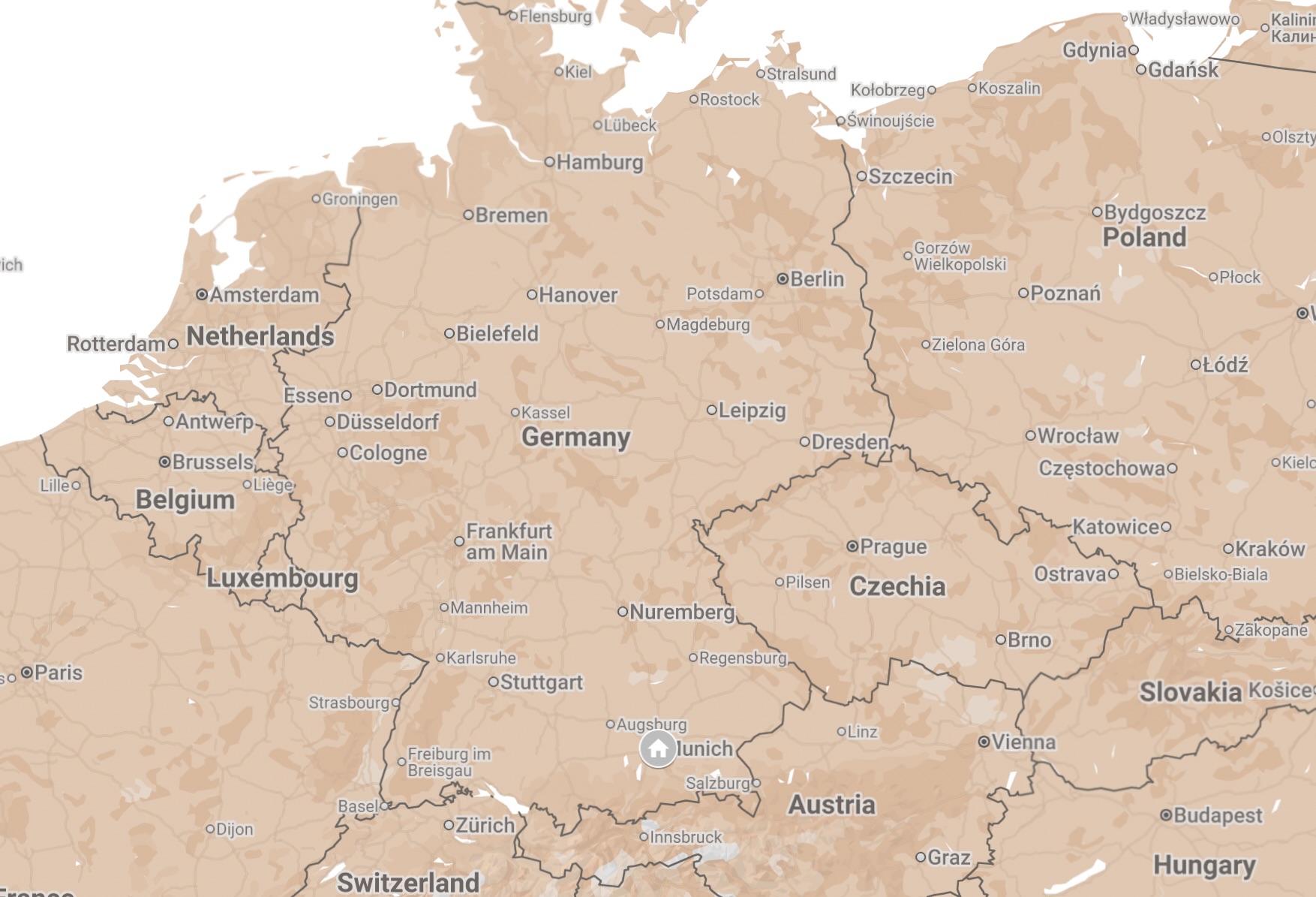
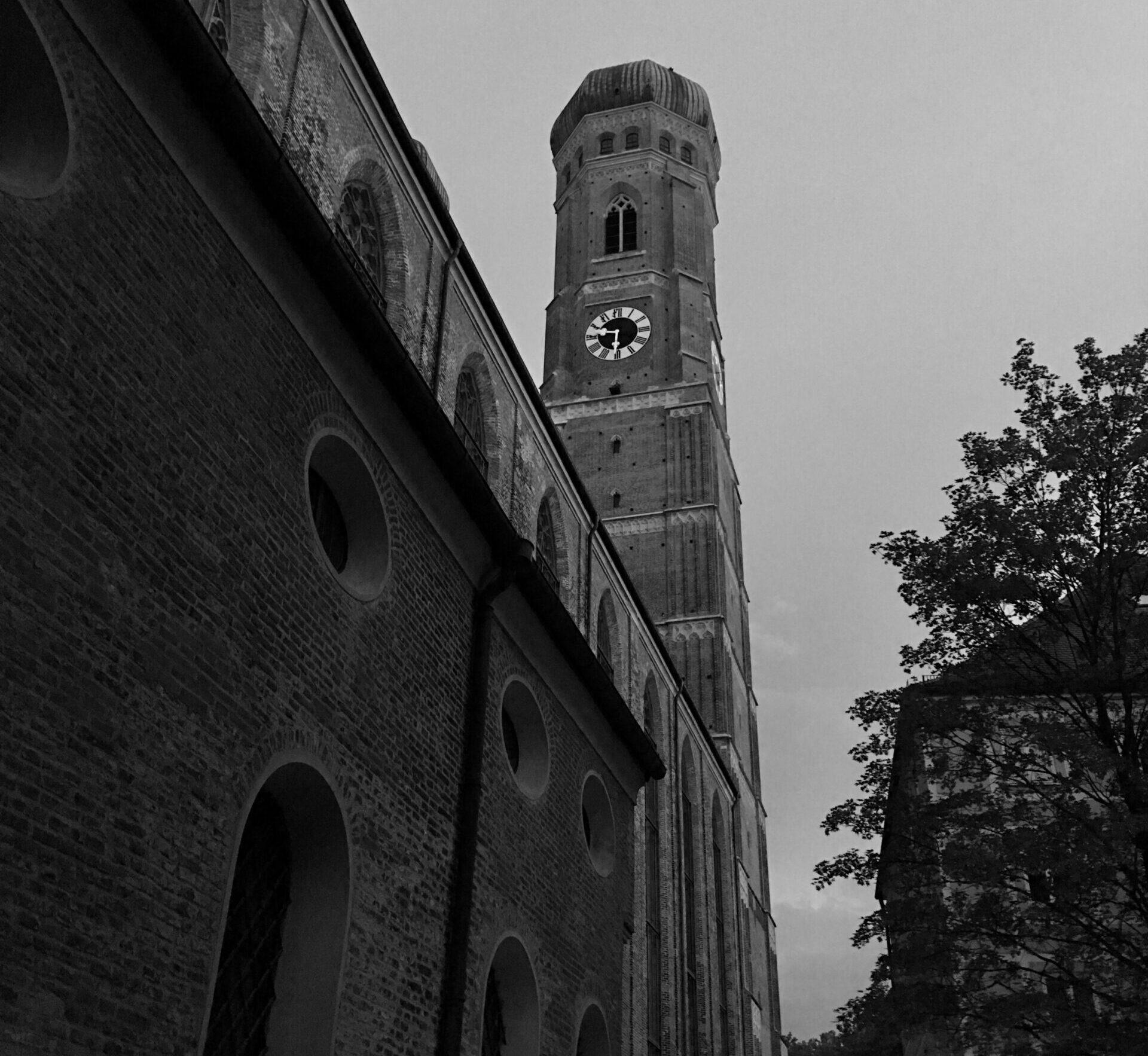
Munich is one of Germany’s finest cities and the capital of Bavaria, one of the country’s most scenic regions. In the wake of Germany’s defeat in World War I, Bavaria was plunged into chaos, communist revolution and political violence. It was the perfect breeding ground for right-wing militia groups.
Although only one of the Boys was born in Munich, the city had an enormous impact on the Boys’ lives as it was the birthplace of the Nazi movement. The region was home to the Dachau concentration camp and its vast complex of subcamps through which many of the Boys passed.
Munich played a vital role in many of the Boys lives after the liberation and part of the second group of the Boys were brought to the UK from the DP camps near Munich.
Interwar Years
The German Workers’ Party, which was renamed the National Socialist German Workers’ Party (NSDAP), was founded in Munich in the 1920s and had its national headquarters in the city until 1945.
After World War I, Adolf Hitler began his political career in Munich. In 1919, he joined the German Workers’ Party and in 1921 was appointed leader of the NSDAP. In 1923, inspired by Mussolini’s March on Rome, Hitler decided to stage a coup d’état, the Beer Hall Putsch, but the plan failed when the army withdrew support. The Nazis then turned to democratic means to gain power.
The former Führerbau, where the 1938 Munich Accords were signed.
Hitler’s trial for his role in the coup which was held in Munich made him famous across Germany. He was sentenced to five years in prison but the right-wing bias of the court meant he served just over a year of his sentence.
Although Munich was the birthplace of the NSDAP, Munich University was the home of a student resistance movement known as the White Rose, which spoke out against the Nazi regime and the persecution of Jews. Its leaders, Hans and Sophie Scholl and Christoph Probst, were executed in Munich’s Stadelheim Prison in 1943.
Before the war the city had a population of 9,000 Jews, 3,500 of whom emigrated before 1939. In 1938, 1,000 Jewish men were imprisoned in the Dachau concentration camp.
By 1933, 9,000 Jews lived in Munich, amounting to 1.2% of the population. Between 1933 and 1938, 3,574 Jews left the city.
Deportations
In November 1941, 980 Munich Jews were deported to Riga and in April 1942, 343 were deported to the Piaski Ghetto in the Lublin district. Between May and August 1942, 1,000 Jews were deported from Munich to the Theresienstadt Ghetto.
Aftermath
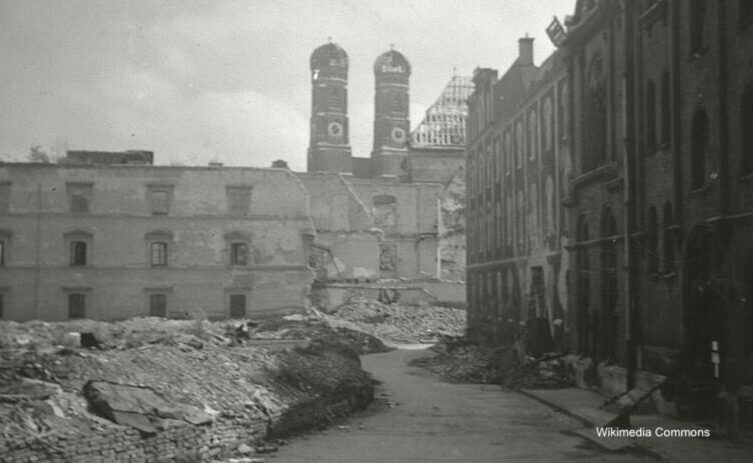
The destroyed Munich Synagogue 1945
Munich played an important part in the immediate post-Holocaust story of many of the survivors liberated in Dachau and its subcamps and of the thousands who arrived in the city by train, fleeing from eastern Europe.
Present-day
Munich has a vibrant, growing Jewish community of approximately 9,000 people, the second largest in Germany. The community is predominantly Orthodox and was revitalised by immigration from the former Soviet Union after 1990.
Getting there
Munich is a major hub for international flights. It is 4 hours by train from Berlin.
Getting around
The city centre can be explored on foot. There is a large car park near the Jüdisches Zentrum Jakobsplatz.
To see the former Dachau concentration camp, take the S-Bahn 2 from Munich’s main railway station (München Hauptbahnhof). The journey takes about 25 minutes. On arrival in Dachau, take bus 726 or walk to the site. Parking on site is cash only.
The S-Bahn 2 continues on to Kloster Indersdorf.
To visit Feldafing, take the S-Bahn 6. For Sankt Ottilien take the S-Bahn 4 to Geltendorf.
Trains also run from Munich to Landsberg am Lech, if you want to visit the former Kaufering camp complex
Jewish Community
Jewish Centre (St.-Jakobs-Platz) A architectural ensemble in the city centre. It is home to:
Ohel Jakob Synagogue A stunning, modern, cubic synagogue with a glass roof, which is Munich’s main synagogue. The original synagogue was destroyed on Kristallnacht.
Jewish Museum Munich (Jüdisches Museum München) Located next to the synagogue, it covers Jewish history, culture, and art with a focus on local Munich history.
Einstein The city’s primary glatt-kosher restaurant is part of the complex.
Chabad Lubawitsch Munich is locayed Prinzregentenstraße 91
Museums
The Munich Documentation Centre for the History of National Socialism (NS-Dokumentationszentrum München; Max-Mannheimer-Platz 1; w nsdoku.de; free) This six-storey modern cube, stands on the site of the former Brown House (Braunes Haus), formerly the Palais Barlow, which was the Nazi Party headquarters. The centre, which opened in 2015, has an excellent permanent exhibition on the history of National Socialism. The website has a useful downloadable Nazi history trail. The museum is next the former Führerbau, where the 1938 Munich Accords were signed. The grand Classicist ambience of Königsplatz made the square the ideal backdrop for staging Nazi spectacles.
Memorials
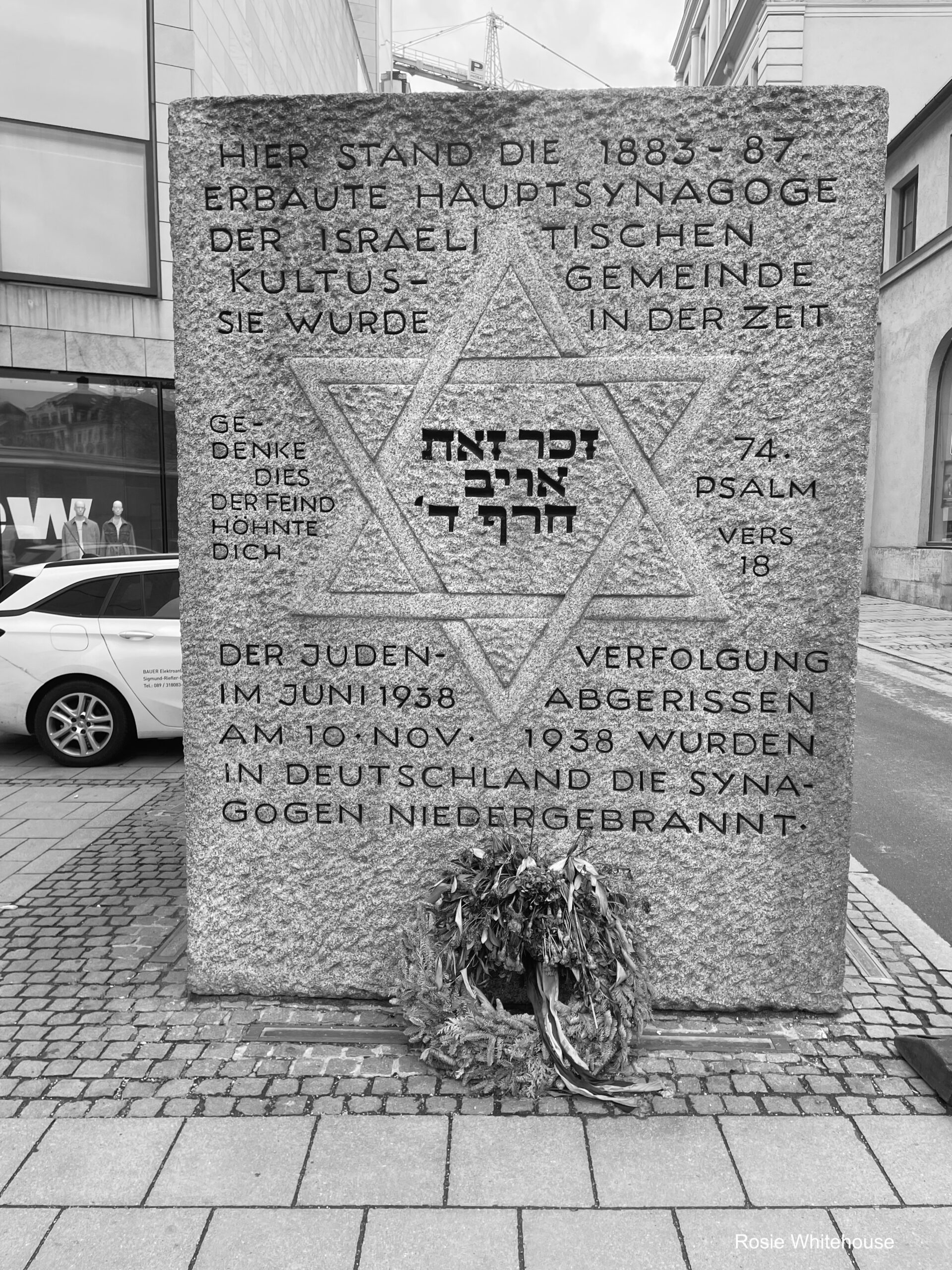
Old Synagogue Memorial (Herzog-Max-Strasse 4) The memorial marks the site of the synagogue destroyed in 1938.
Kristallnacht Memorial Plaque (Marienplatz, southern side of the Old Town Hall (Altes Rathaus)) It was in the heart of Munich, in the Old Rathaus ballroom the Nazi propaganda minister Josef Goebbels initiated the pre-planned Kristallnacht pogrom on 9 November 1938. A commemoration takes place here each year on the anniversary.
Deportation Memorial (Neues Rathaus in the entrance under the clock tower on the stairs leading up to the first floor, on the right through the glass doors) A plaque remembers the Jews deported on the first deportation train to Kaunas in Lithuania in November 1941. They were all shot on arrival.
Transit Camp Memorial (North of the Olympic Park, on Troppauerstrasse in Milbertshofen) The former site of the labour and transit camp for Jews is marked by a memorial.
Cemeteries
Old Jewish Cemetery (Alter Israelitischer Friedhof, Thalkirchner Strasse 240) The cemetery was opened in 1816 and served the community until 1907. It contains approximately 5,000–6,000 preserved graves, including a 2008 memorial for Holocaust victims. Access is restricted to guided tours, as it is no longer used for active burials.
New Jewish Cemetery (Neuer Israelitischer Friedhof, Garchinger Str. 37).
Other sites
Deutsches Museum ( Museumsinsel 1) The museum was the beating heart of post-war Jewish Munich. The US Army chaplain Rabbi Abraham Klausner, who had drawn up a list of 25,000 survivors known as the Sharit Ha-Platah, set up an information office in the building, which buzzed with people searching for relatives. Survivors wrote their names on the wall and where they intended to go next. Sadly there is no record of these momentous events but it well worth visiting the museum and using you imagination.
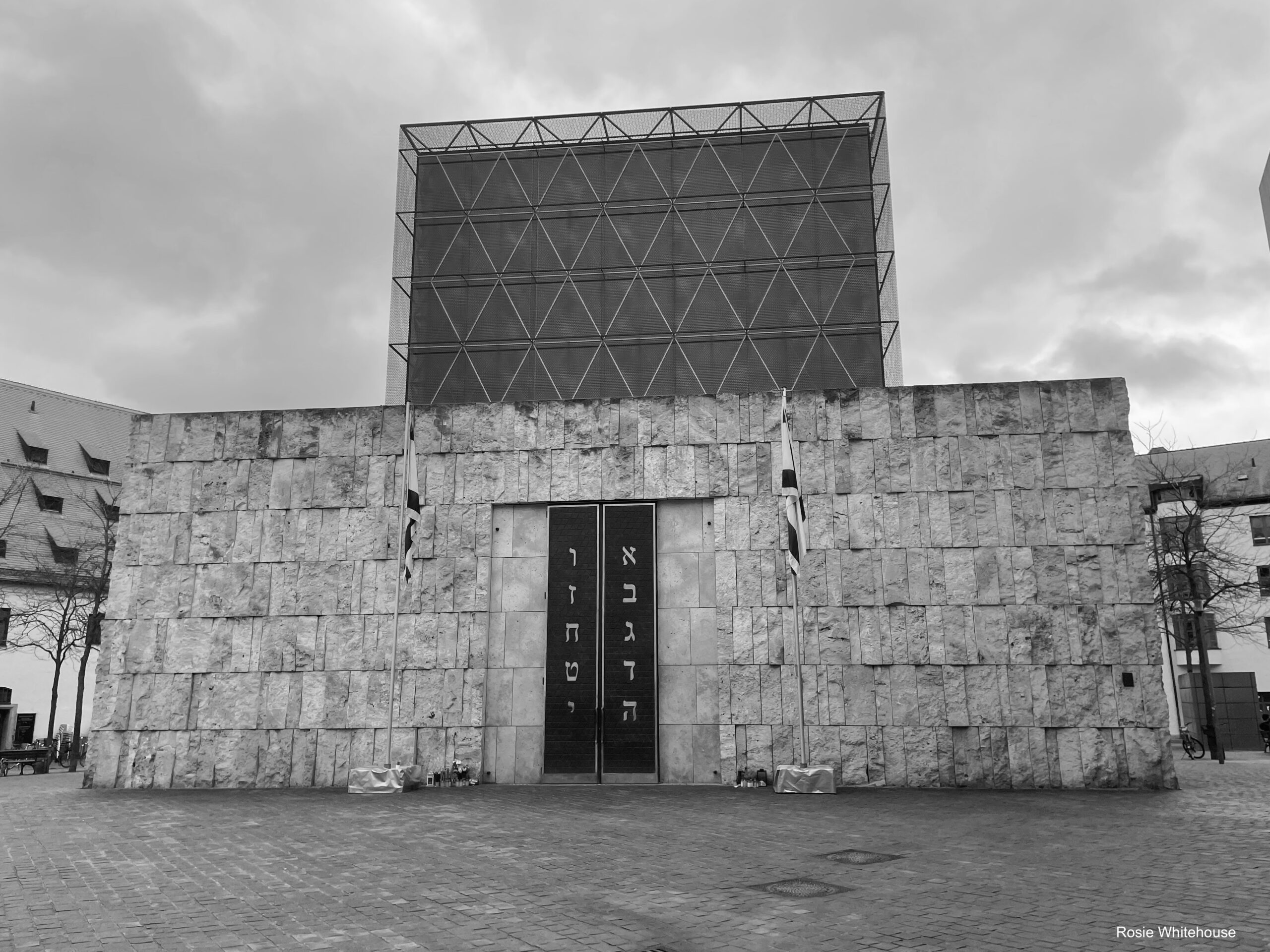
Dachau Memorial Site (Gedenkstätte Dachau; Alte Römerstrasse 75; w kz-gedenkataette-dachau; free). Dachau, one of the most notorious Nazi concentration camps, played a major role in many of the Boys’ lives. It is just 20km north of Munich.
To find out more about the Dachau concentration camp and its subcamps: click here.
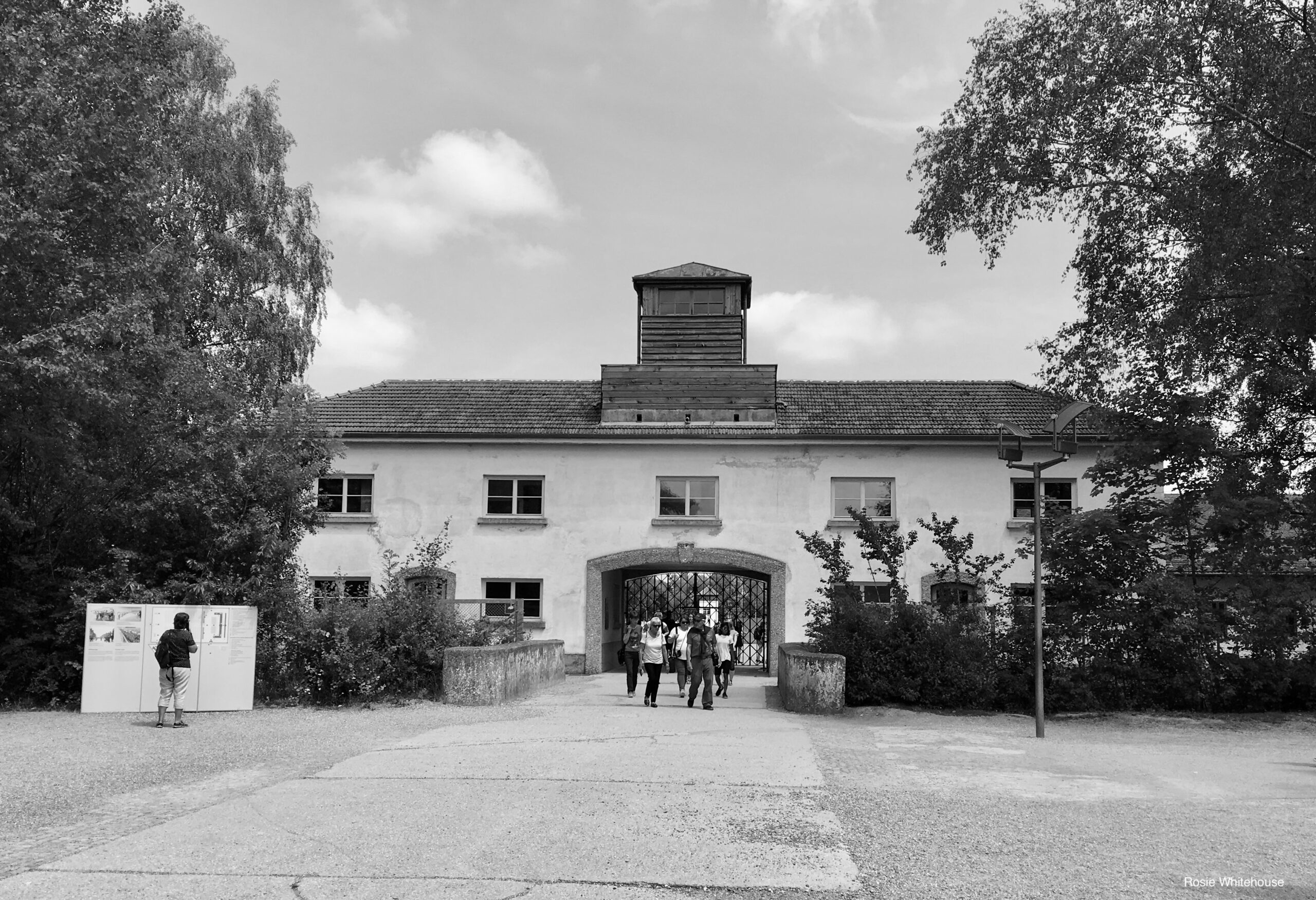
The gatehouse of the former Dachau concentration camp.
What to see
The original complex was a vast site with massive warehouses and storerooms, much of which is not accessible to the public. The memorial website has a selection of audio guides and is worth looking at before your visit.
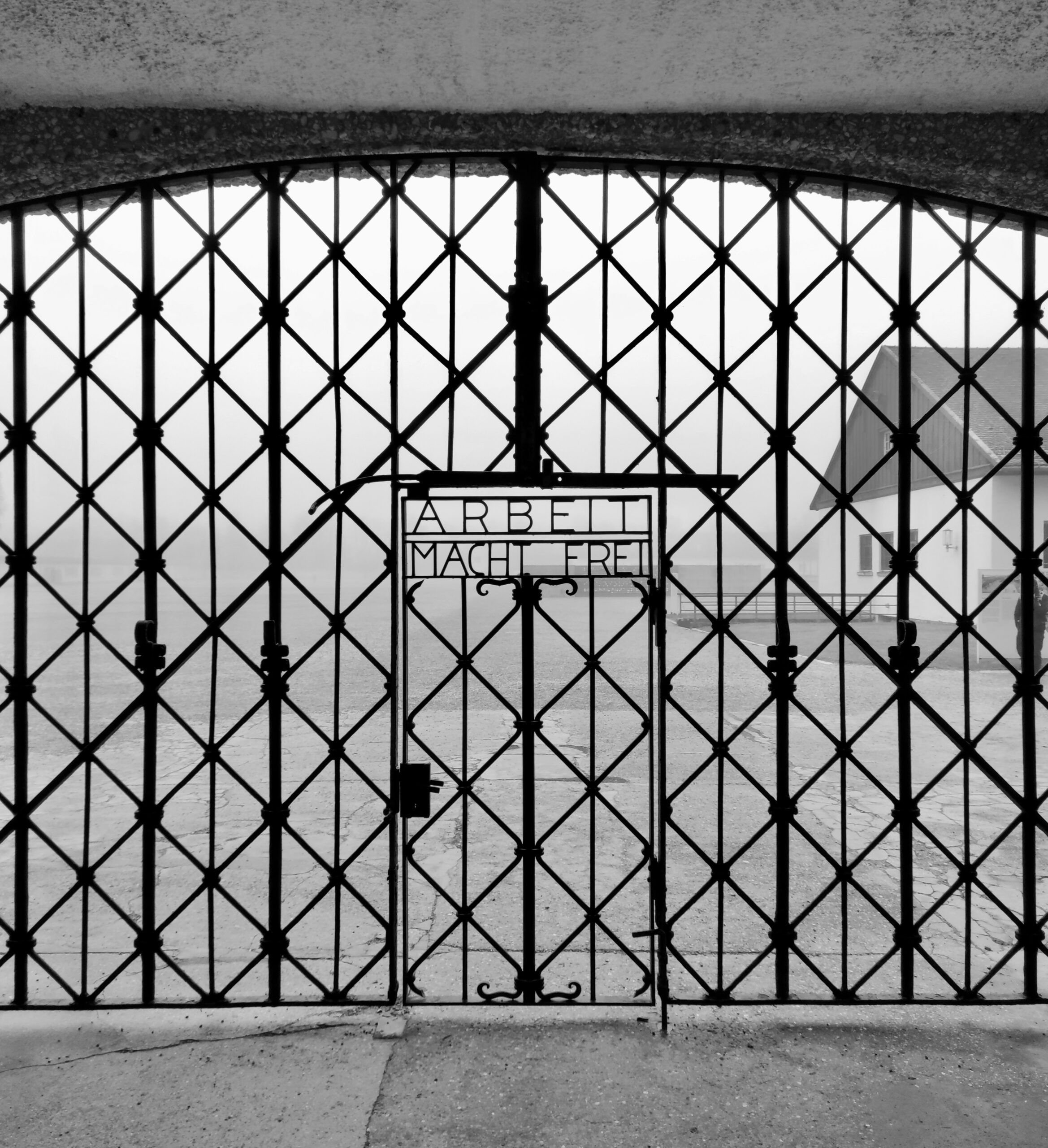
Tourists enter through a small gateway in the larger main gate, in which, worked into the metal, are the infamous words Arbeit Macht Frei, Work Sets You Free. The gate leads into the roll call area where prisoners were counted and made to stand for hours in terrible conditions. Many of the prisoners brought to Dachau on the death marches died on the square.
Much of the original camp still stands and two barracks have been restored to their wartime condition. The main exhibition housed in the camp’s farm buildings, laundry and supply rooms is extensive. It documents the history of the camp, the rise of the Nazis and the ‘Final Solution’. Visitors can also see the crematoria, the gallows and gas chamber (built in 1942 but never used for mass murder), and the necropolis.
Outside the parameters of the memorial there are a number of other sites including the mass graves and the Death March memorial on the junction of Theodor-Heuss and Sudetenland streets.
Kloster Indersdorf Covent
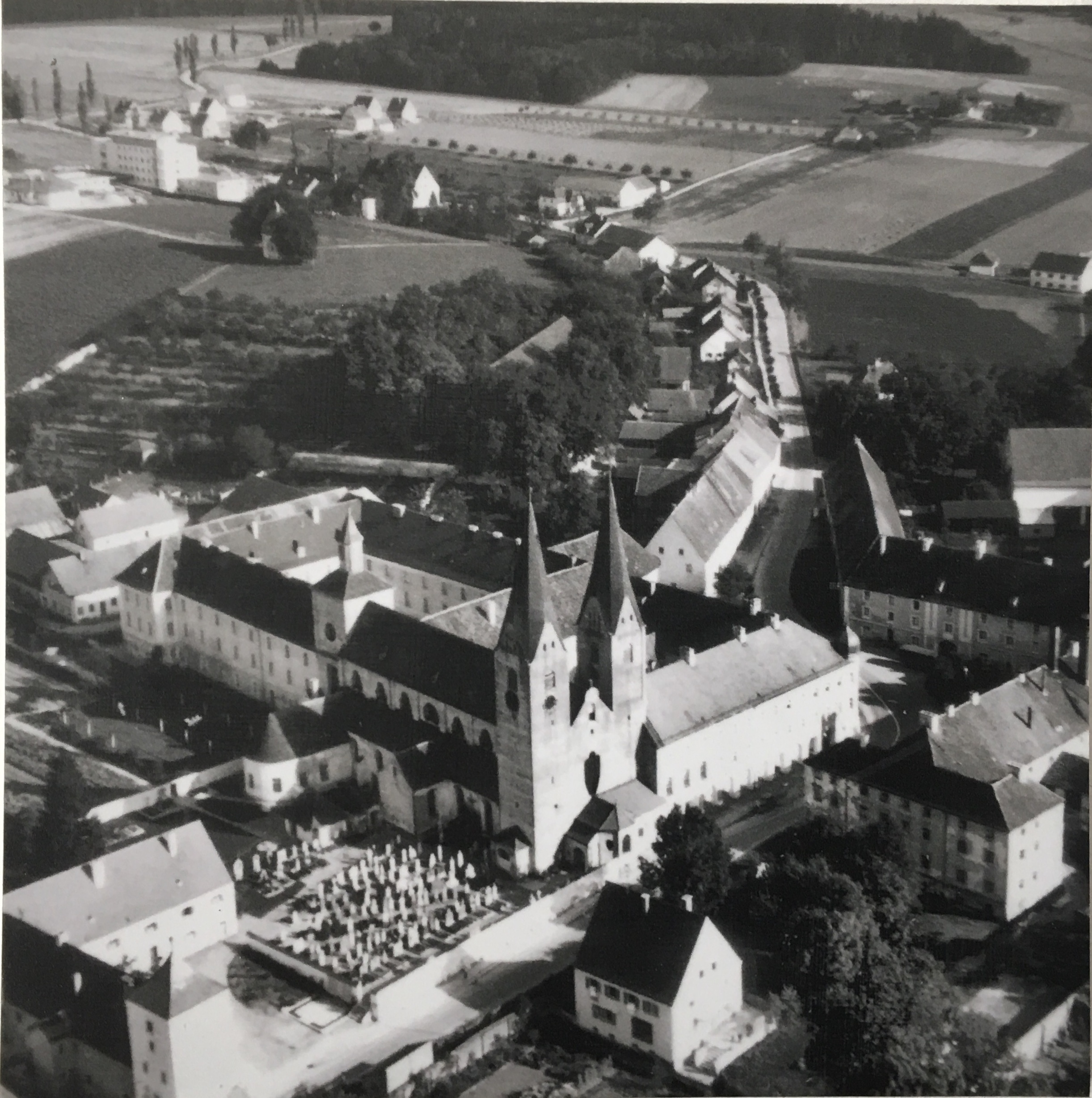
Ariel view of Kloster Indersdorf c 1945.
Kloster Indersdorf
The children’s home was located in the town of Markt Indersdorf, 15km north of Dachau. The convent played a remarkable role in the rehabilitation of the Boys after the liberation.
To find out more about the Kloster Indersdorf DP camp click here.
There is a small exhibition at the convent, the Augustiner Chorherren Museum (Marienplatz 1; entry fee). The final room in the museum tells the children’s story and displays copies of the photographs, which can also be seen here.
Feldafing
On the northwest shore of Lake Starnberg (Starnberger See), 36km southwest of Munich, Feldafing is an extraordinarily important place in Jewish history which has been virtually forgotten.
After the war, a former Nazi school here became the first displaced persons camp that was exclusively Jewish.
To find out more click here.
Feldafing DP Camp played an important role in the lives of many of the Boys after the liberation.
Although there is nothing to see at the camp today, the lake is a beautiful place to contemplate this important piece of history.
Föhernwald DP Camp
Erinnerungsort BADEHAUS (Bathhouse Remembrance Site, Kolpingplatz 1), which is located in what was formerly the Föhrenwald camp and is now the town of Waldram (part of Wolfratshausen) is dedicated to the former DP camp.
For more information on the DP camp click here.
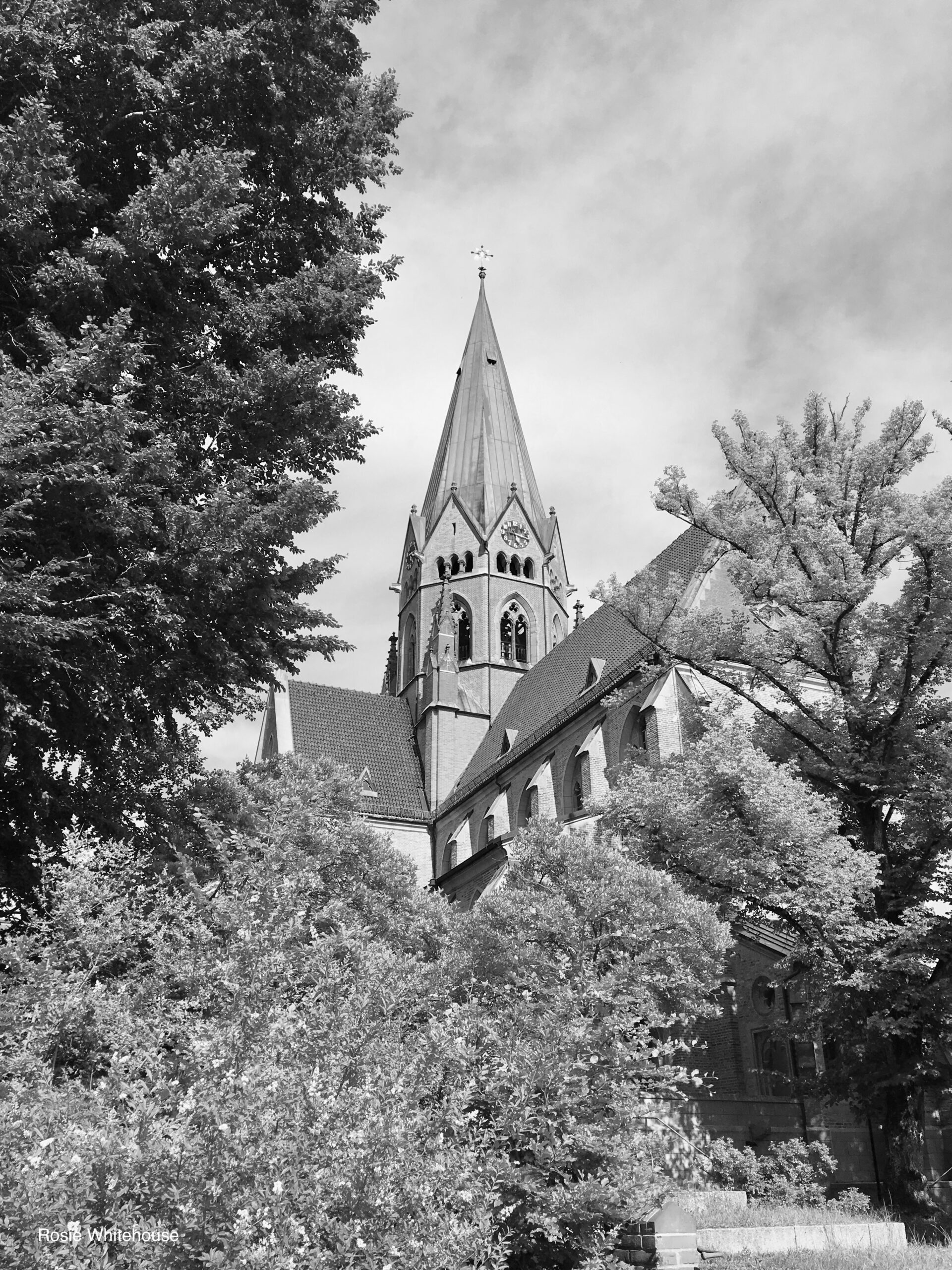
St Otillien Monastery, Bavaria.
St Otillien Monastery (Erzabtei Sankt Ottilien; Erzabtei 1, Eresing; w dphospital-ottilien.org; free) This large baroque monastery is surrounded by lush farming land 45km west of Munich. The monastery was the unlikely setting for a Jewish cultural and nationalist revival after the Holocaust.
It was both a hospital and maternity home. It played a role in the lives of some of the Boys. To find out more click here.
There is a small exhibition and plaques across the site. There is also a restaurant and bierkeller.
The Kaufering Camp Complex
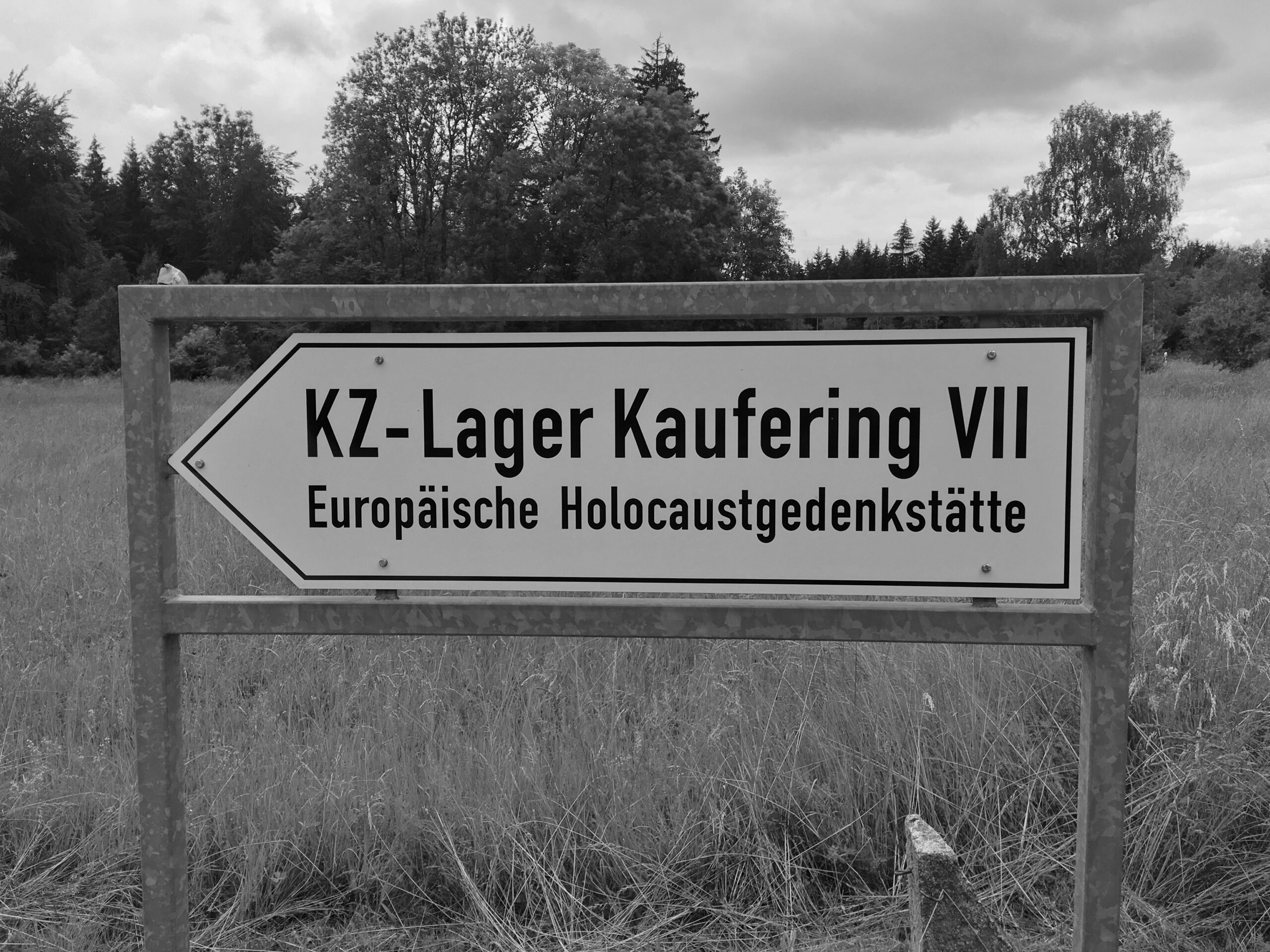
The camp was near Landsberg am Lech, 19km southwest of St Ottilien. Landsberg am Lech was where Hitler started to write Mein Kampf while imprisoned after the failed Munich Putsch of 1923.
European Holocaust Memorial (Europäische Holocaustgedenkstätte; Erpftingerstrasse; w kaufering-memorial.de/en; ( by appt, ask in the tourist office in Landsberg for details;) The organisation owns part of the former Kaufering concentration camp. The site, which has extensive information boards, can also be seen from the perimeter fence.
Landsberg was also the site of another exclusively Jewish displaced persons camp where some members of the Boys spent time. For more about the camp click here.
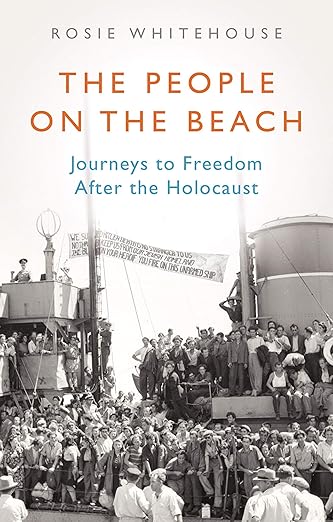
The People on the Beach: Journeys to Freedom after the Holocaust (Hurst, 2020) Rosie Whitehouse Discover the story of post-war Munich and the key part it played in the lives of the Boys. To read more click here.
A Rage to Live (Create Space, 2018) Anna Andlauer tells the story of the children cared for in the Kloster Indersdorf DP camp, among them members of the Boys. To read more click here.
 About
About History
 Education
 Quilts
 FIlms
FIlms Photos
 News Media & Events
 Publications
 Donate