Members of the Boys were born in Greater Poland Voivodeship in Poland.
The Boys were teenage and child-Holocaust survivors, who were brought to the UK after the war for rest and rehabilitation.
Members of the Boys were held in Nazi labour and concentration camps and used as slave labourers. They had also survived World War II in hiding or as lone children.
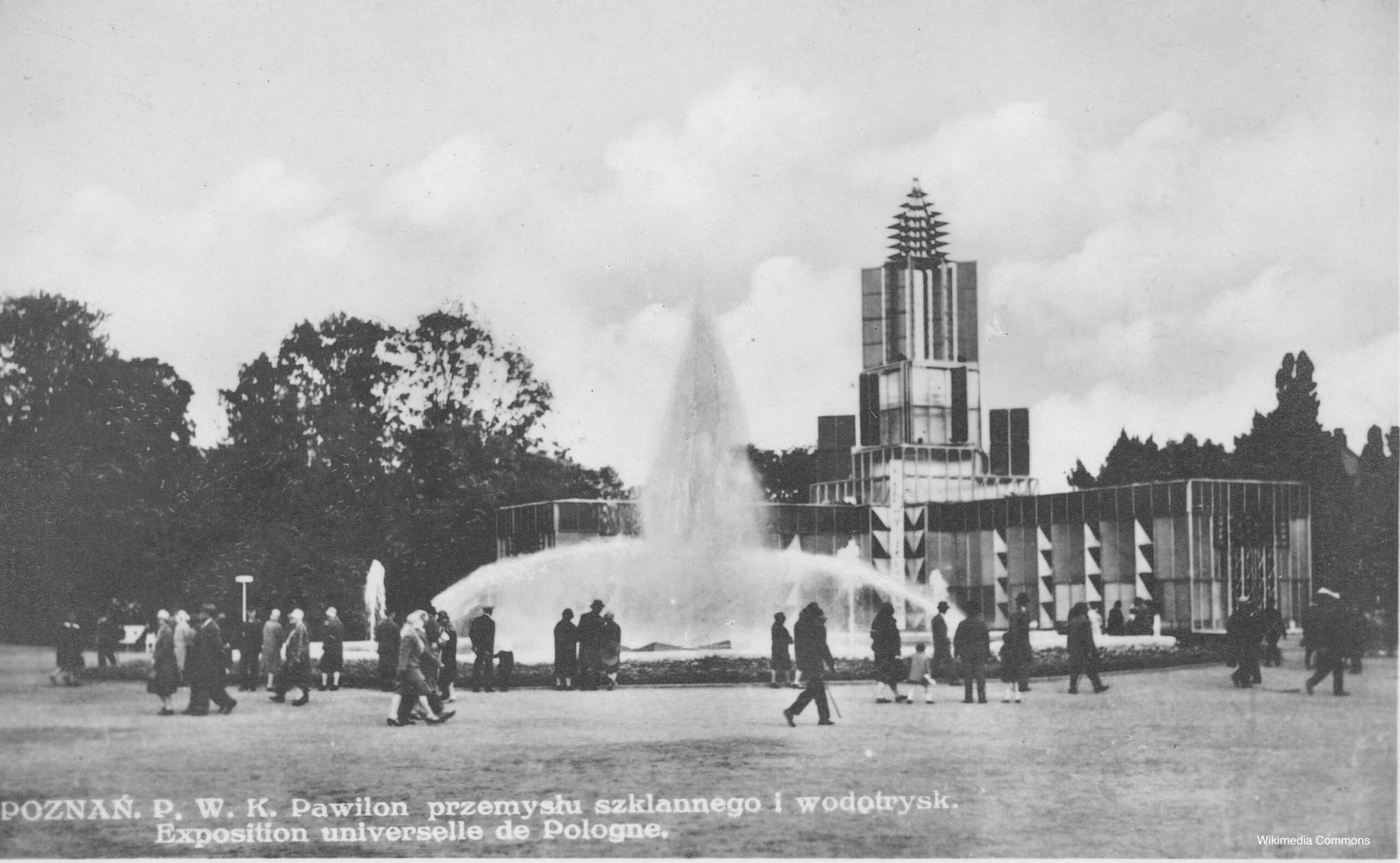
Poznań, Poland, 1929.
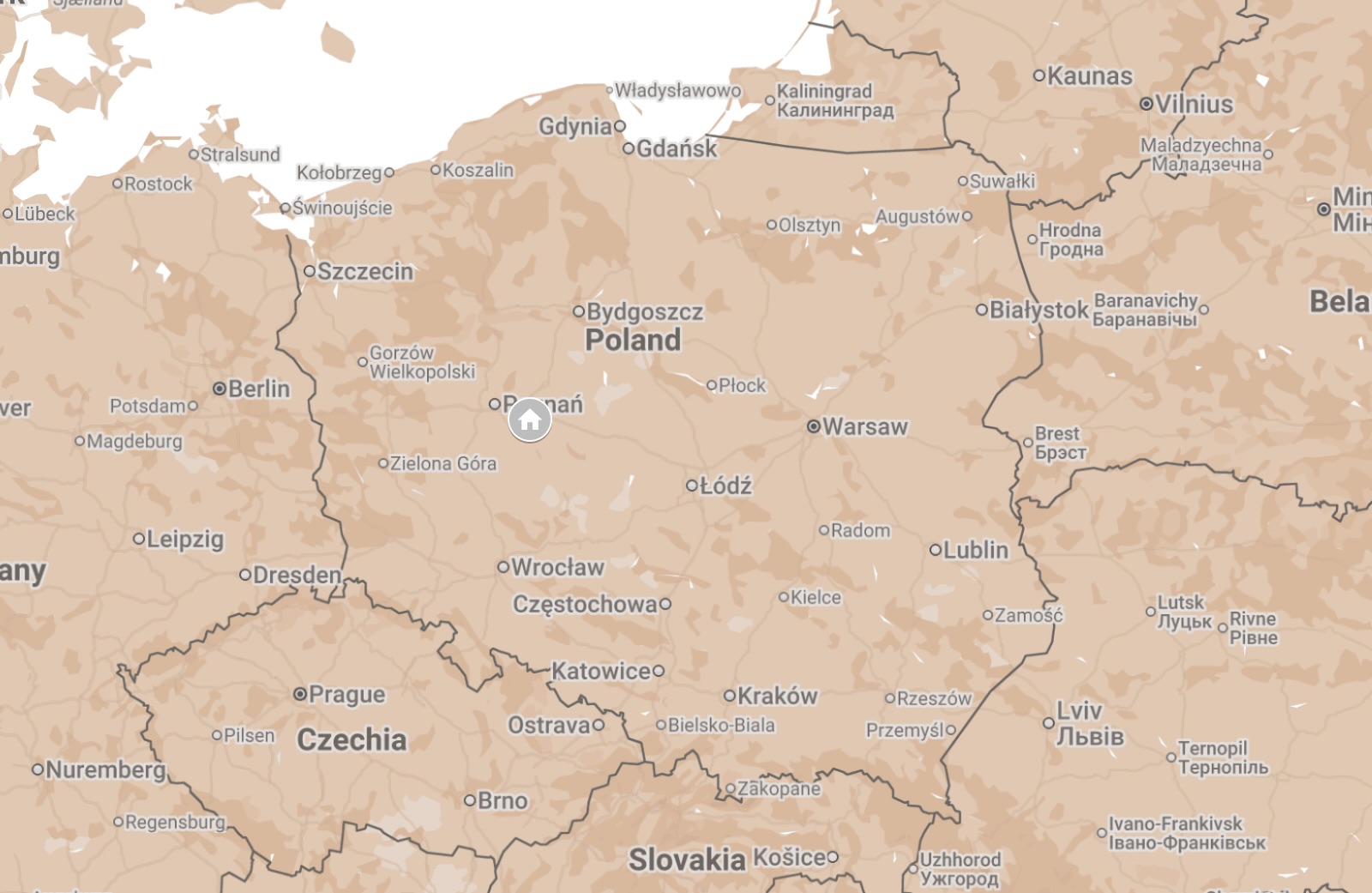
Greater Poland Voivodeship is in the western part of Poland roughly halfway between Warsaw and Berlin. Its principal city is Poznań.
Background
Greater Poland Voivodeship had a significant Jewish community dating back to at least the mid-13th century. By the 19th century, the Jewish population represented a notable portion of the overall population in the Poznań region. This community played a role in the city’s development, including contributions to its cultural and political life.
The Jewish population stood around 3,000 in the early 17th century when racial tensions reached their peak with the infamous 1736 trial of Rabbi Yossef, who was accused of ritual slaughter and publicly burnt at the stake.
In the 19th century Poznań County was part of Prussia and was given to the newly created state of Poland after World War I.
The Boys from the region came from Grudziadz, Konin, Poznań and Suchy.
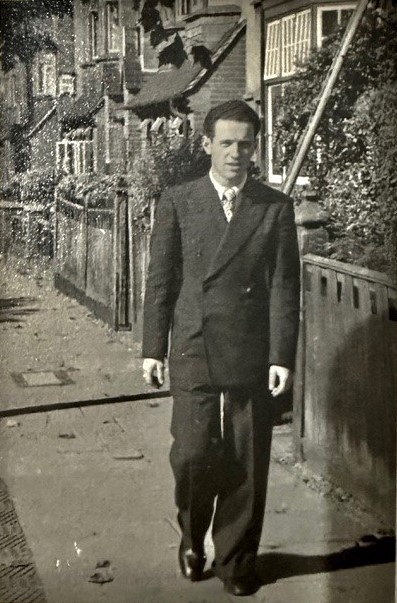
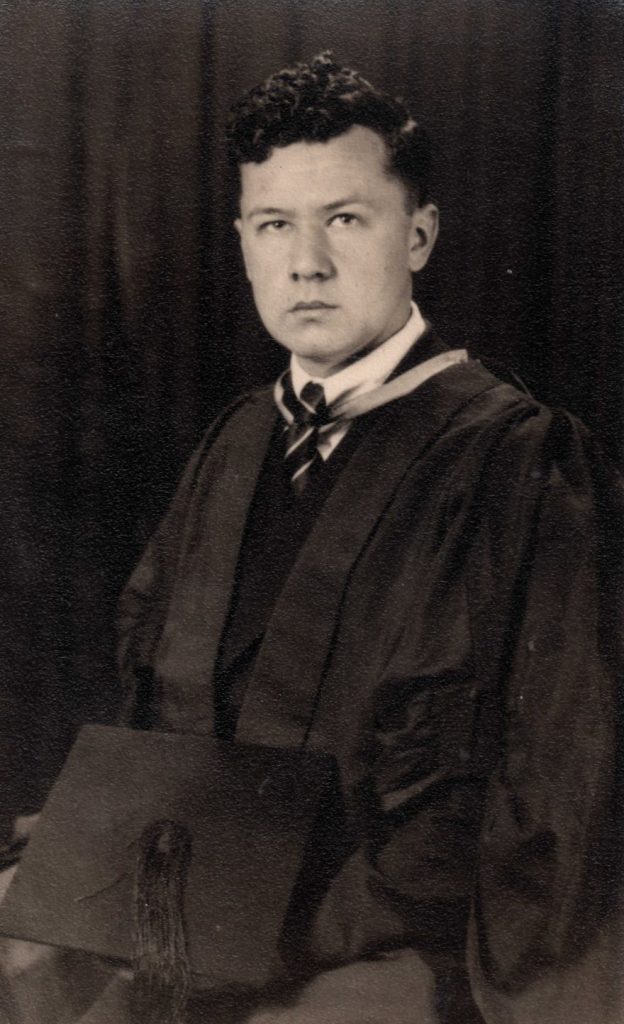
Two of the Boys from the Greater Poland Voivodeship. These pictures were all taken after World War II.
World War II
Greater Poland Voivodeship was invaded by Germany on 10 September 1939. On 8 October 1939, Poznań was annexed by Germany, and was included into a newly formed province called initially Reichsgau Posen, and later Reichsgau Wartheland.
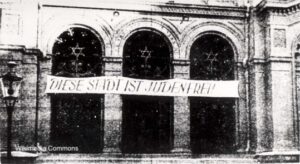
Bydgoszcz Synagogue, September 1939. The banner reads: “This city is free of Jews”.
After the outbreak of World War II, part of the Jewish community fled Poznań. In December 1939, the German campaign to make the area Judenrein (empty of Jews) led to the deportation of the Jews of Poznań. The remaining Jews were sent to labour camps from September 1939 to August 1943.
As the Soviet Red Army advanced into Poland in January 1945, Poznań was declared a Festung, meaning that it was to be defended at all costs. The battle left over 55% of the city destroyed, including over 90% of the Old Town.
Present-day
There are few Jews in the region today.
Getting there Poznań is easily accessible by air, bus and rail.
Getting around It is possible to explore the region by public transport but it helps to have your own car.
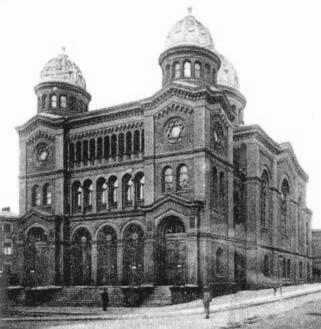
Bydgoszcz Synagogue 1920
Grudziadz The only trace of the Jewish community in Grudziadz, the birthplace of Nathan Wald, is the small Jewish cemetery on Cmentarna ul.
Konin The Jewish community in Konin, the home of Issy Hahn, was almost entirely destroyed. The former synagogue, which was used as a stable and warehouse during the war, has been is restored as a cultural space.
An online archive Akcja Konin (w akcjakonin.pl) has a useful to map.
Poznań New Synagogue (Stawna 10) Built in the early 20th century, the building was converted into a swimming pool by the Nazis. It remains in a state of disrepair. Poznań was the hometown of Jerzy Herszberg.
Suchy The village is located just north of Poznań. There are no traces of Jewish life. Suchy was the hometown of Elias Schoenberger.
 About
About History
 Education
 Quilts
 FIlms
FIlms Photos
 News Media & Events
 Publications
 Donate