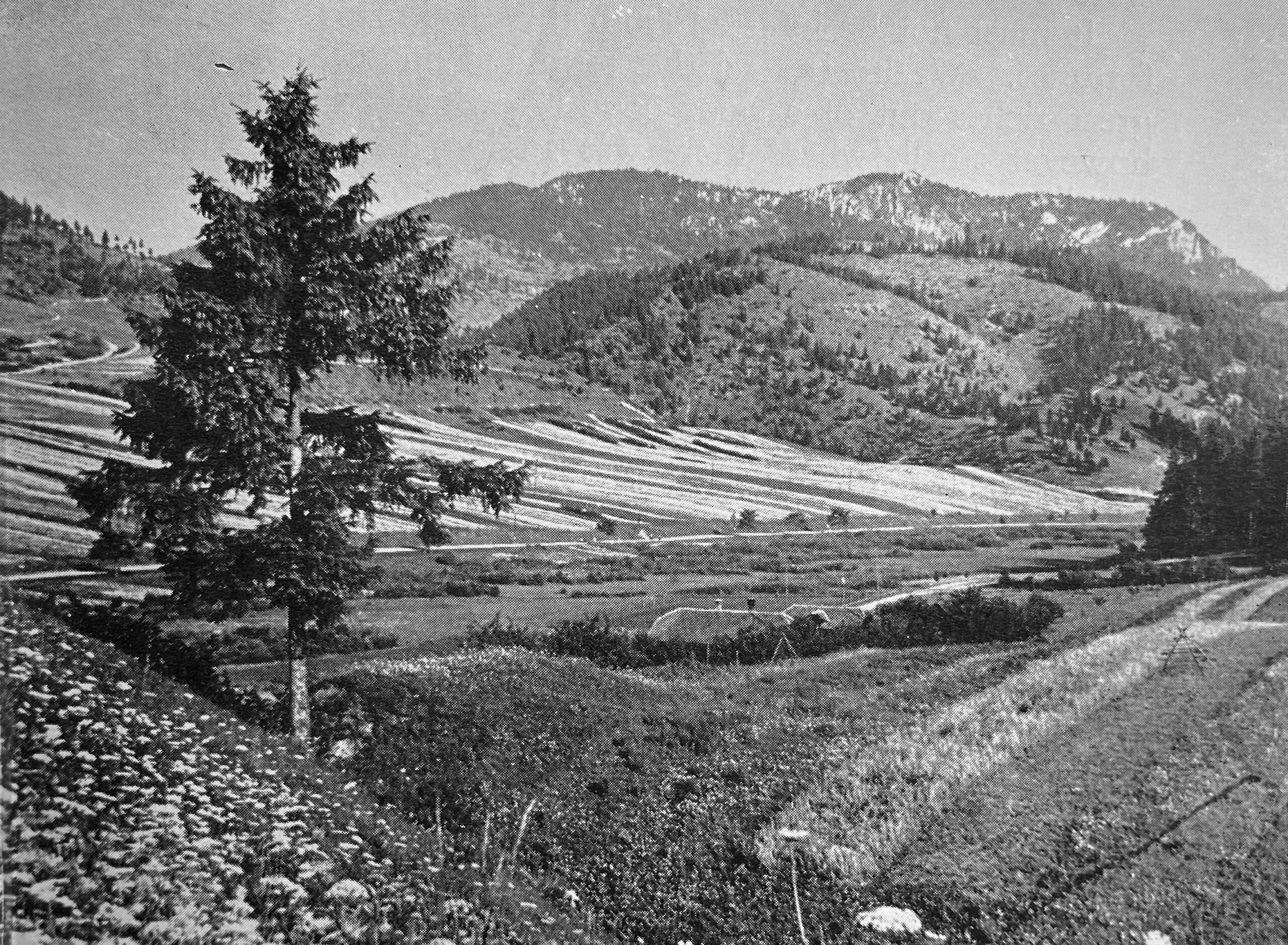
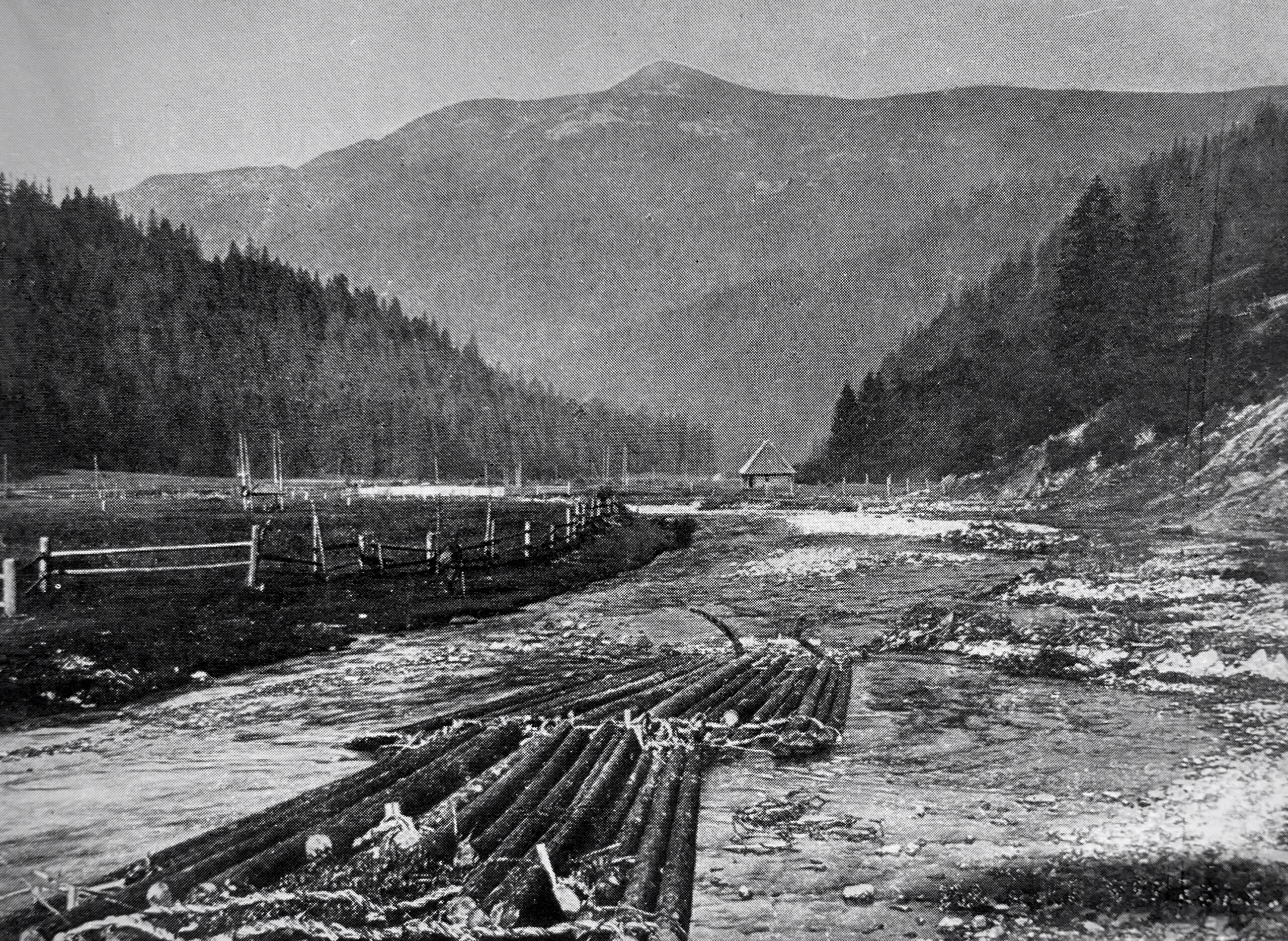
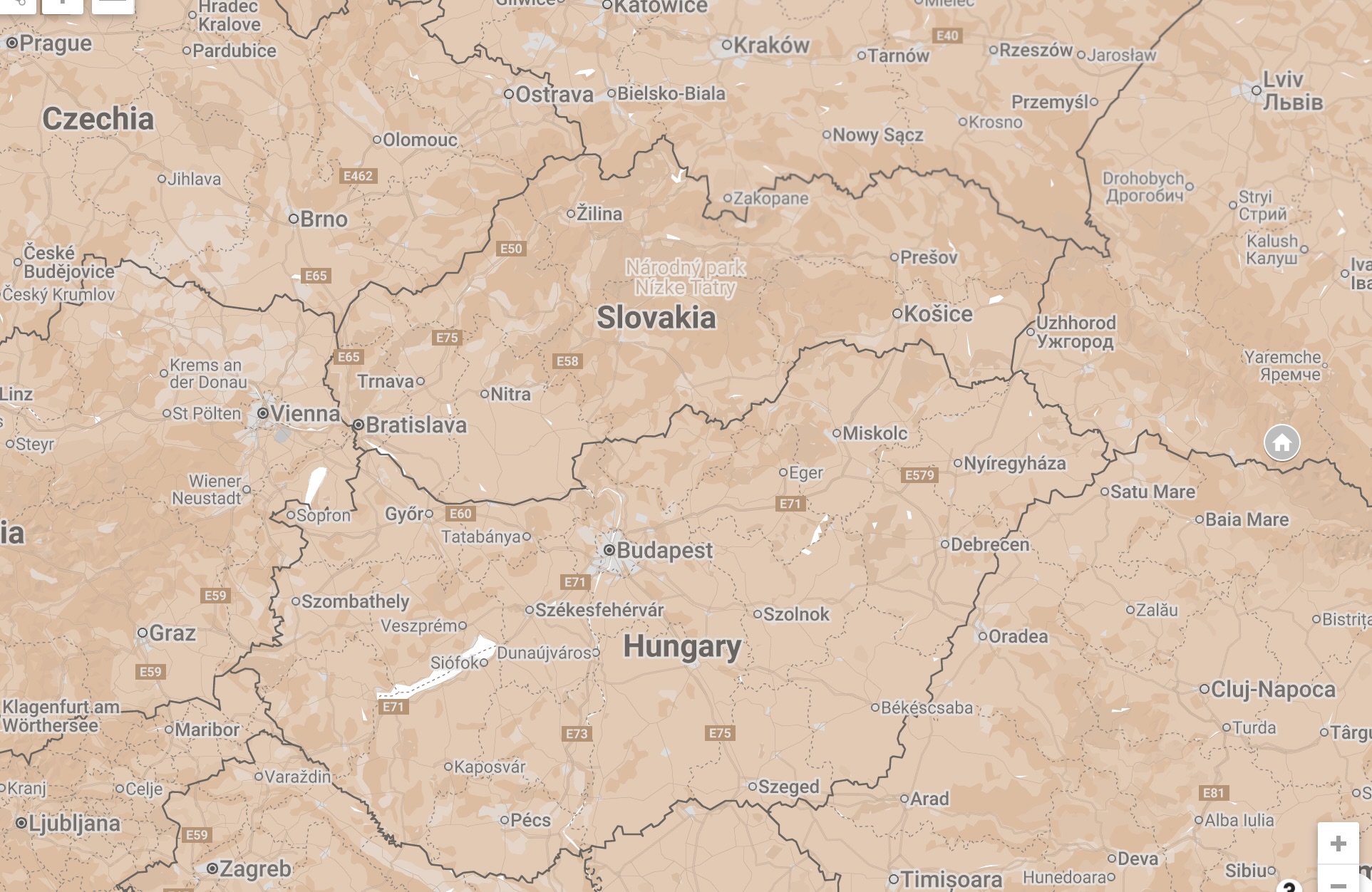
Rachiv was in the most easterly part of Czechoslovakia in the inter-war period. Today, it is part of western Ukraine and is located close to the Romanian border.
Until the end of World War I, Rachiv was part of the Austro-Hungarian Empire. During the period between the two World Wars it was incorporated into the state of Czechoslovakia. In the course of World War II it was occupied by Hungary. At the end of the war it became part of the U.S.S.R.
Pre-war
Jews settled in Rachiv in the 1860s but had lived for far longer in the surrounding villages.
As in many towns and cities in the Carpathians Jews predominated in Rachiv’s commercial life. The town had a multi-ethnic population made up of Ruthenians, Hungarians, Schwarbs and Jews.
Jews were active in local politics and the town had Jewish doctors, lawyers and dentists. In the interwar period both Zionist and religious political parties, primarily Agudas Israel, were active in the town and a number of Rachiv’s Jews emigrated to Palestine but many who hoped to do so were prevented by the introduction of the British 1939 White Paper that restricted Jewish immigration into the Palestine Mandate, which was then part of the British Empire.
In 1941 the population of Rachiv was 12,455 of which 1,707 were Jewish.
Occupation
Following the Hungarian occupation in 1938, the town became known as Rahö. Some of the town’s Jews fled into the Soviet Union. Some were the first to join the Czechoslovak brigade that fought against the Nazis on the eastern front in 1941 but others were arrested and shot as spies.
In March 1939, the Hungarians occupied the region and imposed laws restricting Jewish access to education, trade, and the professions.
Many Jewish men were drafted into slave labour battalions as forced labour on the eastern front. Jews who could not prove that they had Hungarian citizenship were deported to Poland and many were murdered there by the SS in mass.
In March 1944, the Germans invaded Hungary.
Deportation
The day after Passover, 16 April 1944, the Germans and Hungarian police began a general roundup of all Rachiv’s Jews. The Jews were held in the school opposite the town council building while it took eight days to complete the roundup.
On the ninth day they were all taken to the train station and sent to the ghetto, more akin to a camp, in Mátészalka, almost 200km away in modern-day Hungary. This was the first transport to arrive in Mateszalka.
The Jews of Rachiv spent a month here with 17,000 other Jewish people. They were then deported to the Auschwitz II-Birkenau concentration and extermination camp. Eyewitnesses say the Jews of Rachiv fought back after the selection.
It is estimated that about 1,200 of Rachiv’s Jews died at Auschwitz or in other concentration camps.
Liberation
Rachiv was liberated by the Red Army in the autumn of 1944. As the Nazi concentration camps were liberated in 1945, a handful of survivors returned to Rachiv. Most of the survivors found that their home’s occupied by strangers.
The Carpathians were annexed to the Soviet Union in 1945 and the town was renamed Rakhiv. Most of Rakhiv’s Jews were either very religious and or Zionists. It was not possible to practice religious observance under Stalinism and Zionist politics could lead to arrest. As a result, most survivors chose to leave the Carpathians.
A few Jews remained in Rakhiv, but the overwhelming majority left for Israel in the 1970s.
Present-day
The town has a population of around 15,000 and little to no Jews live there today.
 About
About History
 Education
 Quilts
 FIlms
FIlms Photos
 News Media & Events
 Publications
 Donate