Members of the Boys were born in Radom in Poland.
The Boys were teenage and child-Holocaust survivors, who were brought to the UK after the war for rest and rehabilitation.
Members of the Boys were held in Nazi labour and concentration camps and used as slave labourers. They had also survived World War II in hiding or as lone children.
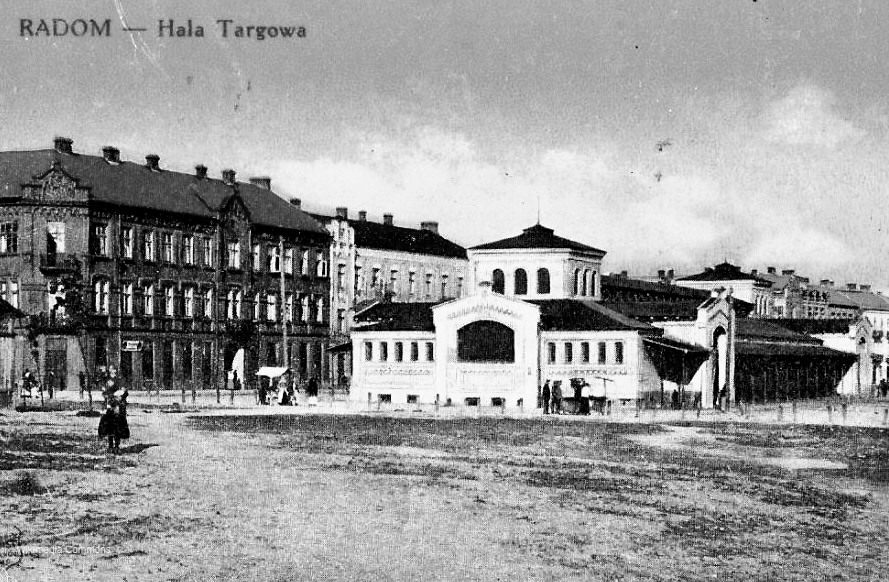
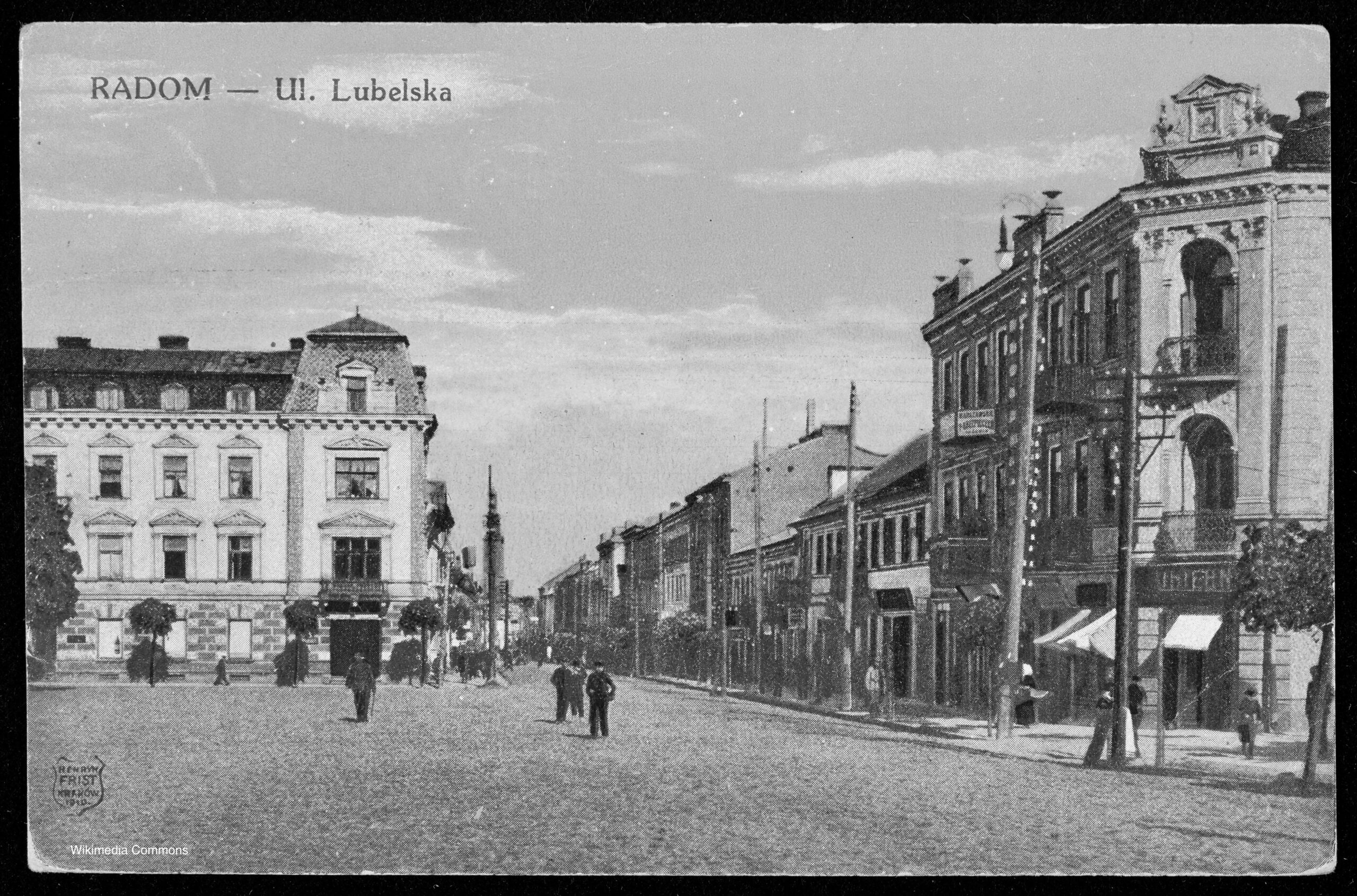
Market Hall, Radom, Poland 1917.
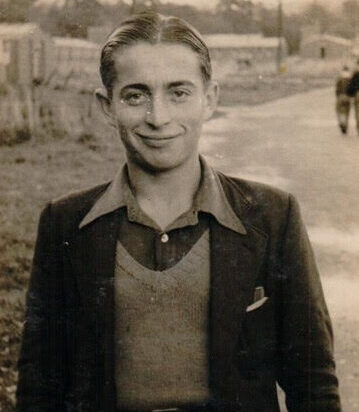
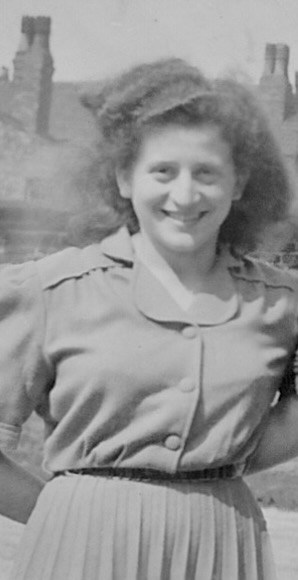
Gershon Frydman and Bluma Urbas were two of the Boys born in Radom. These photographs were taken after World War II.
In 1938, the Jewish population of 29,745 was 29% of the total residents living in Radom.
The community was involved in local politics and embraced a wide variety of different allegiances from the religious Agudat Israel, Zionist organisations and the secular socialist Bund.
There was a lively Jewish cultural environment in the city with a theatre, literary society and over twenty educational institutions.
Ethnic relations were largely nonviolent prior to the German invasion of Poland but right wing Polish organisations organised boycotts of Jewish business.
Wartime
The German army arrived in Radom on 8 September 1939. With forced resettlements, the city’s Jewish population increased dramatically, reaching about 33,000 by 1942.
In April 1941, the Germans established two ghettos in Radom. Despite the extreme hardship and persecution, the Jews organised a network of self-help organisations and a civilian resistance movement that included clandestine schools and a theatre.
The Germans quickly rebuilt the armaments factories that had been damaged in the invasion and Jews were conscripted as forced labourers.
In the summer of 1942, the Germans liquidated the ghetto. Most of Radom’s Jews, approximately 32,000 people, were murdered at the Treblinka extermination camp. To find out more about the ghetto click here.
About 3,000 remained in Radom as slave labourers. In the summer of 1944, the surviving Jews were deported to the Auschwitz II-Birkenau concentration and extermination camp.
Liberation
After the war those Jews who returned to Radom met at the Europejski Hotel. In the summer they numbered 1,198 and had formed a Jewish committee, set up a shelter and a prayer house.
Those survivors who returned to Radom, however, found themselves unwelcome and Polish historians have recorded the murder of at least one of those who returned from camps.
Radom is not far from Kielce, a city that witnessed a pogrom in July 1946 in which 42 Jewish survivors were brutally murdered and 80 seriously wounded. It prompted a mass exodus of Jews from Poland.
By 1947 only 99 Jews remained in Radom. By 1948 that number had shrunk to 30. Nearly all of them left but only after they had erected a monument to the ghetto on the site of the former synagogue.
Present-day
Until the 1960s, a few Jews remained in the city, hiding their Jewish identity, but there are no Jews known to live in Radom today.
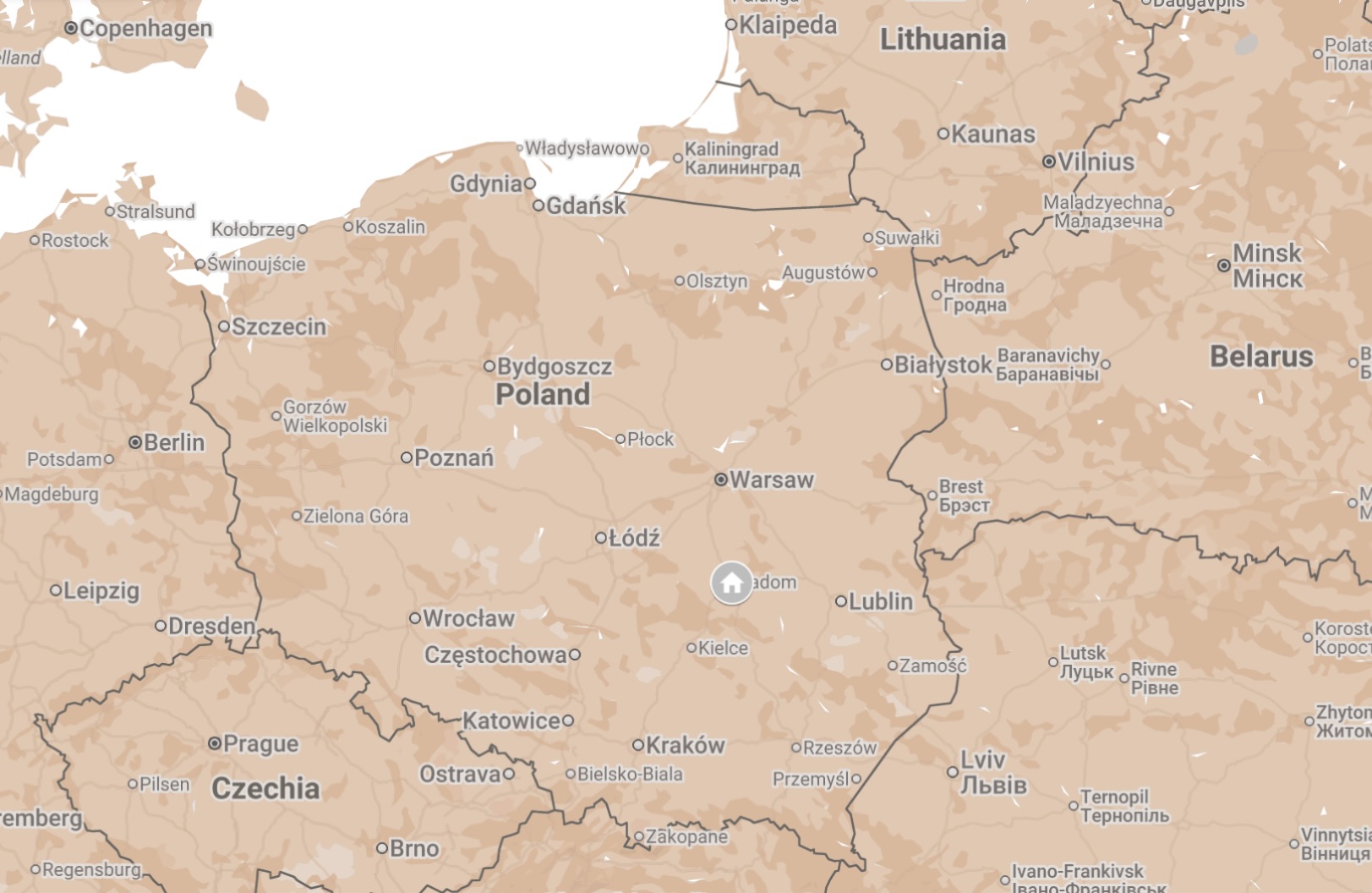
Getting there Fly to Warsaw Frederic Chopin Airport and then take a train or bus.
Radom has a pretty pedestrianised main street but is well off the tourist trail.
Jewish Cemetery (ul. Towarowa) The cemetery contains roughly 300 surviving matzevot (gravestones). It features a lapidarium built in 2010 using recovered gravestone fragments and an ohel (brick tomb) commemorating destroyed Jewish settlements in the region.
Memorial Plaques In 2017, for the 75th anniversary of the ghetto liquidation, plaques were installed across the city to mark former sites of Jewish schools, bakeries, and hospitals.
Ghetto Memorial (Bóżniczna 3) A monument stands where the Great Synagogue (destroyed by the Nazis) once stood, serving as the site for annual commemorative ceremonies.
In 2017, the local council funded the publication in Polish of a Jewish memorial book, The Book of Radom. A small exhibition about the city’s Jewish past accompanied the book launch and a concert was held to commemorate the destruction of the ghetto.
 About
About History
 Education
 Quilts
 FIlms
FIlms Photos
 News Media & Events
 Publications
 Donate