Members of the Boys were born in the Silesian Voivodeship in Poland.
The Boys were teenage and child-Holocaust survivors, who were brought to the UK after the war for rest and rehabilitation.
Members of the Boys were held in Nazi labour and concentration camps and used as slave labourers. They had also survived World War II in hiding or as lone children.
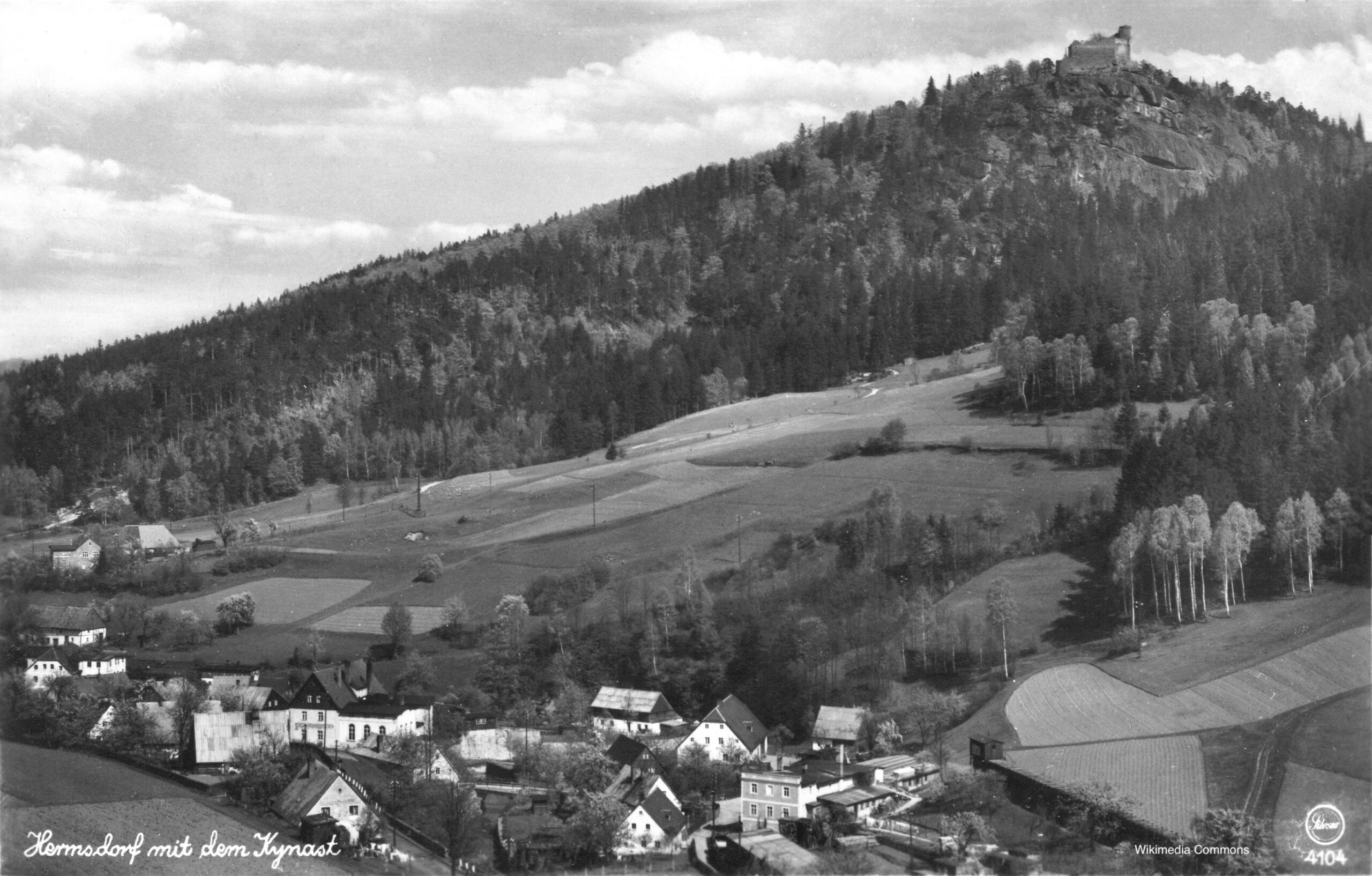
Old Photograph of Chojnik.
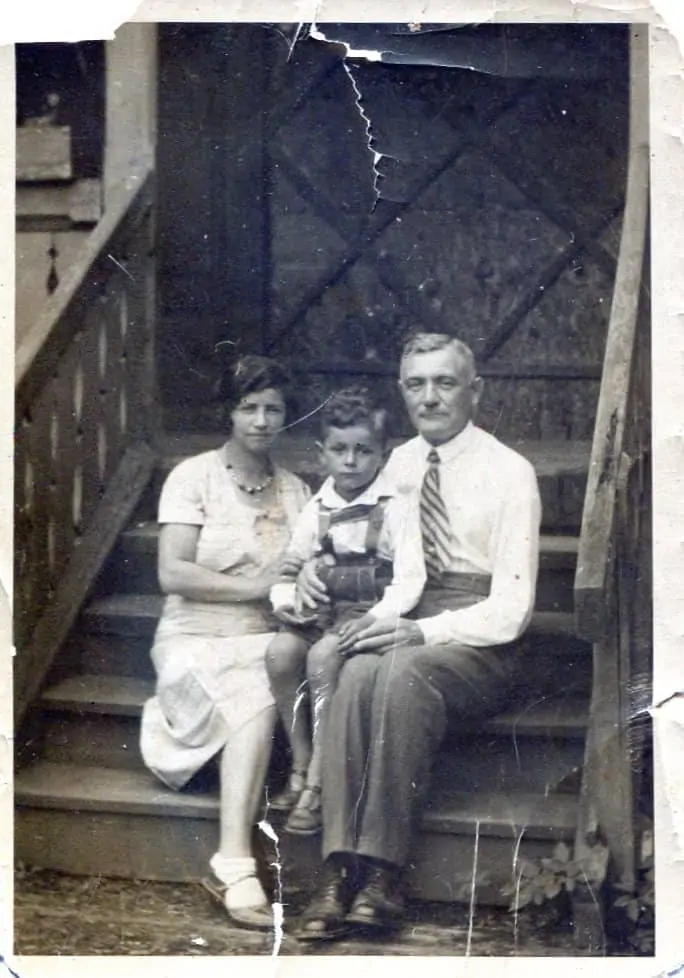
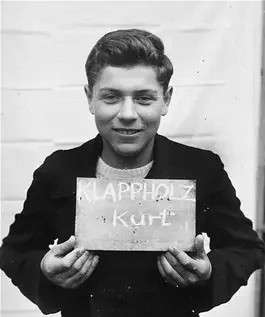
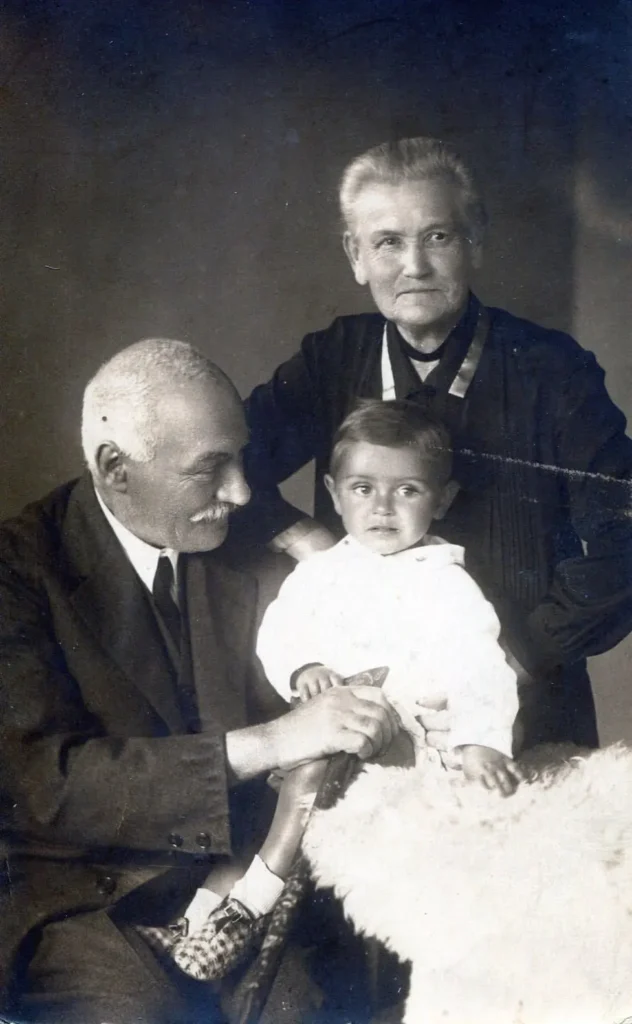
Moriz and Sonia Klappholz had one son Kurt. Kurt Klappholtz went to school with fellow survivor Jan Goldberger, also one of the Boys. He remembered the school as “intensely Zionist” and was surprised that after the war he had no desire to go to the Palestine Mandate. German was widely spoken in Bielsko-Biala and was Sonia Klappholz’s mother tongue. The family did not speak Yiddish.
After the German invasion of Poland in September 1939, Bielsko-Biala was incorporated into the Third Reich and was known by its German name of Bielitz. Jews were restricted to living in an open ghetto. The Klappholz family were among them.
Moriz and Sonia Klappholz were murdered in Auschwitz. To find out more about their son Kurt click here.
Slave Labour
The ghetto was liquidated in June 1942. Klappholz’s parents were deported to Auschwitz II-Birkenau, where they were murdered in the gas chambers. To find out more about the ghetto in Bielsko-Biala click here.
Wartime
Before World War II, the region was home to significant Jewish communities.. To find out about the Boys who grew up in Będzin click here, Sosnowiec click here and Częstochowa click here. Following the German invasion of Poland in 1939, Jewish communities in Poland were subjected to persecution, forced ghettoisation, and deportations. Auschwitz-Birkenau and Gross-Rosen concentration camps were established in the region. Between May and June 1942, around 20,000 individuals from Silesia were deported to Auschwitz. To find out more about the camps click here.
Aftermath
After the war, Silesia became a major centre for Jewish repatriation.
Getting there & around
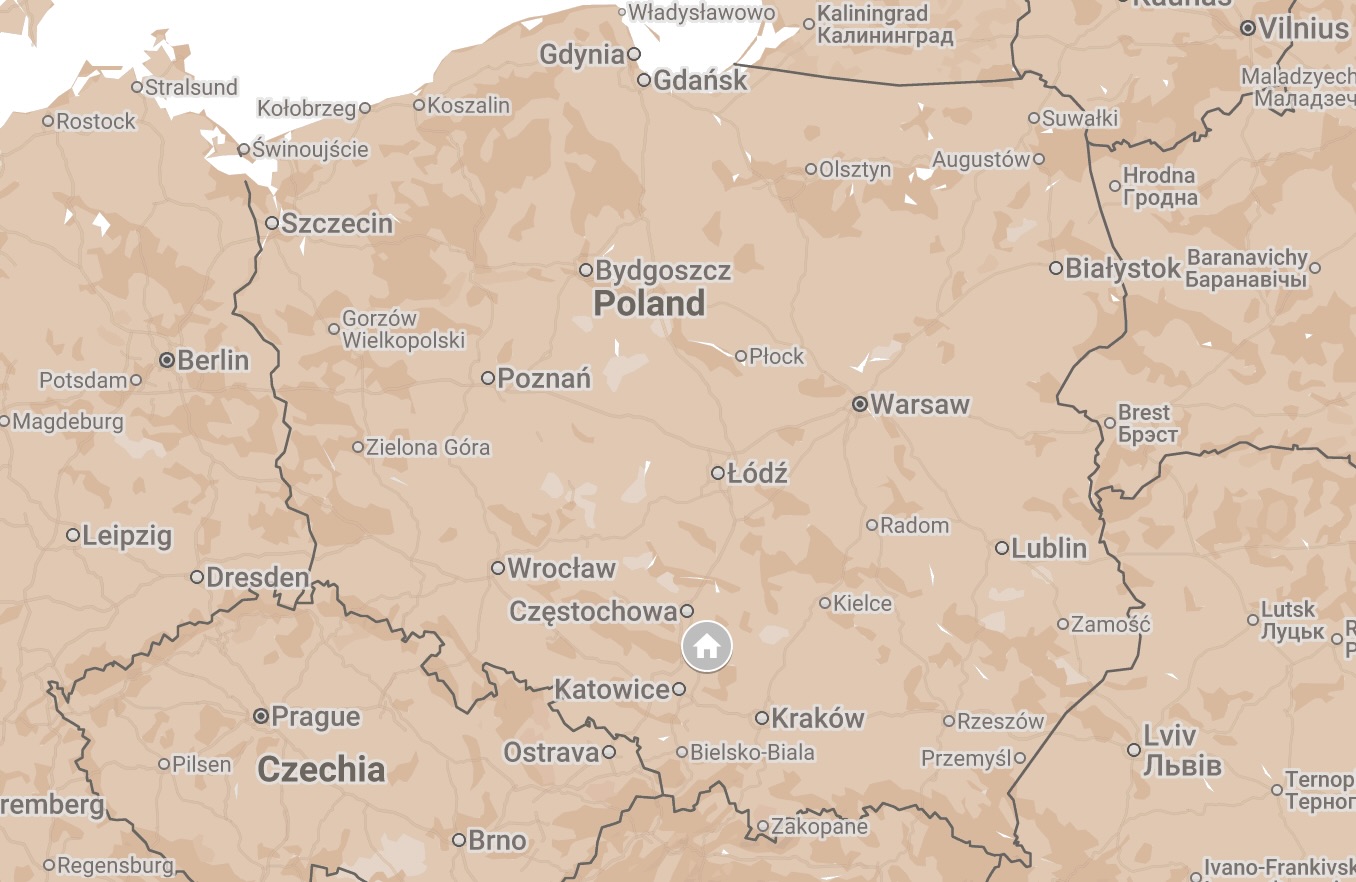
Trains run to Bielsko-Biala from Kraków and Katowice. You need a car to explore the region.
Bielsko-Biala Both Jan Goldberger and Kurt Klappholz were born in the town.
Jewish Cemetery (Aleksandrowice) Established in 1849, this is one of Poland’s most unique necropolises. It is the only cemetery where Jews, Christians, and Muslims are buried together.
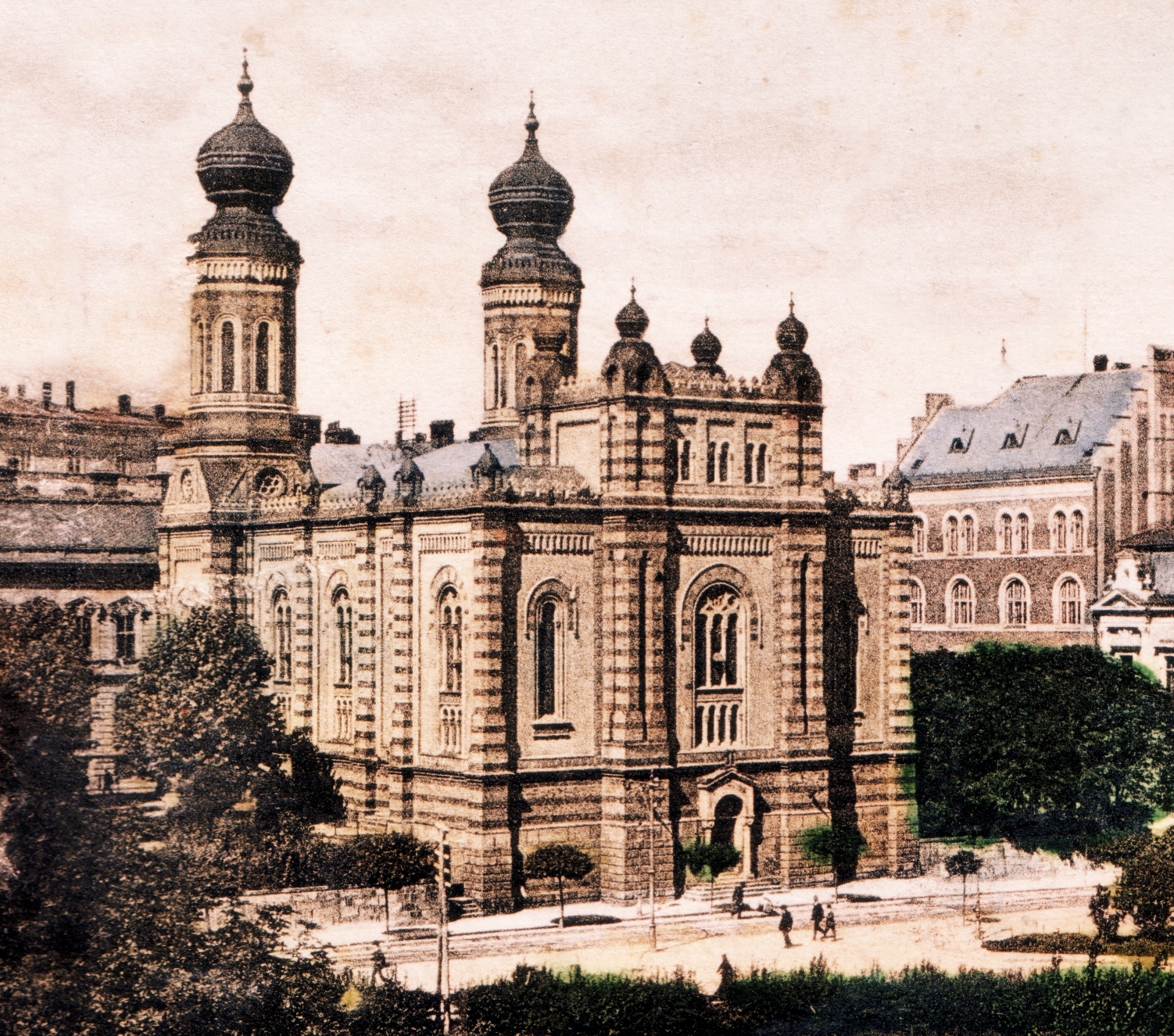
Site of the Great Synagogue (ul. 3 Maja 7) Once a landmark of Moorish and Romanesque Revival architecture designed by Karol Korn, the synagogue was destroyed by the Nazis in September 1939. A commemorative plaque now marks the site, which is the Jewish community centre. The area around the synagogue was the site of the ghetto.
Klobuck The Jewish Cemetery (ul. Szkolna) the cemetery was destroyed during the war and is unmarked. The town was the birthplace of Baruch Rayber.
Strzemieszyce Wielkie There are no traces of Jewish life in the hometown of Pinkus Grossman and Henryk Gruen.
Szczekociny Mendel Frajkorn’s hometown has a memorial at the site of the Old Jewish cemetery (42-445 Szczekociny)
 About
About History
 Education
 Quilts
 FIlms
FIlms Photos
 News Media & Events
 Publications
 Donate