Members of the Boys were born in Sosnowiec in Poland.
The Boys were teenage and child-Holocaust survivors, who were brought to the UK after the war for rest and rehabilitation.
Members of the Boys were held in Nazi labour and concentration camps and used as slave labourers. They had also survived World War II in hiding or as lone children.
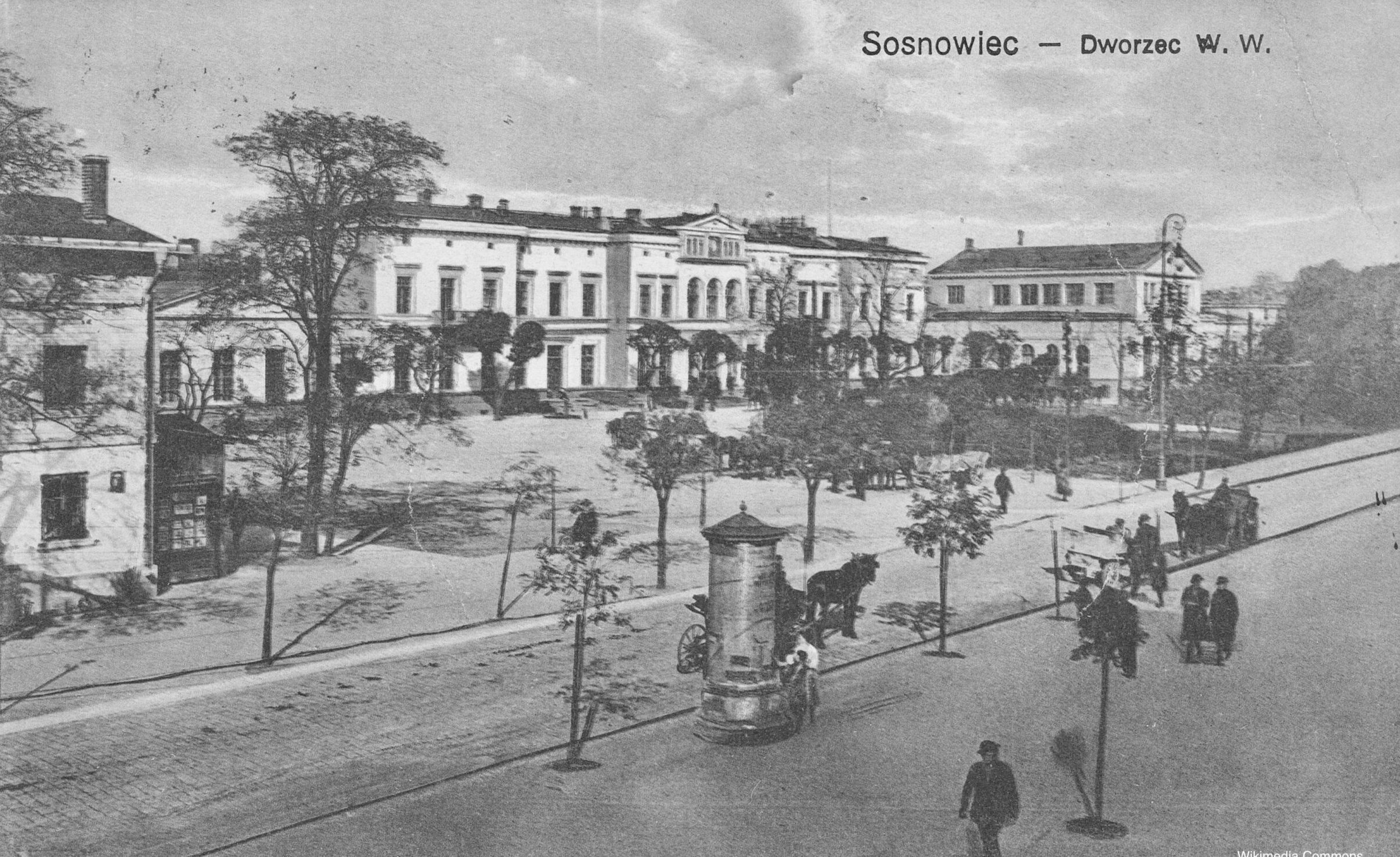
Sosnowiec, Poland in 1921.
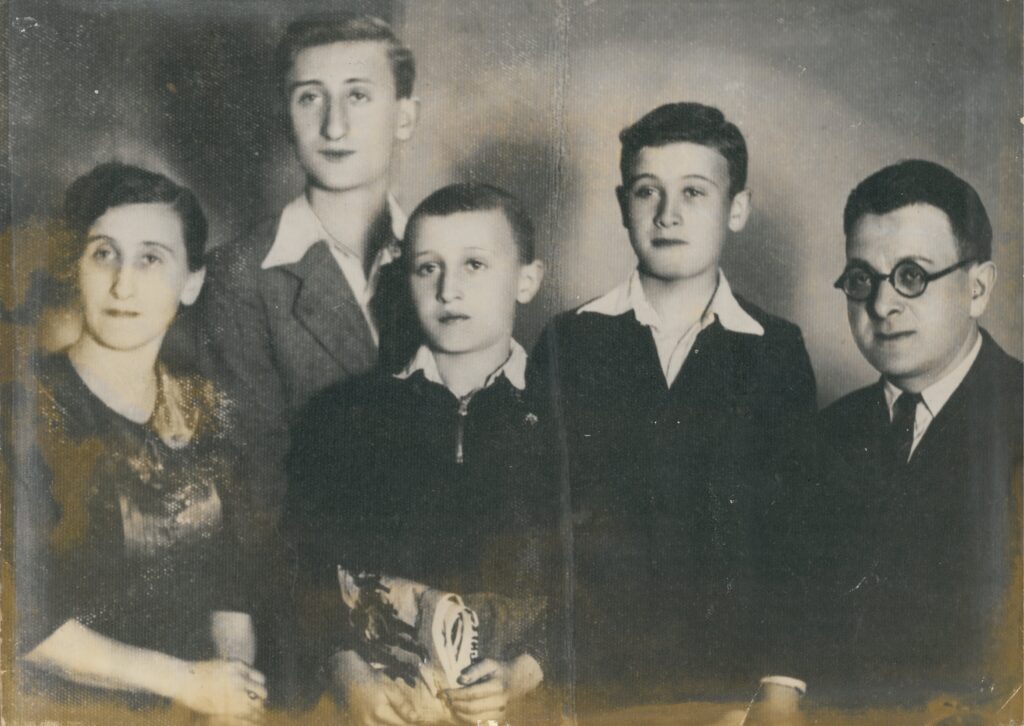
Kalma and Zlata Grzmot were shoemakers who lived in the industrial city of Sosnowiec. They had three sons Motek, Zelek and Benek.
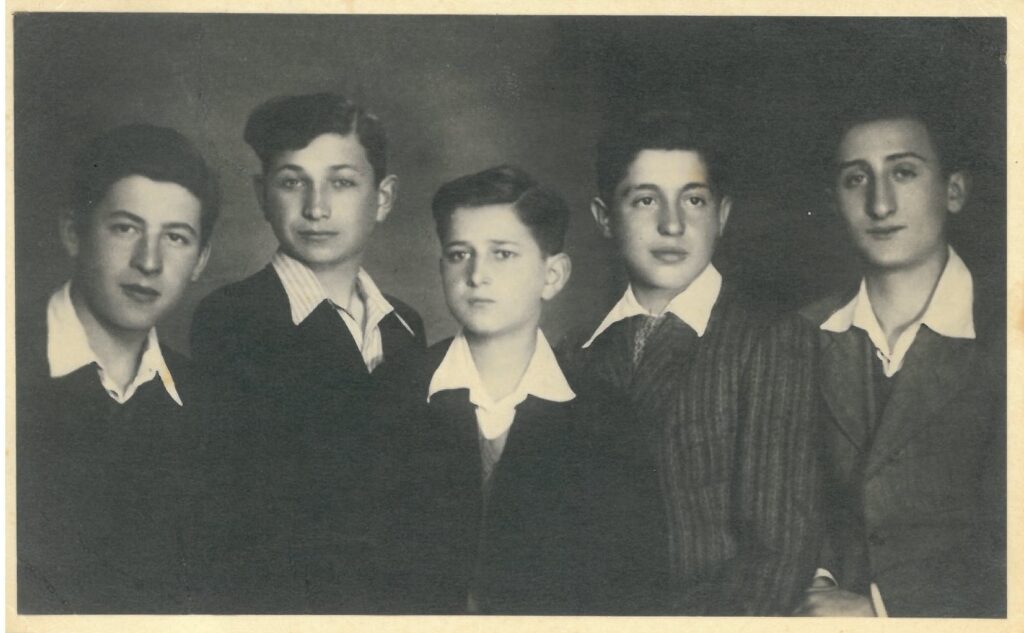
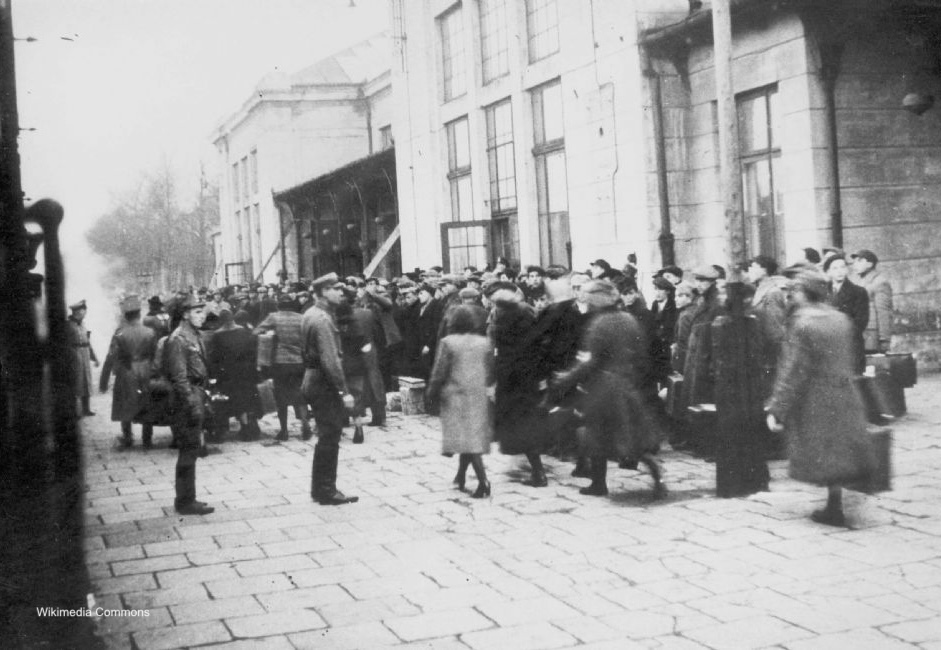
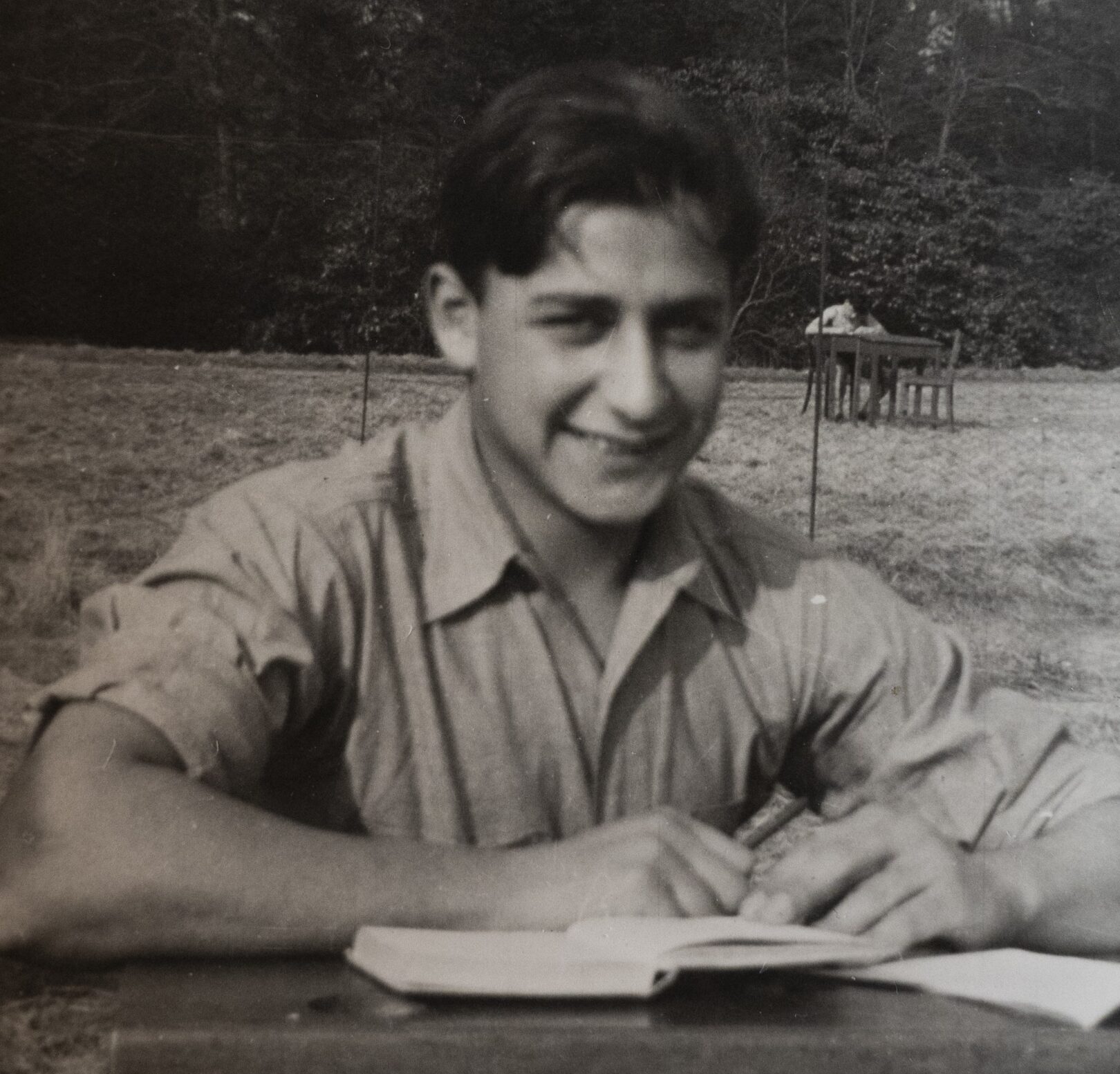
The day before Motek was due to attend his Bar Mitzvah, the family were rounded up and forced to move to a nearby ghetto. Motek, later Monty Graham, was the sole survivor of his family. He came to the UK in the first group of the Boys in August 1945. He had endured slave labour in the Nazi concentration camp system and both a death march and death train. To find out more about his life click here.
World War II
Sosnowiec which was close to the Polish-German border was occupied within days of the German invasion in September 1939. The Great Synagogue was burned down a week later.
A ghetto was established in March 1943. Many Jews from the surrounding area were brought into the ghetto which was linked to the ghetto in neighbouring Będzin. As an industrial city Sosnowiec played an important part in the German war effort and the Jews in the ghetto were used as forced labourers.
The vast majority of the Jews held in the ghetto, approximately 35,000 people were deported to the Auschwitz II-Birkenau concentration and extermination camp in the summer of 1943.
Although there had been considerable antisemitism before the war and a bomb at been placed in the Jewish owned Hotel Bristol, some local Poles notably offered assistance to Jewish families and among those hidden was Rosa Turek, who came to the UK as part of the first group of the Boys.
As the ghetto was being liquidated the Jewish underground staged an uprising. Most of the 400 Jewish fighters perished.
Present-day
After the war about 700 of the city’s Jews returned but were met with considerable antisemitism. Many survivors from further east settled after the war in the parts of Silesia that had been incorporated into the new Polish state, as there were empty properties that had belonged to the expelled German community.
As Zionist youth movements had played a major role in pre-war Jewish politics and as most survivors were young people, it is not surprising that Sosnowiec became a centre where young survivors gathered before leaving Poland to travel illegally to the British controlled Palestine Mandate.
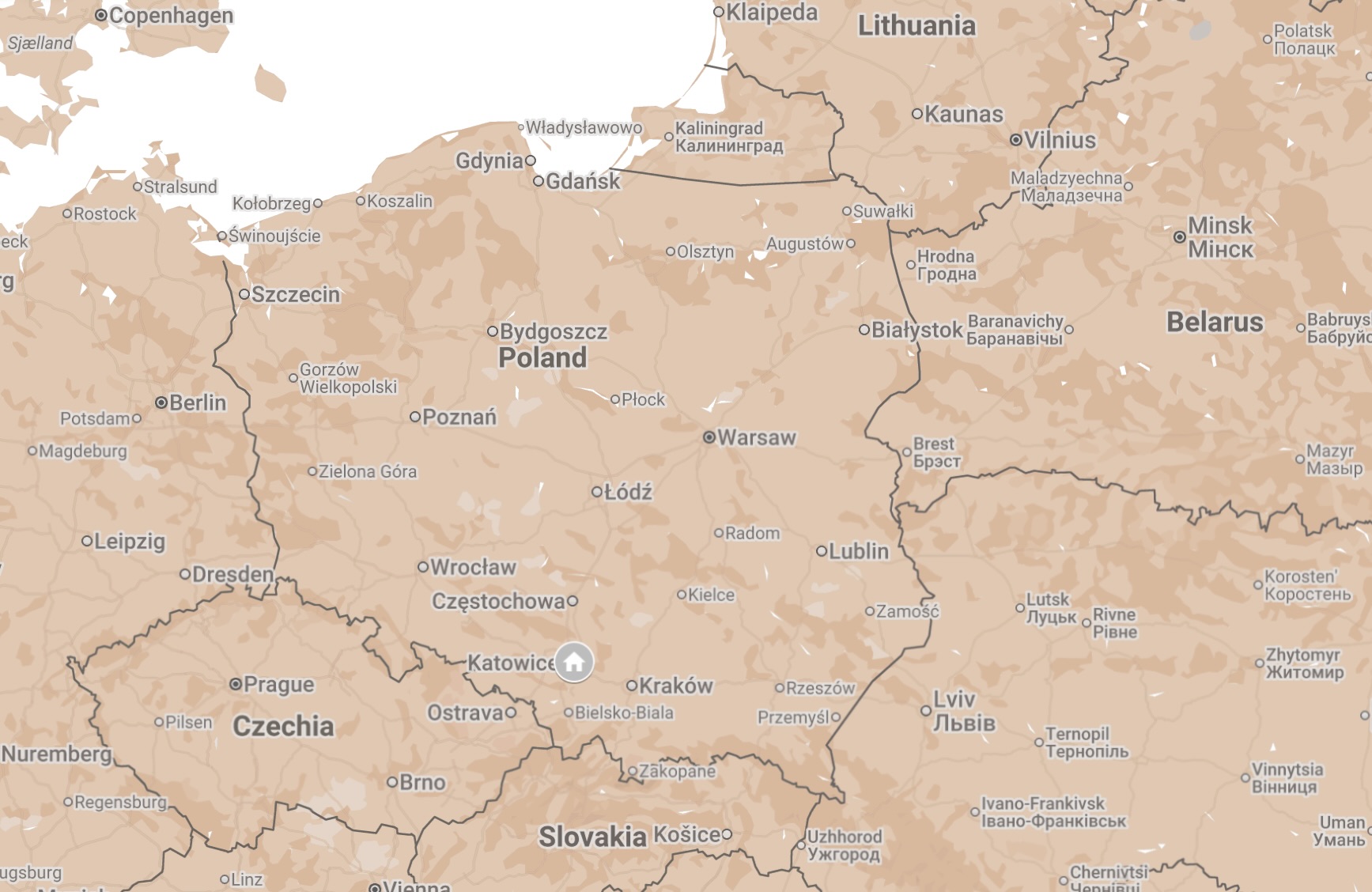
Getting there Katowice is the closest airport. There are direct trains.
What to See
Great Synagogue (Dekerta Street) The sysnagogue was blown up by the Nazis in September 1939. Today, a covered marketplace stands in its place, with no physical ruins remaining.
Jewish Cemetery (Gospodarcza St) Established in 1893 during a cholera epidemic, it remains an active burial ground managed by the Jewish Community in Katowice. It contains roughly 350–500 tombstones, including a monument to Holocaust victims.
Jewish School A former Jewish school building is located on Wawel Street.
 About
About History
 Education
 Quilts
 FIlms
FIlms Photos
 News Media & Events
 Publications
 Donate