Members of the Boys were born in the Subcarpathian Voivodeship in Poland.
The Boys were teenage and child-Holocaust survivors, who were brought to the UK after the war for rest and rehabilitation.
Members of the Boys were held in Nazi labour and concentration camps and used as slave labourers. They had also survived World War II in hiding or as lone children.
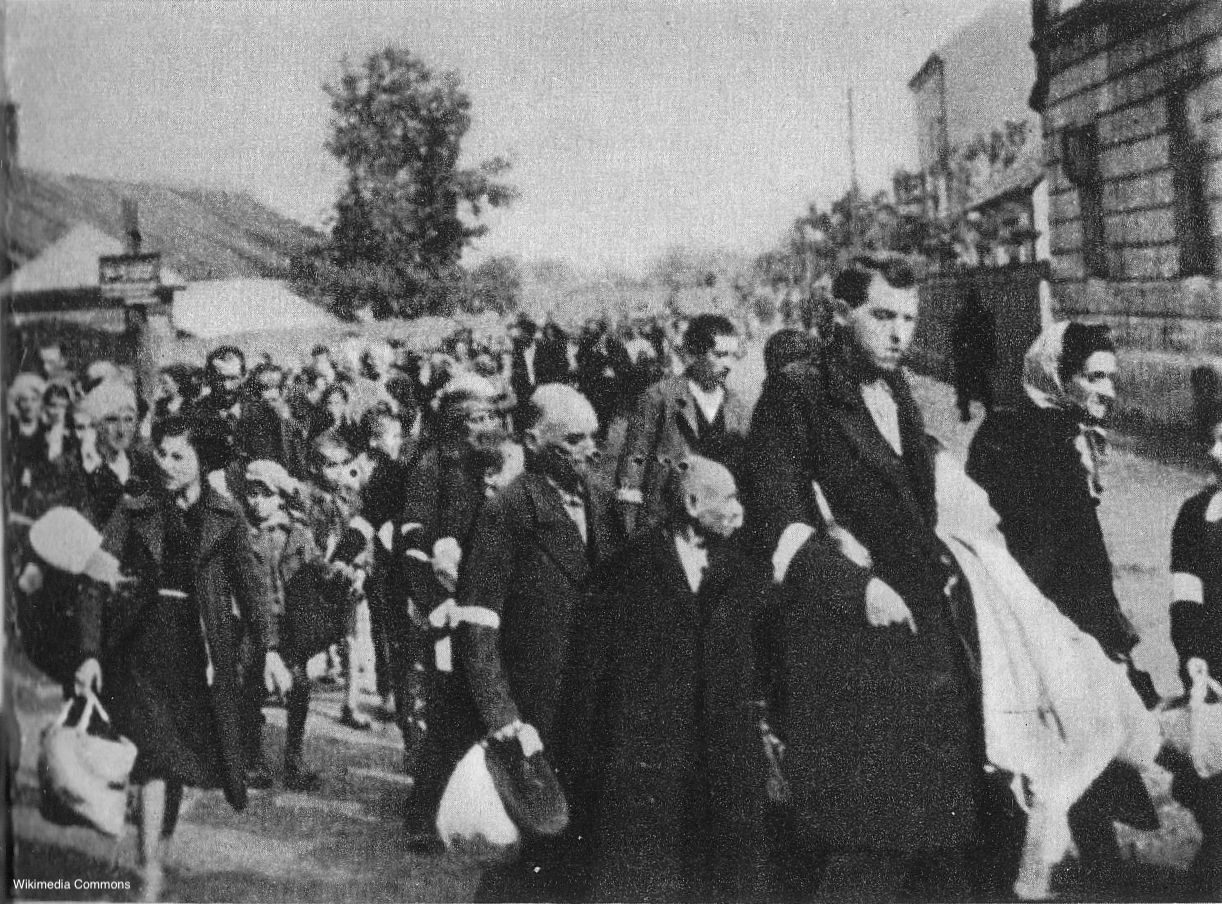
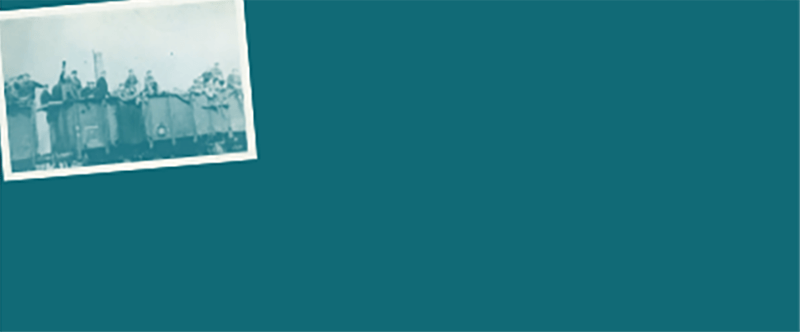
Deportation of Jews from Rzeszów Ghetto in 1942.
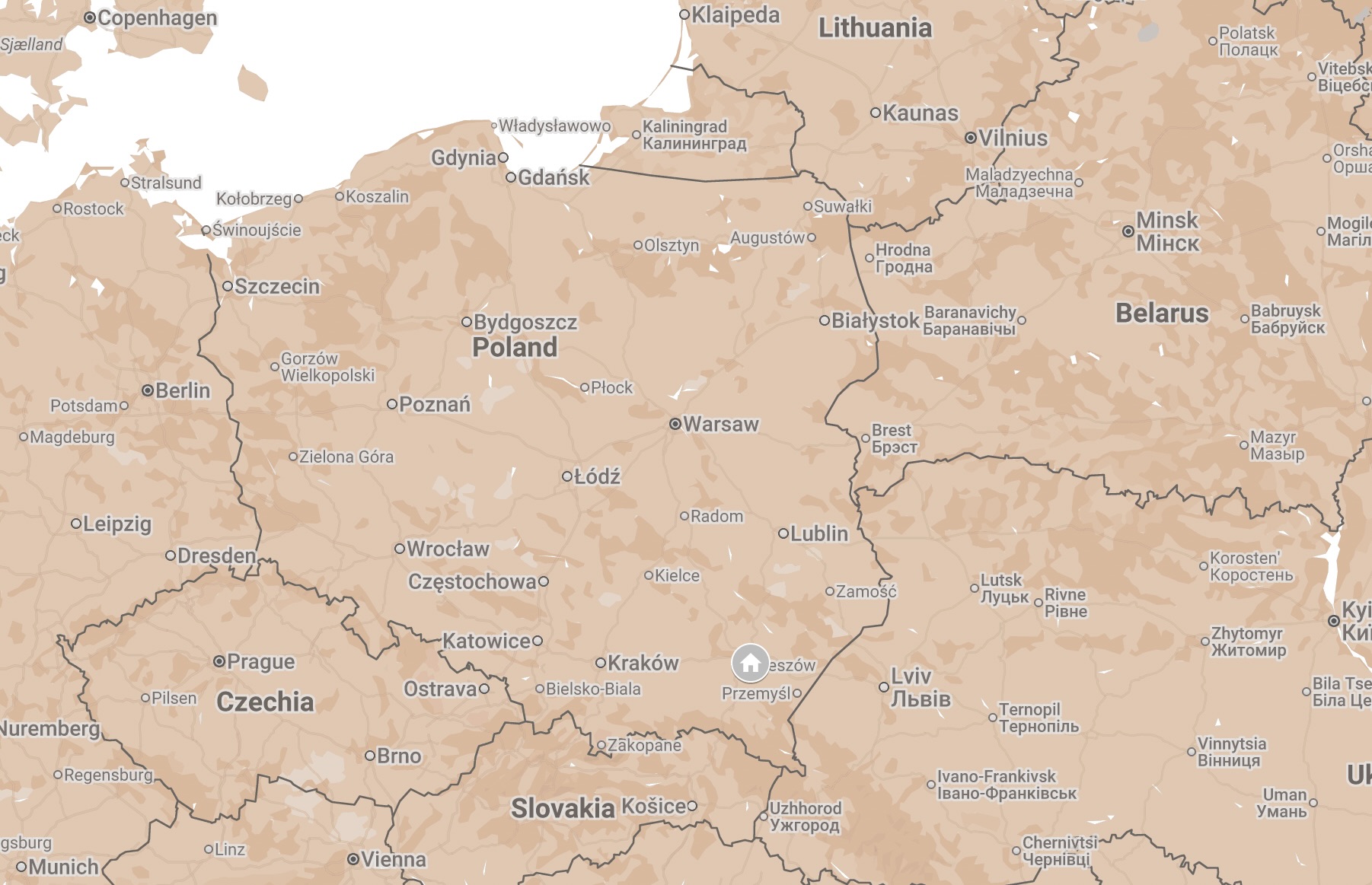
The Subcarpathian Voivodeship is located in south-eastern Poland. Its main city is Rzeszów. Other major towns include Przemyśl, Krosno, Jarosław, and Leżajsk. The Subcarpathian Voivodeship was created on 1 January 1999 out of the former Rzeszów, Przemyśl, Krosno, Tarnów and Tarnobrzeg Voivodeships.
Interwar Years
The Subcarpathian Voivodeship had a significant Jewish population prior to World War II. Jewish communities existed in various towns and cities within the Voivodeship, with some towns having Jewish populations as high as 55.6% of the total. These communities had their own synagogues, schools, and other institutions. Some notable towns with Jewish communities included Przemyśl, Jarosław, Jasło, and Rzeszów.
During the interwar period, the region under went a massive program of industrialisation, and was known as the Central Industrial Region. The program created several major armament factories, including PZL Mielec, PZL Rzeszów, Huta Stalowa Wola, and factories in other Subcarpathian towns such as Dębica, Nowa Dęba, Sanok, Tarnobrzeg and Nowa Sarzyna.
Wartime
Following the joint German-Soviet invasion of Poland, most of the current province was occupied by Nazi Germany with the eastern outskirts occupied by the Soviet Union. The city of Przemyśl divided between the occupiers until 1941. The entire region was then occupied by Germany until 1944.
The area occupied by Nazi Germany was incorporated into the General Government. The armaments factories were used for the German war effort and staffed by forced and slave labourers.
Jewish communities across the region faced persecution, ghettoisation, forced labour, and deportation to extermination camps. Many were sent to Bełżec and Auschwitz.
Aftermath
While some Jews returned after the war, most did not. There was considerable antisemitism in the region in the aftermath of the Holocaust and anti Jewish riots, notably in Rzeszów.
Getting there Rzeszow has an international airport and there are good train services to Kraków. To explore the region it helps to have a car.
There are traces of the region’s Jewish heritage in the following Boys’ hometowns:
Bircza
Jewish Cemetery Located near the local cemetery, the Jewish cemetery contains graves dating back to 1804.
Dukla
Synagogue Built in 1758, the Baroque-style synagogue was burned by the Nazis in 1940. It was listed as a monument in 1989 and its ruins are a major focal point of Jewish heritage in the town.
Jewish Cemetery (Kirkut) Located in the southern part of town, this site consists of an older section (18th century) and a newer section (1870).
Przemysl
New Synagogue (Jagiellońska Street) Built in the 1890s in a stunning Moorish Revival style. It was heavily damaged during the war and now serves as a library.
Jewish Cemeteries Two cemeteries exist, which serve as memorial sites for the community, including victims of the Holocaust (between Wandy Street and Rakoczego Street) and (Słowacki Street).
Ghetto Location (Kopernika Street) The area around the former ghetto, which witnessed the tragic deportation of over 9,850 Jews to the Bełżec extermination camp in 1942, is marked by memorial plaques.
Rzeszow
Old Town Synagogue (Staromiejska) Located near the market square, this 17th-century synagogue, despite being burned and damaged by the Nazis, has been restored and now serves as a community centre.
New Synagogue (Nowomiejska) Built in the 18th century, it was used by the Nazis as a warehouse but has since been restored.
Ghetto Location The Ghetto area was centred around the Market Square and Baldachówka Street
Zmigrod Nowy
Jewish Cemetery (Jasielska Street) Dating back to the turn of the 16th and 17th centuries, it holds approximately 250 surviving tombstones, some dating back to 1742. A monument was erected in 2012 to honour the Holocaust victims buried in a mass grave at the site.
Halbów Forest Monument A memorial marks the mass grave of 1,250 Jewish men, women, and children murdered by the Nazis on 7 July 1942, among them the family of Chaim Kohn.
 About
About History
 Education
 Quilts
 FIlms
FIlms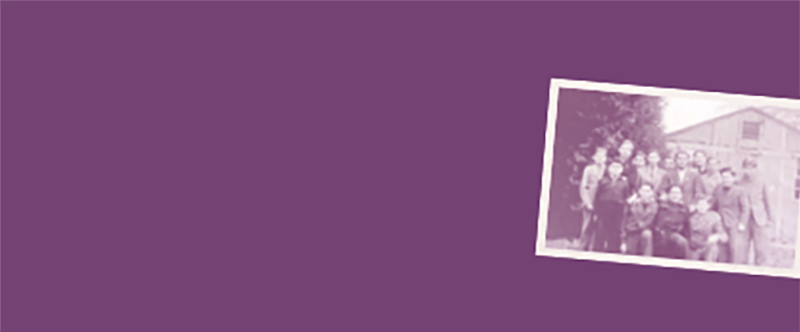 Photos
 News Media & Events
 Publications
 Donate