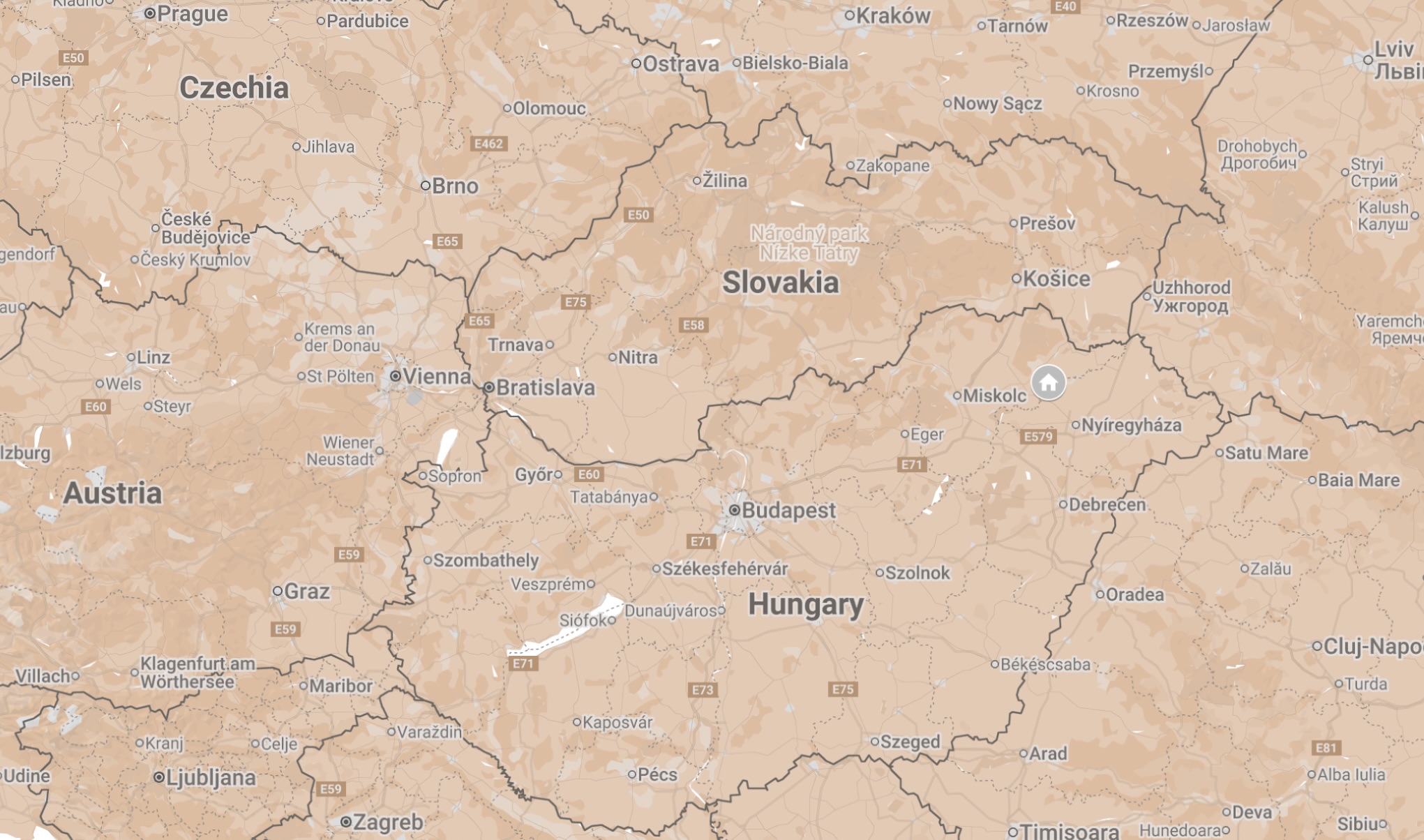
Members of the Boys were born in Szabolcs District in Hungary.
The Boys were teenage and child-Holocaust survivors, who were brought to the UK after the war for rest and rehabilitation.
Members of the Boys were held in Nazi labour and concentration camps and used as slave labourers. They had also survived World War II in hiding or as lone children.
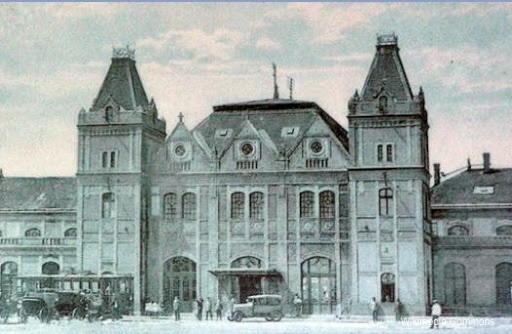
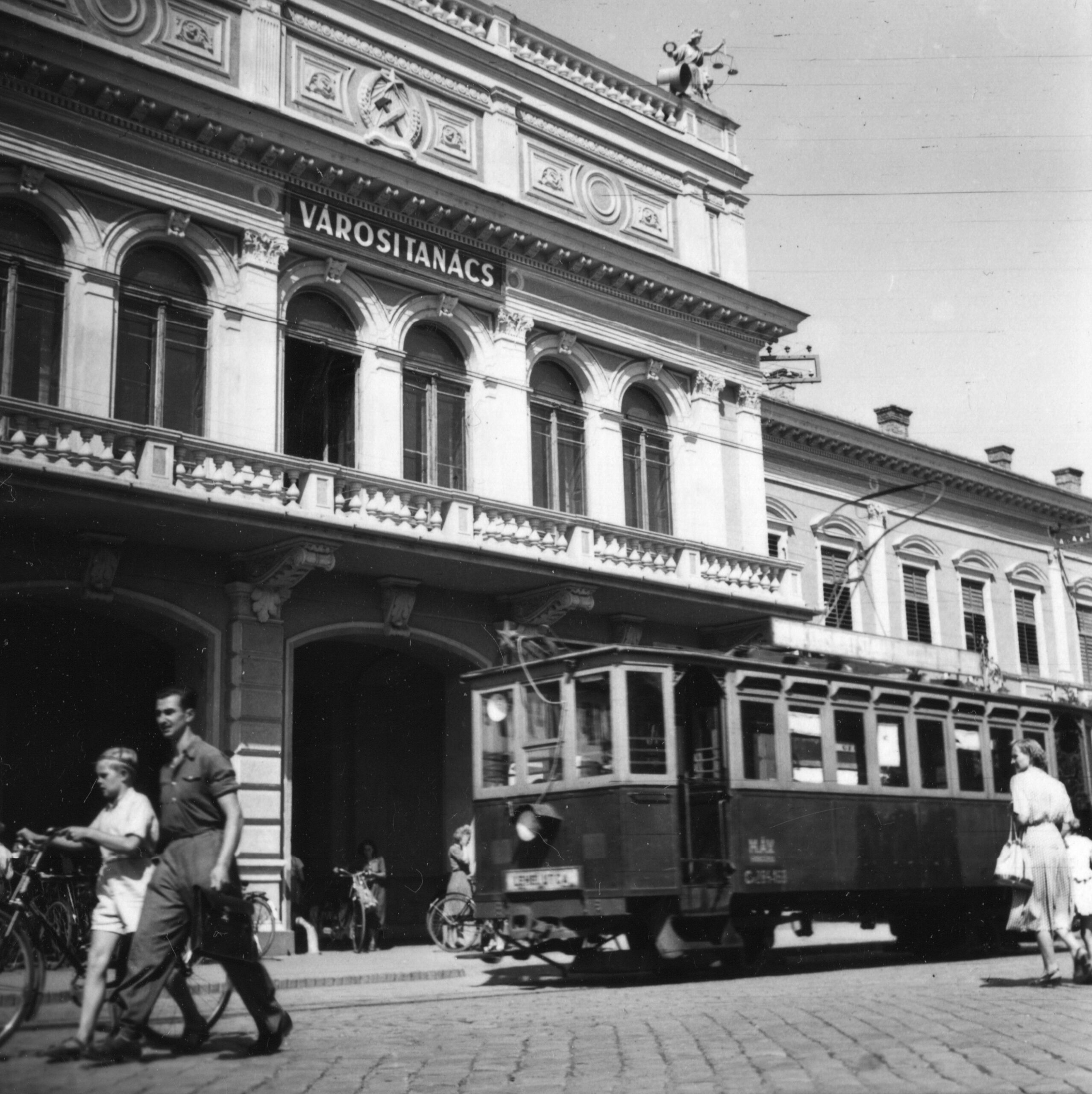
Old postcard of Nyíregyháza, Hungary.
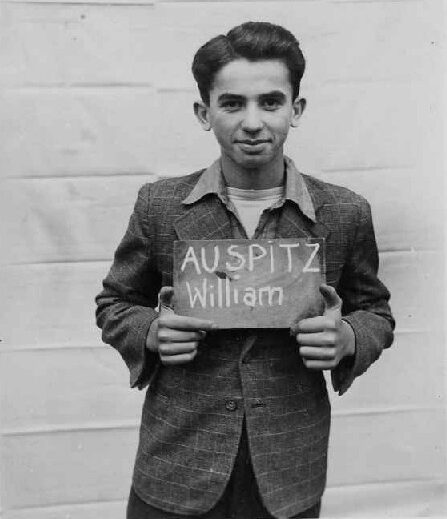
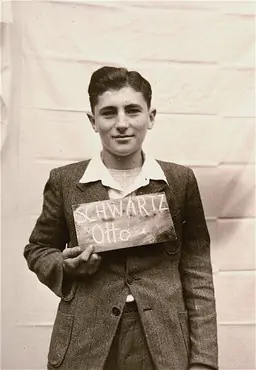
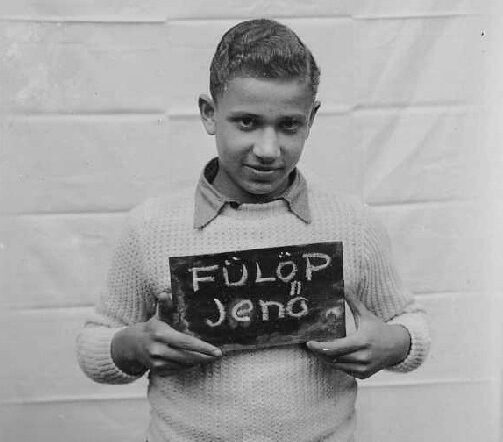
Three of the Boys who grew up in the region. These photographs were all taken in the Kloster Indersdorf, DP camp.
Interwar years
The 1920 Treaty of Trianon stripped Hungary of two thirds of its territory. A sense of grievance and shock fed a fanatical nationalist movement which soon acquired an authoritarian nature, which in turn fuelled growing antisemitism.
Jews in Hungary were persecuted from 1920 onwards. Hungary’s 1938–41 racial laws were modelled on Germany’s Nuremberg Laws. By reversing the equal citizenship laws of 1867, the government excluded the Jewish community from Hungarian society.
In the interwar period the villages of But, Eszeny (present-day Esen), Szalóka (present-day Solovka) and Tiszaágtelek (present-day Tisaahtelek) were part of Czechoslovakia but were occupied by Hungary from 1938 to 1945.
1944
The Germans occupied Hungary in March 1944. After which the Jews in the region were deported to the Auschwitz-Birkenau concentration and extermination camp. To find out more click here.
Present-day
Today the villages of Esen, Solovka and Tisaahtelek are part of Ukraine.
Getting there The closest airport is Debrecen. Trains run from Debrecen and Budapest to Nyíregyháza.
There are traces of Jewish life in the following Boys’ former homes:
Nyíregyháza.
Old Jewish cemetery (Inside of the municipal cemetery at the end of Szent István Street)
Kisvarda
Synagogue Designed by Ferenc Grósz, the former synagogue on the main square now serves as the Rétközi Múzeum. There is a memorial plaque with the names of Holocaust victims.
Nyirbator
Jewish Cemetery (Hegy u. 1) The large cemetery contains approximately 900 tombstones dating from 1852 to 2019.
Nyíregyháza
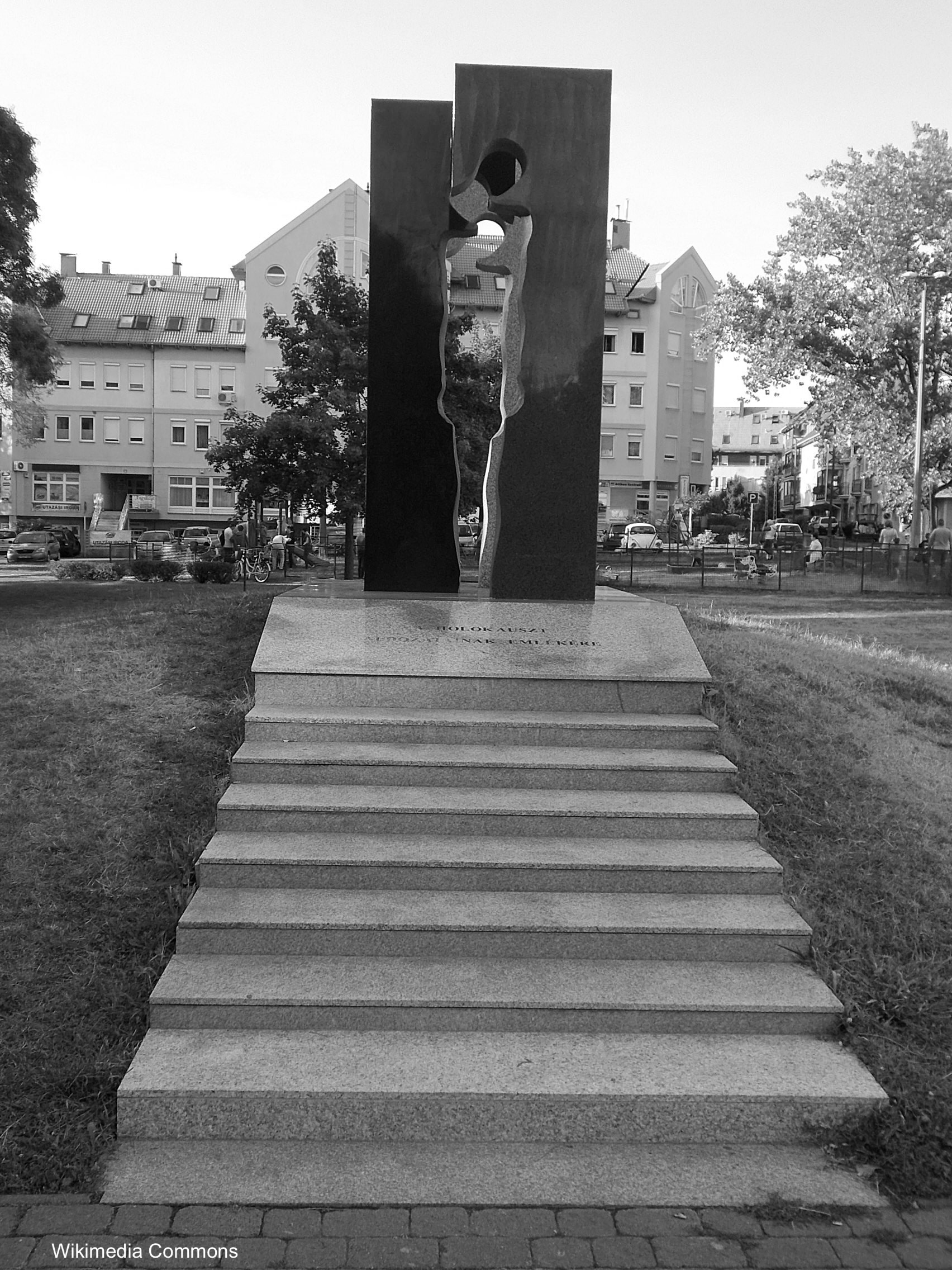
Holocaust Memorial (between Dob and Holló Streets)
Jewish Cemetery (Árpád Street) This well-maintained site contains 1,207 gravestones (the oldest from 1855), four ohalim, and a Holocaust memorial.
 About
About History
 Education
 Quilts
 FIlms
FIlms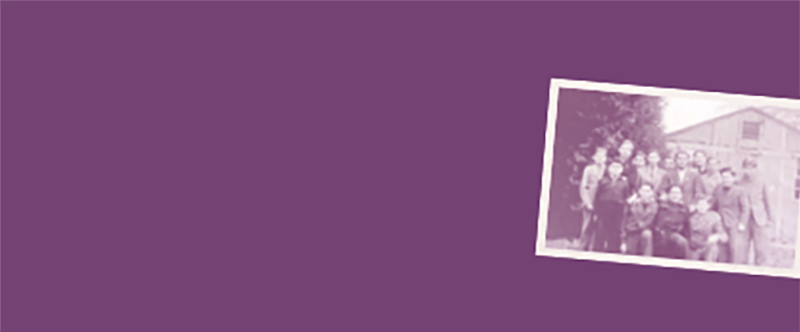 Photos
 News Media & Events
 Publications
 Donate