
Members of the Boys were born in Tacovo in eastern Czechoslovakia, now Tiachiv in Ukraine.
The Boys were teenage and child-Holocaust survivors, who were brought to the UK after the war for rest and rehabilitation.
Members of the Boys were held in Nazi labour and concentration camps and used as slave labourers, they had also survived World War II in hiding or as lone children.
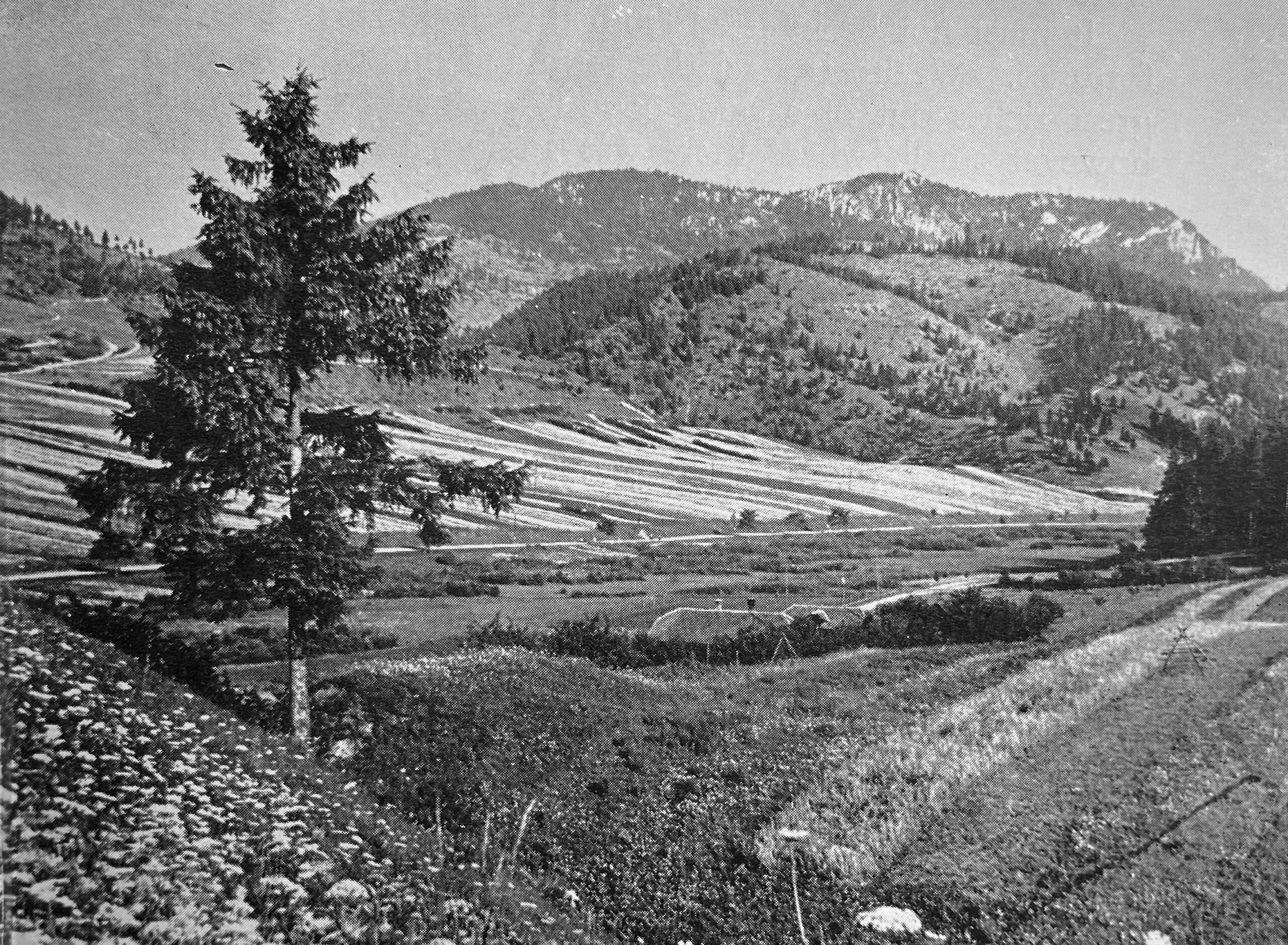
The Carpathian Mountains in the 1930s.
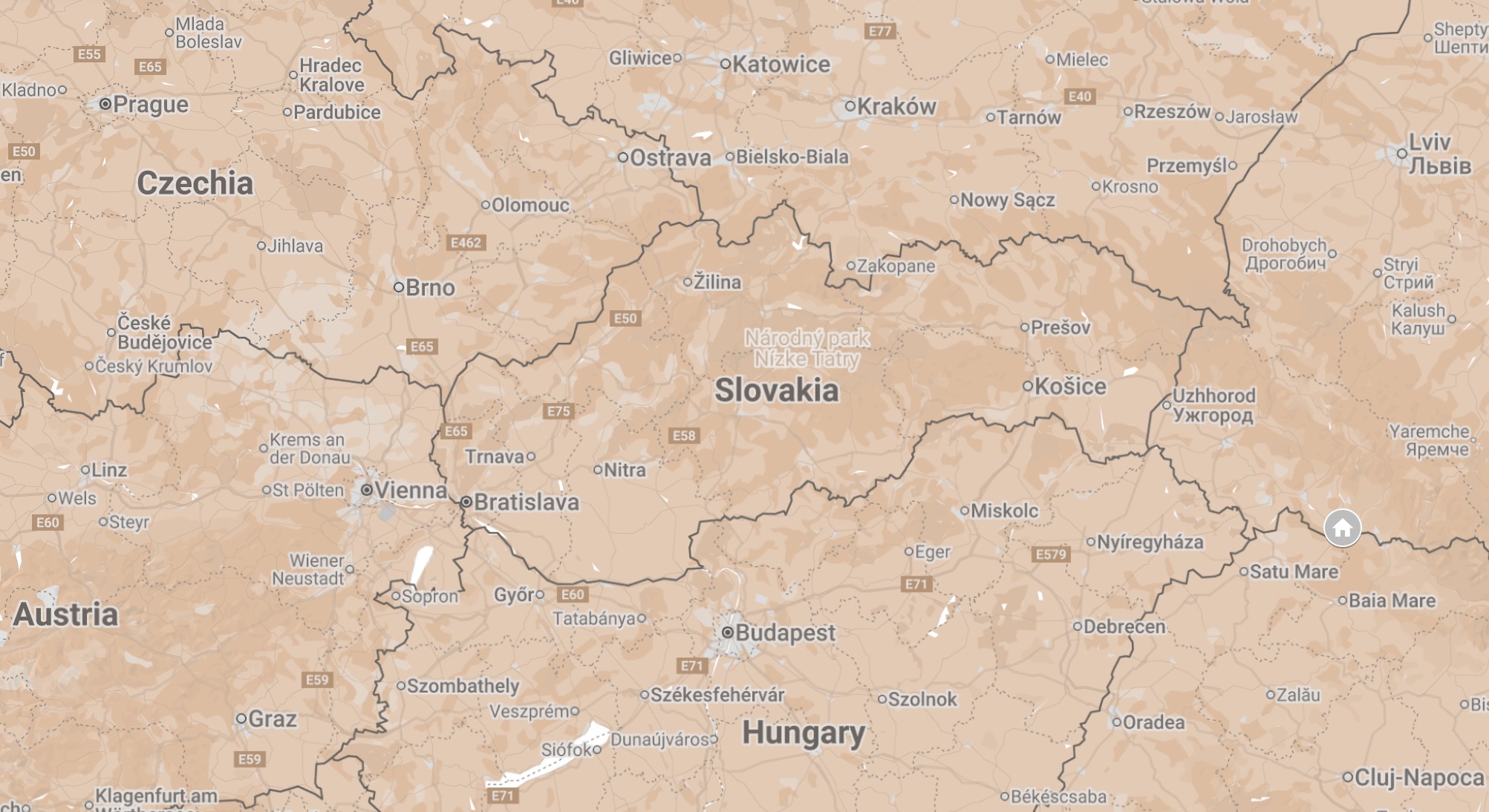
Tiachiv is situated in Subcarpathian Ruthenia, near the border with Romania.
Until the end of World War I, Tiachiv was part of the Austro-Hungary. During the period between the two World Wars it was incorporated in the state of Czechoslovakia. During World War II, it was occupied by Hungary. At the end of the war it became part of the Soviet Union.
Pre-war
Jews have lived in the town since at least the 17th century. For a period, they were expelled from the region, but returned in 1840 when the limitation on Jewish settlement in Hungary was revoked. The Jews of the region were among the poorest in Europe, many living in rural areas and working in agriculture.
In the 1870s a Jewish cemetery was consecrated and in 1880 there were 321 Jews living in the town. In 1895 the synagogue and prayer house were consecrated, as well as a yeshiva.
Until the beginning of World War I, the community steadily developed; in 1910 it numbered 839 Jews.
After the war, when Transcarpathia was included in the new Czechoslovak republic and Jews from Moravia and Bohemia settled in the region. In the 1930 census 1,431 Jews, (94%) of 1,525 Tiachiv’s Jews, declared themselves as Jews by religion as well as by nationality and 6% by religion only.
In 1941, there were 2,150 Jews in Tiachiv.
Occupation
Following the Munich Agreement in 1938, Czechoslovakia was divided up and Tiachiv and the surrounding area were annexed by Hungary, and formally incorporated in 1939. The town was then known by its Hungarian name of Tesco.
The Germans occupied Hungary in March 1944.
Jews in Tecso were subjected to discrimination during the Hungarian occupation. Incidents of verbal and physical antisemitism became an everyday occurrence. Those who could not produce Hungarian citizenship were expelled, and in July 1941 about ten Jewish families were deported to Kamianets-Podilskyi in Nazi occupied Poland, where they were murdered in mass shootings. Others were conscripted into labour battalions and perished on the eastern front.
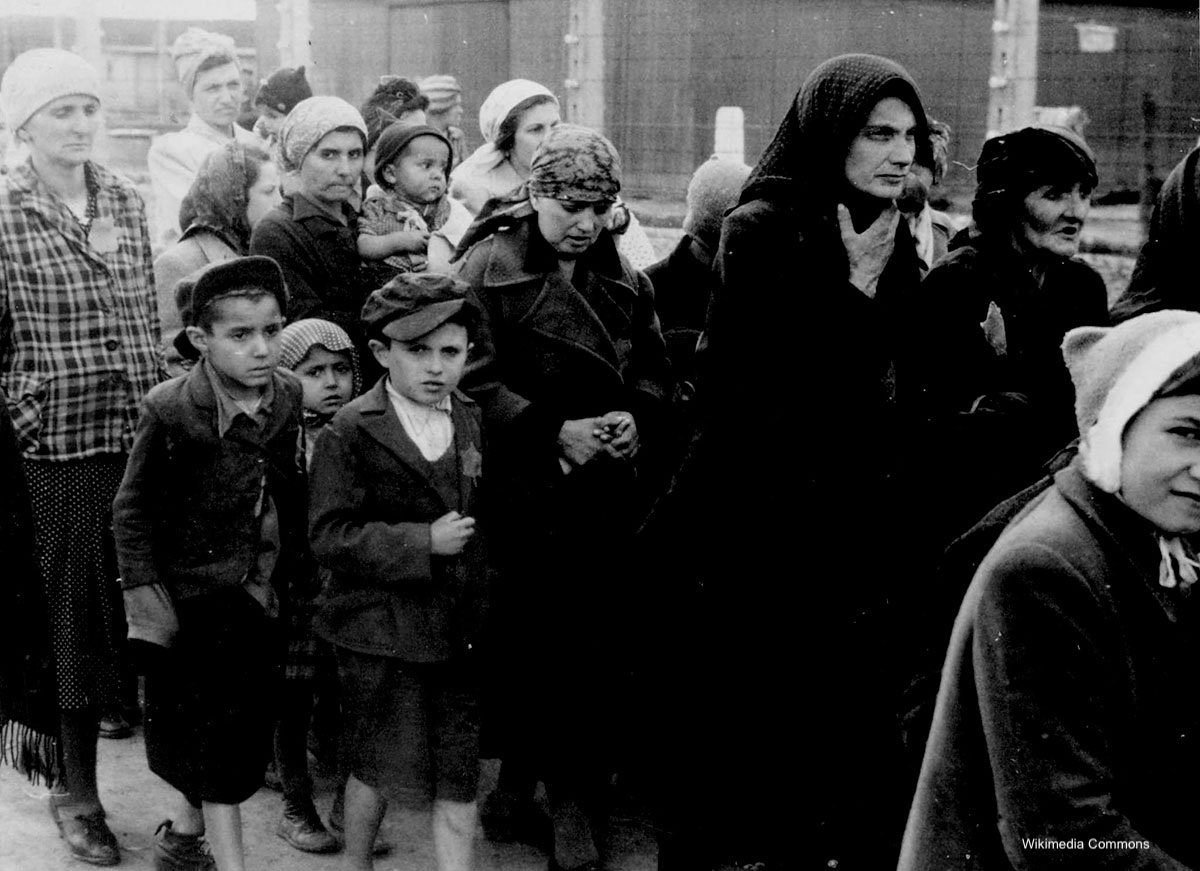
Jewish women and children from Transcarpathia arriving at Auschwitz, among them Jews from Tiachiv.
Deportation
In May 1944, most of the Jews of the district were forced into the ghetto of Mátészalka in present-day Hungary and deported to Auschwitz II-Birkenau concentration and extermination camp.
An estimated 85% of the Jews from the region perished in the Holocaust. However, the fact that the Transcarpathian Jews arrived six months before the camp was liberated in January 1945, greatly increased their chance of survival.
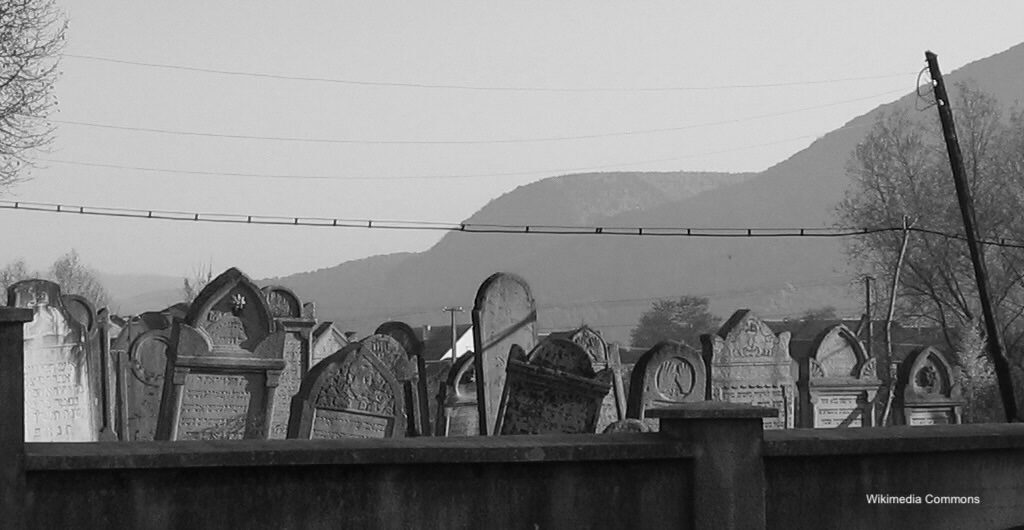
Tiachiv Jewish Cemetery
Liberation
Tecso was liberated in the autumn of 1944 by the Red Army.
In 1945, Tecso became part of the Ukrainian Soviet Socialist Republic within the Soviet Union. Many Jews felt there was no future for them under Stalinism and most of the community left. The town is now known Tiachiv.
Present-day
During the early 1970s, most of Tiachiv’s remaining Jews left for Israel. In the 1980s.
Getting there You can get to Tiachiv by bus or train from Lviv and Uzhhorod.
Note that the UK Foreign Office advises against travel to Ukraine because of the ongoing Russian invasion.
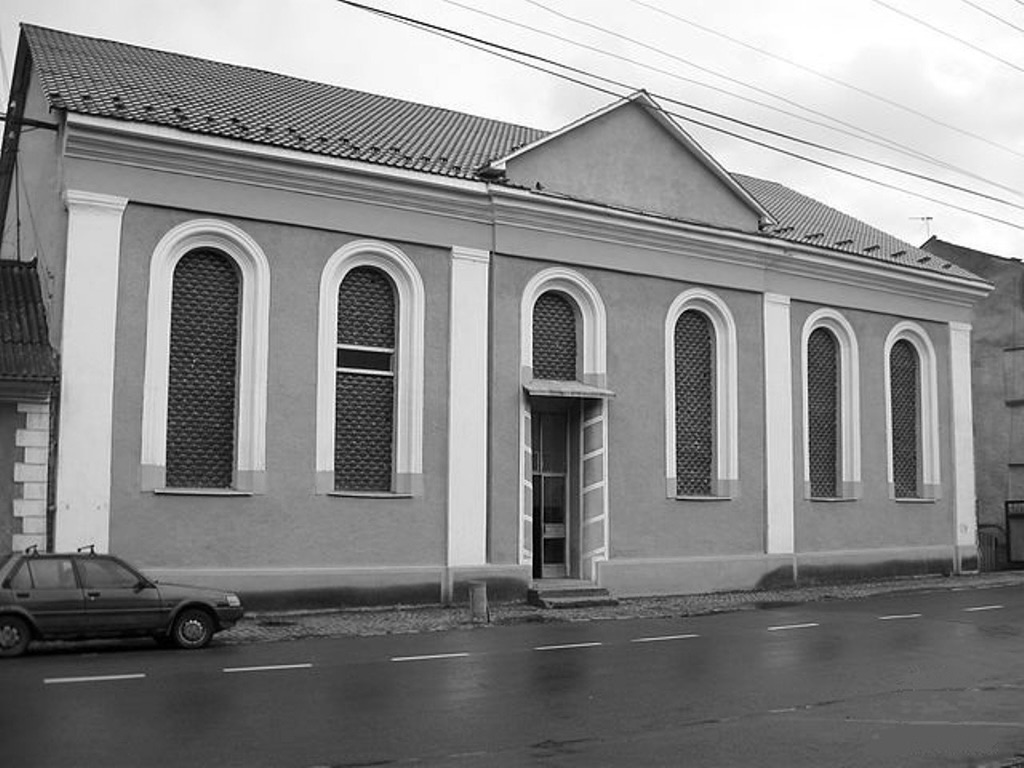
Former synagogue (Vulytsya Nezalezhnosti, 15) Now a gym.
Jewish Cemetery (Opposite Bld. Leontovycha, 70) The cemetery contains roughly 400 gravestones is surrounded by a concrete fence of two metres height with metal gates. The oldest tombstone dates back to 1865. It includes an ohel (prayer house over a grave) for several prominent rabbis.
 About
About History
 Education
 Quilts
 FIlms
FIlms Photos
 News Media & Events
 Publications
 Donate