Members of the Boys were born in Velky Bockov in eastern Czechoslovakia, which is now now Velykyi Bychkiv in Ukraine.
The Boys were teenage and child-Holocaust survivors, who were brought to the UK after the war for rest and rehabilitation.
Members of the Boys were held in Nazi labour and concentration camps and used as slave labourers. They had also survived World War II in hiding or as lone children.
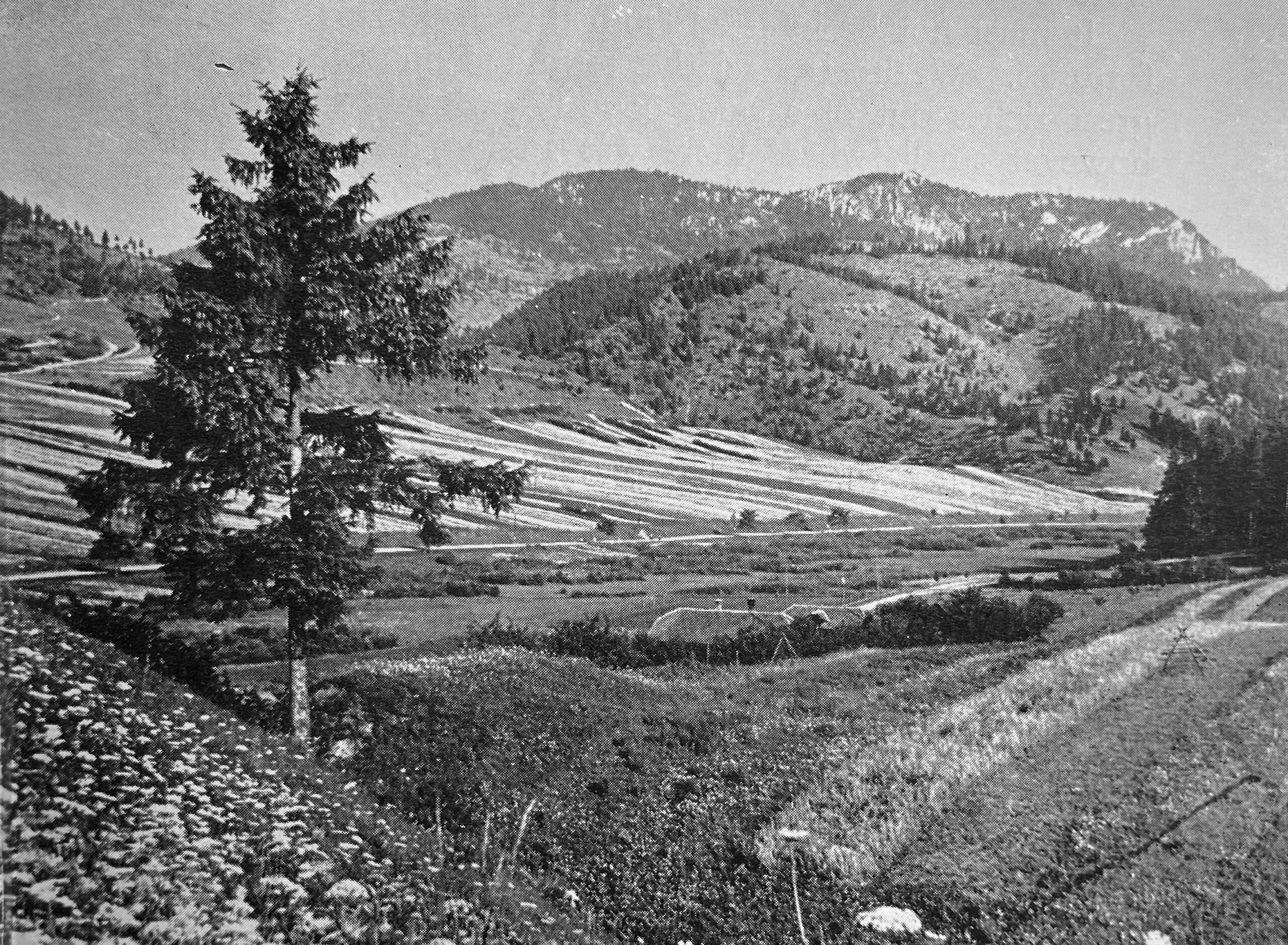
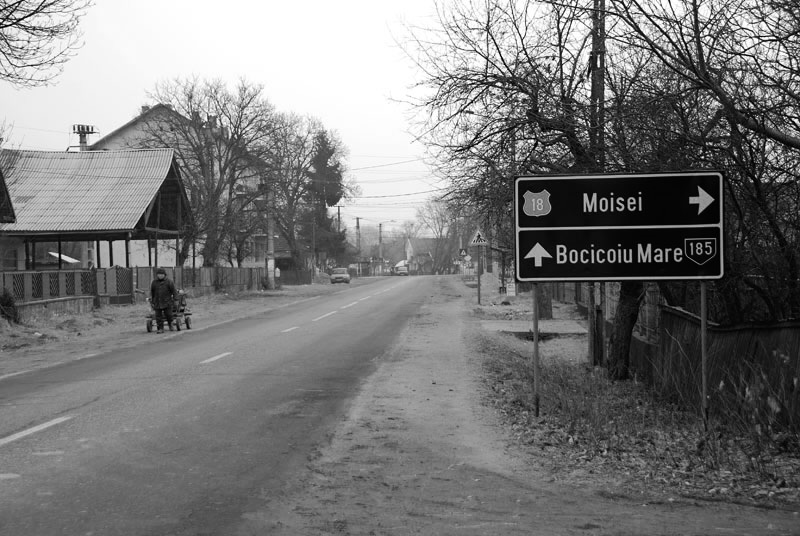
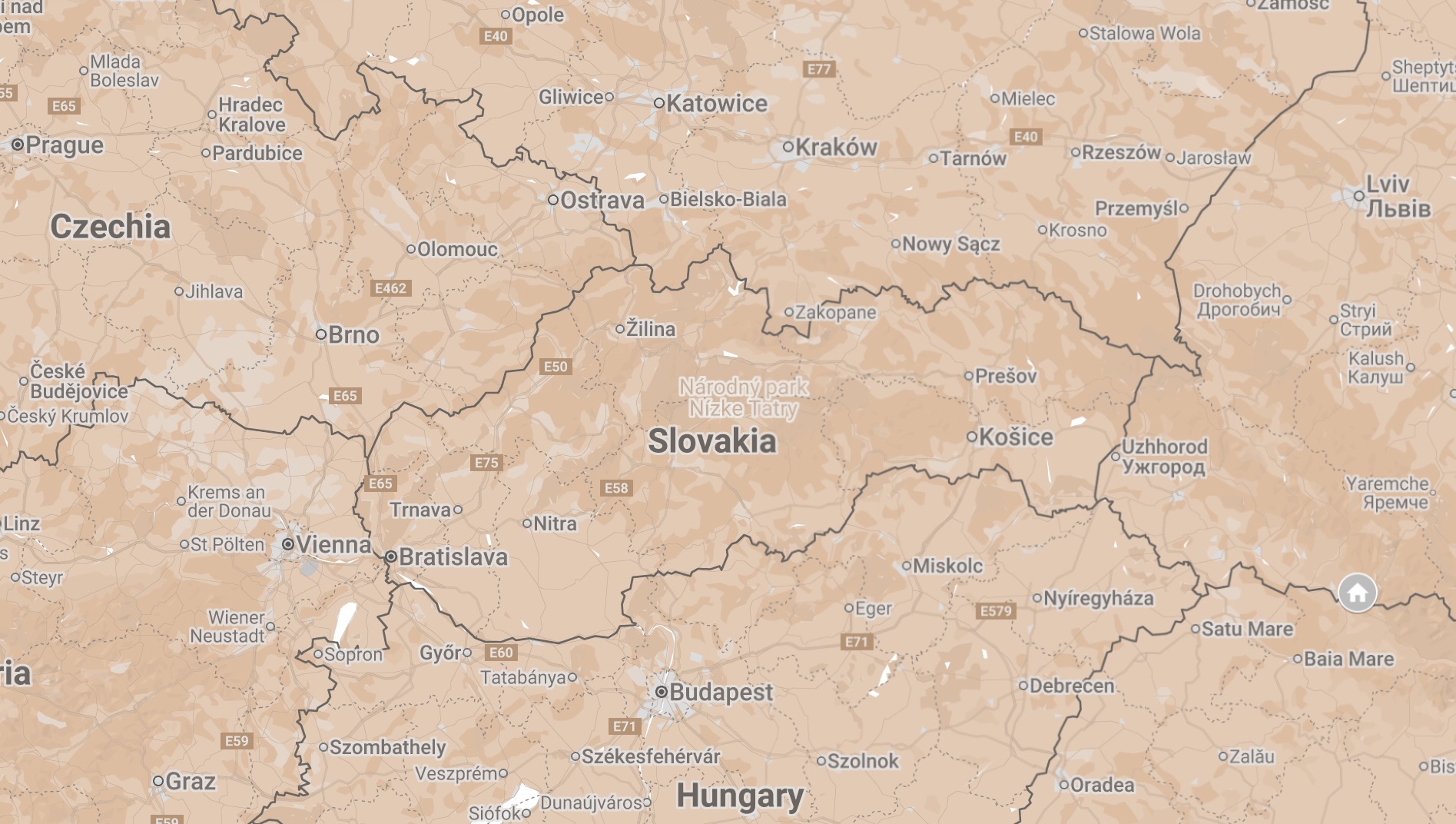
Velykyi Boychik is a village in the Zakarpattia Oblast region in south-western Ukraine, close to the border with Romania. The town is known as Velky Bockov in Czech, Nagybocsko in Hungarian, Bocicoiu Mare in Romanian and Bitshkof in Yiddish. It is 11km from Solotvyno and about 38km from Tyachiv both home to members of the Boys.
Until the end of World War I, Velky Bockov was part of the Austro-Hungarian empire. Between the interwar period it was part of Czechoslovakia. During World War II, the region was occupied by Hungary. At the end of the war it became part of the Ukrainian republic of USSR.
Pre-war
Jews probably settled in Velky Bockov in the first half of the 18th century.
Two families were registered as living in the village in 1728, after which there was no record of Jews for over a century. This was probably due to the death of the Austro-Hungarian Emperor Josef II in 1790. He had granted certain privileges and freedom of worship to the Jews through his “edict of tolerance”, issued in 1782. After his death, however, there were attempts to banish Jews from the region. There was then no record of Jews in Velky Bockov until the mid-19th century.
In 1880, the Jewish population was 520, out of a total population of 3,605. By 1921, during the Czechoslovakian period, the Jewish population rose to 1,092.
Jewish families earned their livelihood mainly through trade and crafts. A number of Jews were professionals and government officials. The Zionist youth organisations were active and had branches in Velky Bockov
In 1941, the Jewish population was 1,708.
Occupation
Following the Munich Agreement in 1938, Czechoslovakia was divided up, and in March 1939, Velky Bockov and the surrounding area were annexed by Hungary. Velky Bockov was now known by it Hungarian name of Nagybocskó.
The Hungarians imposed laws restricting Jewish access to education, trade, and the professions. Jewish businesses were taken over by Hungarians but many remained closed.
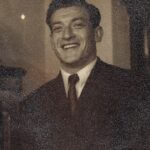
Josef Perl in 1954.
Josef Perl was eight years old in 1938. The Czech teachers in his school were dismissed and replaced with Hungarian teachers:
“When we arrived at school, instead of sitting in our usual places with our friends, we were told where to sit. We were all, Jews and Christians alike, confused and bewildered. Suddenly we were told we were different, and that we were to be segregated. Jews sat on one side of the classroom and Christians sat on the other. It soon became evident that these new teachers were indoctrinating the non-Jewish children to hate us. Our calm, happy, peaceful world was shattered.
Older children began to harass Jewish children and to make our lives miserable, waiting for us outside school and beating us up as we left.”
Josef Perl, Faces in the Smoke: The Story of Josef Perl (2001).
In 1940, dozens of Jews from Nagybocskó were drafted into Hungarian labour battalions as forced labourers. Many died on the eastern front.
In the summer of 1941, the Hungarian authorities identified as “alien” more than 100 Nagybocskó Jewish families unable to prove Hungarian citizenship, mainly the poorest ones, and deported them to Kamianets-Podilskyi in German occupied Ukraine, where they were murdered in August 1941.
Deportation
In March 1944, the Nazis occupied Hungary. At the beginning of April of that year all the Jews in Hungary were ordered to wear the yellow badge. In the same month, Jews from Nagybocskó were forced into the local synagogue, where they were kept for three days before being taken to the Mátészalka Ghetto in present-day Hungary. They were deported to the Auschwitz-Birkenau concentration and extermination camp in occupied Poland in late May, 1944.
When the trains arrived in Birkenau a selection was made on the ramp. It offered healthy young men and women a chance of survival as they were often selected for slave labour.
An estimated 85% of the Jews of Subcarpathian Ruthenia perished in the Holocaust. The fact that the Subcarpathian Jews arrived six months before the camp was liberated in January 1945, greatly increased their chance of survival.
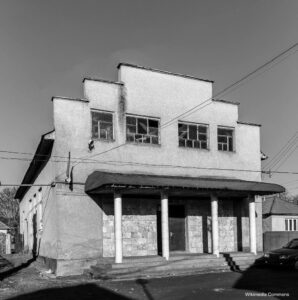
Former synagogue in Nelypino
Liberation
In the autumn of 1944, the Soviet Red Army entered Nagybocskó and liberated it from the Germans.
In 1945, after World War II, the Carpathians were annexed by the Soviet Union. Nagybocskó became part of the Ukrainian Soviet Socialist Republic and was from then onwards has been known as Velykyi Bychkiv.
The majority of the Jews from Velykyi Bychkiv were murdered in Auschwitz and most survivors settled elsewhere. A small Jewish community existed here until 1950.
Present-day
In 2016, Velykyi Bychkiv had about 9,300 inhabitants. No Jews live there today
Getting there
The easiest way tom reach Velykyi Bychkiv is by car from Satu Mare.
Note that the UK Foreign Office advises against travel to Ukraine because of the ongoing Russian invasion.
What to see
Former Synagogue, now a church, still stands on Myru ul.
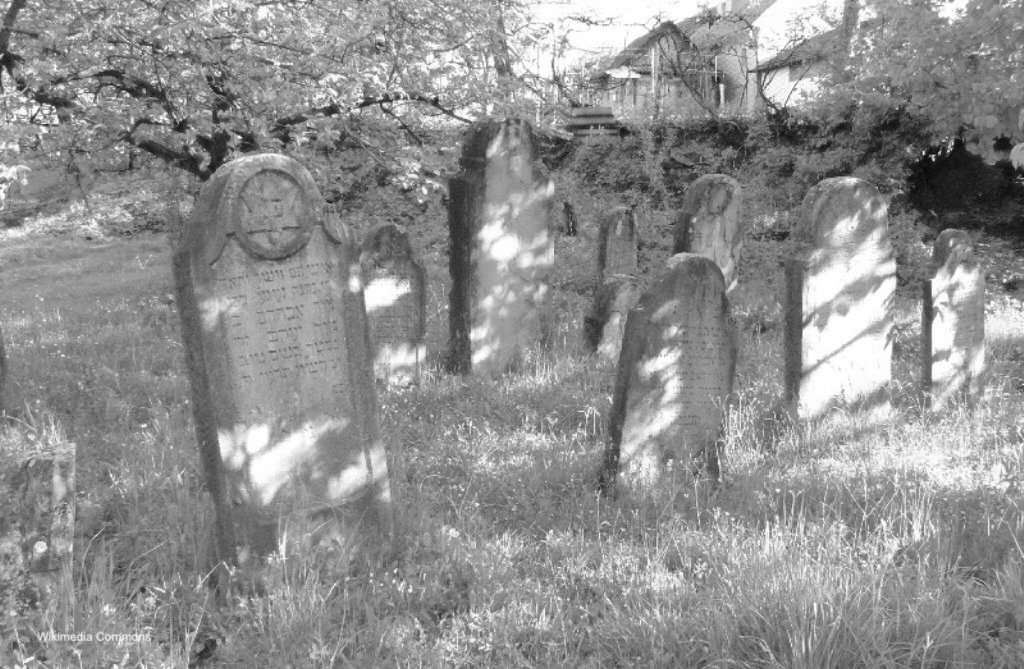
Jewish Cemetery (Єврейське кладовище, Bld Vulytsya Shkilʹna) There are approximately 120 gravestones; the earliest preserved marker dates to the end of the 19th century. The cemetery is partially fenced.
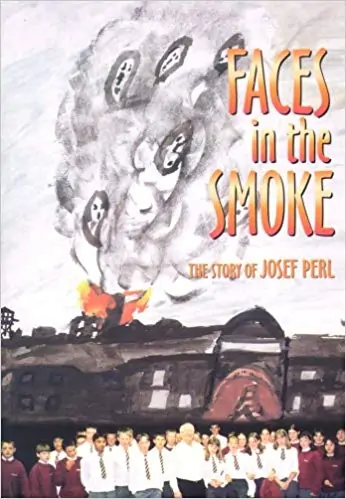
Faces in the Smoke: The Story of Josef Perl (2001), Arthur Christopher Benjamin
A brutal and honest story of the survival of Josef Perl, one of the Boys, told from the perspective of a schoolteacher and not the survivor, which gives the book a uniqueness and charm, which is enhanced by the notes written by schoolchildren that are included at the end of the book. Click here to find out more.
 About
About History
 Education
 Quilts
 FIlms
FIlms Photos
 News Media & Events
 Publications
 Donate