
Riseman was a member of a group of Holocaust survivors known as the Boys, despite the fact the group consisted of over 200 girls.
The Boys were teenage and child-Holocaust survivors, who were brought to the UK after World War II for rest and rehabilitation.
Members of the Boys were held in Nazi labour and concentration camps and used as slave labourers, survived World War II in hiding or as lone children.
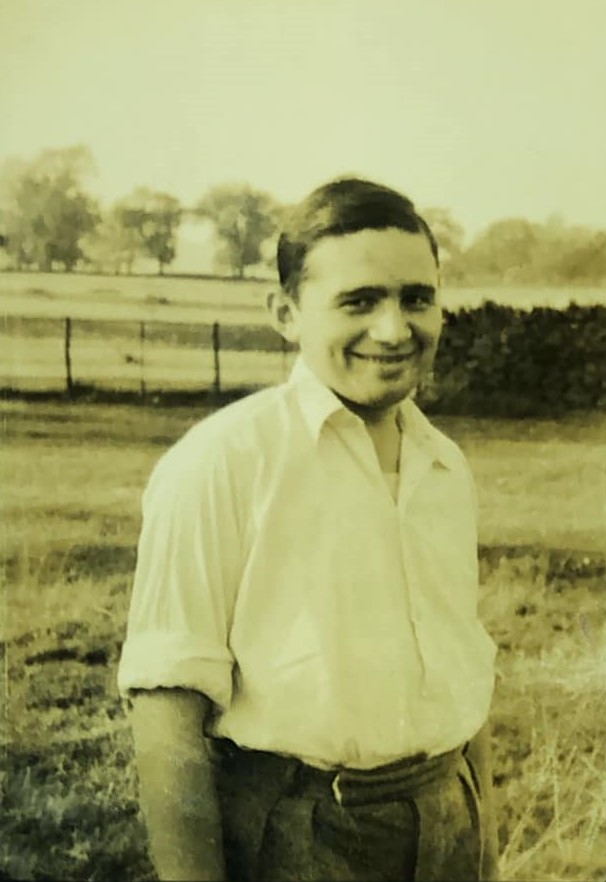
His father was a businessman and had a textile shop. They were a Hasidic family.
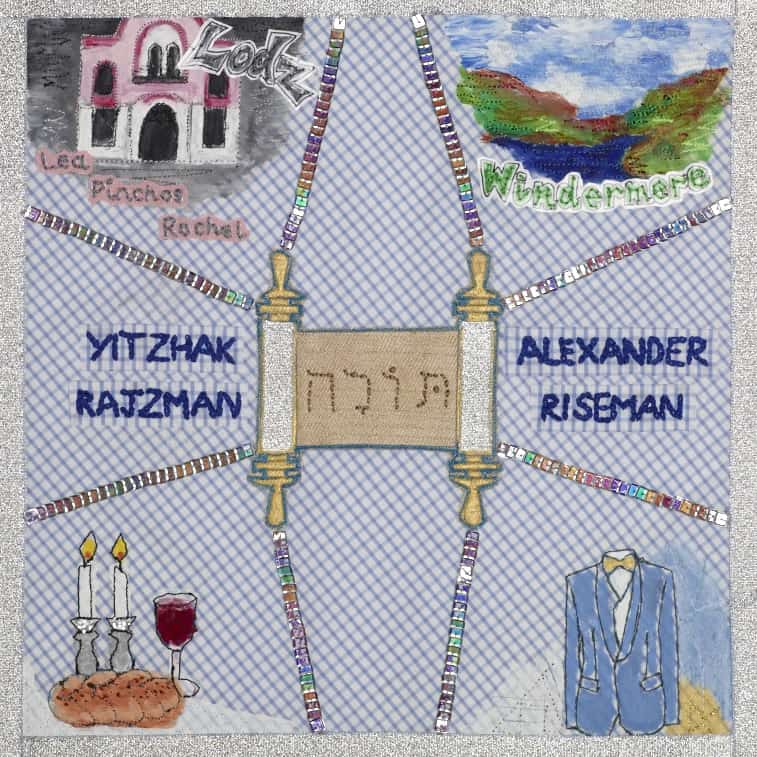
Riseman had an older sister named Rachel and a brother Yitzhak.
“We kept in close touch with all our uncles, aunts, cousins, nephews and nieces. I remember that we were a large happy extended family. I only have happy memories of my childhood until the war broke out …
Before the Jews and the Germans in Lodz lived in harmony. They got on better with the Germans than with the Poles. One of the reasons was because they were both connected with the production of textiles. The Germans were mostly employed as weavers; while the Jews were mainly the finishers and manufacturers of the finished garments.
Another reason was that spoken Yiddish is very similar to German, so that there was no communication problem. Also, we shared a common bond as the Germans were also a minority group.
We had a German neighbour and I used to play with one of his children. I remember my father holding me on one knee, and the neighbour’s child on the other, while he told us stories.”
After the German invasion of Poland, Łódź was renamed Litzmannstadt and the city and surrounding area were incorporated into the Third Reich.
Slave Labour
The Rajzman family were moved into the Łódź Ghetto. His father was shot in an organised execution in 1940.
When the ghetto was liquidated, they tried to hide but were caught. He was transported to Auschwitz II-Birkenau concentration and extermination camp in Nazi-occupied Poland with his mother, brother and sister in 1944.
He and his brother Yitzhak were selected for work. His mother and sister were gassed on arrival.
They were then transferred to the Budy concentration camp, a subcamp of Auschwitz II-Birkenau on 23 January 1945.
He endured and survived a death march to Buchenwald concentration camp in Germany. There was a major resistance movement in the camp that protected over 1,000 young boys in Kinderblock 66. He and his brother were among them.
He was then taken to the Theresienstadt Ghetto on a death train.
Riseman was liberated from the Theresienstadt Ghetto by the Soviet Red Army on 8 May 1945.
Alexander Riseman’s Journey 1939-1948
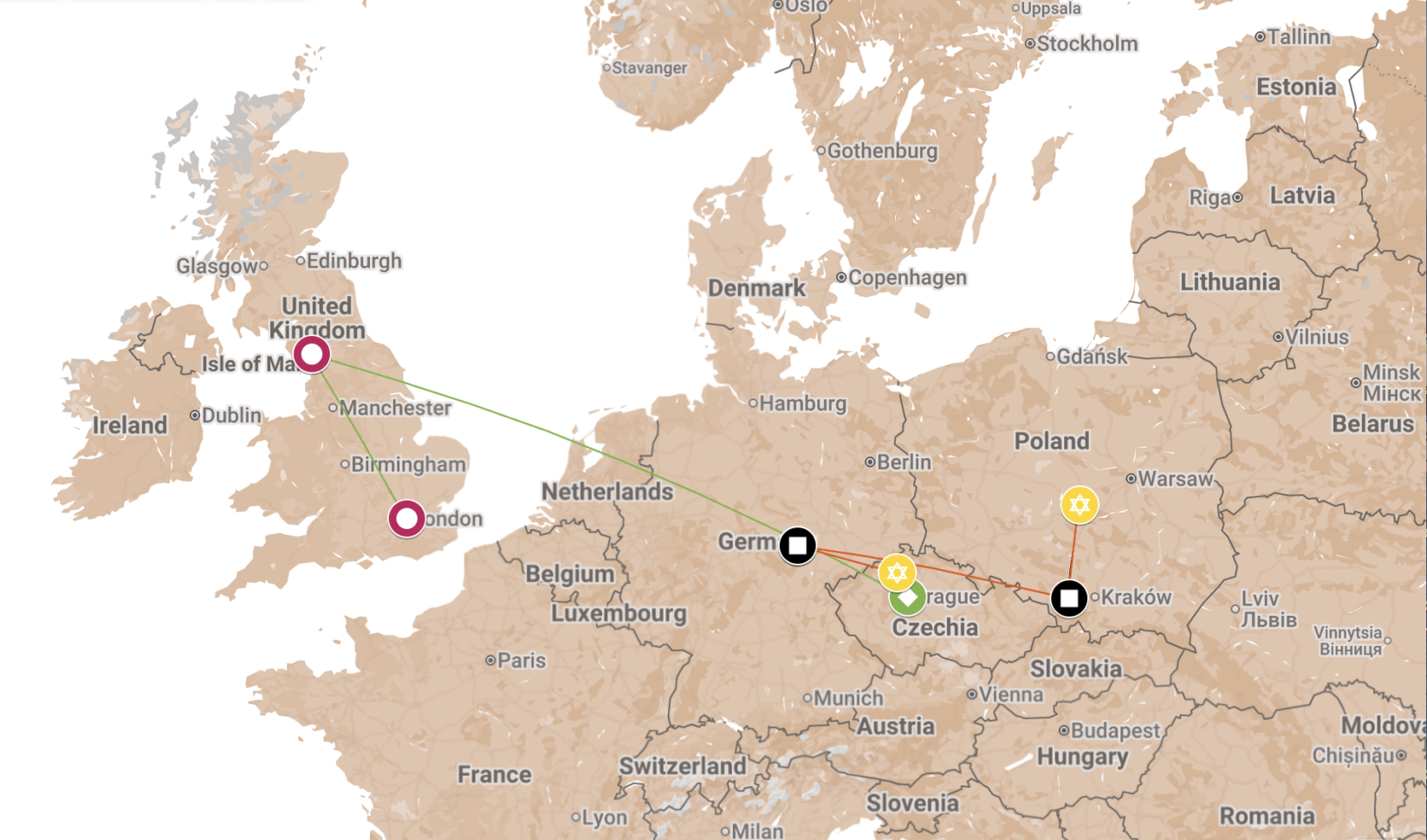
Pre-war life: Łódź, Poland. Forced Journey: → Łódź Ghetto → Auschwitz-Birkenau concentration camp → Death march/train to Buchenwald concentration camp → Death train to Theresienstadt Ghetto. After liberation: → Prague, Czechoslovakia → Joins 1st Group of the Boys → Windermere reception centre, UK → London, UK.
A New Life
Riseman arrived in the UK in August 1945 as part of the frist group of the Boys. He spent a short time at the Windermere reception centre before going to the Manor House hostel in London with his brother Yitzhak.
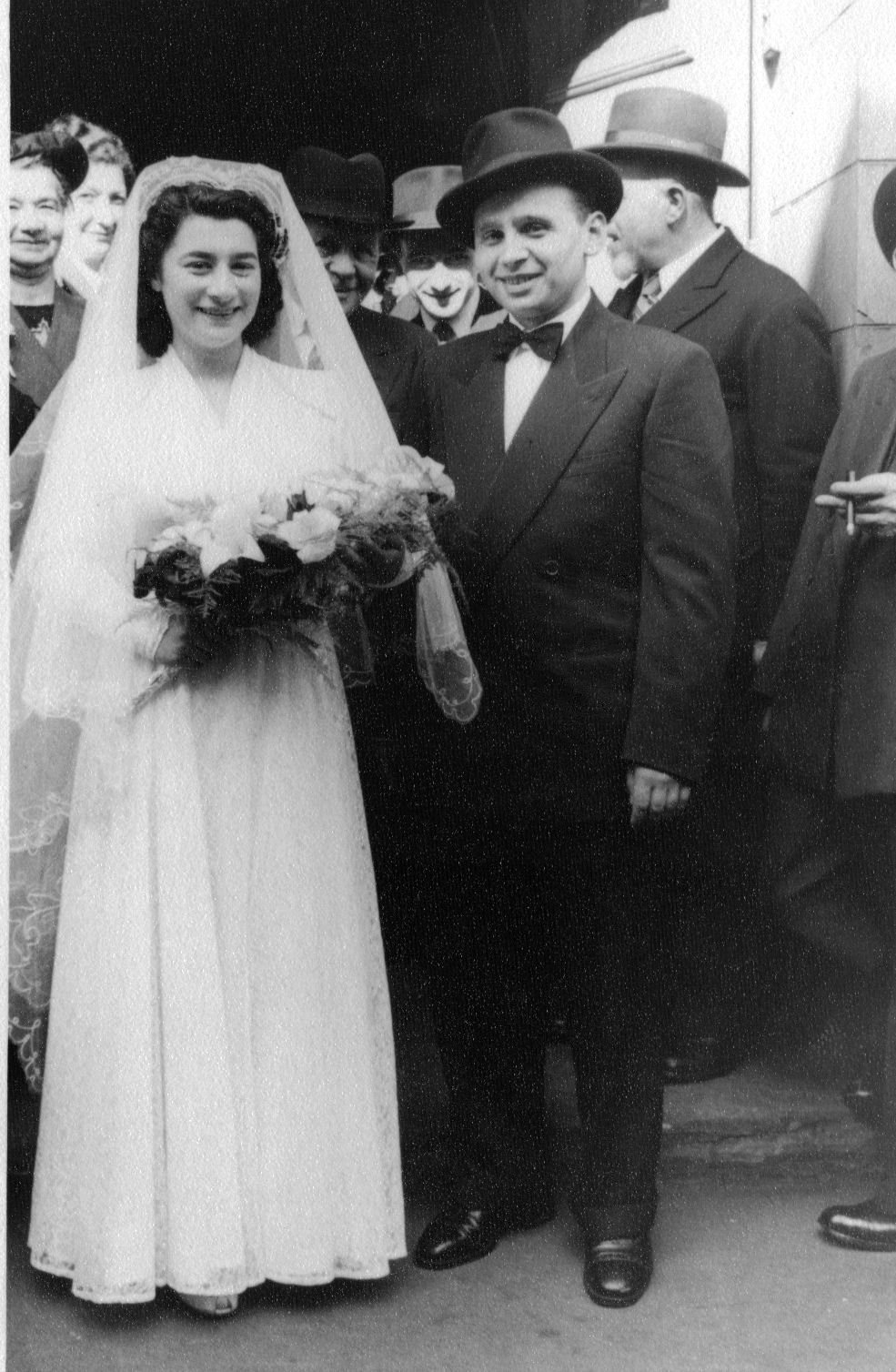
He became a tailor, married and had three children.
[/um_loggedin]

 About
About History
 Education
 Quilts
 FIlms
FIlms Photos
 News Media & Events
 Publications
 Donate